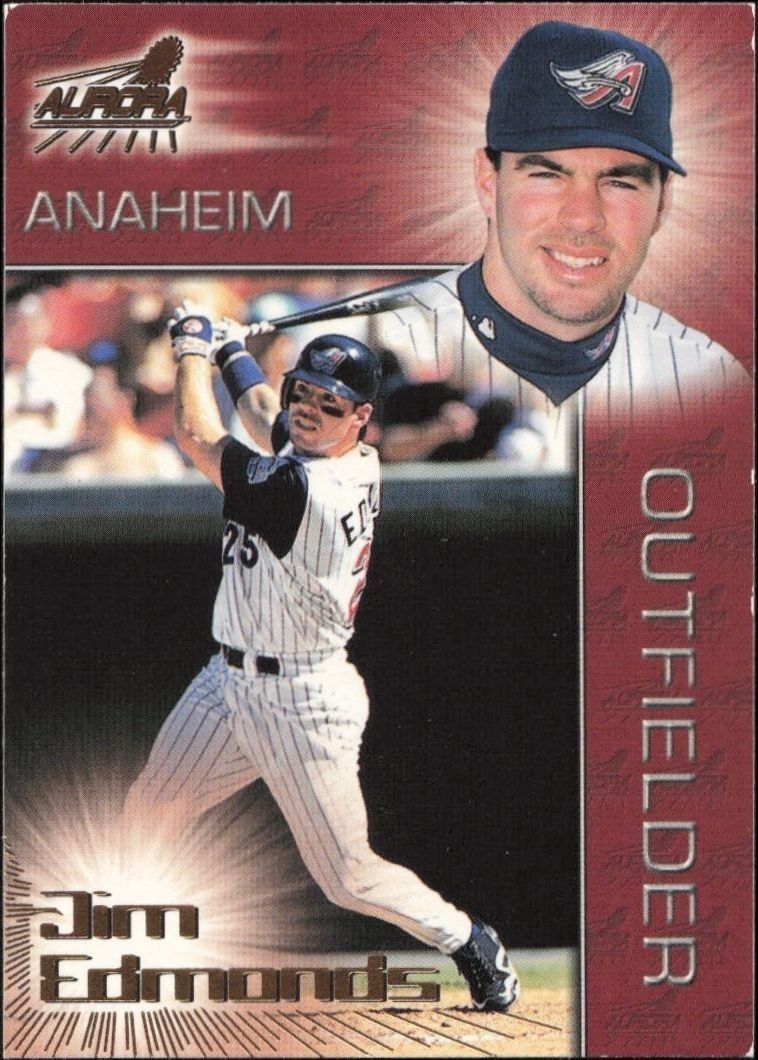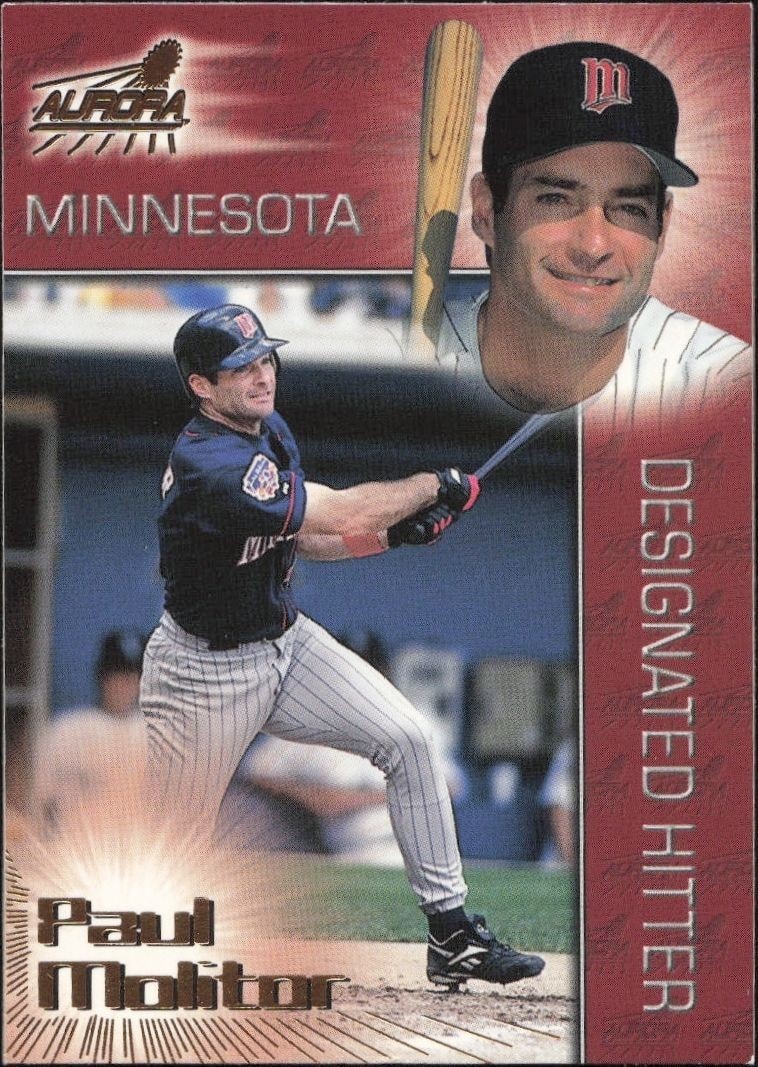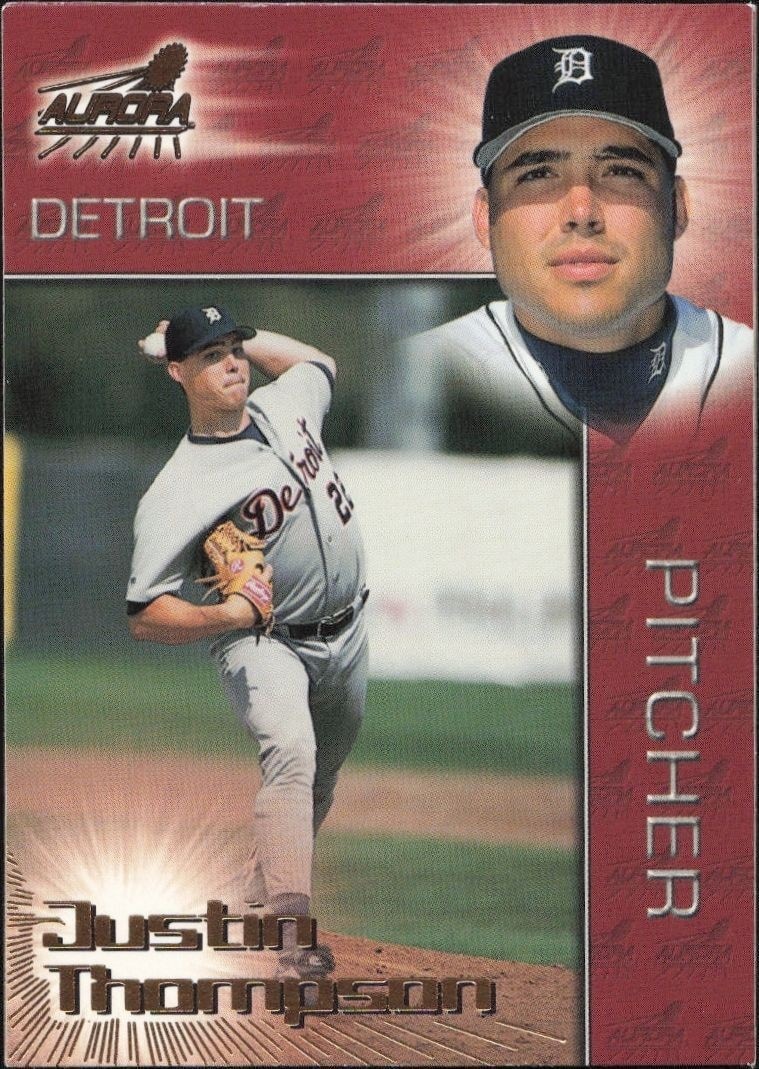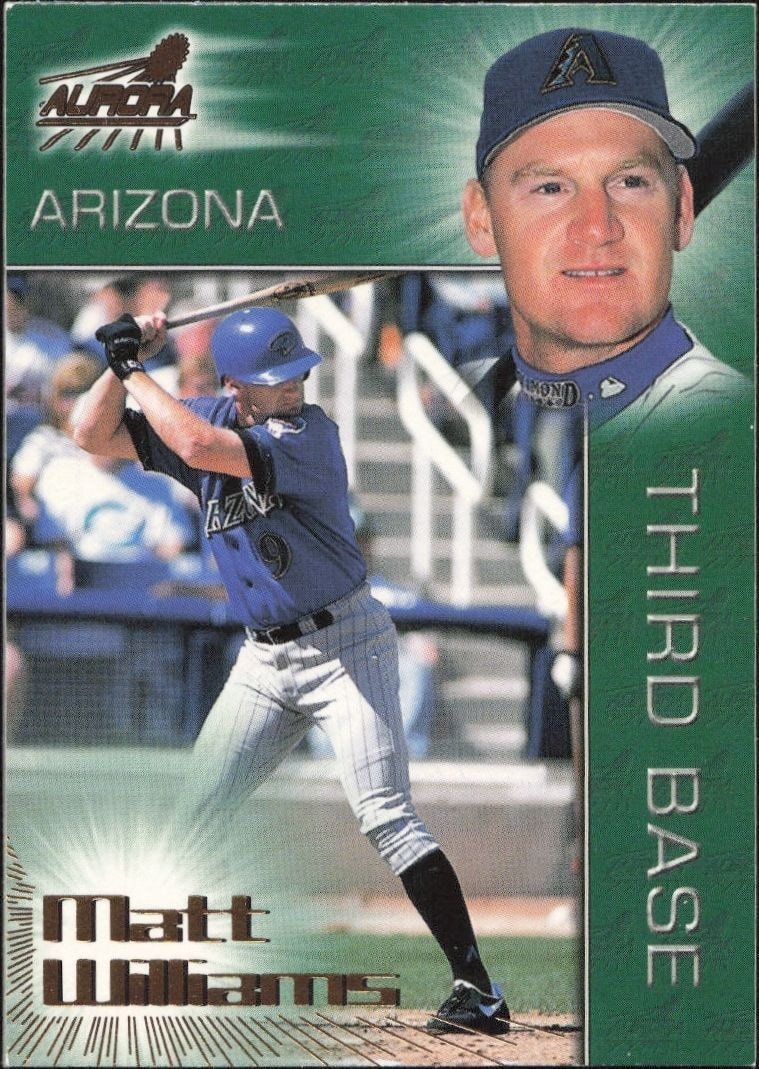
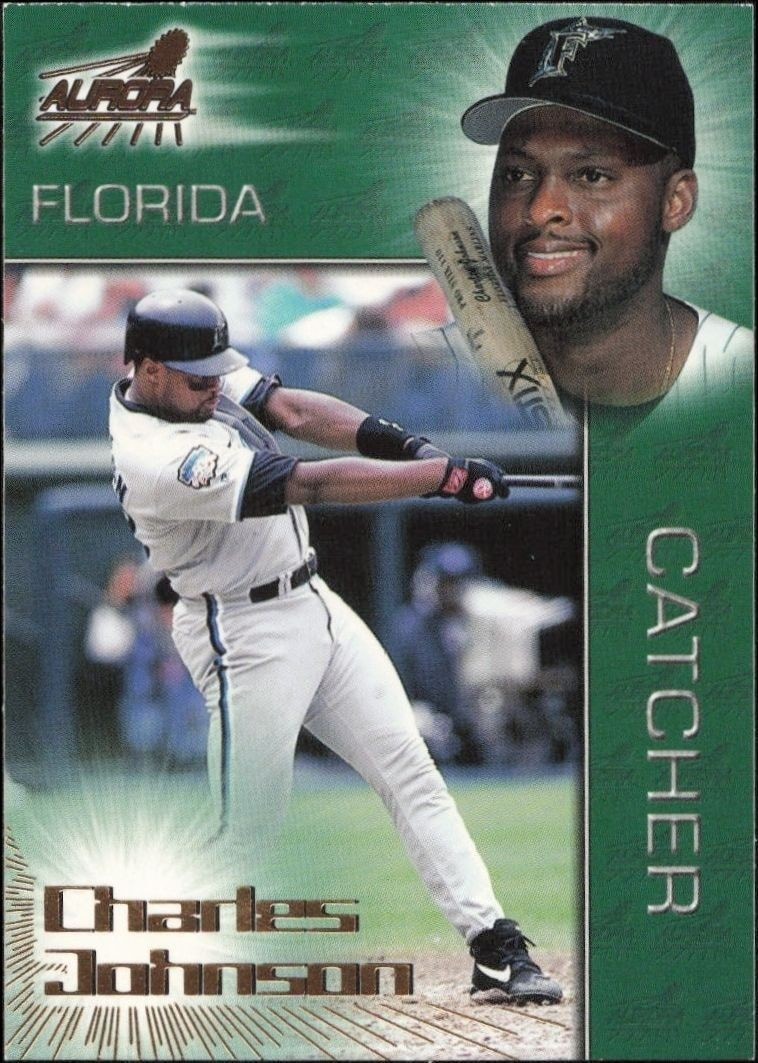
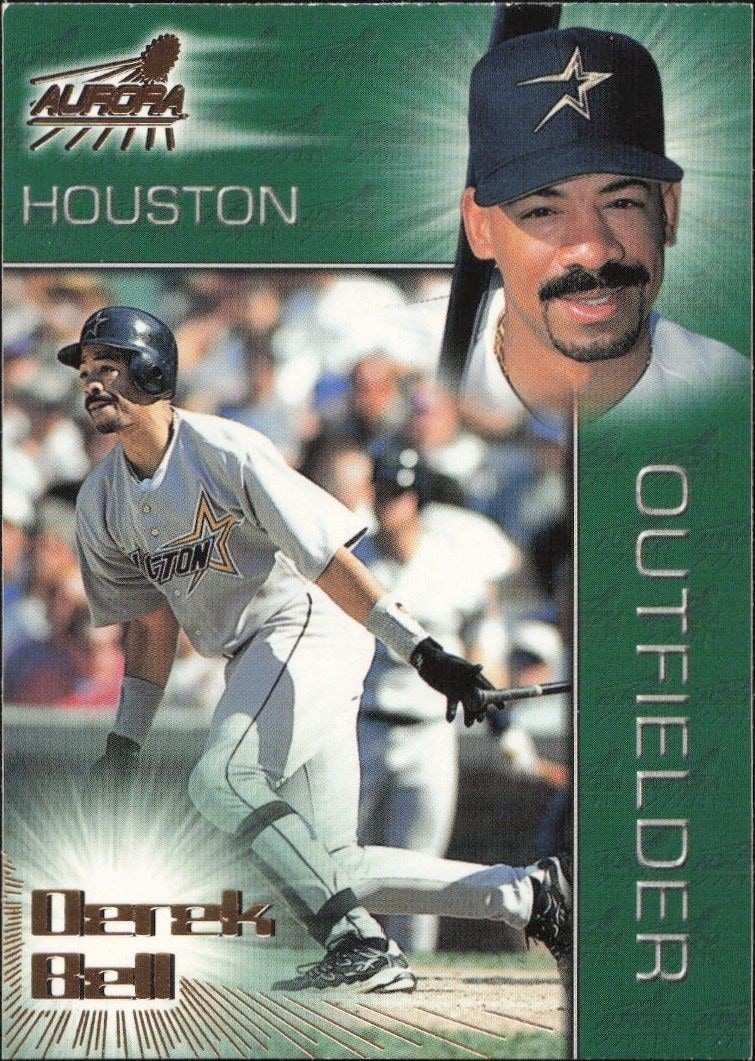


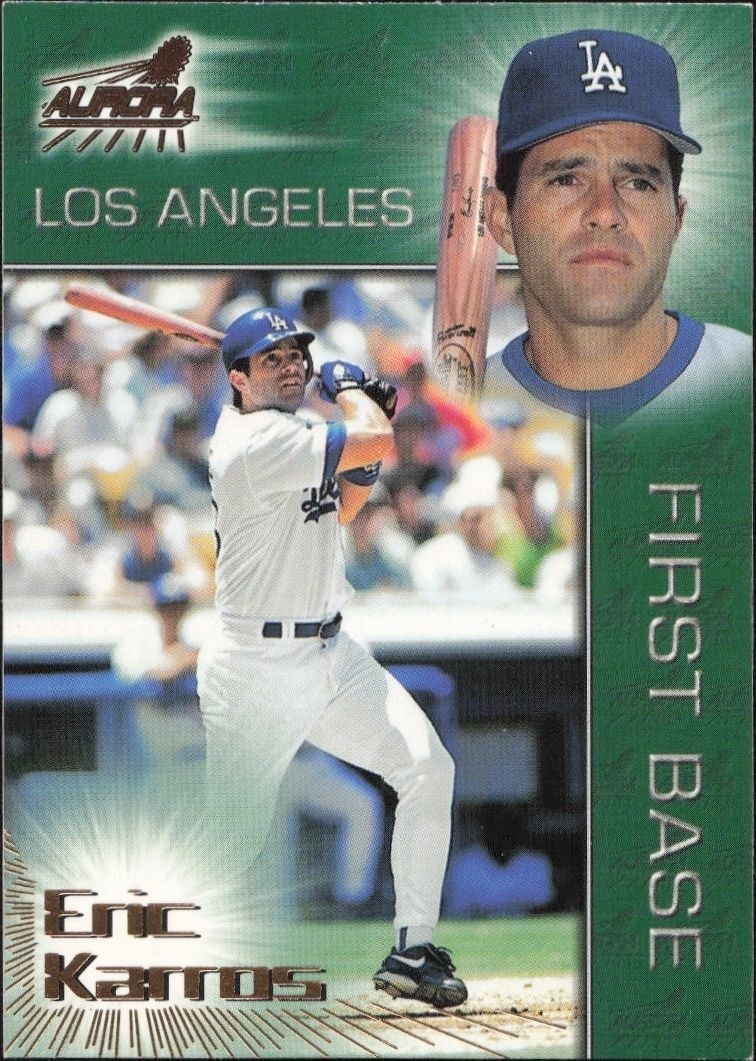

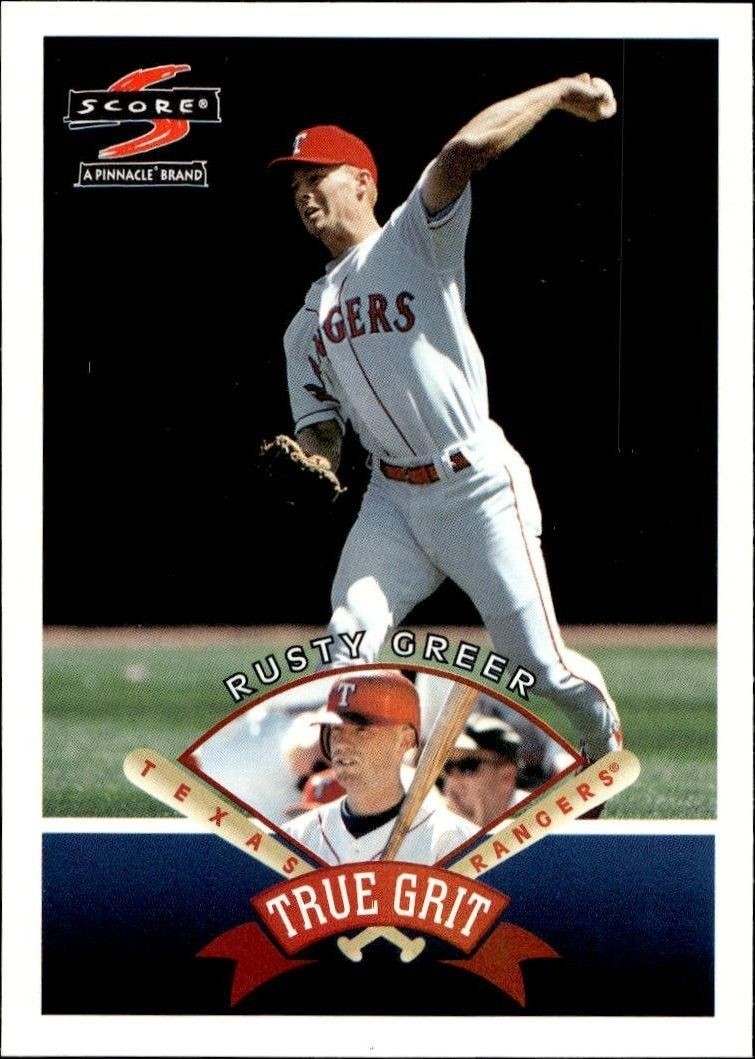


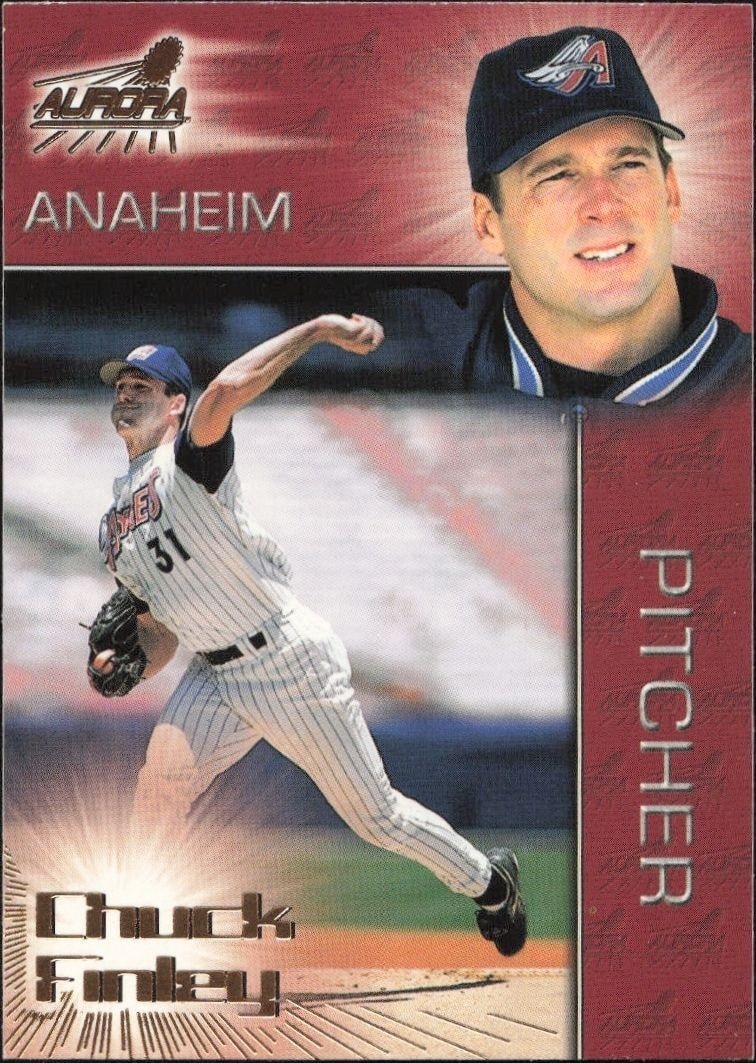
The 1998 Pacific Aurora Rusty Greer #88 captures the Texas Rangers shortstop during a pivotal era in franchise history, offering collectors a distinct piece of late-90s baseball memorabilia.
1998 • Pacific • Aurora
Major League Baseball • Texas Rangers
Near Mint
88
New
Shipping Calculated at Checkout
Arrives in 5-7 daysEstimated delivery October 23, 2026 - October 25, 2026
Seller returns October 19, 2026.30-day Returns| Condition | Value | Source | Trend | Price Details |
|---|---|---|---|---|
$1.00As of 9/30/2026 | Asking Prices | |||
Raw / Ungraded
eBay Active Listings · Asking Prices evidence · captured Sep 30, 2026
History is building. At least two days of matching observations are needed to show a trend.
Each point is the last stored observation that day for this printing, condition, grader, autograph status and source. Gaps mean no observation; guide estimates and asking prices are not completed sales.The 1998 Pacific Aurora Rusty Greer #88 serves as a tangible link to the Texas Rangers' roster during the late 1990s, a period marked by intense competition in the American League West. Rusty Greer established himself as a reliable force in the Rangers' infield, making this card a relevant addition for those tracing the team's lineage or focusing on players from that specific decade. For collectors of sports trading cards, this release offers more than just a player portrait; it represents a snapshot of baseball history. The Pacific brand brought a unique aesthetic to the hobby with the Aurora series, utilizing iridescent finishes that catch the light in ways standard cards do not. This makes the #88 Greer card particularly interesting for enthusiasts who appreciate the design evolution of the era. Whether you are building a comprehensive set of Pacific Aurora cards or focusing on Texas Rangers alumni, this product fits seamlessly into a curated collection. Collecting from the late 90s has become increasingly popular as fans look back on the game's recent past. The durability and visual impact of the Aurora parallels make them enduring favorites among hobbyists. This card allows collectors to engage with the sport's history through a physical artifact that reflects the marketing and design trends of 1998. It is an excellent choice for gifting to a fellow baseball fan or for expanding your own portfolio of vintage sports cards. The combination of the player's tenure with the Rangers and the unique packaging of the Aurora series ensures that this card remains a noteworthy item for any serious collector.
20 hours ago
We'll pre-fill the product details from this catalog entry, so your listing lands on this exact page. Just add photos of your copy, pick its condition, and set your price.
The catalog profile below summarizes the card identity, featured subject, and notable collectible traits.
The core identity of the card within the set.
The subject, team, league, and sport context tied to this card.
Production details and format-specific attributes.
Material
Card Stock
Language
English
Compare prices, grades, photos, and shipping from approved sellers.
New
Near Mint
See how many public collections currently include this card.
0 collectors have this card
This 1998 Pacific Aurora card of Rusty Greer sits at the lower end of the price spectrum, likely reflecting its status as a non-premium insert within a highly crowded 1998 baseball market. While Greer was a productive offensive player for the Texas Rangers, the lack of special attributes suggests it trades at a baseline value compared to his more sought-after rookie or major parallel issues. Current market activity indicates modest liquidity with very few active listings, implying a stable but low-demand tier for this specific variation.
As a standard base or unnumbered insert from the 1998 Pacific Aurora set, this card does not carry specific scarcity mechanics such as serial numbering or short-print designations. The absence of unique attributes means the supply is determined entirely by the original print run of the Aurora subset, which was relatively high during that era of production. Without limited edition markers or one-of-one status, the card relies on general set completionist demand rather than strict supply constraints.
The investment potential for this item is limited by its position within the broader 1998 Pacific releases, where collector focus typically shifts toward rookie cards or highly distinctive parallel variations. Demand is likely driven by general set builders rather than specific investors seeking rare assets, resulting in modest appreciation potential over time. While holding sentimental or nostalgic value for Rangers fans, the card lacks the key attributes—such as rookie status or extreme scarcity—that typically drive significant market premiums.