



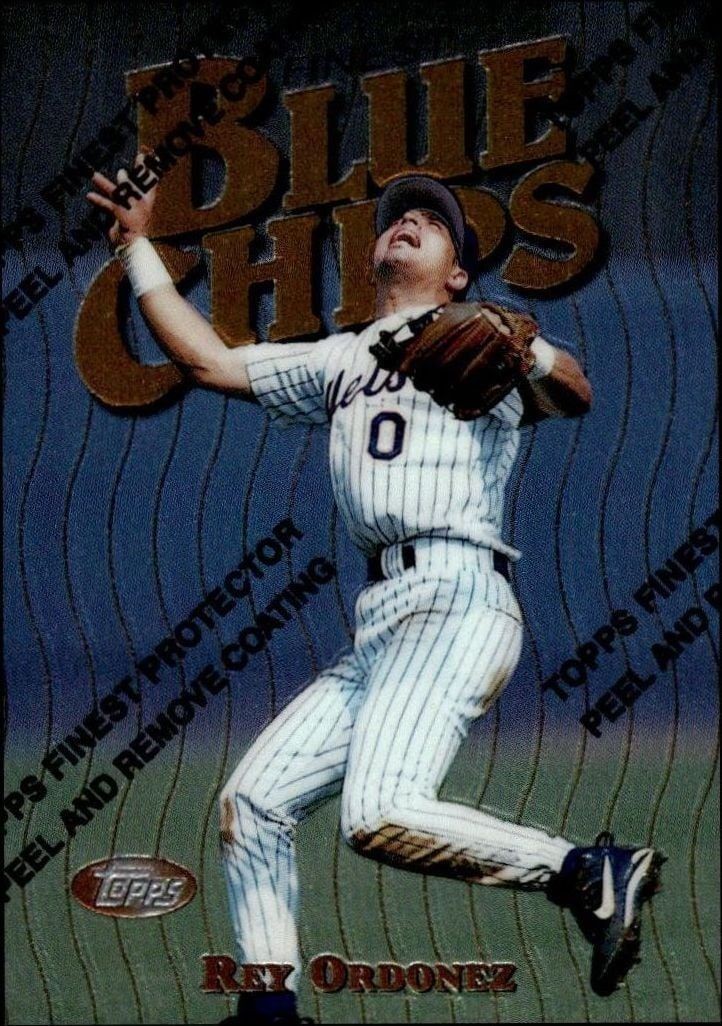
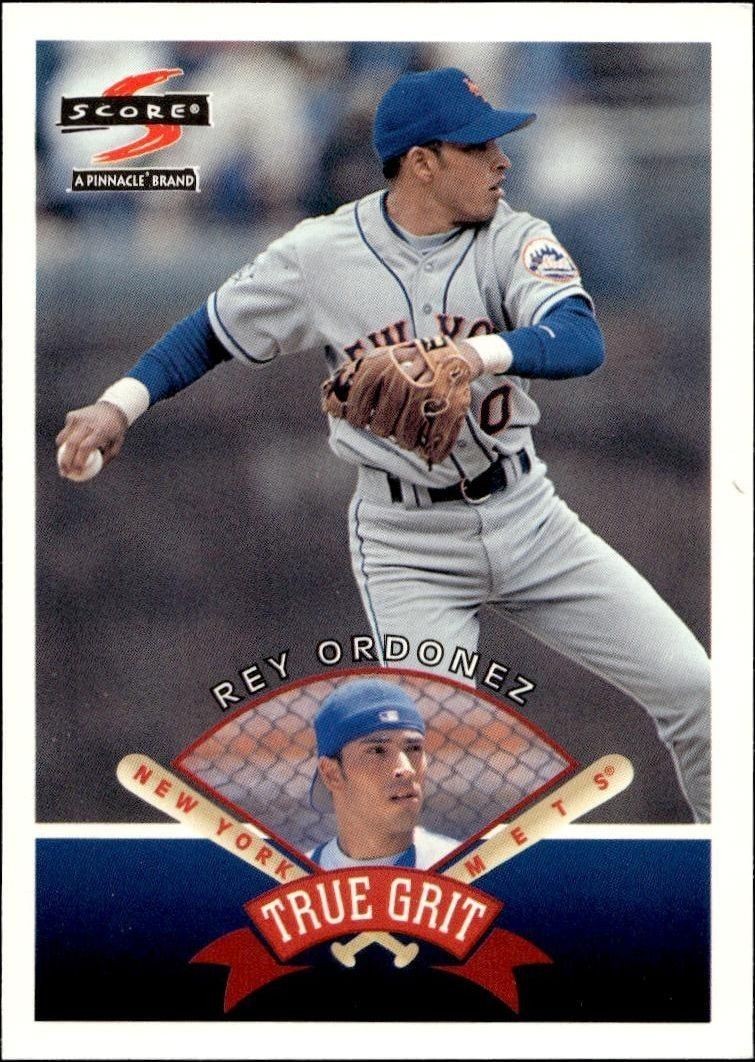
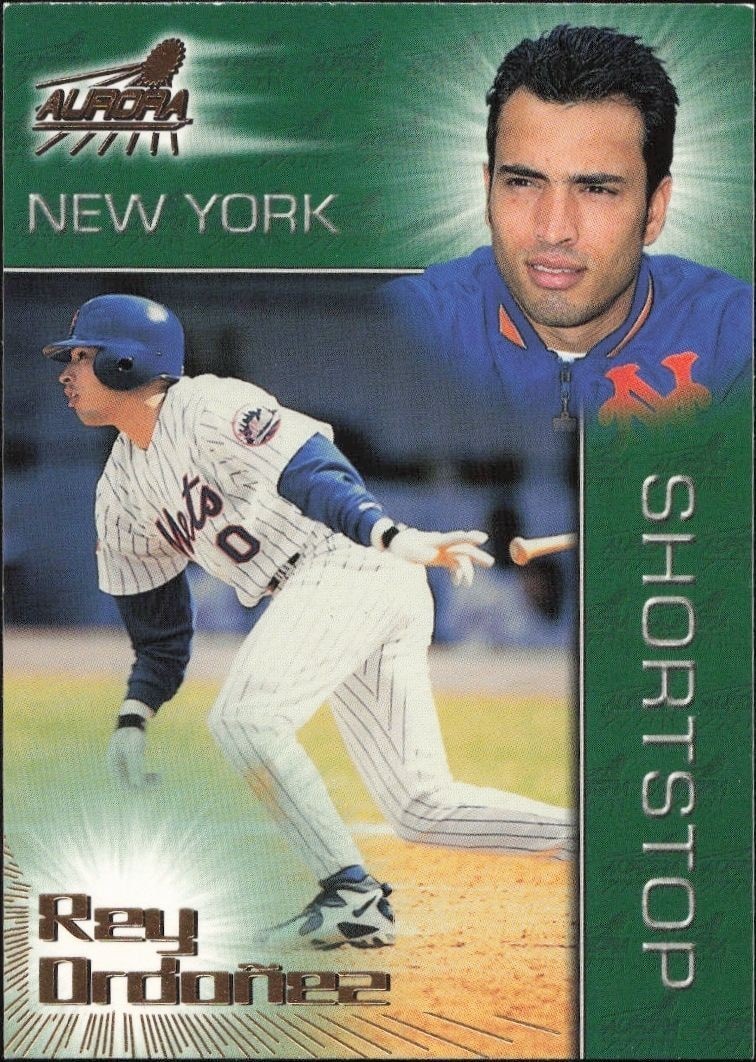
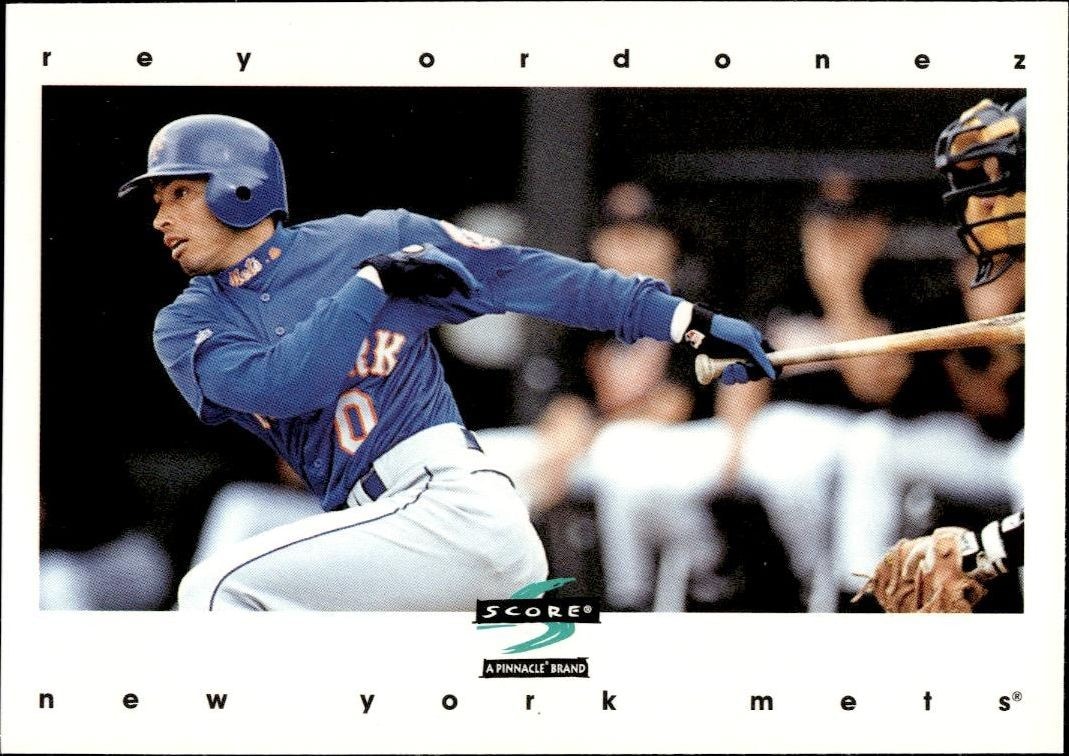
The 1998 Topps Series 1 #103 card features New York Mets shortstop Rey Ordonez. This release is a key component for collectors building the complete 1998 Topps baseball set.
1998 • Topps • Series 1
Major League Baseball • New York Mets
Excellent
103
New
Shipping Calculated at Checkout
Arrives in 4-6 daysEstimated delivery October 24, 2026 - October 26, 2026
30-day Returns| Condition | Value | Source | Trend | Price Details |
|---|---|---|---|---|
$1.55 | Guide Estimate | |||
Raw / Ungraded
PriceCharting Price Guide · Guide Estimate evidence · captured Oct 10, 2026
History is building. At least two days of matching observations are needed to show a trend.
Each point is the last stored observation that day for this printing, condition, grader, autograph status and source. Gaps mean no observation; guide estimates and asking prices are not completed sales.Rey Ordonez established himself as a premier defensive force during his tenure with the New York Mets, and the 1998 Topps Series 1 release captures his presence on the diamond. Card number 103 in this iconic set serves as a foundational piece for enthusiasts tracking the brand’s evolution in the late 1990s. Topps maintained its reputation for consistent design and quality during this era, making each card in the base set a recognizable artifact of the sport’s history. For collectors, the 1998 Topps Series 1 is often viewed as a bridge between the classic design aesthetics of the 1990s and the more experimental approaches seen in later years. The set includes a diverse roster of players, offering a snapshot of Major League Baseball at the turn of the millennium. Ordonez’s inclusion highlights the team’s roster composition during a competitive period in franchise history. Collectors often seek out specific card numbers to complete their base sets, making low-numbered or distinctively featured cards like #103 valuable targets for completionists. The enduring appeal of the 1998 Topps baseball card series lies in its accessibility and broad coverage of the league. It remains a popular choice for both novice collectors assembling their first collections and seasoned investors looking to diversify their holdings with vintage sports memorabilia. The card’s design reflects the straightforward, player-focused approach that defined Topps’ strategy during this time, prioritizing clear imagery and essential statistics. Whether you are focusing on Mets history, New York sports memorabilia, or the broader landscape of 1990s baseball cards, the 1998 Topps Series 1 #103 Rey Ordonez card offers a tangible connection to that specific moment in time. It stands as a testament to the enduring legacy of the Topps brand and its role in documenting the sport’s stars and stories for generations of fans.
5 hours ago
We'll pre-fill the product details from this catalog entry, so your listing lands on this exact page. Just add photos of your copy, pick its condition, and set your price.
The catalog profile below summarizes the card identity, featured subject, and notable collectible traits.
The core identity of the card within the set.
The subject, team, league, and sport context tied to this card.
Production details and format-specific attributes.
Material
Card Stock
Language
English
Compare prices, grades, photos, and shipping from approved sellers.
New
Excellent
See how many public collections currently include this card.
0 collectors have this card
This 1998 Topps Series 1 base card of Rey Ordonez represents an entry-level tier within his collectible portfolio, reflecting his status as a respected but non-superstar utility infielder. The current valuation aligns with standard market pricing for mass-produced base cards from this era, lacking the premiums associated with rookie issues or special parallels. It serves as an affordable component for sets rather than a standalone investment piece.
As a standard base card with no noted special attributes, this item shares the widest possible supply within the 1998 Topps Series 1 product. The lack of serial numbering, short-print status, or parallel treatment means it does not benefit from artificial scarcity constraints. Consequently, its availability is driven entirely by the original mass production run rather than limited distribution mechanics.
Given that this is not a rookie card and lacks unique scarcity features, the demand drivers are limited to general set-building needs for 1990s Mets memorabilia. The collector base for this specific card is broad but shallow, resulting in stable but low-growth potential. Investors should view this as a low-cost filler rather than a vehicle for significant capital appreciation.