




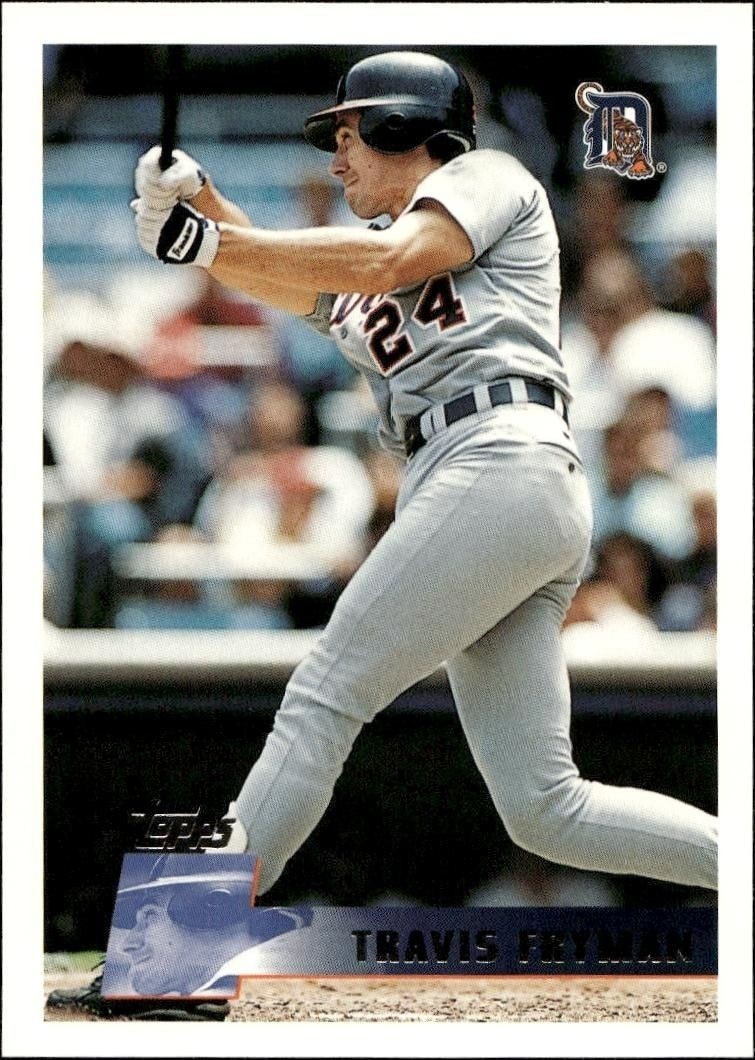
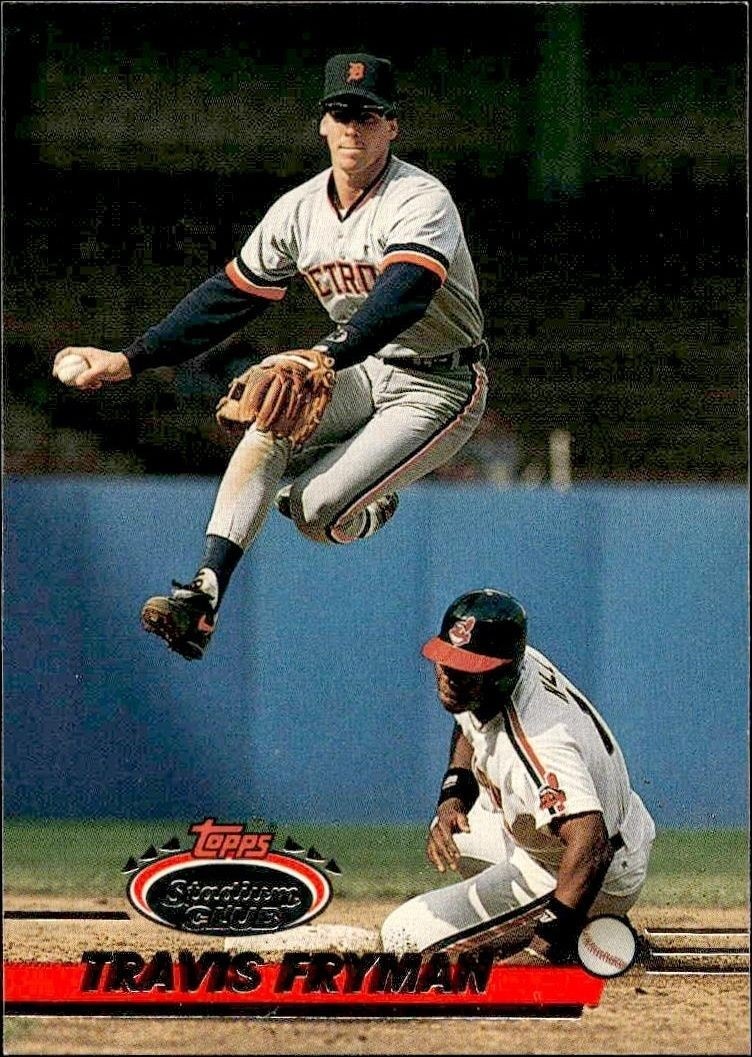
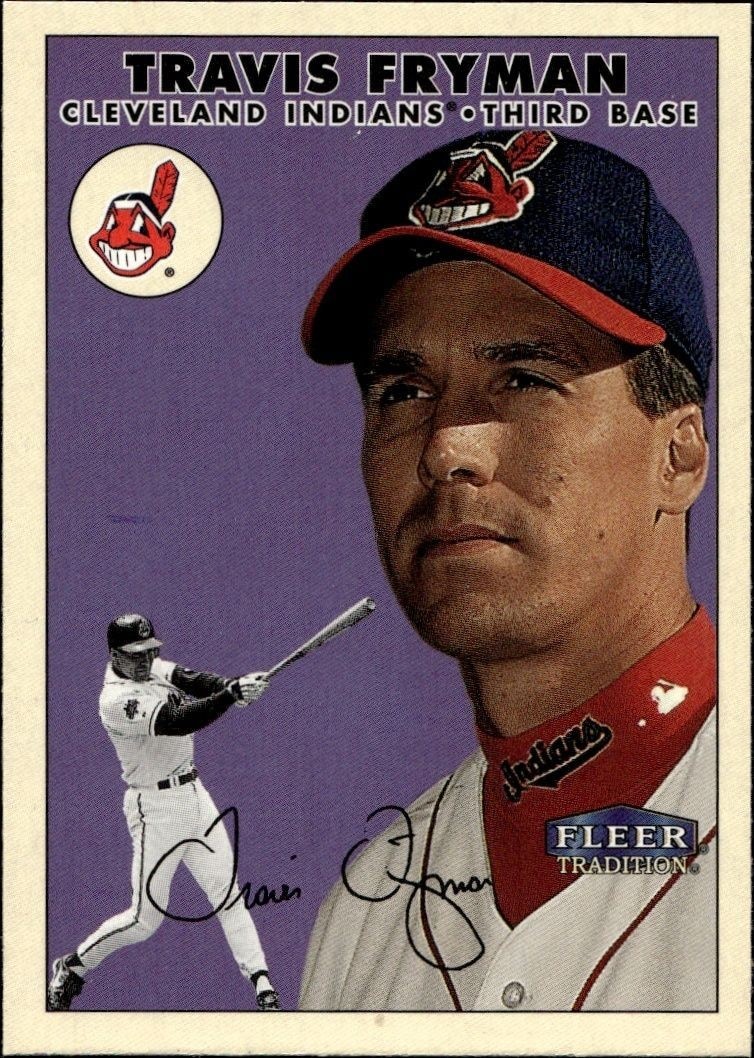

The 1999 Pacific Paramount Travis Fryman #72 baseball card captures the Cleveland Indians shortstop in a vintage 1999 release.
1999 • Pacific • Paramount
Major League Baseball • Cleveland Indians
Near Mint
72
New
Shipping Calculated at Checkout
Arrives in 4-6 daysEstimated delivery October 23, 2026 - October 25, 2026
30-day Returns| Condition | Value | Source | Trend | Price Details |
|---|---|---|---|---|
$1.25As of 9/28/2026 | Asking Prices | |||
Raw / Ungraded
eBay Active Listings · Asking Prices evidence · captured Sep 28, 2026
History is building. At least two days of matching observations are needed to show a trend.
Each point is the last stored observation that day for this printing, condition, grader, autograph status and source. Gaps mean no observation; guide estimates and asking prices are not completed sales.The 1999 Pacific Paramount Travis Fryman #72 baseball card offers collectors a tangible piece of late-90s MLB history. Travis Fryman, known for his time with the Cleveland Indians, is the featured subject, making this card a relevant item for fans of the franchise and that specific era of baseball. Collectors often seek out cards from the Pacific brand due to their unique design elements and production quality. The Paramount subset provides a structured approach to collecting, with card #72 serving as a specific identifier for Fryman’s tenure. For those building a set of 1999 baseball cards, this product represents a key component that helps complete the narrative of the league during that season. The value of vintage cards like this one often lies in their ability to evoke nostalgia for the late 1990s. While modern cards dominate the current market, older releases from manufacturers like Pacific maintain a steady presence among serious hobbyists. The card’s association with the Cleveland Indians adds another layer of interest, particularly for regional collectors or those tracking players who defined the team's roster in the late 90s. Whether you are looking to add a piece of history to your collection or invest in a classic baseball card, the 1999 Pacific Paramount #72 is a solid choice. It represents a specific moment in time, preserved on paper for future generations.
1 day ago
We'll pre-fill the product details from this catalog entry, so your listing lands on this exact page. Just add photos of your copy, pick its condition, and set your price.
The catalog profile below summarizes the card identity, featured subject, and notable collectible traits.
The core identity of the card within the set.
The subject, team, league, and sport context tied to this card.
Production details and format-specific attributes.
Material
Card Stock
Language
English
Compare prices, grades, photos, and shipping from approved sellers.
New
Near Mint
See how many public collections currently include this card.
0 collectors have this card
This 1999 Pacific Paramount card of Travis Fryman represents an entry-level tier within the broader collectible landscape, reflecting its status as a standard issue from a mid-tier brand era. The current pricing suggests it trades below the premium commanded by high-grade rookie cards or autographed parallels, positioning it as an affordable acquisition for casual collectors. Its value is largely derived from the player's tenure with the Cleveland Indians rather than significant scarcity or grading premiums.
As a base card with no special attributes noted, this item carries no inherent supply constraints such as serial numbering, short-print designations, or limited edition markings. It exists in its most abundant form, meaning the total supply is determined solely by the original print run of the base set. Consequently, it lacks the scarcity mechanics that typically drive secondary market premiums for collectors seeking exclusivity.
The investment potential for this specific card is limited by its position as a non-premium base set item from a player whose career peak is well-documented in higher-tier memorabilia. While it holds nostalgic value for fans of the Cleveland Indians during the late 1990s, it does not benefit from rookie-card mechanics or parallel variants that typically sustain long-term collector demand. Investors should view this as a low-risk, low-reward addition rather than a significant asset for portfolio growth.
