



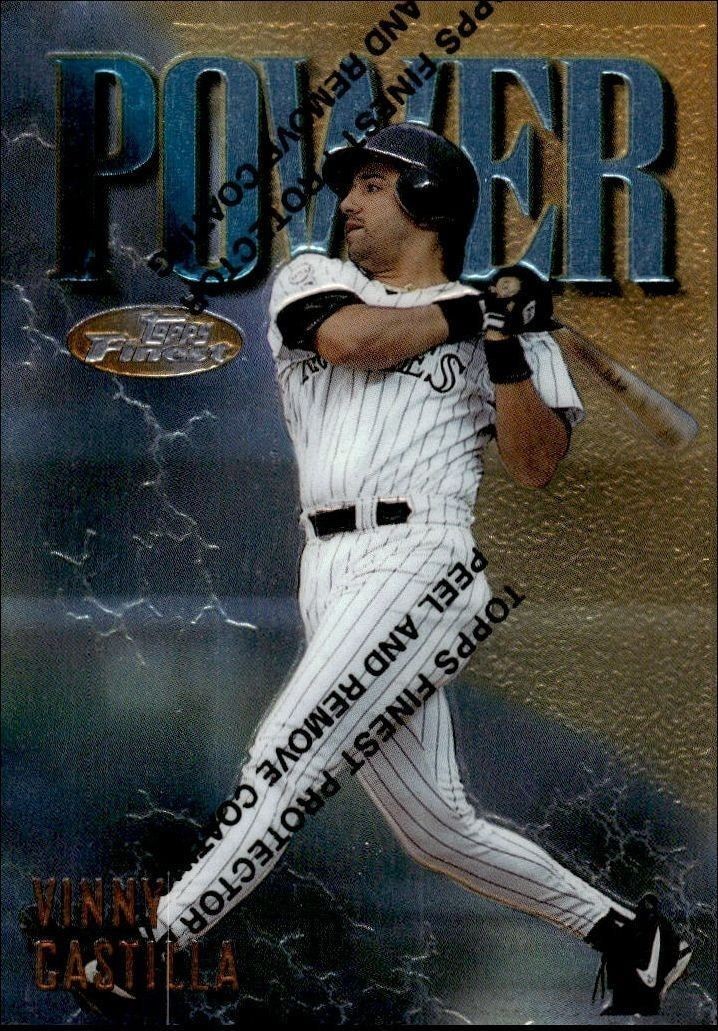
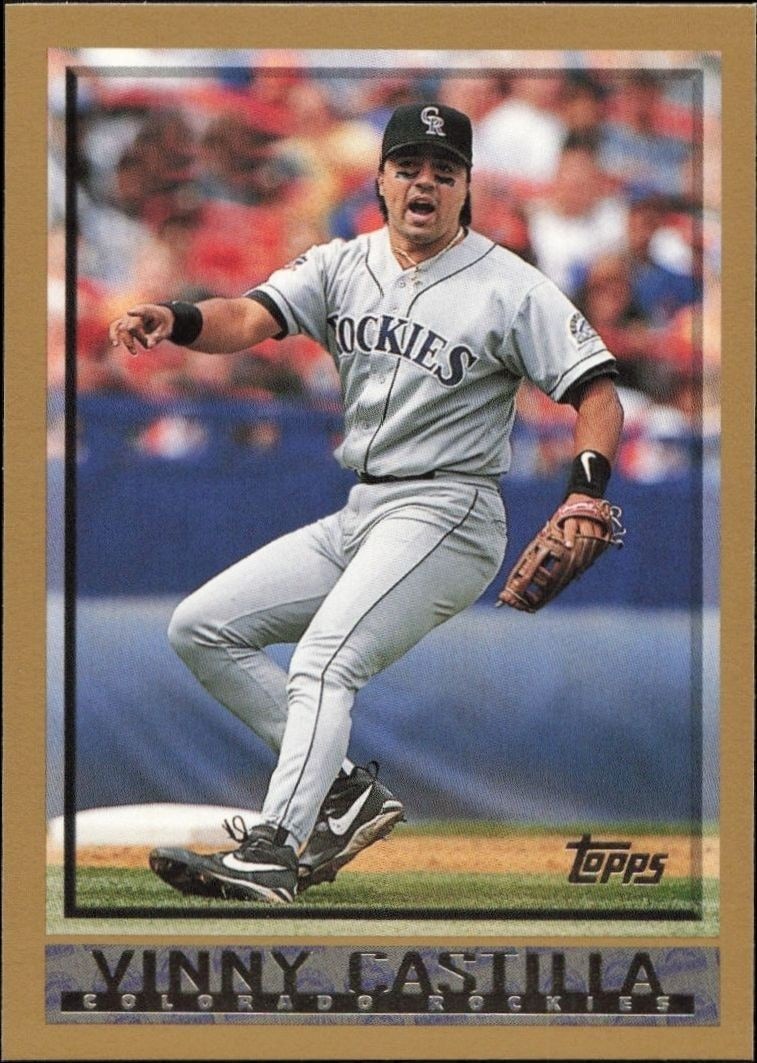


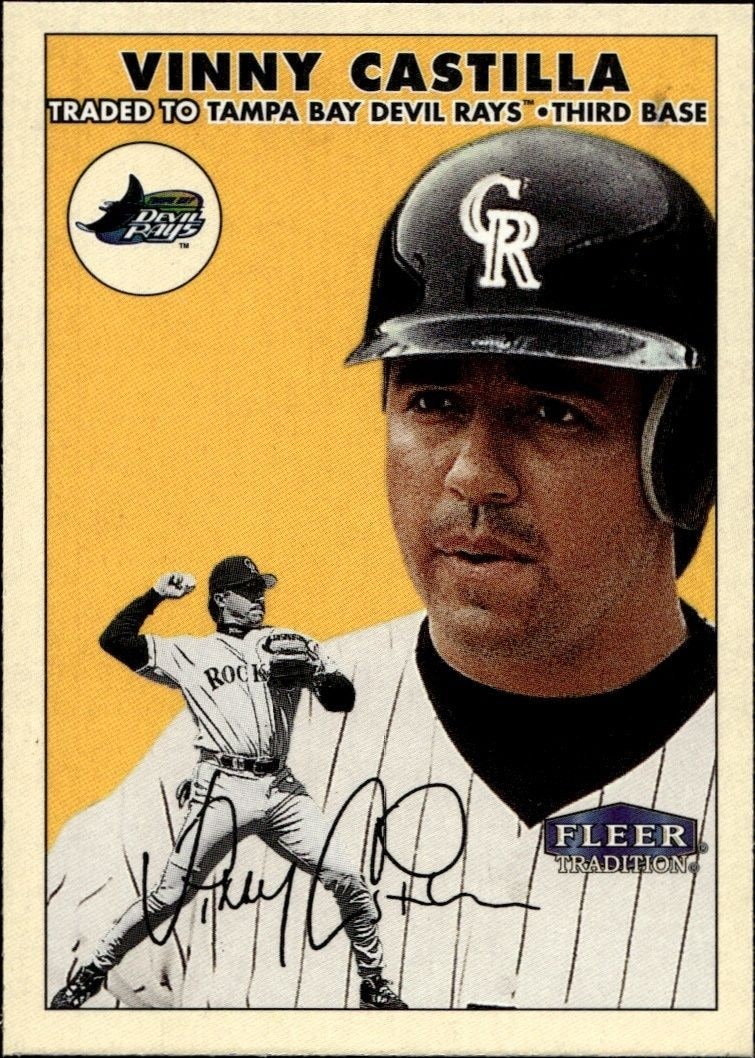
Explore the 1999 Pacific Paramount Vinny Castilla #80, a vintage baseball card featuring the Colorado Rockies star. This catalog page aggregates all available listings for this card number.
1999 • Pacific • Paramount
Major League Baseball • Colorado Rockies
Near Mint
80
New
Shipping Calculated at Checkout
Arrives in 5-7 daysEstimated delivery October 23, 2026 - October 25, 2026
Seller returns October 19, 2026.30-day Returns| Condition | Value | Source | Trend | Price Details |
|---|---|---|---|---|
$1.25As of 9/14/2026 | Asking Prices | |||
Raw / Ungraded
eBay Active Listings · Asking Prices evidence · captured Sep 15, 2026
History is building. At least two days of matching observations are needed to show a trend.
Each point is the last stored observation that day for this printing, condition, grader, autograph status and source. Gaps mean no observation; guide estimates and asking prices are not completed sales.The 1999 Pacific Paramount series remains a distinct chapter in late-90s sports card design, known for its bold aesthetic and high-gloss finishes that defined the era's collectible market. Vinny Castilla #80 serves as a key component for enthusiasts tracking the history of the Colorado Rockies during this period. As a member of one of the most potent offenses in MLB history, Castilla's presence on this card connects collectors to a specific moment in franchise lore. This card number, #80, features Castilla in his Rockies uniform, offering a straightforward yet impactful representation of the player's tenure in Denver. The card's layout and printing techniques are characteristic of Pacific's approach during the turn of the millennium, appealing to those who appreciate the tactile and visual qualities of pre-2000 manufacturing. For investors and hobbyists alike, this product represents a tangible link to the late-1990s baseball boom. The 1999 Pacific Paramount Vinny Castilla #80 is frequently referenced in discussions about vintage baseball cards from the 1999 season, a year that saw significant shifts in team dynamics and player performance. Whether you are building a comprehensive set of Rockies cards or focusing on specific players from the era, this card offers a concentrated piece of sports history. Understanding the context of the 1999 Pacific Paramount series helps collectors appreciate the nuances of this release, from its production values to its place in the broader timeline of baseball card collecting.
19 hours ago
We'll pre-fill the product details from this catalog entry, so your listing lands on this exact page. Just add photos of your copy, pick its condition, and set your price.
The catalog profile below summarizes the card identity, featured subject, and notable collectible traits.
The core identity of the card within the set.
The subject, team, league, and sport context tied to this card.
Production details and format-specific attributes.
Material
Card Stock
Language
English
Compare prices, grades, photos, and shipping from approved sellers.
New
Near Mint
See how many public collections currently include this card.
0 collectors have this card
This 1999 Pacific Paramount card represents a baseline entry point for Vinny Castilla collectors, reflecting its status as a standard issue from a high-volume production era. As a non-premium parallel or short-print variant, it trades at a modest tier relative to his more sought-after rookie or autographed memorabilia. The current active inventory suggests a stable but limited immediate market, typical for common base cards of players from this period.
The card carries no special scarcity attributes, as it is identified as a standard base issue without serial numbering or short-print designation. This lack of limiting mechanics means the supply is effectively determined by the original print run, which is generally high for base parallels in major sports sets. Consequently, the card does not benefit from the supply constraints that drive value in numbered or low-print variants.
Investment potential is primarily driven by bulk accumulation rather than individual appreciation, as base cards from the late 1990s typically see value erosion over time unless in pristine condition. Collector demand is likely niche, focusing on completing specific team or player sets rather than speculative growth. Long-term value retention depends on the overall health of the vintage baseball market and the preservation of the player's legacy among Rockies historians.
