
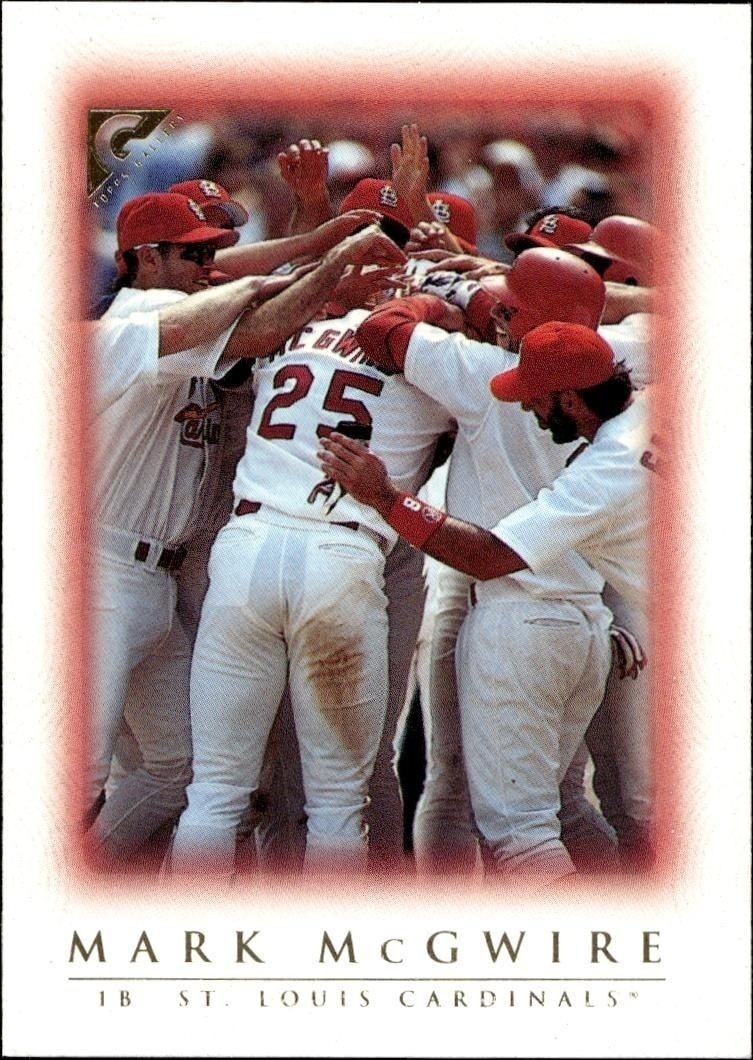
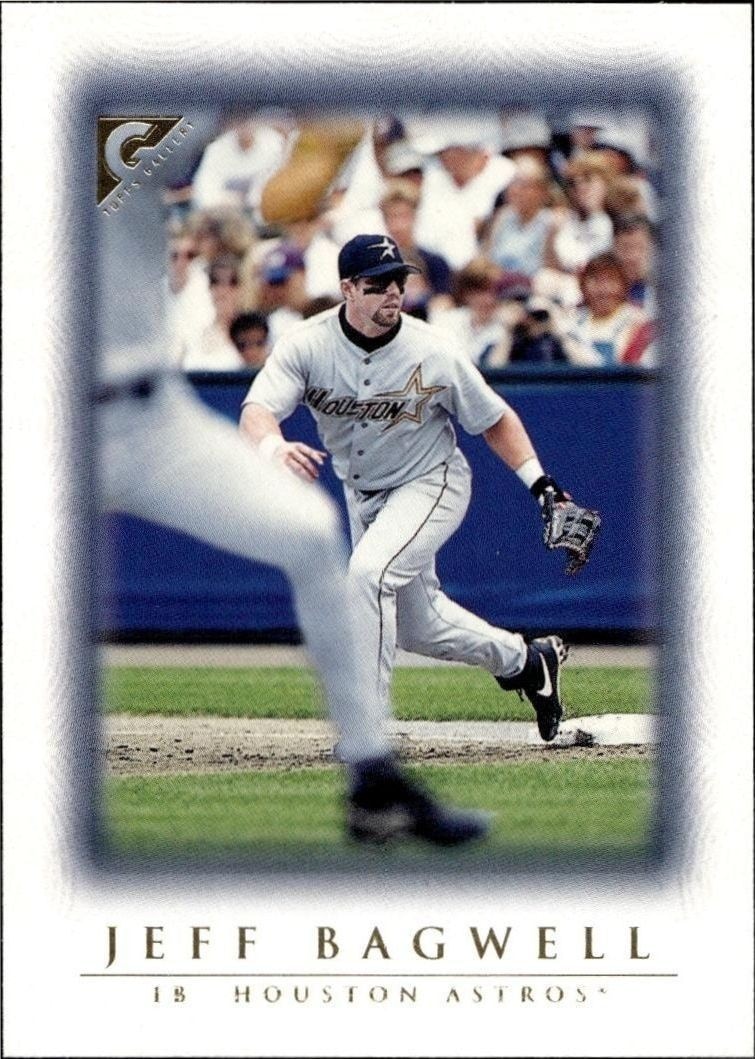
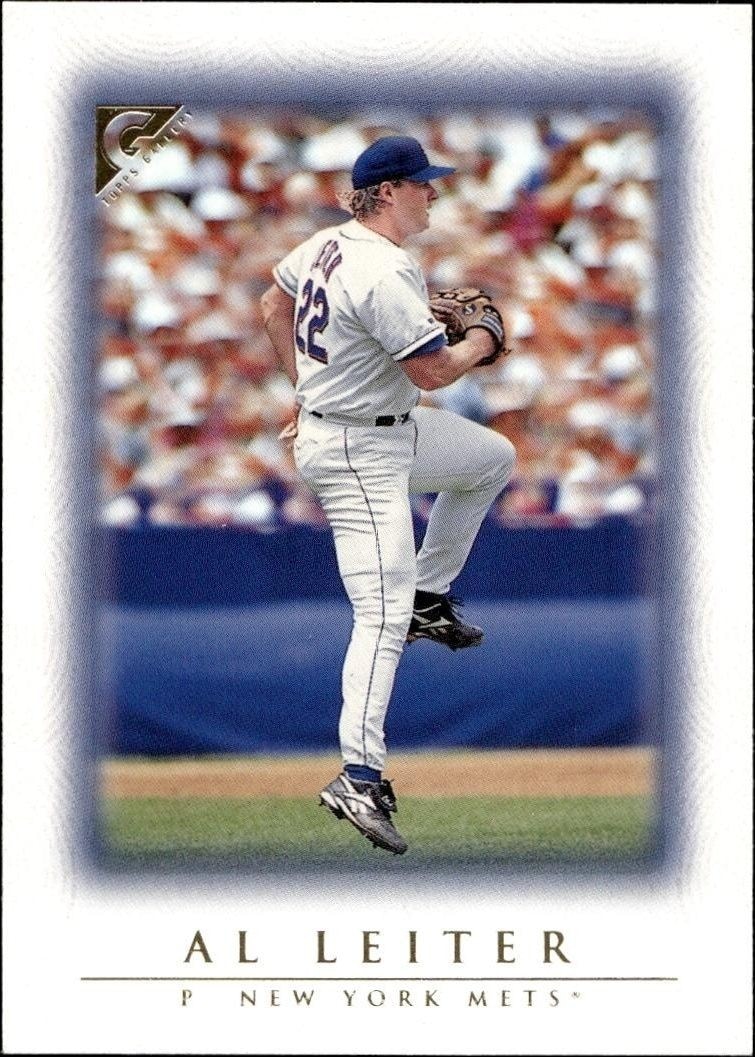
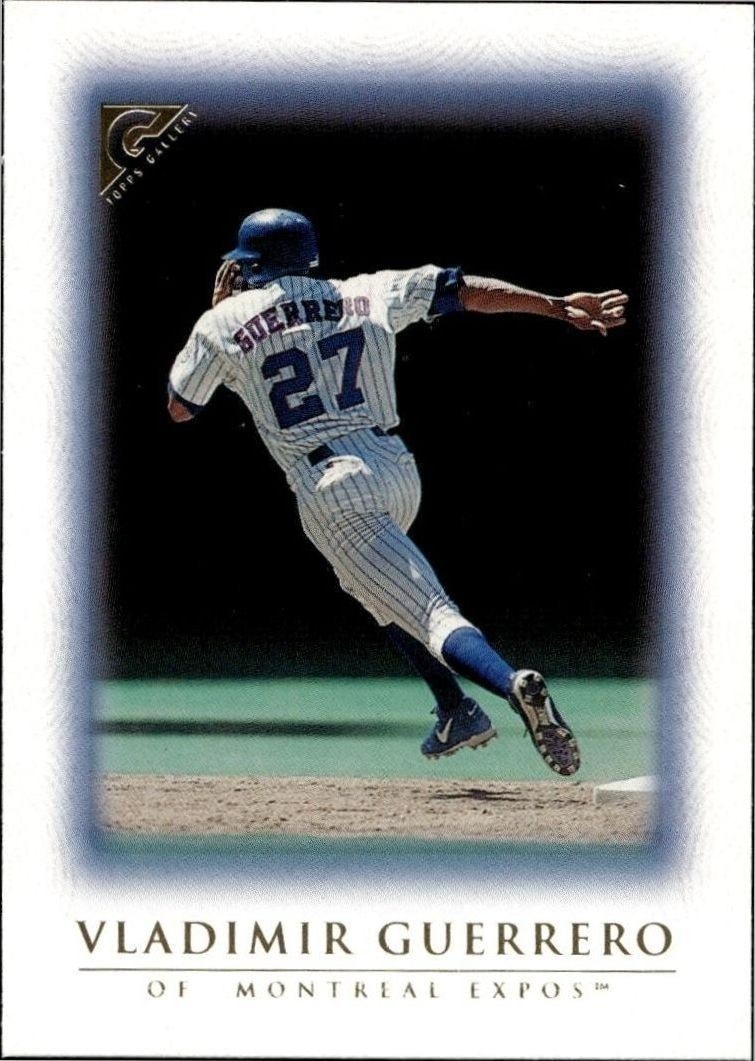
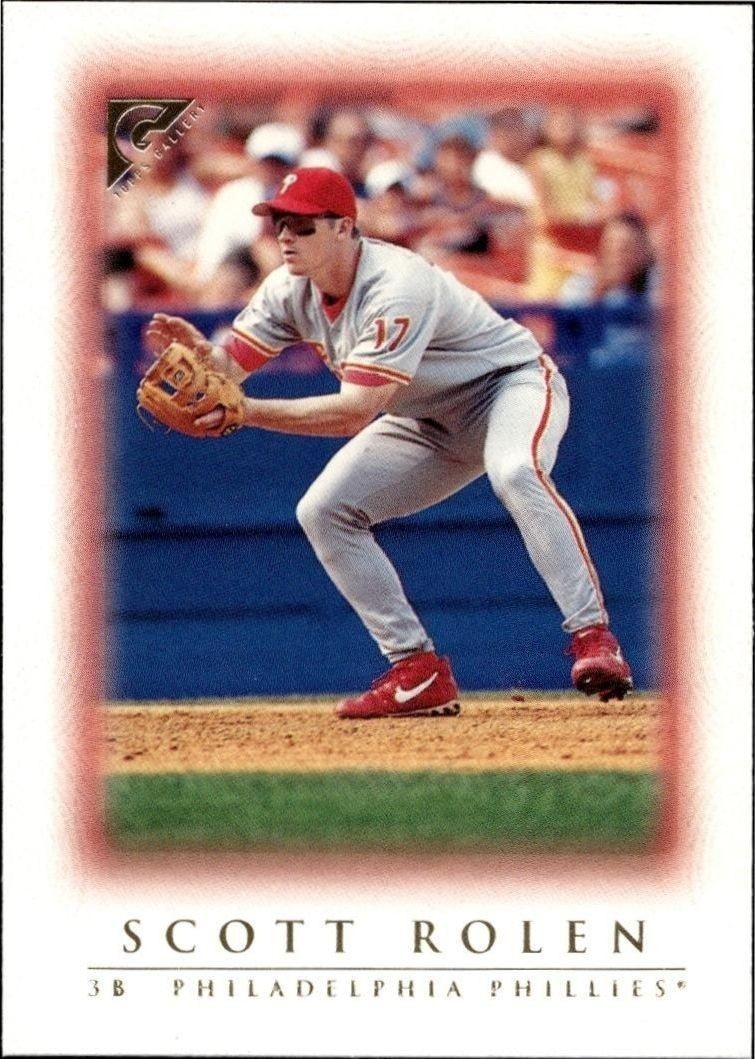

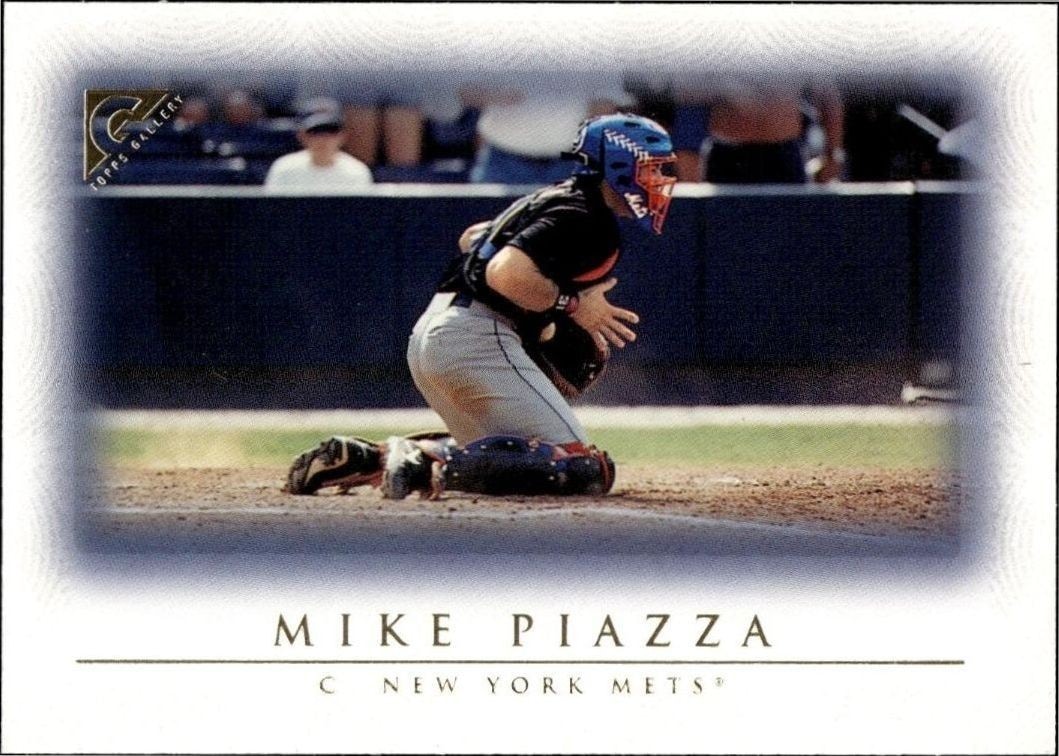
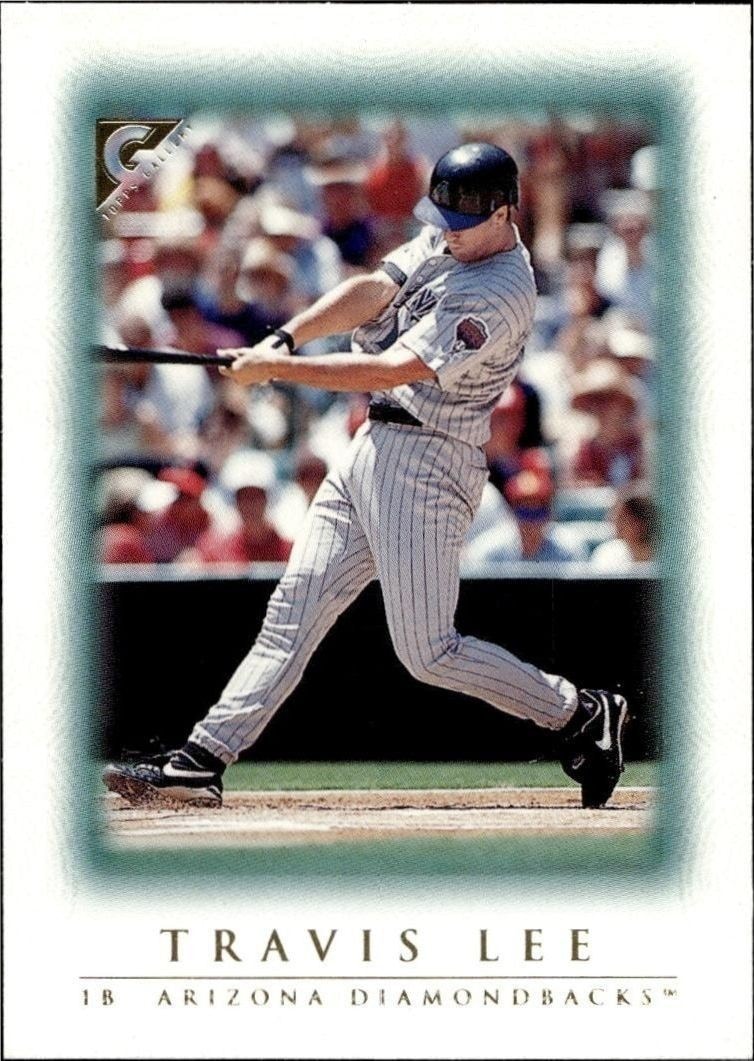
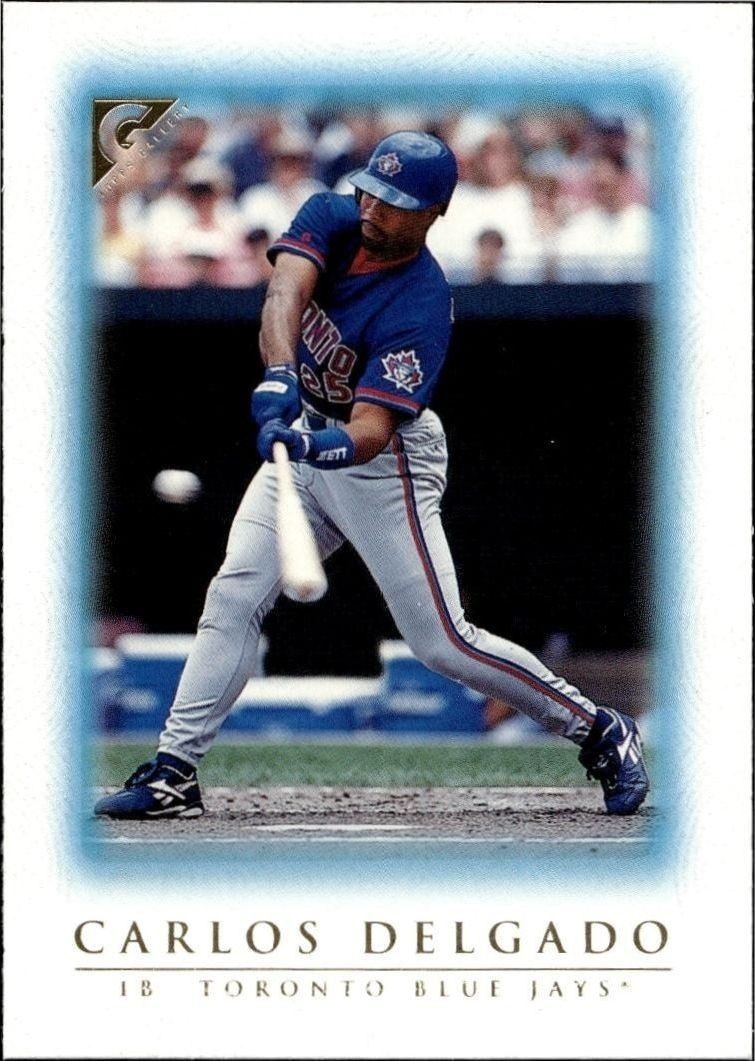


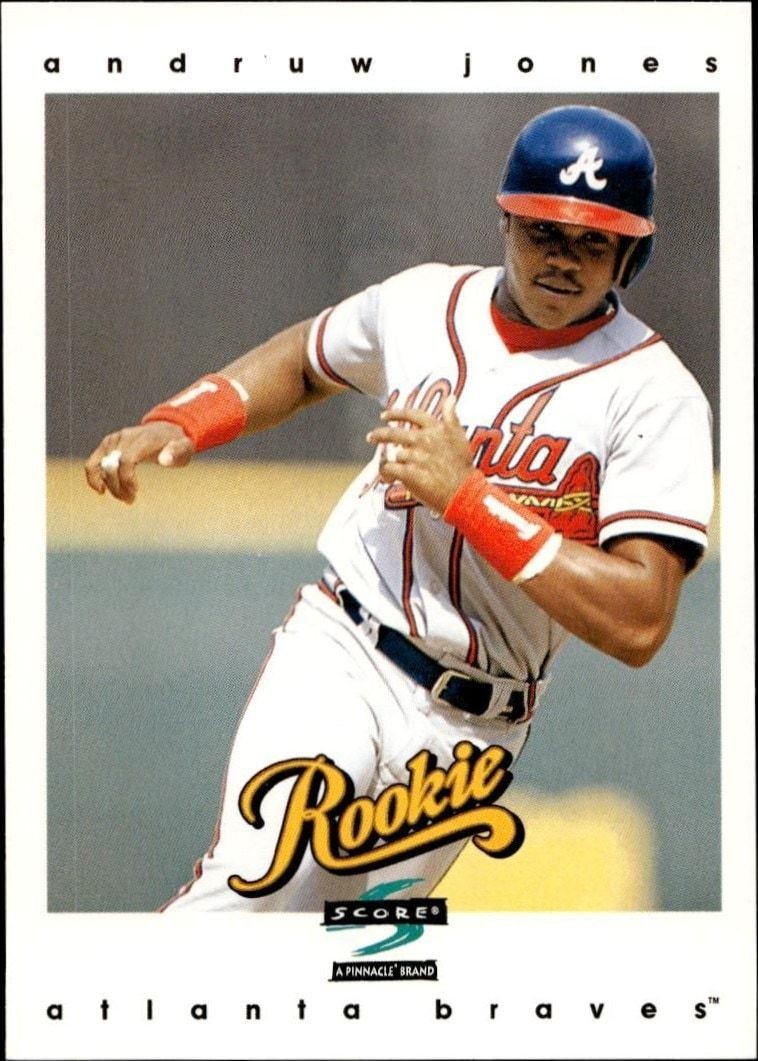

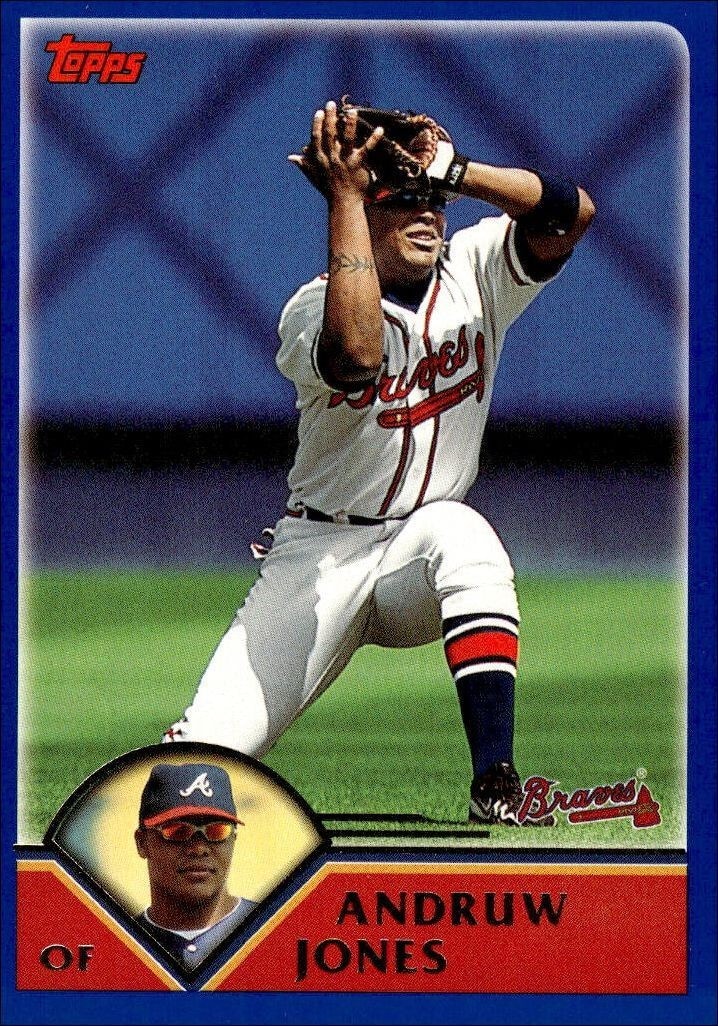


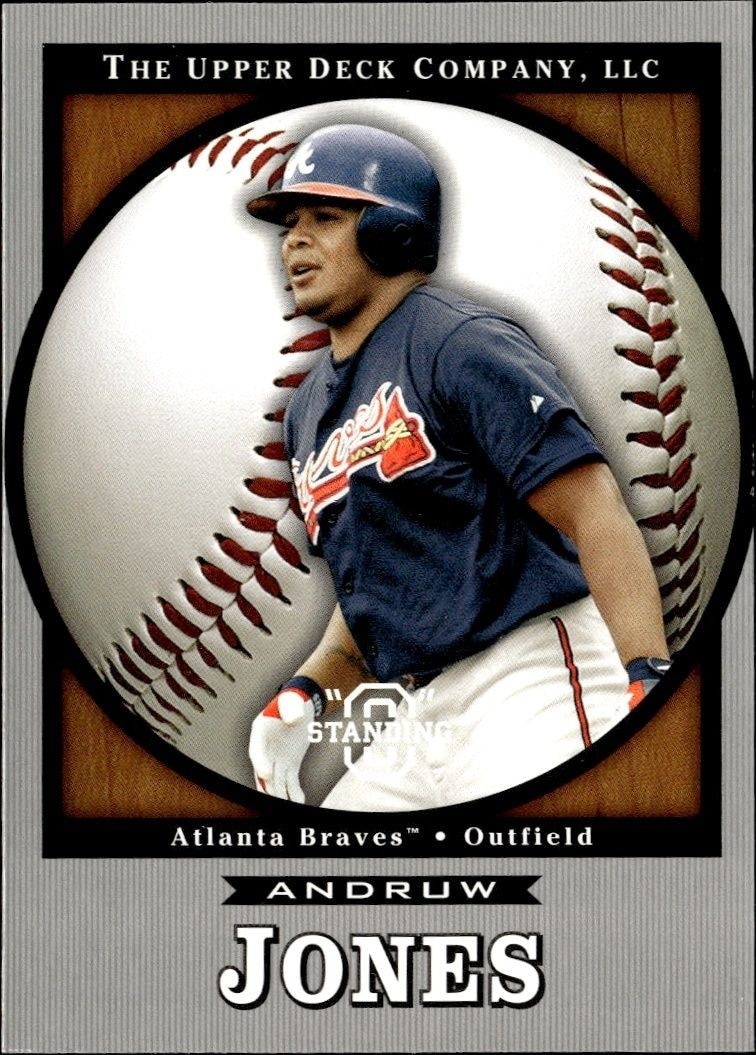
The 1999 Topps Gallery Andruw Jones #92 sports card captures the Atlanta Braves outfielder during a pivotal era in MLB history.
1999 • Topps • Gallery
Major League Baseball • Atlanta Braves
Near Mint
92
New
Shipping Calculated at Checkout
Arrives in 5-7 daysEstimated delivery October 23, 2026 - October 25, 2026
Seller returns October 19, 2026.30-day Returns| Condition | Value | Source | Trend | Price Details |
|---|---|---|---|---|
$1.00 | Guide Estimate | -37.5% | ||
$14.99 | Guide Estimate | 0% | ||
$16.00 | Guide Estimate | 0% | ||
$37.00 | Guide Estimate | 0% | ||
$17.00 | Guide Estimate | 0% | ||
$28.49 | Guide Estimate | 0% | ||
$17.00 | Guide Estimate | 0% | ||
Raw / Ungraded
PriceCharting Price Guide · Guide Estimate evidence · captured Oct 17, 2026
The 1999 Topps Gallery Andruw Jones #92 stands as a significant entry in the history of baseball trading cards. Released during the late 1990s, this card is part of the broader Topps brand lineup that has long served as a cornerstone for collectors of MLB memorabilia. The Atlanta Braves outfielder is featured prominently in this set, representing a time when the franchise was a dominant force in Major League Baseball. Collectors often seek out cards from the 1999 Topps Gallery series to complete their annual sets or to focus on specific players who made their mark during that decade. As card number 92 in the base set, it offers a standardized design element typical of the manufacturer's approach during this period. For investors and hobbyists alike, maintaining a cohesive collection of cards from this year provides a tangible connection to the sport's past. The appeal of this product lies in its historical context and the player's association with one of the most recognizable teams in the league. Andruw Jones was a key figure for the Braves, and his presence on this card adds depth to any collection focused on Atlanta Braves history or 1990s baseball. Whether you are building a comprehensive set or looking to add a piece to your player portfolio, this card represents a fundamental component of the 1999 Topps experience. By focusing on the identity of the card and its place within the Topps Gallery subset, collectors can appreciate the uniform design language that defines this release. It remains a popular choice for those who value the heritage of sports card collecting and the enduring legacy of the Atlanta Braves during this era.
15 hours ago
We'll pre-fill the product details from this catalog entry, so your listing lands on this exact page. Just add photos of your copy, pick its condition, and set your price.
The catalog profile below summarizes the card identity, featured subject, and notable collectible traits.
The core identity of the card within the set.
The subject, team, league, and sport context tied to this card.
Production details and format-specific attributes.
Material
Card Stock
Language
English
Compare prices, grades, photos, and shipping from approved sellers.
New
Near Mint
See how many public collections currently include this card.
0 collectors have this card
This 1999 Topps Gallery card of Andruw Jones trades at a modest tier relative to his more sought-after rookie issues, reflecting its status as a base set insert rather than a premier rookie card. While the card carries the visual appeal of the Gallery brand, it does not command the significant premiums associated with graded examples or high-serial numbered parallels found in the same product line. Its current positioning suggests it is accessible to casual collectors but lacks the scarcity drivers that typically elevate a player's card value to investment-grade levels.
As a standard issue within the 1999 Topps Gallery set, this card lacks special scarcity attributes such as serial numbering, short prints, or one-of-one designations that would artificially constrain supply. The absence of any noted parallel or refractor status means it exists in its highest possible supply tier within the product's hierarchy. Consequently, the rarity is purely defined by its age and condition survival rate rather than intentional production limits.
The investment potential is limited by the card's non-rookie status in a set that often serves as a complement to primary rookie releases, meaning collector demand is likely secondary to Jones' actual 1995 or 1996 rookie cards. Without serial numbering or special parallel treatments, the card relies entirely on general nostalgia for the Atlanta Braves era and Andruw Jones' defensive reputation to drive interest. Long-term value appreciation is unlikely to outpace broader market trends for ungraded base cards from this era unless condition scarcity becomes a significant factor.


