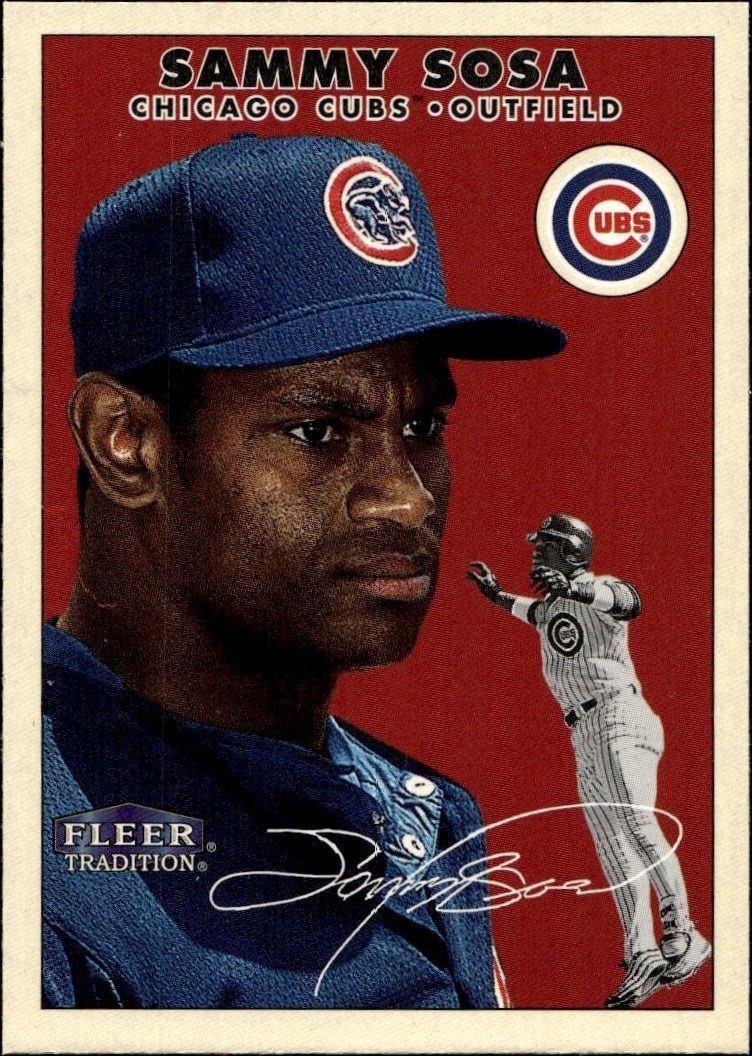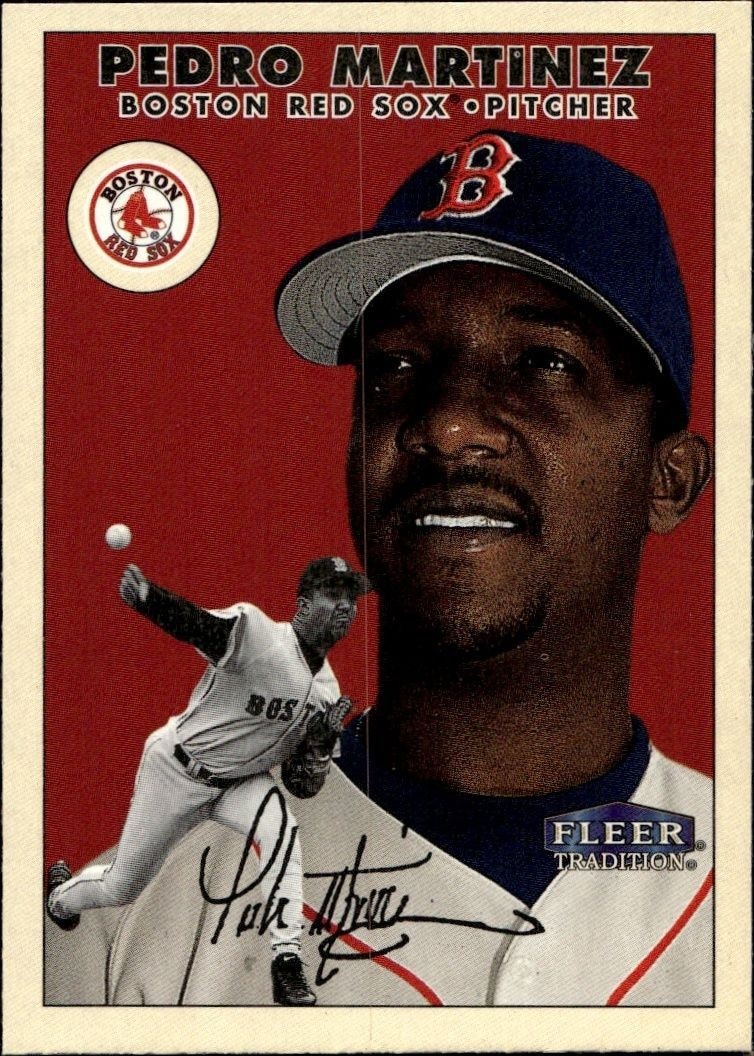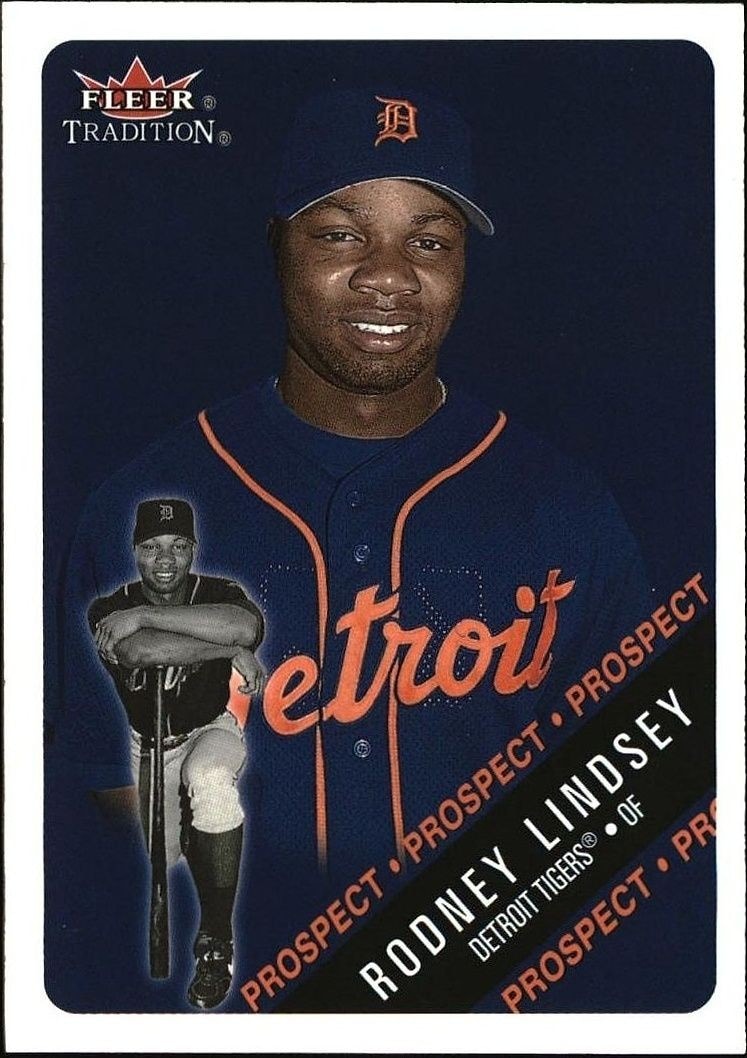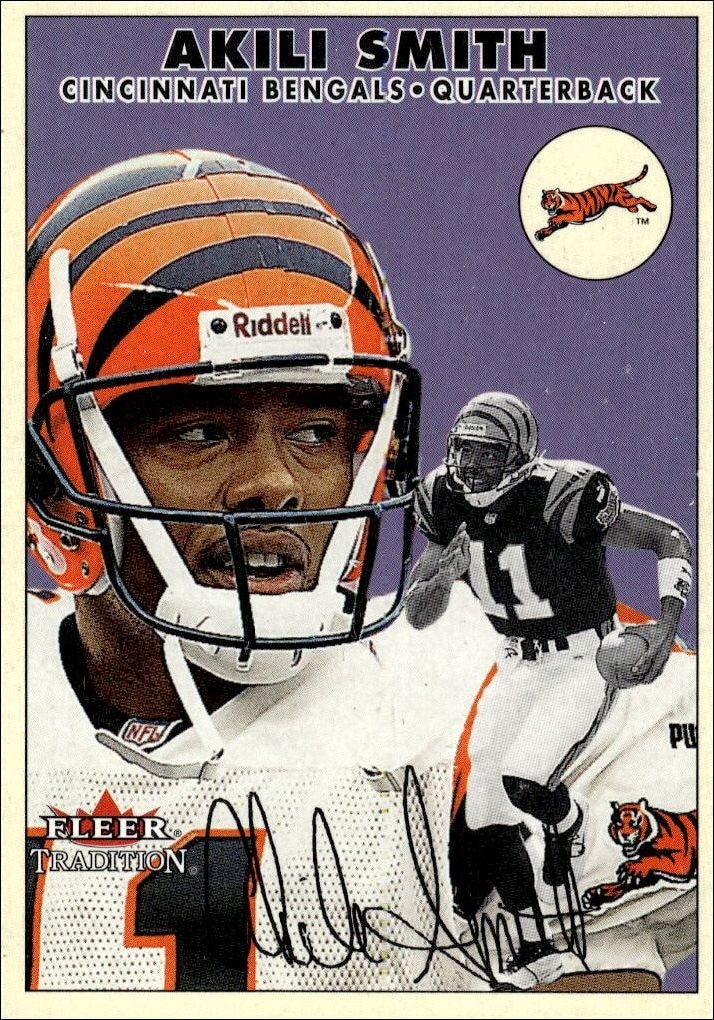
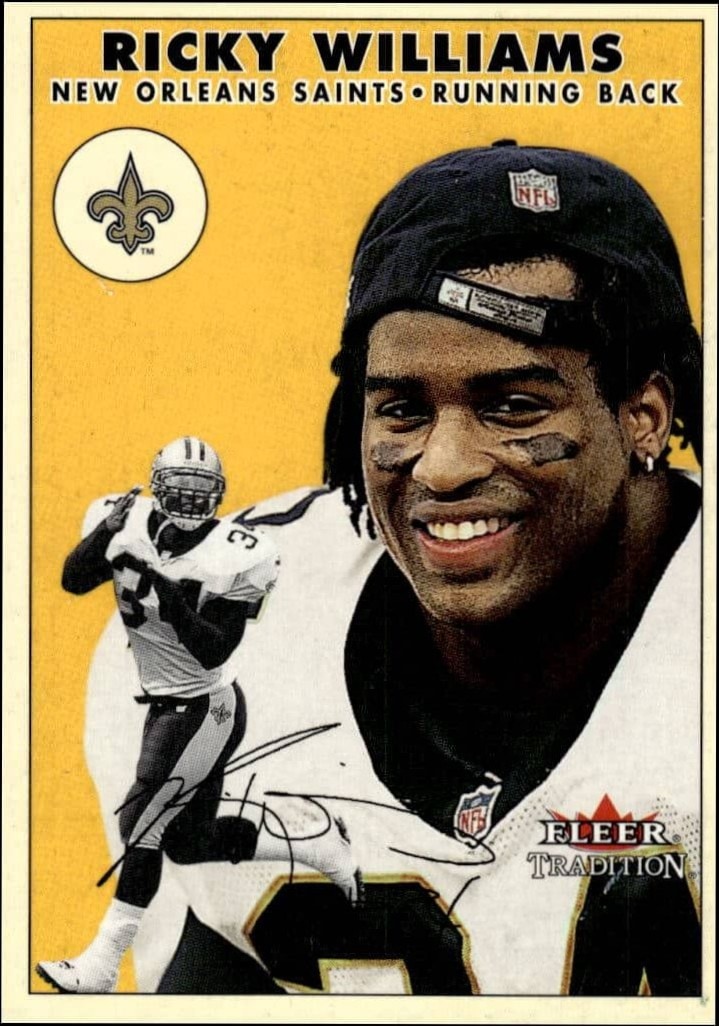
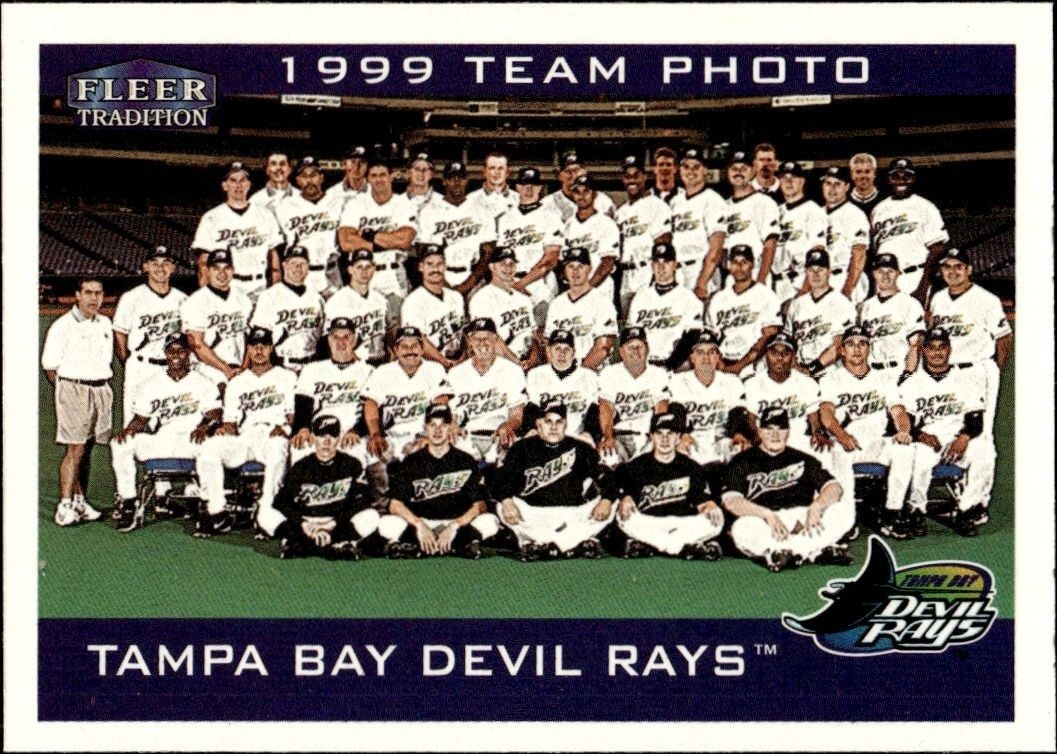
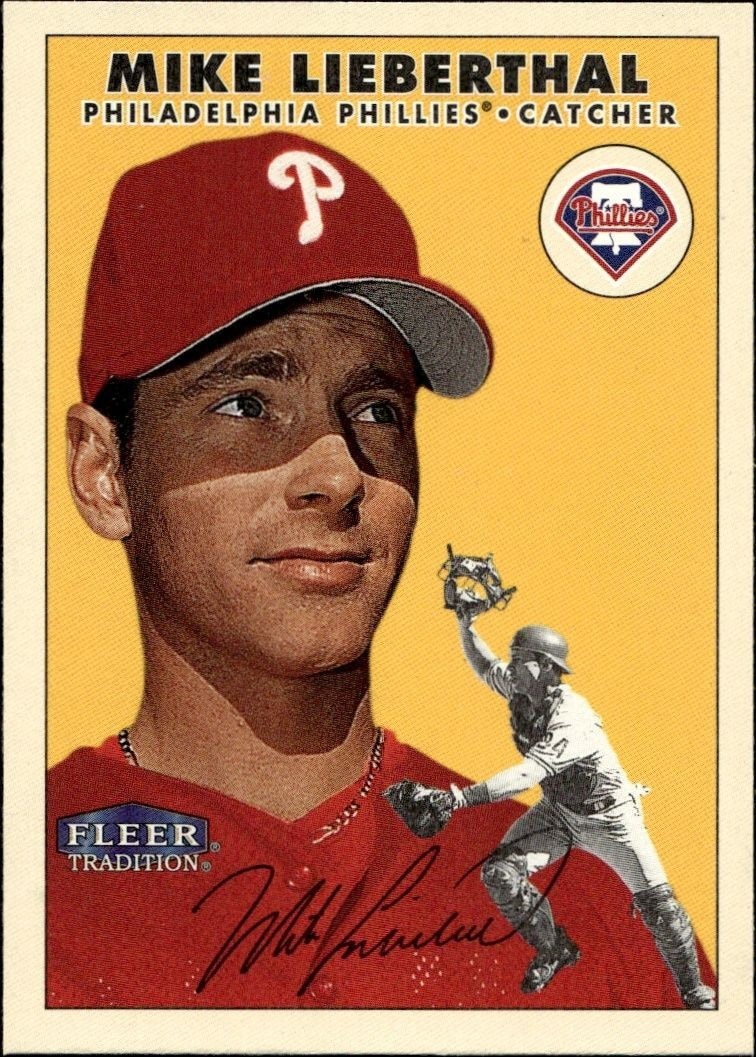
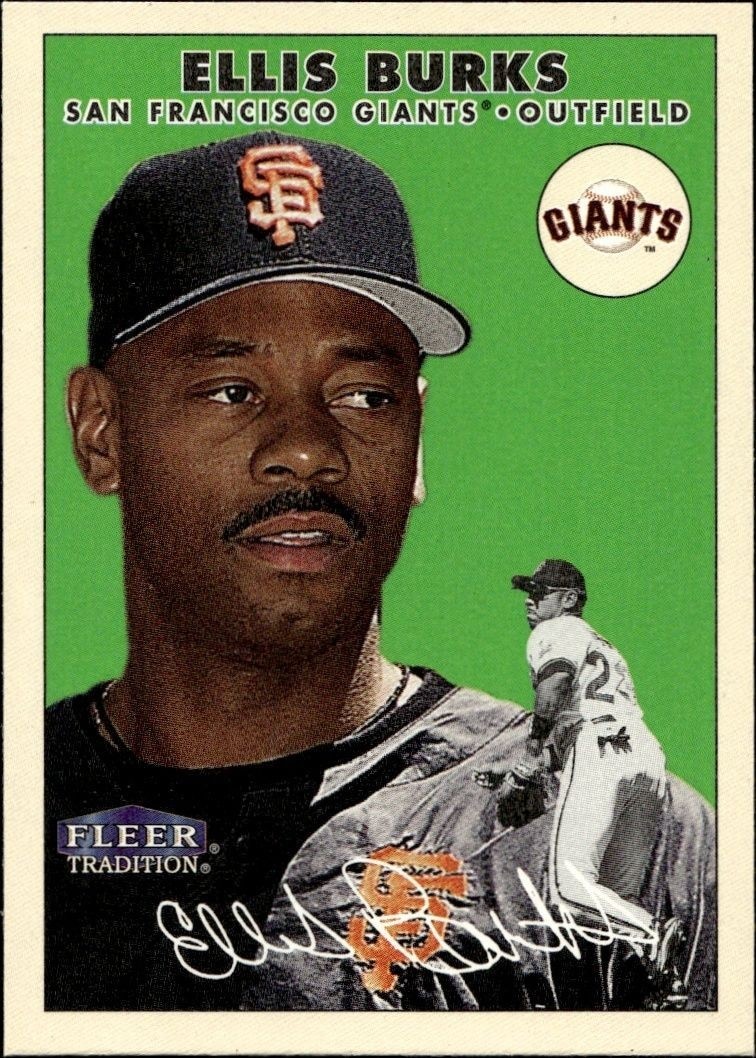
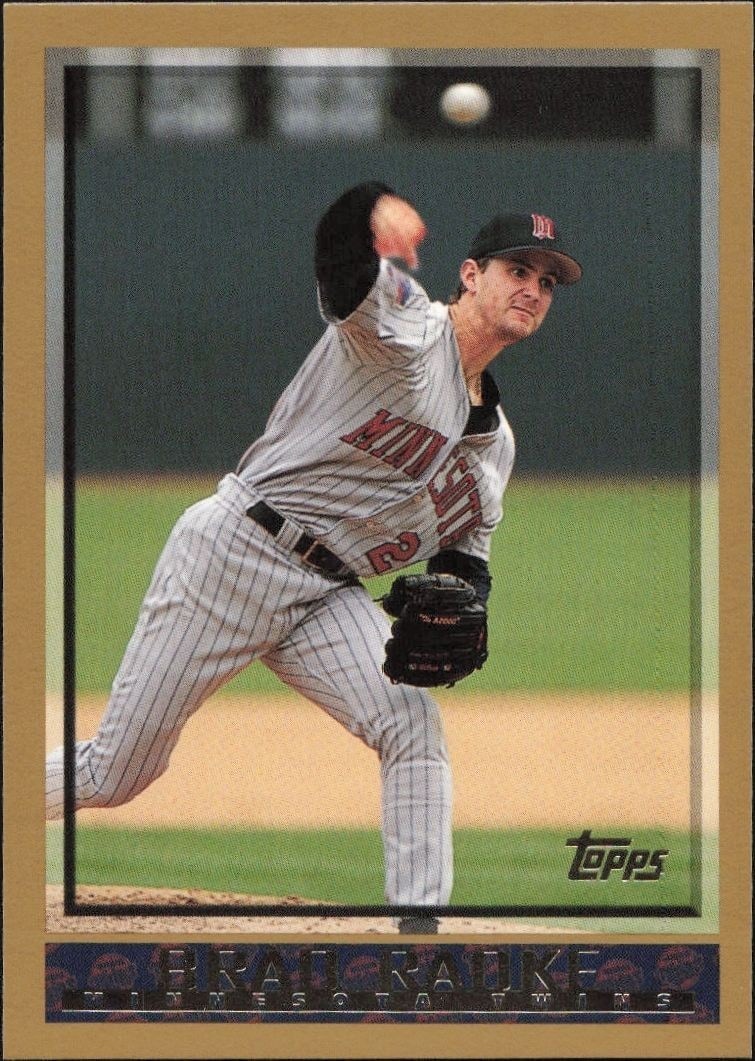

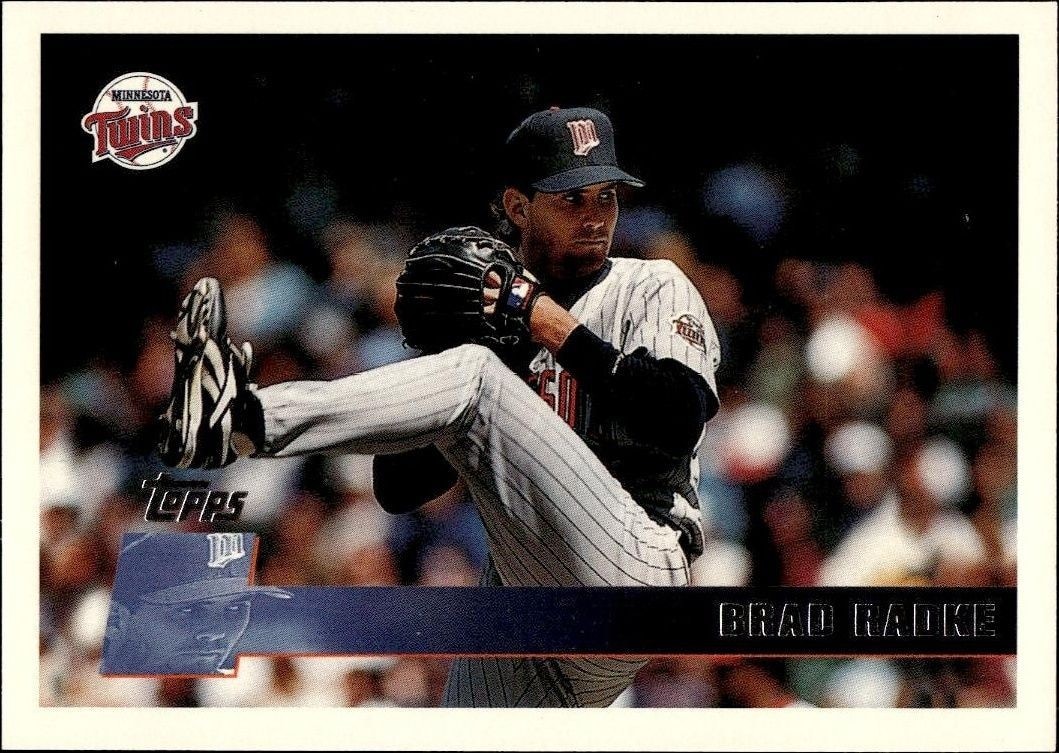
Find the 2000 Fleer Tradition #135 baseball card featuring Minnesota Twins pitcher Brad Radke. A definitive piece of early 2000s MLB history.
2000 • Fleer • Tradition Glossy
Major League Baseball • Minnesota Twins
Excellent
135
New
Shipping Calculated at Checkout
Arrives in 5-7 daysEstimated delivery October 23, 2026 - October 25, 2026
Seller returns October 19, 2026.30-day Returns| Condition | Value | Source | Trend | Price Details |
|---|---|---|---|---|
$0.11As of 9/29/2026 | Guide Estimate | |||
Raw / Ungraded
PriceCharting Price Guide · Guide Estimate evidence · captured Sep 29, 2026
History is building. At least two days of matching observations are needed to show a trend.
Each point is the last stored observation that day for this printing, condition, grader, autograph status and source. Gaps mean no observation; guide estimates and asking prices are not completed sales.The 2000 Fleer Tradition series remains a cornerstone for collectors who appreciate the design aesthetics of the early 2000s baseball card era. This release, card number 135, features Minnesota Twins starting pitcher Brad Radke, capturing his tenure during a pivotal period for the franchise. For enthusiasts of MLB history, this card serves as a tangible link to Radke’s consistent performance on the mound during that decade. Collecting from the Fleer Tradition line often appeals to those who value the clean, classic layout that defined the brand’s identity. The glossy finish of this parallel offers a distinct visual appeal compared to standard base cards, making it a notable addition for parallel hunters and set completers alike. As the years pass, cards from this era are increasingly sought after for their nostalgic value and the historical context they provide regarding the sport's recent past. Radke’s association with the Minnesota Twins adds another layer of interest for regional collectors and those tracking team history. Whether you are building a comprehensive collection of Twins memorabilia or focusing on high-quality examples from the 2000 season, this card represents a significant piece of that narrative. The enduring popularity of the Fleer Tradition brand ensures that this release continues to hold a prominent place in the collecting community, bridging the gap between vintage aesthetics and modern market trends. For those looking to preserve a piece of baseball’s recent history, this card offers a compelling entry point into the world of early 2000s sports collectibles.
11 hours ago
We'll pre-fill the product details from this catalog entry, so your listing lands on this exact page. Just add photos of your copy, pick its condition, and set your price.
The catalog profile below summarizes the card identity, featured subject, and notable collectible traits.
The core identity of the card within the set.
The subject, team, league, and sport context tied to this card.
Production details and format-specific attributes.
Material
Card Stock
Language
English
Compare prices, grades, photos, and shipping from approved sellers.
New
Excellent
See how many public collections currently include this card.
0 collectors have this card
As a base card from a mass-produced 2000 Fleer Tradition set, this item sits at the lowest tier of market value, reflecting its status as a common entry rather than a premium collectible. While Brad Radke holds significance as a long-time Minnesota Twins ace, the lack of any special parallels or insert designations means it trades well below the value of his rookie or autographed counterparts. The current pricing reflects a saturated supply typical of ungraded base cards from this era, offering minimal premium over raw market averages.
This card is a standard base issue within the Tradition Glossy series, meaning it carries no serial numbering, short-print status, or unique parallel attributes that would constrain its supply. Unlike limited-edition parallels or one-of-one artifacts, the production volume for this specific card type was high, resulting in abundant availability across the secondary market. The absence of special manufacturing techniques or exclusive distribution channels keeps its rarity profile identical to the most common cards in the set.
From an investment perspective, this card lacks the structural drivers for significant appreciation, as it does not benefit from rookie-card premiums, autograph authenticity, or low-number serializations. Collector demand for base cards from non-hall-of-fame players in mid-tier sets is generally limited to those seeking to complete specific set subsets, which caps potential upside. Long-term value retention is likely to remain stagnant unless the player achieves higher historical recognition or if the specific glossy finish gains niche aesthetic appeal among vintage set collectors.