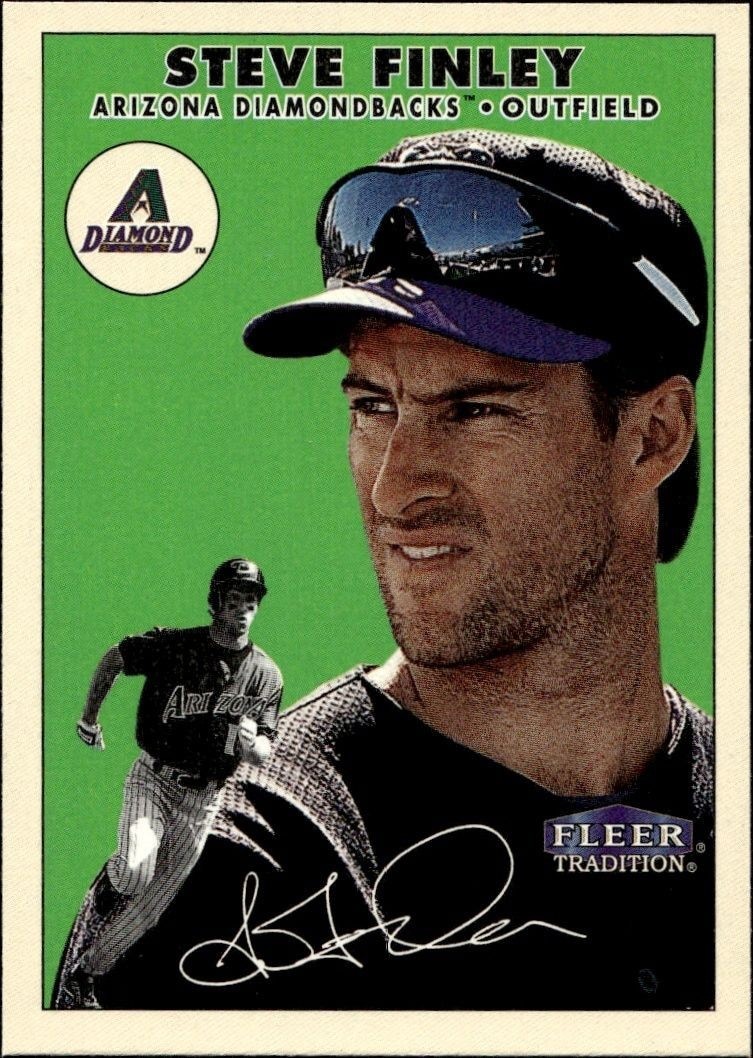

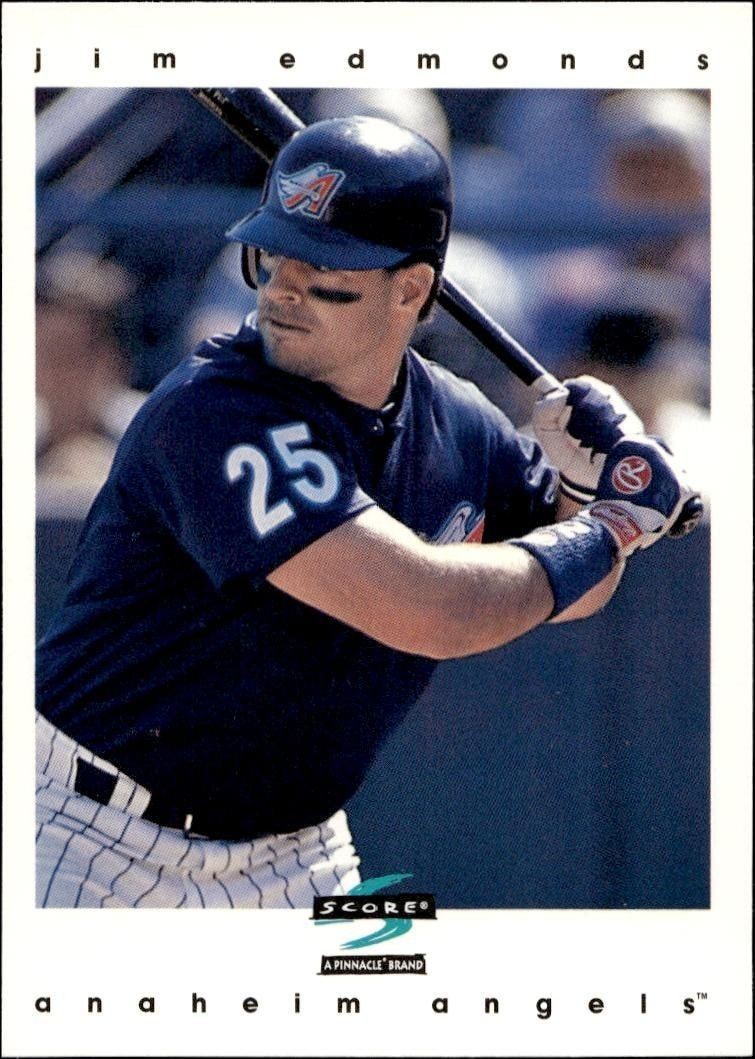

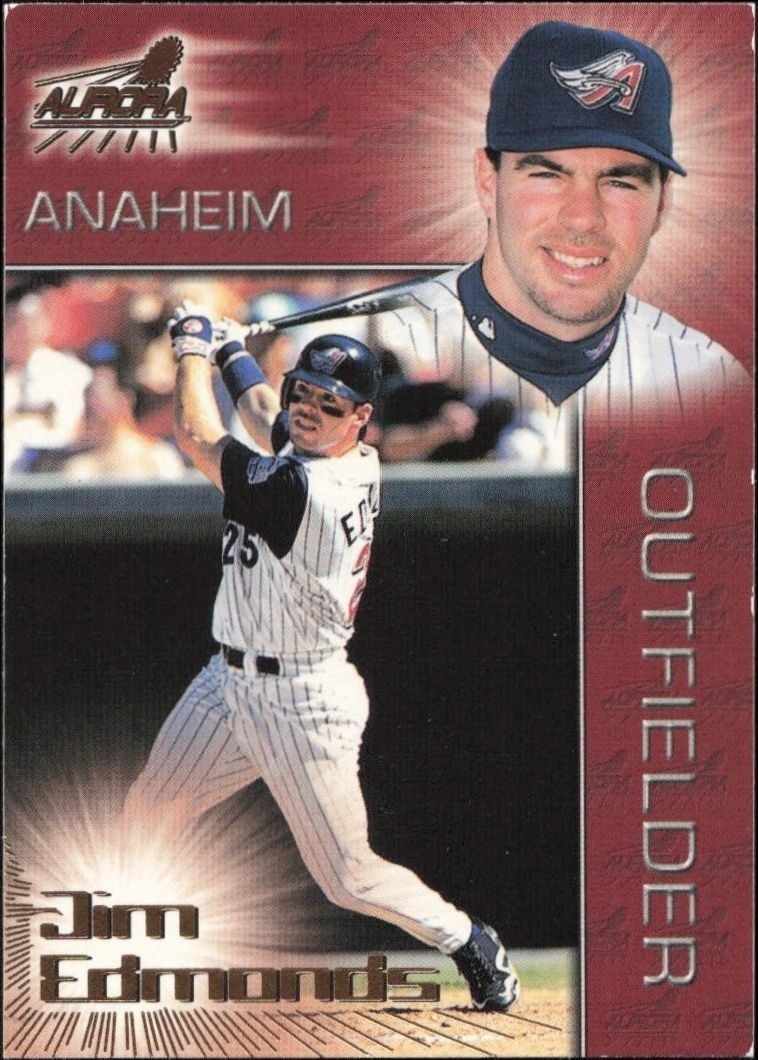
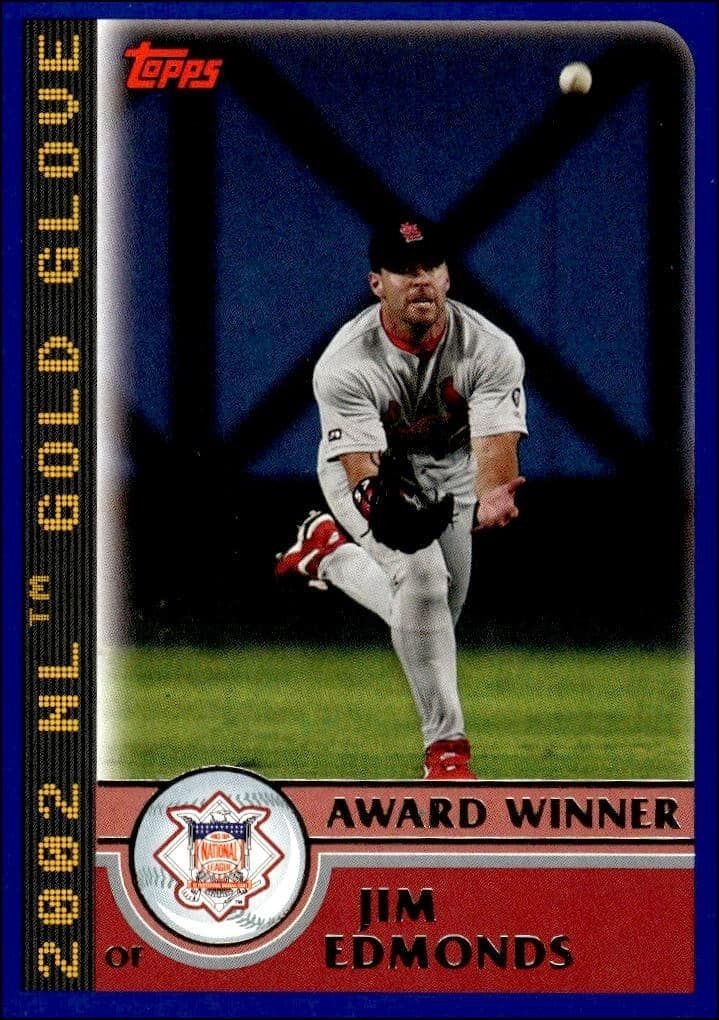

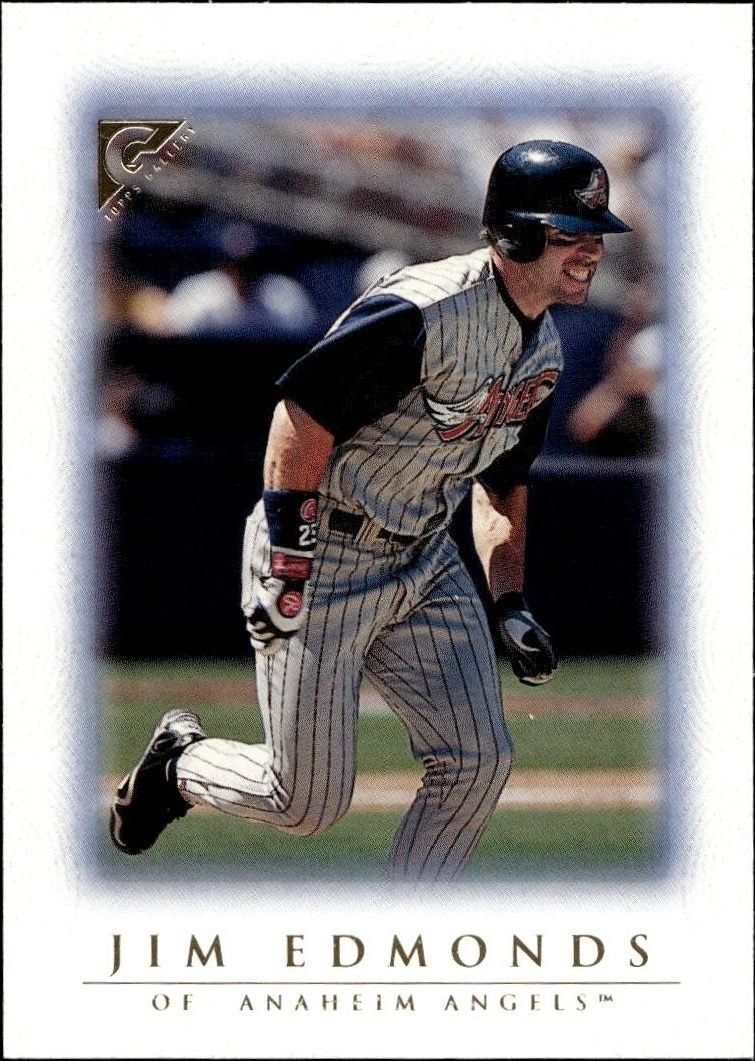
This 2000 Fleer Tradition baseball card features Jim Edmonds of the Los Angeles Angels. Identified as card number 71 in the series, it showcases the glossy finish characteristic of the Fleer brand.
2000 • Fleer • Tradition Glossy
Major League Baseball • Los Angeles Angels
Near Mint
71
New
Shipping Calculated at Checkout
Arrives in 5-7 daysEstimated delivery October 23, 2026 - October 25, 2026
Seller returns October 19, 2026.30-day Returns| Condition | Value | Source | Trend | Price Details |
|---|---|---|---|---|
$1.27As of 9/27/2026 | Guide Estimate | |||
Raw / Ungraded
PriceCharting Price Guide · Guide Estimate evidence · captured Sep 27, 2026
History is building. At least two days of matching observations are needed to show a trend.
Each point is the last stored observation that day for this printing, condition, grader, autograph status and source. Gaps mean no observation; guide estimates and asking prices are not completed sales.The 2000 Fleer Tradition series remains a staple for baseball card collectors seeking authentic representations of the early 2000s MLB landscape. This release, numbered 71, highlights Jim Edmonds during his tenure with the Los Angeles Angels. The card is part of the glossy variation within the Tradition line, offering a distinct visual texture that appeals to enthusiasts of the era's design aesthetics. Fleer Tradition was known for its clean, straightforward presentation, allowing the player imagery and team affiliation to take center stage. For collectors focusing on the Los Angeles Angels roster or those building comprehensive sets of the 2000 Fleer Tradition base cards, this Jim Edmonds card serves as a key component. The glossy finish provides a subtle sheen that differentiates it from other print runs, adding a tactile element to the collecting experience. Whether you are completing a set of 2000 Fleer Tradition cards or focusing on specific players like Jim Edmonds, this card offers a reliable addition to any collection. The consistent branding and high-quality production values of Fleer ensure that this piece stands out as a representative example of its time. Collectors often appreciate the historical context provided by cards from this period, capturing the essence of Major League Baseball during the turn of the millennium. By focusing on the catalog identity and historical significance, collectors can build their collections with confidence, knowing they are acquiring pieces that accurately represent the sport's history and the players who shaped it.
22 hours ago
We'll pre-fill the product details from this catalog entry, so your listing lands on this exact page. Just add photos of your copy, pick its condition, and set your price.
The catalog profile below summarizes the card identity, featured subject, and notable collectible traits.
The core identity of the card within the set.
The subject, team, league, and sport context tied to this card.
Production details and format-specific attributes.
Material
Card Stock
Language
English
Compare prices, grades, photos, and shipping from approved sellers.
New
Near Mint
See how many public collections currently include this card.
0 collectors have this card
This card represents a low-tier asset within Jim Edmonds' broader market, trading significantly below the premium commanded by his key rookie or major parallels. As a standard base card from a mass-produced set, it lacks the condition scarcity or grading premiums that elevate player value. The current pricing reflects its status as a common entry point rather than a centerpiece for serious investment portfolios.
The item possesses no special scarcity attributes, existing as a standard base card within the Fleer Tradition Glossy series. Without serial numbering, short-print designations, or parallel variations, the supply is effectively unlimited relative to collector demand. This lack of unique identifiers means the card trades strictly on the player's name rather than any intrinsic rarity mechanics.
As a non-rookie base card, this item lacks the primary demand drivers that typically fuel long-term appreciation in the baseball market. Collector interest is likely limited to those filling specific set requirements rather than seeking standalone value growth. Consequently, it serves more as a functional component for completists than as a vehicle for capital appreciation.