




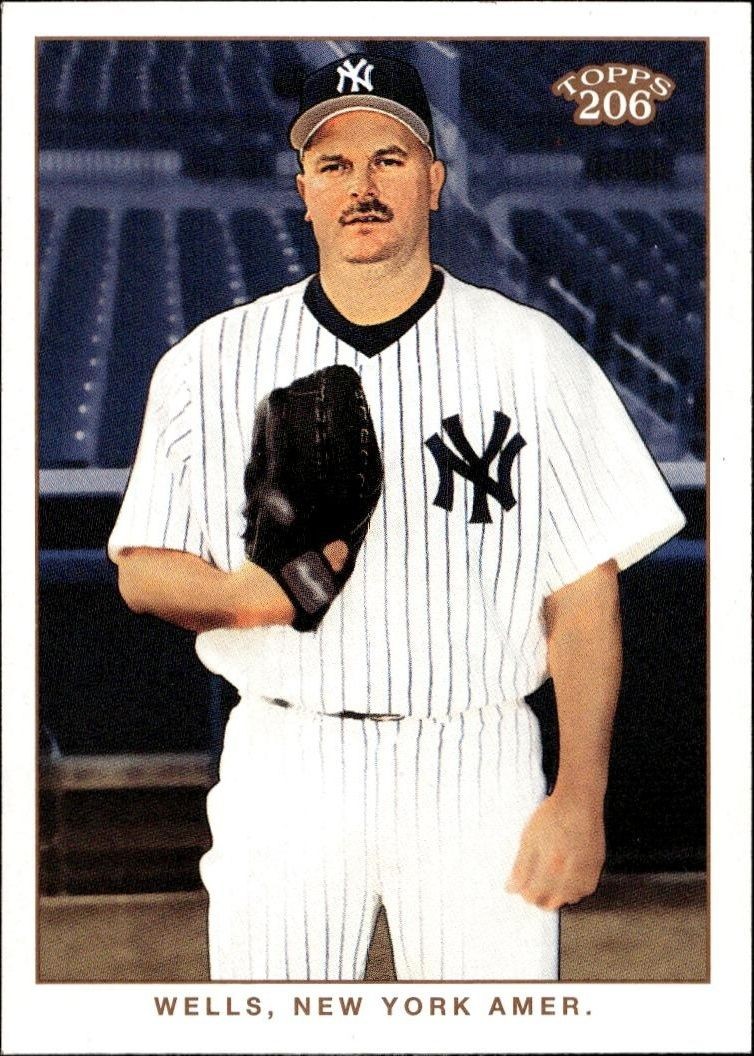







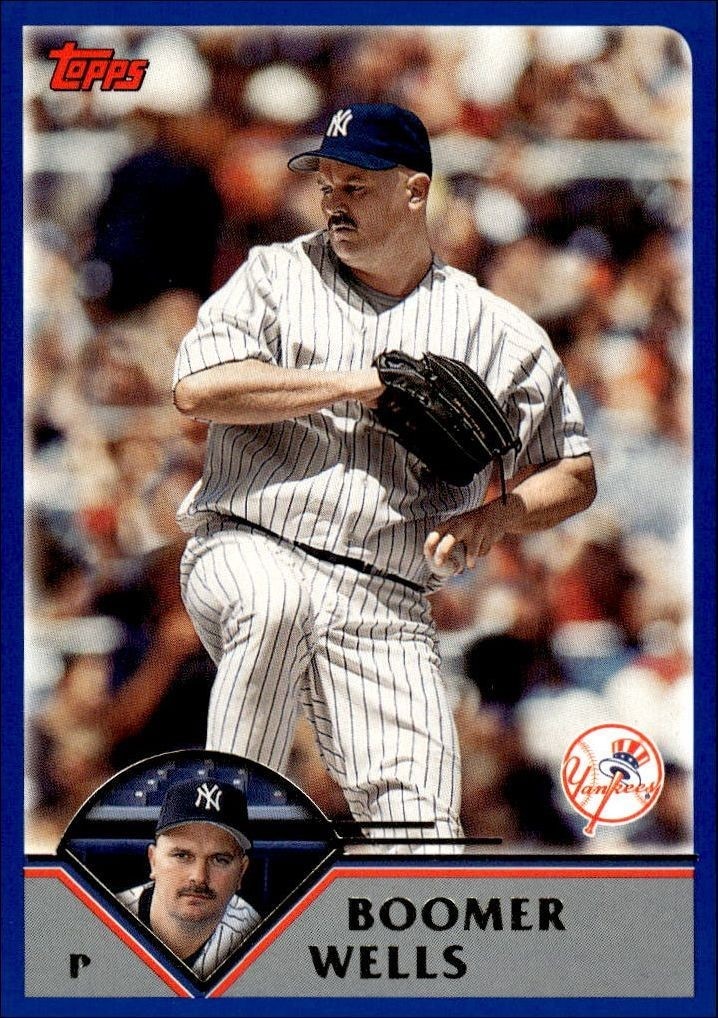

Collect the 2000 Upper Deck David Wells #256 baseball card, featuring the Toronto Blue Jays pitcher in a key vintage Upper Deck release.
2000 • Upper Deck
Major League Baseball • Toronto Blue Jays
Near Mint
256
New
Shipping Calculated at Checkout
Arrives in 5-7 daysEstimated delivery October 23, 2026 - October 25, 2026
Seller returns October 19, 2026.30-day Returns| Condition | Value | Source | Trend | Price Details |
|---|---|---|---|---|
$0.25 | Guide Estimate | 0% | ||
Raw / Ungraded
PriceCharting Price Guide · Guide Estimate evidence · captured Oct 17, 2026
The 2000 Upper Deck David Wells #256 baseball card captures the Toronto Blue Jays pitcher during a pivotal era of his Major League Baseball career. As a staple of the 2000 Upper Deck base set, this card offers collectors a tangible connection to the early 2000s MLB landscape. The design reflects the distinctive visual identity of Upper Deck during this period, providing a clean and recognizable presentation for fans of the sport. David Wells, known for his tenure with multiple franchises, brings significant historical weight to this product for Toronto Blue Jays collectors. The card serves as a fundamental piece for those assembling vintage baseball collections, particularly those focused on the late 1990s and early 2000s era. Upper Deck has long been respected for its production quality, and this release is no exception, offering a reliable addition to any sports card inventory. For investors and hobbyists, the 2000 Upper Deck set remains a popular target for completionists and those seeking to diversify their holdings with established names from the game. The #256 designation places Wells squarely within the base card run, making it an accessible yet meaningful entry point for new collectors entering the hobby. Whether you are tracking the career of David Wells or exploring the broader market for vintage baseball cards, this product represents a solid foundation for your collection. By focusing on the integrity and provenance of each item, we ensure that enthusiasts can build their collections with confidence. The 2000 Upper Deck David Wells #256 card is a testament to the enduring appeal of physical trading cards in a digital age, preserving the memories and milestones of MLB history for future generations.
17 hours ago
We'll pre-fill the product details from this catalog entry, so your listing lands on this exact page. Just add photos of your copy, pick its condition, and set your price.
The catalog profile below summarizes the card identity, featured subject, and notable collectible traits.
The subject, team, league, and sport context tied to this card.
Production details and format-specific attributes.
Material
Card Stock
Language
English
Compare prices, grades, photos, and shipping from approved sellers.
New
Near Mint
See how many public collections currently include this card.
0 collectors have this card
This 2000 Upper Deck David Wells card represents a standard base-level asset, currently trading at a modest entry point that reflects its status as a non-premium parallel. As a Blue Jays player from the turn of the millennium, it holds nostalgic value but lacks the specialized scarcity commands a higher price tier. The current market positioning suggests it is accessible to casual collectors seeking affordable team-specific inventory rather than high-end investors.
The item possesses no special attributes, serial numbering, or short-print designations, meaning it is a mass-produced base card with an effectively unlimited supply relative to collector demand. Without parallel variations or limited edition mechanics, the scarcity is determined solely by the general print run of the 2000 Upper Deck set. This lack of exclusive features keeps the card within the common category of the hobby's hierarchy.
As a standard base card from the year 2000, this item does not benefit from rookie-card premiums or specialized parallel mechanics that typically drive long-term appreciation. Demand is likely limited to niche collectors focusing on specific seasons or teams rather than broad market speculation. While it serves as a cost-effective way to build a team set, it lacks the distinct collector drivers necessary for significant value growth.