


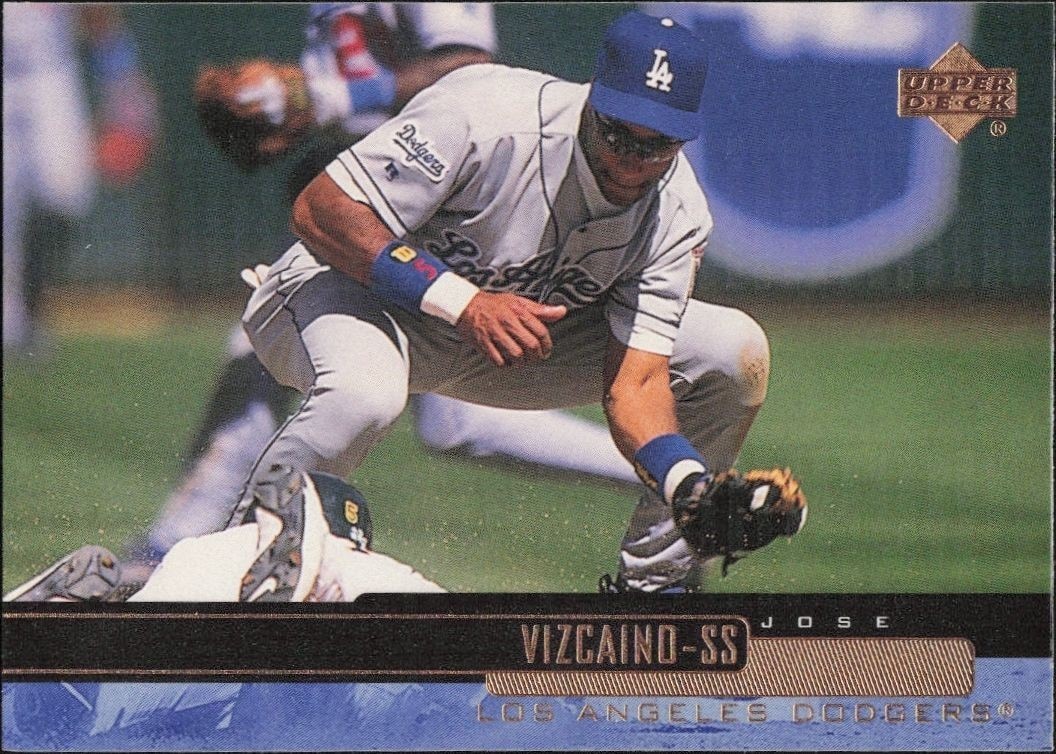

The 2000 Upper Deck Jason LaRue #89 baseball card features the Cincinnati Reds player in this classic Upper Deck release. A staple for collectors building comprehensive sets.
2000 • Upper Deck
Major League Baseball • Cincinnati Reds
Near Mint
89
New
Shipping Calculated at Checkout
Arrives in 5-7 daysEstimated delivery October 23, 2026 - October 25, 2026
Seller returns October 19, 2026.30-day Returns| Condition | Value | Source | Trend | Price Details |
|---|---|---|---|---|
$2.86 | Guide Estimate | 0% | ||
Raw / Ungraded
PriceCharting Price Guide · Guide Estimate evidence · captured Oct 12, 2026
The 2000 Upper Deck Jason LaRue #89 baseball card represents a specific entry in the Upper Deck catalog for the Cincinnati Reds player. Released during the 2000 season, this sports card is part of a widely recognized brand in the trading card industry. Collectors often seek out cards from this era to complete their sets or to focus on specific athletes from that time. Jason LaRue’s inclusion in the 2000 Upper Deck series offers a snapshot of his career with the Cincinnati Reds. The card, numbered 89, is a standard component of the base set, making it a fundamental piece for those assembling a full collection. Upper Deck has long been a trusted manufacturer in the baseball card market, known for producing high-quality products that capture the essence of the game. For investors and hobbyists, the 2000 Upper Deck Jason LaRue #89 card serves as a tangible connection to a specific period in baseball history. While the market for vintage cards fluctuates, cards from the late 1990s and early 2000s maintain a steady interest among collectors. The Upper Deck brand continues to be a significant player in this space, with many collectors valuing the consistency and recognition of their releases. Whether you are looking to add to an existing collection or start a new one focused on the Cincinnati Reds, this card provides a solid addition. The 2000 Upper Deck Jason LaRue #89 card is a versatile item that appeals to both casual fans and serious enthusiasts. As you explore the world of baseball card collecting, items like this one offer a glimpse into the past and a potential opportunity for long-term value.
15 hours ago
We'll pre-fill the product details from this catalog entry, so your listing lands on this exact page. Just add photos of your copy, pick its condition, and set your price.
The catalog profile below summarizes the card identity, featured subject, and notable collectible traits.
The subject, team, league, and sport context tied to this card.
Production details and format-specific attributes.
Material
Card Stock
Language
English
Compare prices, grades, photos, and shipping from approved sellers.
New
Near Mint
See how many public collections currently include this card.
0 collectors have this card
This card represents a lower-tier entry point within the broader Upper Deck 2000 baseball set, reflecting its status as a standard base card for a role player. While Jason LaRue holds specific historical interest for Cincinnati Reds collectors, the lack of special attributes keeps its valuation modest compared to star parallels or rookie cards. The current market presence suggests a stable, albeit low, demand typical of non-premium inserts from this era.
As a standard base card with no noted serial numbering, short-print status, or parallel variations, this item benefits from a widely available supply chain. The absence of unique scarcity mechanics means it does not command a rarity premium, relying instead on general set completion demand. Its availability is determined by standard print runs rather than limited edition constraints, making it accessible to casual completists.
The investment potential is limited by the card's position in the product hierarchy, lacking the rookie-card premium or high-demand parallel status that typically drives appreciation. While it serves as a functional component for complete set builders, it lacks the distinct collector drivers necessary for significant value growth. Long-term outlook remains flat, tied closely to the general stability of early 2000s baseball card markets rather than individual player performance metrics.