






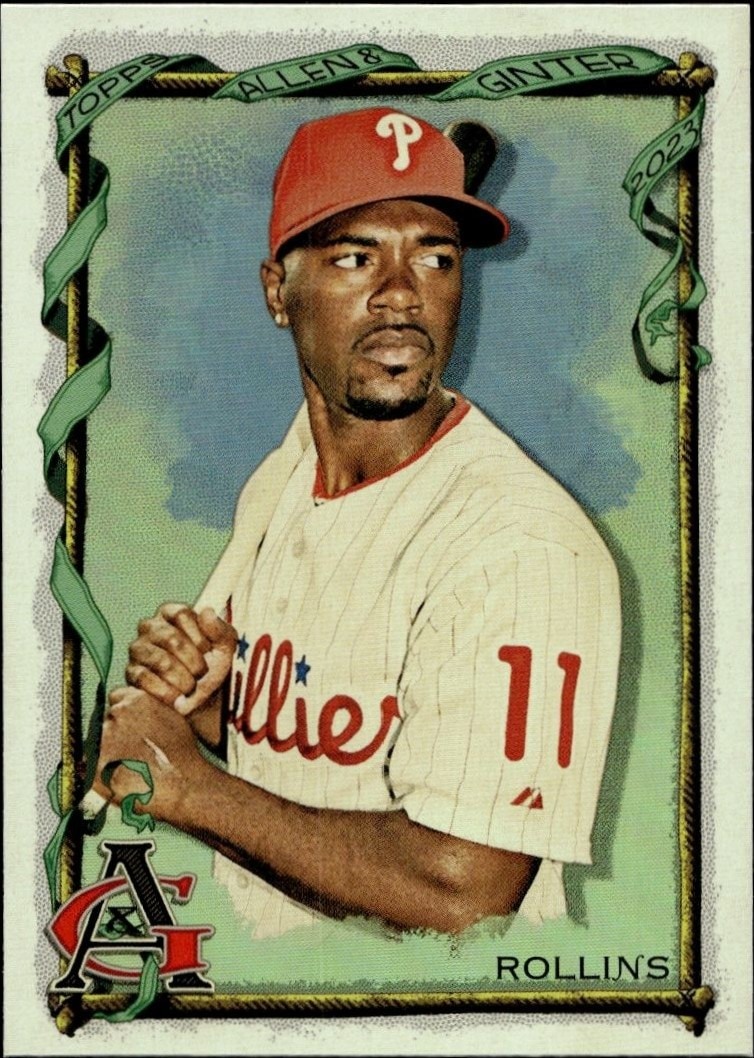


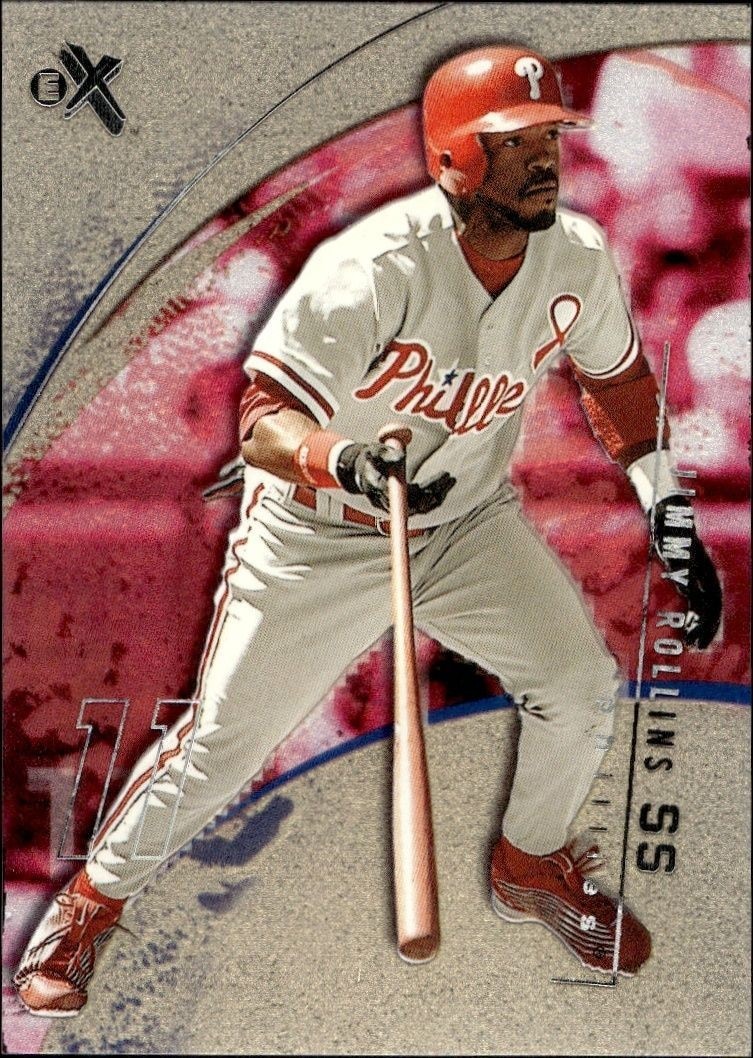

Explore the 2002 Topps Heritage #30 Jimmy Rollins baseball card, featuring the future Philadelphia Phillies icon in a vintage-inspired design.
2002 • Topps • Heritage
Major League Baseball • Philadelphia Phillies
Near Mint
30
This seller is currently on vacation and expects to return by 10/19/2026.
New
Shipping Calculated at Checkout
Arrives in 13-15 daysEstimated delivery October 22, 2026 - October 24, 2026
Seller returns October 19, 2026.30-day Returns| Condition | Value | Source | Trend | Price Details |
|---|---|---|---|---|
$0.99 | Asking Prices | |||
Raw / Ungraded
eBay Active Listings · Asking Prices evidence · captured Sep 27, 2026
History is building. At least two days of matching observations are needed to show a trend.
Each point is the last stored observation that day for this printing, condition, grader, autograph status and source. Gaps mean no observation; guide estimates and asking prices are not completed sales.The 2002 Topps Heritage #30 Jimmy Rollins baseball card captures a pivotal moment in Philadelphia Phillies history, showcasing a young infielder before his eventual rise to superstardom. Jimmy Rollins, listed here as a Phillies prospect, went on to become a franchise cornerstone, winning the 2007 National League MVP award. For historians of the game, this card serves as an important artifact from his early professional career in the minors. The Heritage brand appeals to enthusiasts who value traditional design elements, such as the distinctive borders and typography that define the set's identity. As a numbered card in the 2002 Topps Heritage set, this release is often sought after by dedicated collectors building comprehensive collections of the series. The combination of a future Hall of Fame caliber player in a vintage-style framework makes it a notable entry for any baseball card catalog. Whether you are focusing on Phillies history, Topps Heritage parallels, or the career trajectories of early 2000s prospects, this card offers a tangible connection to that era of the sport. By focusing on the integrity of the product and the authenticity of the items, the platform supports both casual fans and serious investors in the trading card community. This card remains a staple for those interested in the evolution of baseball memorabilia and the legacy of the Philadelphia Phillies during the 2000s.
5 days ago
We'll pre-fill the product details from this catalog entry, so your listing lands on this exact page. Just add photos of your copy, pick its condition, and set your price.
The catalog profile below summarizes the card identity, featured subject, and notable collectible traits.
The core identity of the card within the set.
The subject, team, league, and sport context tied to this card.
Production details and format-specific attributes.
Material
Card Stock
Language
English
Compare prices, grades, photos, and shipping from approved sellers.
New
Near Mint
See how many public collections currently include this card.
0 collectors have this card
This 2002 Topps Heritage card represents an entry-level tier for Jimmy Rollins, reflecting his status as a solid Major League contributor rather than an elite generational talent. While it commands a modest premium over raw base issues due to the Heritage brand's aesthetic appeal, it trades significantly below high-grade parallels or rookie cards of the same player. The current pricing suggests a stable, accessible price point for casual fans seeking a recognizable Phillies artifact from the early 2000s.
As a standard base card within the Heritage set, this item carries no serial numbering, short-print designations, or limited edition constraints that would artificially restrict its supply. The scarcity is driven entirely by natural attrition and the age of the product, meaning the population of available copies is relatively high compared to special inserts. Without any parallel variants or one-of-one markers, this card exists at the most common tier of the set's hierarchy.
The investment potential is limited by the card's position as a non-rookie, base-set item, lacking the rookie-card premium mechanics that typically drive significant appreciation. Collector demand is likely steady but shallow, focused on those specifically completing year-set collections or seeking affordable team memorabilia. Long-term value growth will likely track closely with general market trends for 2000s baseball rather than outperforming them, given the abundant supply.
