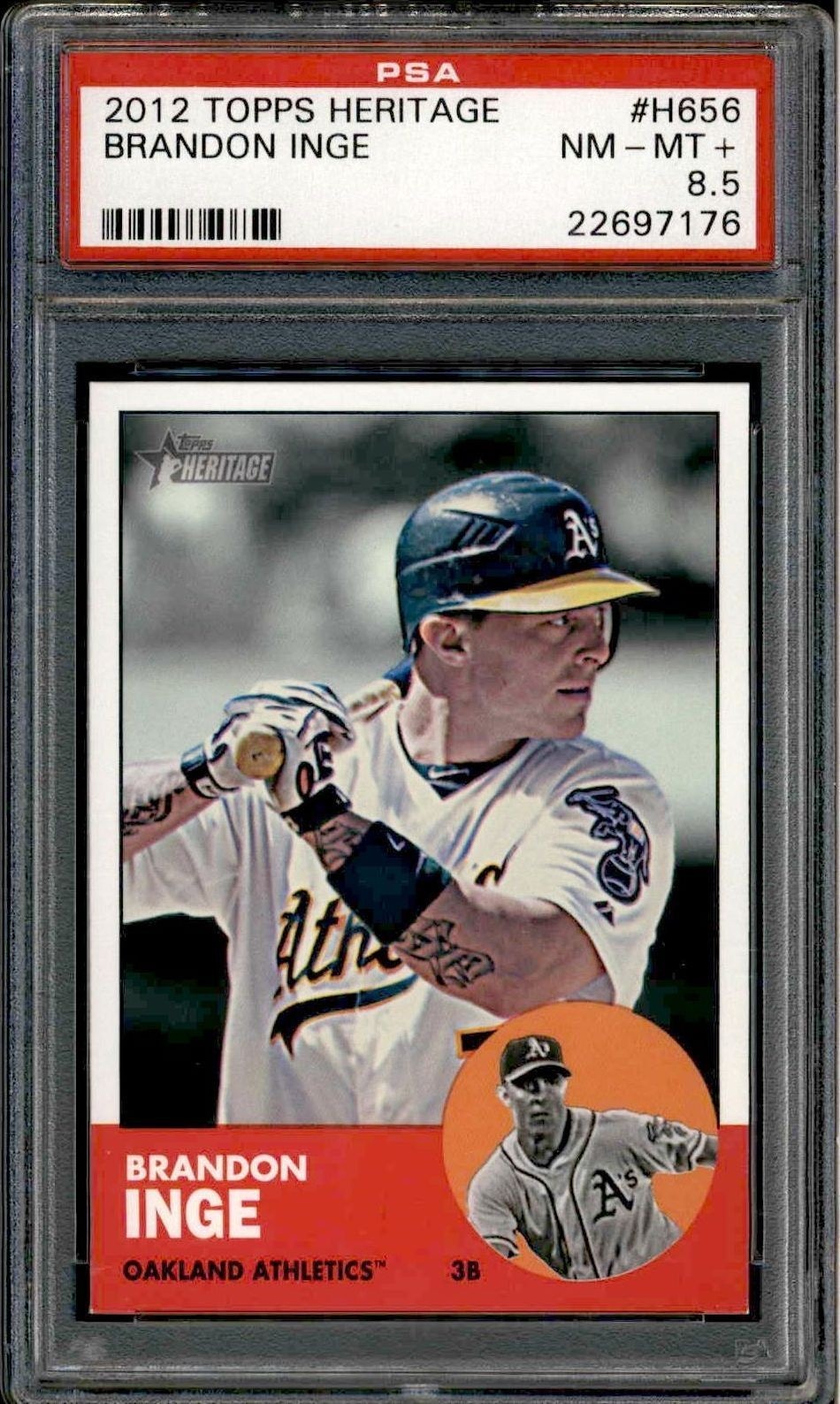
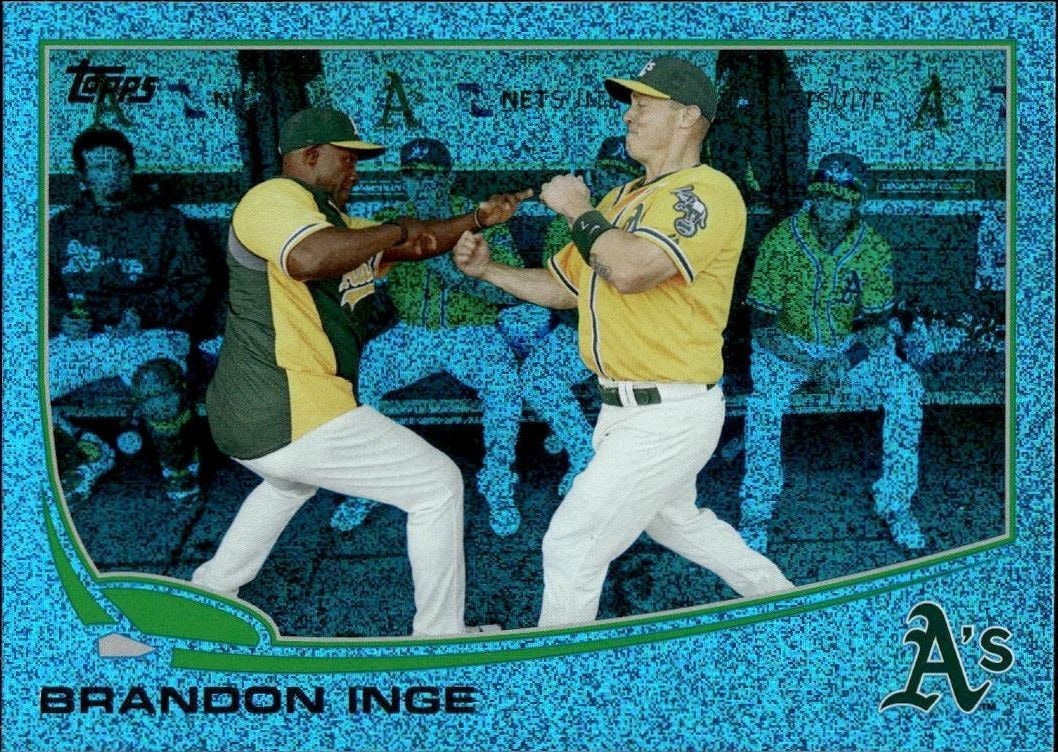
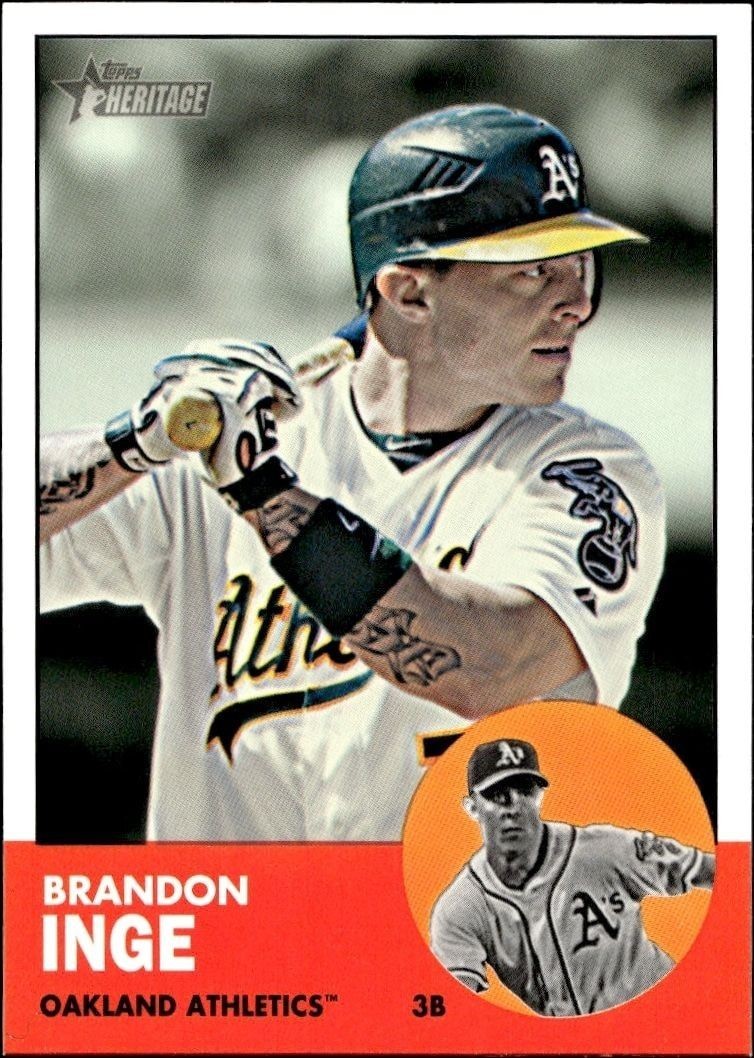

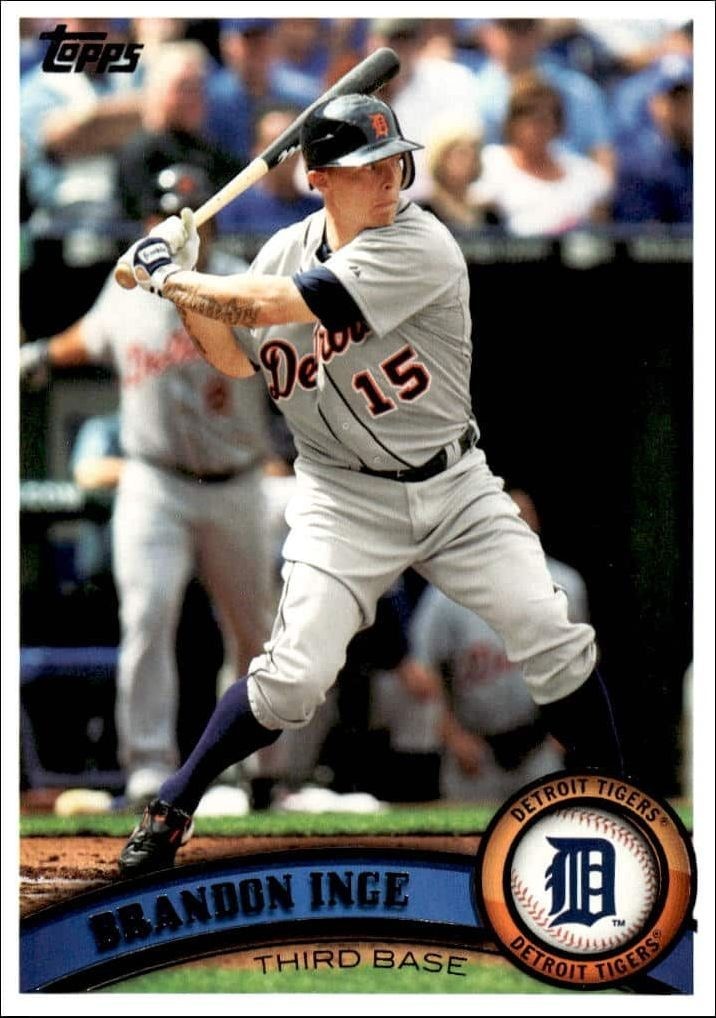
The 2002 Topps T206 Brandon Inge #133 card features the Detroit Tigers player in a retro design. This sports card is a sought-after item for collectors of vintage-style baseball cards.
2002 • Topps • T206
Major League Baseball • Detroit Tigers
Near Mint
133
New
Shipping Calculated at Checkout
30-day Returns| Condition | Value | Source | Trend | Price Details |
|---|---|---|---|---|
$2.13As of 9/25/2026 | Guide Estimate | |||
Raw / Ungraded
PriceCharting Price Guide · Guide Estimate evidence · captured Sep 26, 2026
History is building. At least two days of matching observations are needed to show a trend.
Each point is the last stored observation that day for this printing, condition, grader, autograph status and source. Gaps mean no observation; guide estimates and asking prices are not completed sales.The 2002 Topps T206 Brandon Inge #133 card captures a specific moment in baseball history, featuring the Detroit Tigers infielder. This sports card is part of a series that pays homage to classic design aesthetics, appealing to collectors who appreciate the nostalgia of vintage-style trading cards. Brandon Inge, who played for the Detroit Tigers during this era, is featured prominently on this card. The T206 brand leverages historical design elements to create a unique collectible experience. For investors and hobbyists, cards like the 2002 Topps T206 #133 offer a tangible connection to the sport's rich heritage. The card's catalog number, 133, provides a clear reference for organizing collections. Collectors often seek out cards that blend contemporary players with classic design themes, making this release a notable entry for those building a diverse portfolio. The card's association with the Detroit Tigers adds another layer of interest for fans of the franchise. When considering the 2002 Topps T206 Brandon Inge #133, it is important to understand its place within the T206 series. The set's design choices reflect a deliberate effort to evoke the feeling of early 20th-century cards while featuring modern athletes. This blend of old and new is a key driver of its appeal. Whether you are a long-time collector or new to the hobby, this card represents a well-crafted piece of baseball history. It stands as a testament to the enduring popularity of sports cards that honor the past while celebrating the present.
1 day ago
We'll pre-fill the product details from this catalog entry, so your listing lands on this exact page. Just add photos of your copy, pick its condition, and set your price.
The catalog profile below summarizes the card identity, featured subject, and notable collectible traits.
The core identity of the card within the set.
The subject, team, league, and sport context tied to this card.
Production details and format-specific attributes.
Material
Card Stock
Language
English
Compare prices, grades, photos, and shipping from approved sellers.
New
Near Mint
See how many public collections currently include this card.
0 collectors have this card
This 2002 Topps T206 reprint of Brandon Inge sits in the entry-level tier of modern baseball memorabilia, reflecting his status as a solid but not elite major league contributor. The card lacks any premium attributes or grading, placing it firmly in the bulk-value category where liquidity is determined by casual collectors rather than serious investors. Its current positioning suggests a stable, low-risk asset for filling gaps in a Detroit Tigers or early-2000s set collection.
As a standard base card from a mass-produced reprint set, this item carries no inherent scarcity mechanics such as serial numbering, short-print designation, or parallel variations. The supply is effectively unlimited relative to collector demand, meaning it does not benefit from the limited supply dynamics that drive value in specialty inserts or autographed versions. It represents the baseline product of the series, offering no unique physical differentiators to constrain availability.
The card functions primarily as a nostalgic entry point for collectors focused on the 2002 era or Inge's tenure with the Tigers, rather than a vehicle for significant appreciation. Without rookie-card status or premium parallels, the demand is driven by casual acquisition and set completion needs rather than speculative growth. Long-term value retention is likely modest, anchored by the enduring but niche interest in late-90s/early-00s Detroit Tigers history.