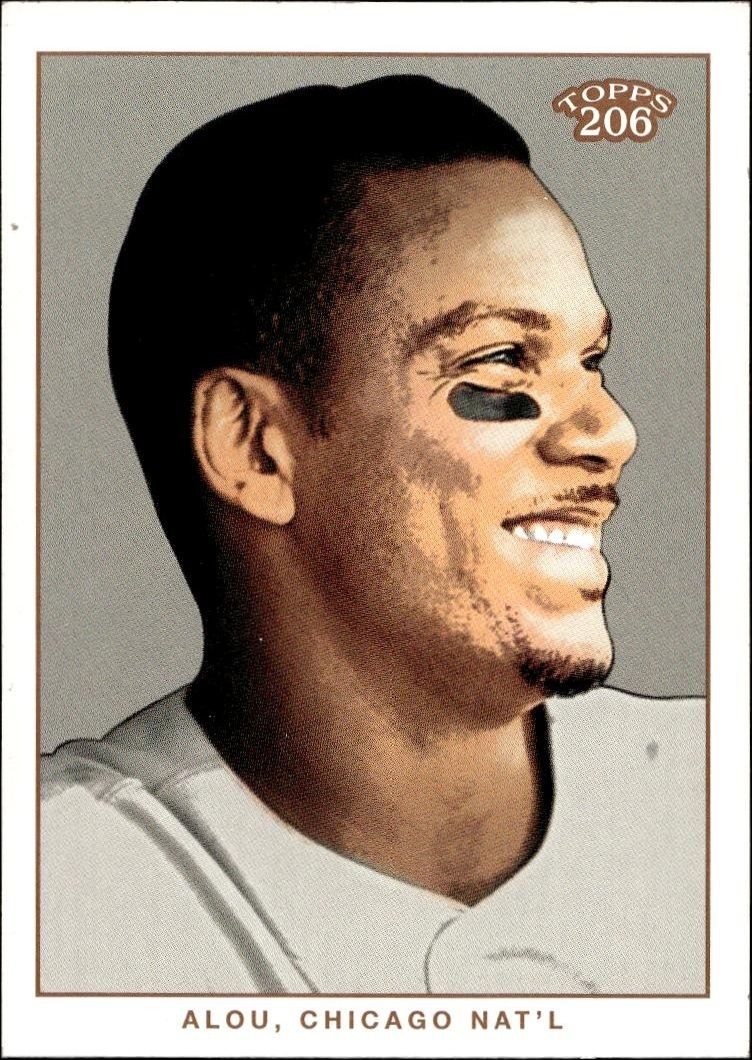
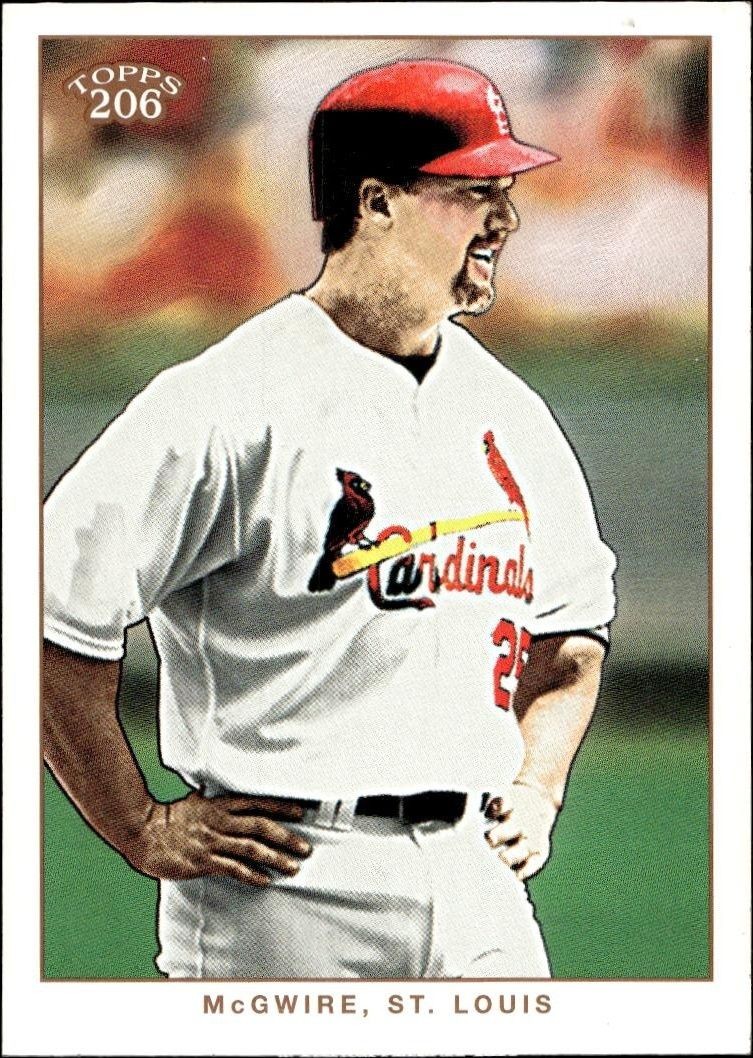
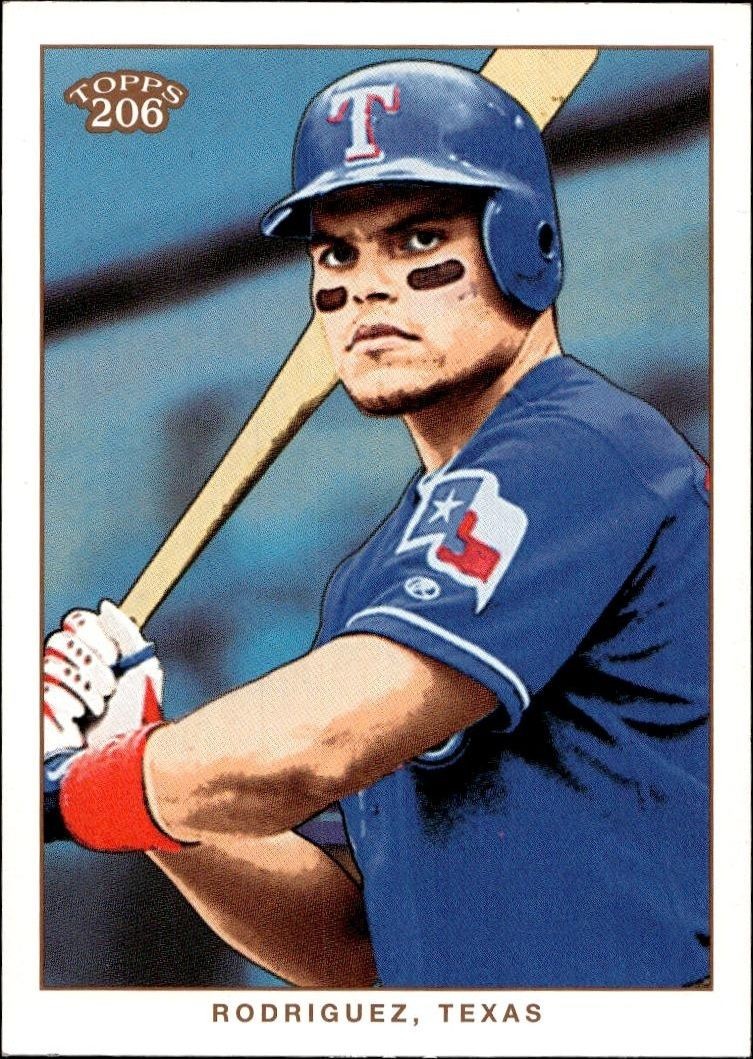
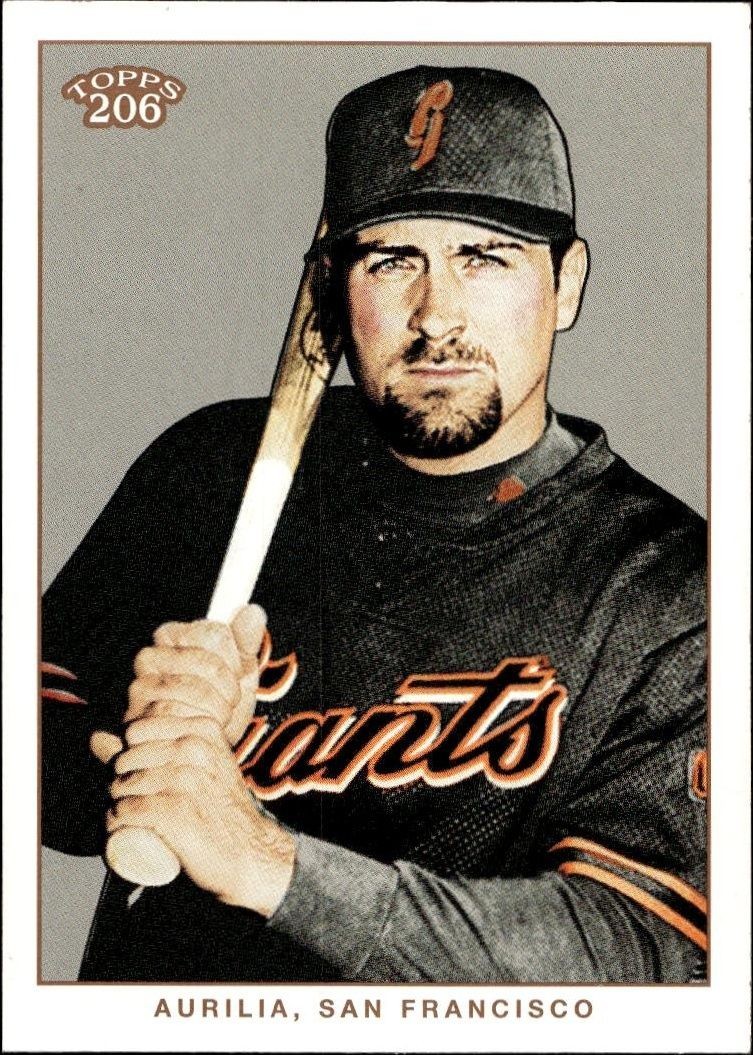
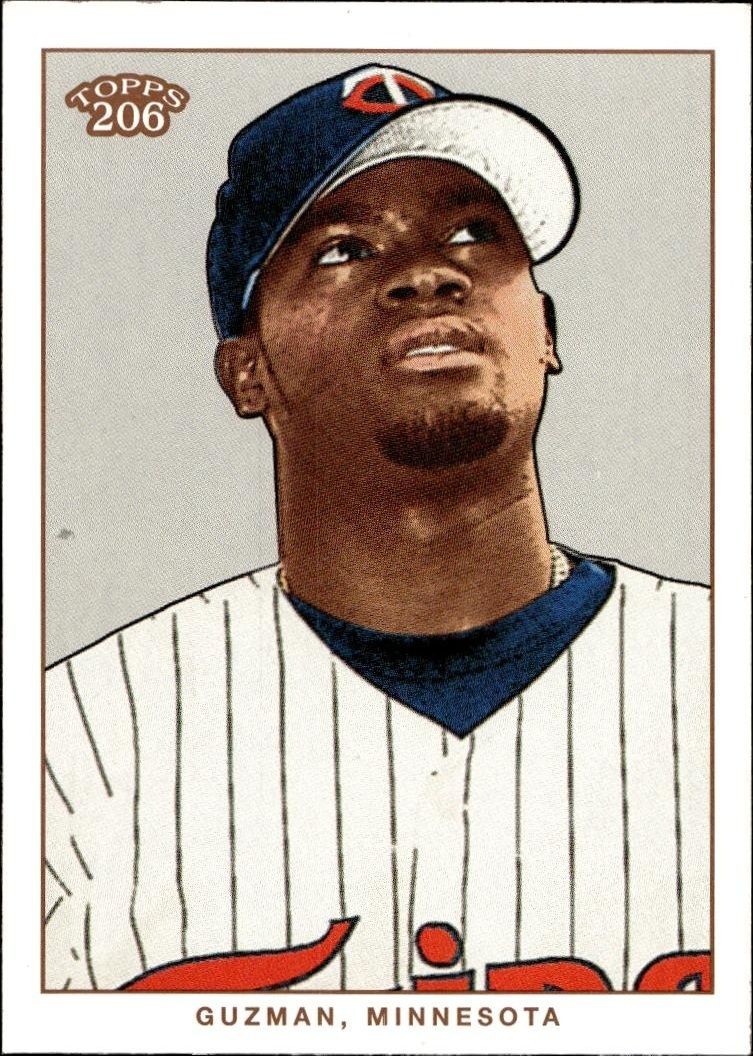
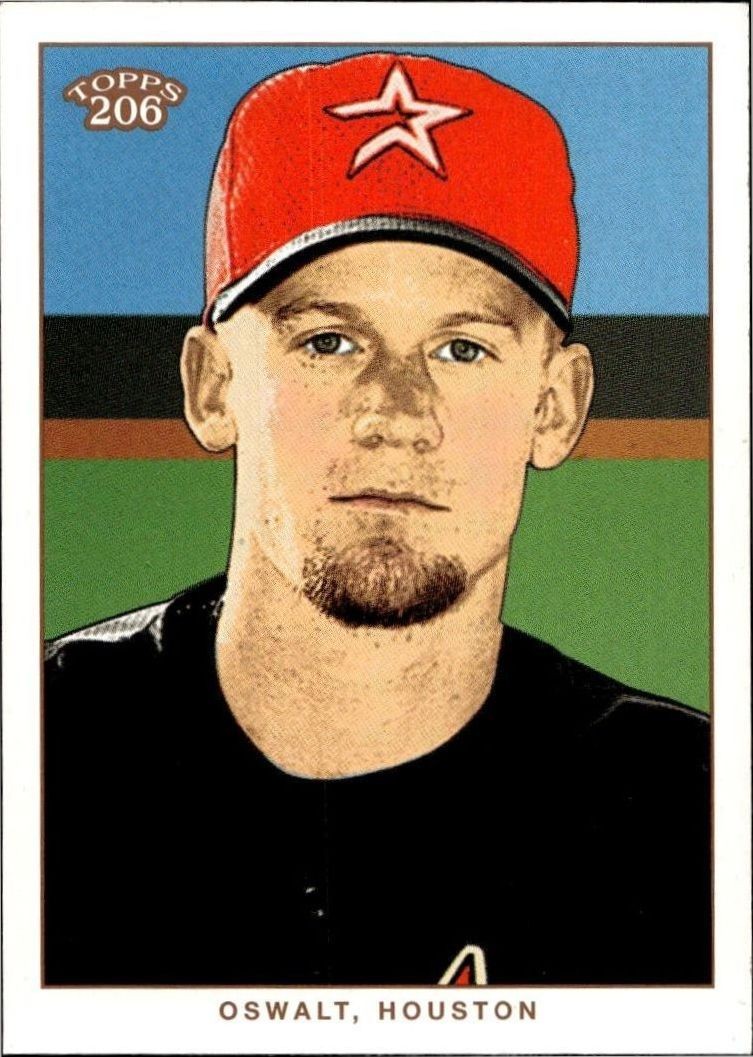
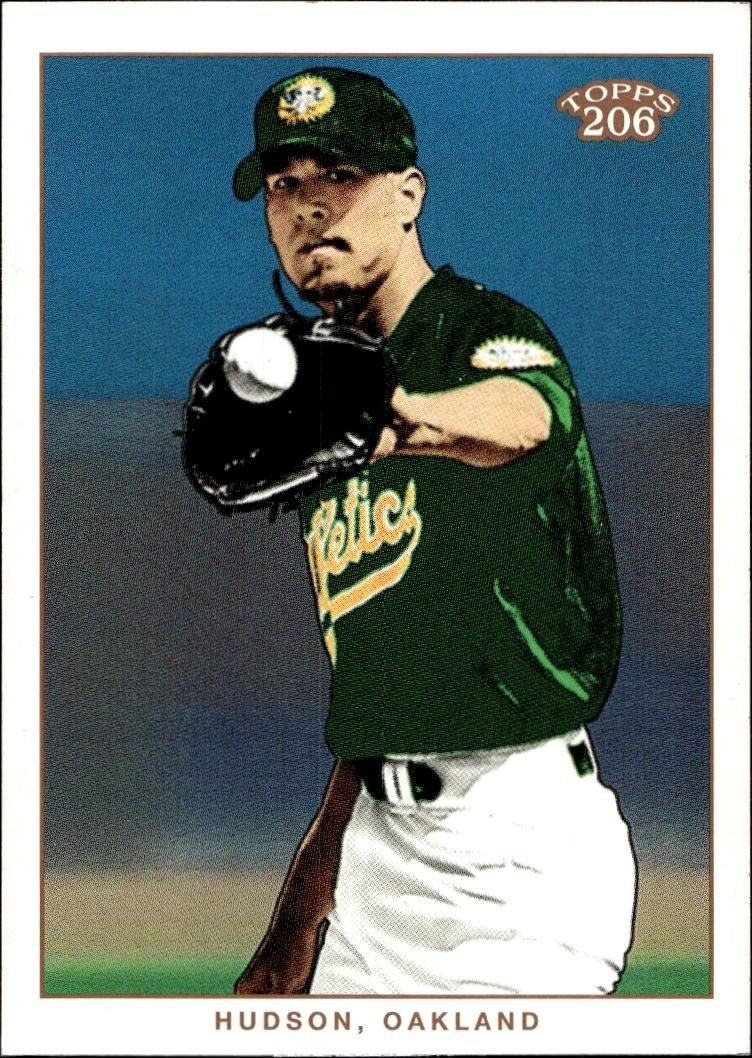
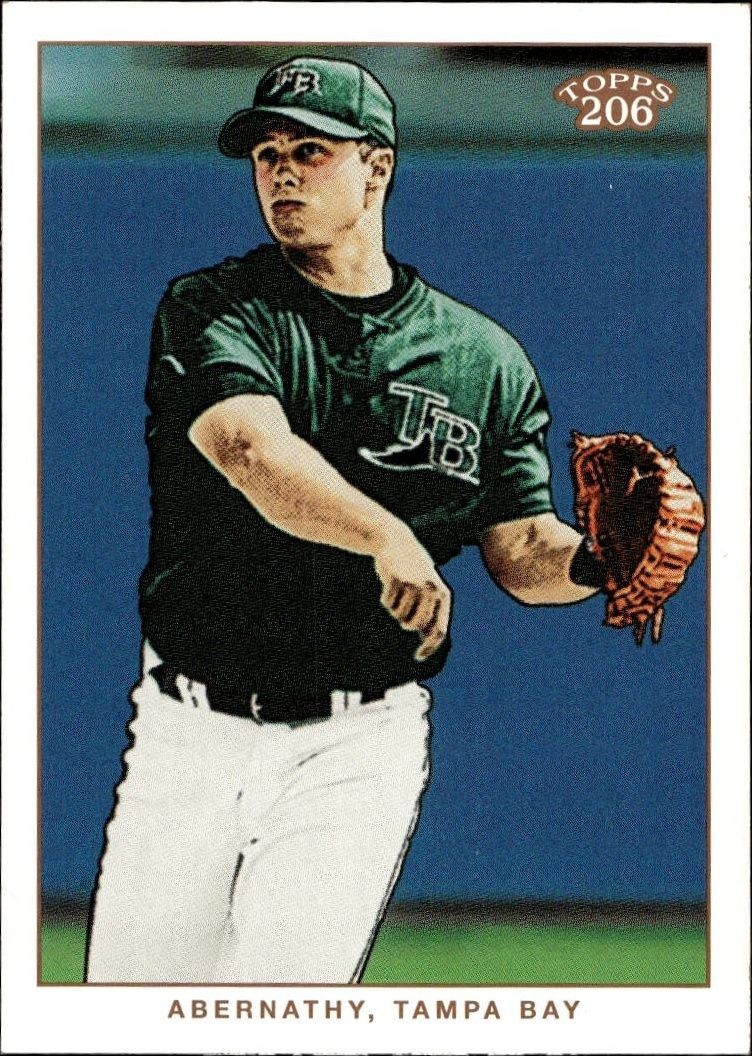
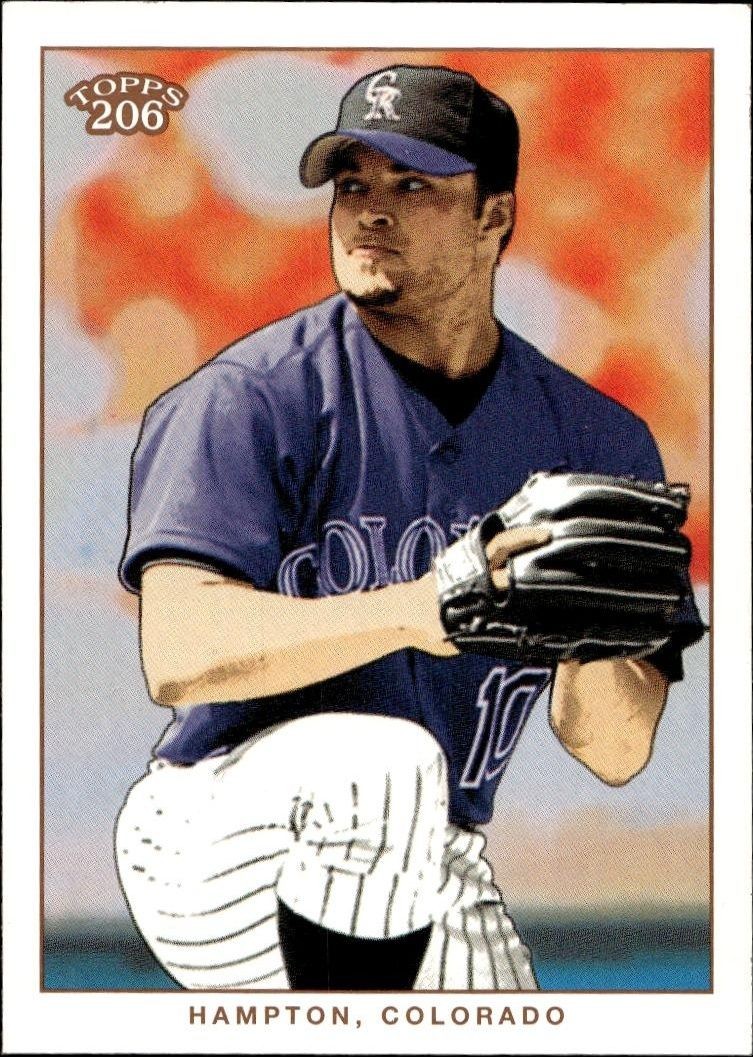

Felipe Lopez #134 from the 2002 Topps T206 baseball card set represents a nostalgic look at the Toronto Blue Jays during his tenure with the team.
2002 • Topps • T206
Major League Baseball • Toronto Blue Jays
Near Mint
134
New
Shipping Calculated at Checkout
This seller is away until 10/19/2026 — orders are still accepted and ship after they return.30-day ReturnsNo condition-by-condition breakdown has been recorded for this card yet.
The 2002 Topps T206 release captures Felipe Lopez as a key contributor for the Toronto Blue Jays, offering collectors a tangible piece of early 2000s MLB history. Card number 134 in this series showcases Lopez during a pivotal era of the franchise's lineup, making it a targeted acquisition for those focused on Blue Jays roster history or specific player collections. The T206 branding evokes the classic aesthetic of Topps baseball cards, providing a familiar and trusted design framework that resonates with hobbyists who appreciate traditional sports card formats. Collecting this card allows enthusiasts to delve into the statistical and visual narrative of the 2002 season. Felipe Lopez was known for his speed and versatility on the field, attributes that defined his gameplay during his time in Toronto. For investors and long-term holders, cards from this period represent a stable entry point into the broader baseball market, bridging the gap between vintage nostalgia and modern collecting standards. The enduring appeal of Topps products ensures that this release remains relevant in the secondary market, with demand driven by the enduring popularity of the Blue Jays and the timeless design of the T206 series. Whether you are building a comprehensive set of 2002 Topps releases or hunting for specific player milestones, the #134 card serves as a foundational element. It connects the collector to a specific moment in baseball history, preserving the image of Lopez in his Blue Jays uniform. The T206 set remains a staple in the hobby, offering a consistent design language that has been recognized and valued by generations of baseball card enthusiasts.
29 minutes ago
We'll pre-fill the product details from this catalog entry, so your listing lands on this exact page. Just add photos of your copy, pick its condition, and set your price.
The catalog profile below summarizes the card identity, featured subject, and notable collectible traits.
The core identity of the card within the set.
The subject, team, league, and sport context tied to this card.
Production details and format-specific attributes.
Material
Card Stock
Language
English
Compare prices, grades, photos, and shipping from approved sellers.
New
Near Mint
See how many public collections currently include this card.
0 collectors have this card
As a 2002 Topps T206 insert, this Felipe Lopez card sits within a nostalgic reissue framework that typically commands a modest premium over standard base issues from the same year. While Lopez was a productive MLB player, the lack of special attributes suggests this specific piece trades at a baseline market level relative to his other career cards. The single active listing indicates a thin market, which can lead to slight price volatility but generally reflects steady, low-volume demand for this era of Blue Jays memorabilia.
The card carries no special scarcity mechanics such as serial numbering, short-print status, or parallel finishes, meaning it is produced in standard set quantities. This lack of unique identifiers implies that supply is abundant and not constrained by limited edition runs or one-of-one variations. Consequently, the item relies entirely on its set inclusion rather than exclusive scarcity to differentiate itself from other 2002 Topps releases.
This card is not a rookie card, so it lacks the initial entry-point premium often seen with a player's first major league appearance. The T206 brand recognition may attract collectors interested in vintage aesthetics applied to modern players, providing a stable but modest demand driver. Without special attributes or rookie status, the long-term value is likely tied to general nostalgia for early 2000s baseball rather than speculative growth.