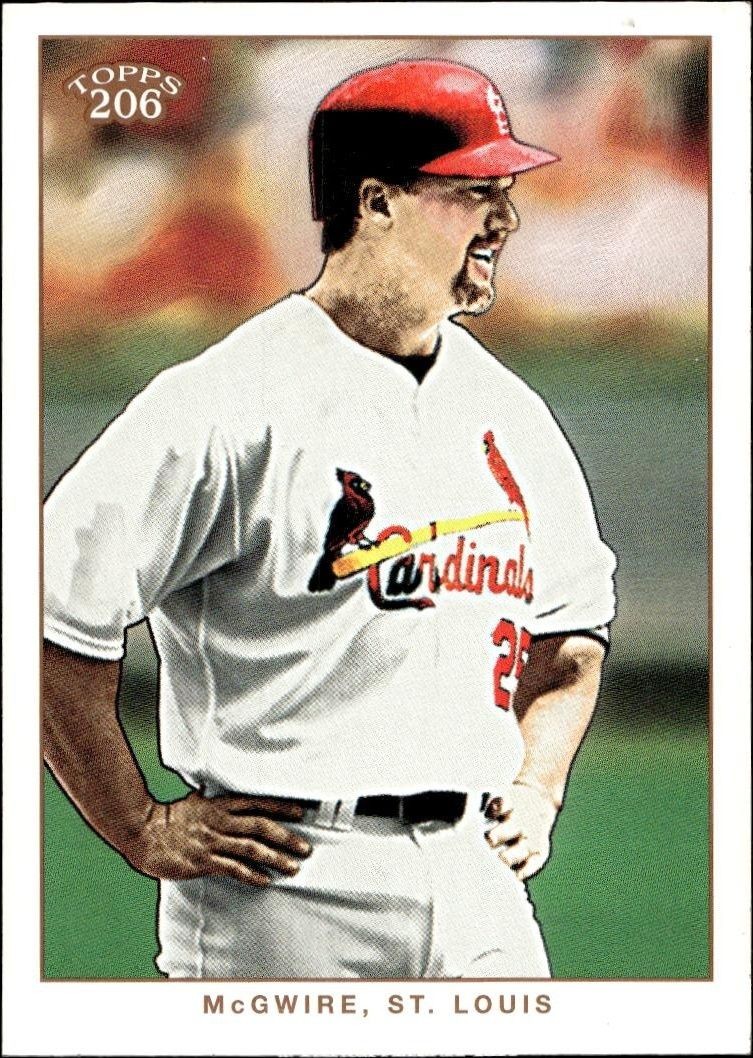
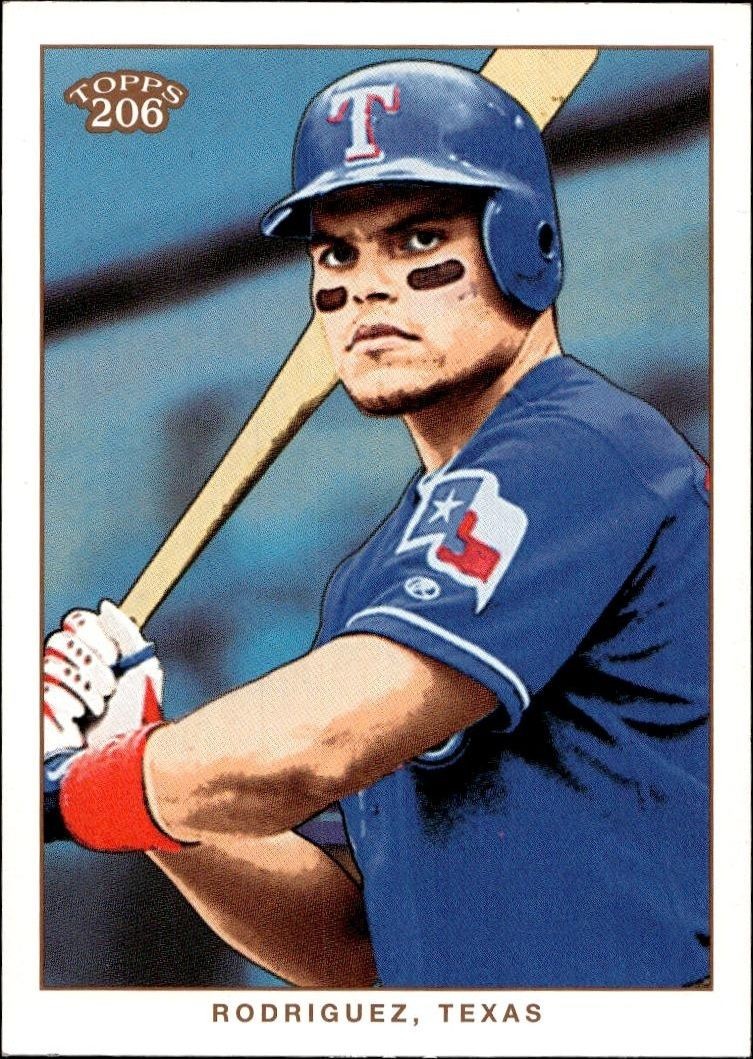
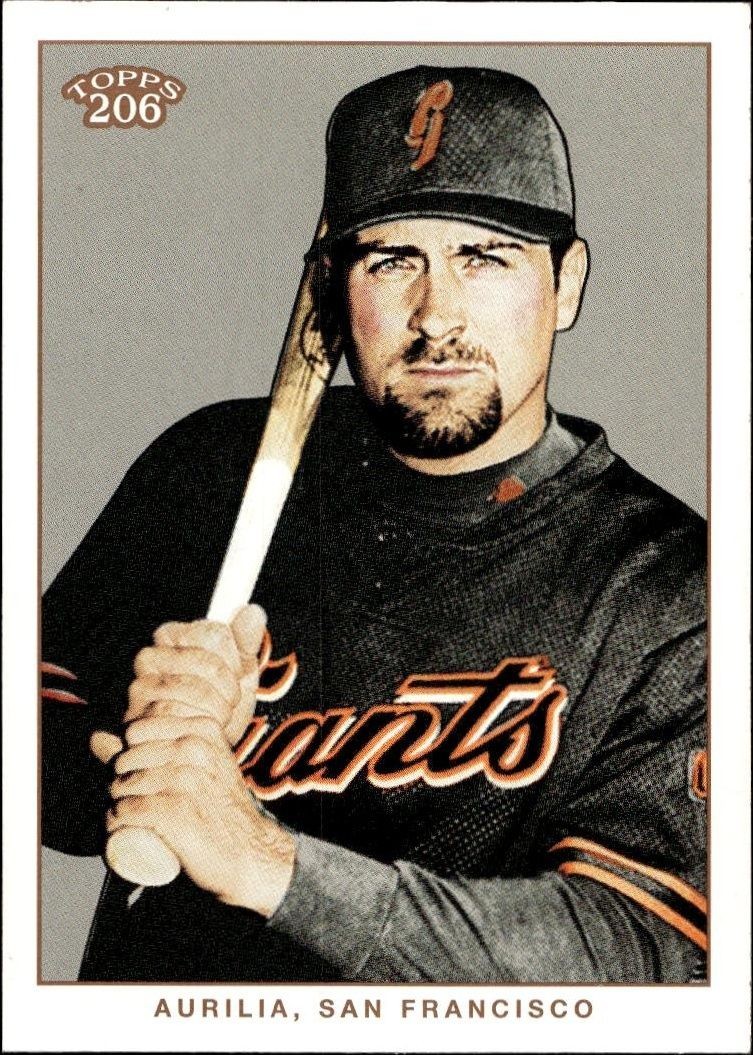


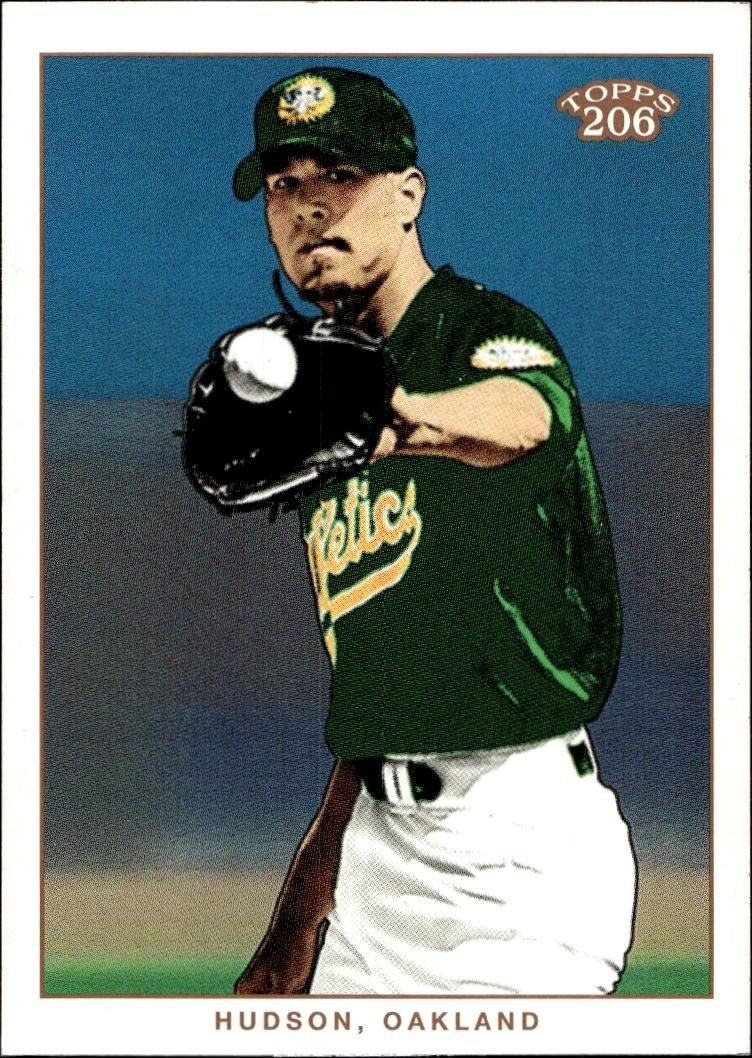

Explore the 2002 Topps T206 J.D. Martin #269 baseball card, a Cleveland Indians release celebrating the legacy of the historic T206 design.
2002 • Topps • T206
Major League Baseball • Cleveland Indians
Near Mint
269
New
Shipping Calculated at Checkout
This seller is away until 10/19/2026 — orders are still accepted and ship after they return.30-day Returns| Condition | Value | Source | Trend | Price Details |
|---|---|---|---|---|
$0.25As of 9/25/2026 | Guide Estimate | |||
Raw / Ungraded
PriceCharting Price Guide · Guide Estimate evidence · captured Sep 26, 2026
History is building. At least two days of matching observations are needed to show a trend.
Each point is the last stored observation that day for this printing, condition, grader, autograph status and source. Gaps mean no observation; guide estimates and asking prices are not completed sales.The 2002 Topps T206 J.D. Martin #269 baseball card brings a legendary visual identity to the modern trading card market. By reviving the T206 name, Topps connects contemporary collectors with the rich history of early 20th-century baseball aesthetics, even while featuring players from the 2002 season. This card highlights J.D. Martin's tenure with the Cleveland Indians, offering a distinct piece of MLB history for fans of the franchise. Collectors often seek out this release to complete specific T206 reissue sets or to build collections focused on Cleveland Indians players from the early 2000s. The #269 card number places Martin within a structured catalog that appeals to hobbyists who enjoy the systematic nature of set building. Whether you are a long-time fan of the T206 brand or new to modern baseball card collecting, this card serves as a bridge between vintage design and current roster realities. The 2002 T206 series allows collectors to experience the classic look without the prohibitive costs of genuine vintage cards. This makes it an accessible entry point for those interested in design history, as well as a valuable addition for those tracking the careers of players like J.D. Martin. The card's straightforward presentation and clear identification make it a reliable component for any focused collection. For investors and hobbyists alike, the combination of a reputable manufacturer like Topps and a nostalgic series name provides a stable foundation for collecting. The focus remains on the player and the design, ensuring that the card holds its place in the hobby as a tribute to the past while documenting the present. Discover more about this unique intersection of history and modern sports memorabilia by exploring the full range of available options.
14 hours ago
We'll pre-fill the product details from this catalog entry, so your listing lands on this exact page. Just add photos of your copy, pick its condition, and set your price.
The catalog profile below summarizes the card identity, featured subject, and notable collectible traits.
The core identity of the card within the set.
The subject, team, league, and sport context tied to this card.
Production details and format-specific attributes.
Material
Card Stock
Language
English
Compare prices, grades, photos, and shipping from approved sellers.
New
Near Mint
See how many public collections currently include this card.
0 collectors have this card
This 2002 Topps T206 J.D. Martin card sits at the absolute entry-level of the baseball market, reflecting its status as a non-premium base card from a mass-produced set. With no special attributes to drive value, it trades in the lowest price tier, serving primarily as a filler piece for bulk collectors rather than a standalone investment asset. Its market positioning is defined by its abundance and lack of scarcity mechanics within the T206 framework.
The card carries no scarcity attributes, as it is identified as a standard base issue without serial numbering, short-print designation, or parallel finish. This lack of limited edition features means the supply is effectively infinite relative to collector demand, as it was printed in vast quantities for the general retail market. Consequently, there are no mechanical supply constraints to support value retention or premium pricing.
As a non-rookie base card from a 2002 release, this item lacks the rookie-card premium mechanics that typically drive collector demand and long-term value appreciation. The absence of any special parallels or inserts further limits its appeal to serious investors, who generally focus on graded examples of higher-tier products or key rookie cards. Demand is likely restricted to casual hobbyists seeking specific team completions rather than speculative buyers.