
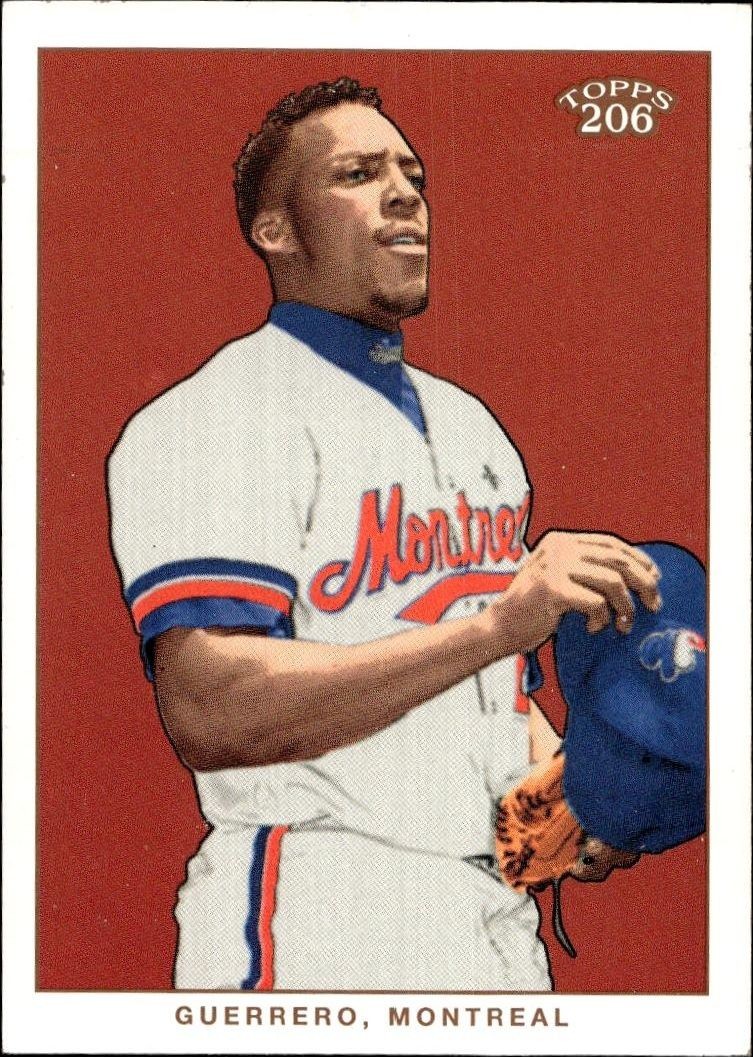
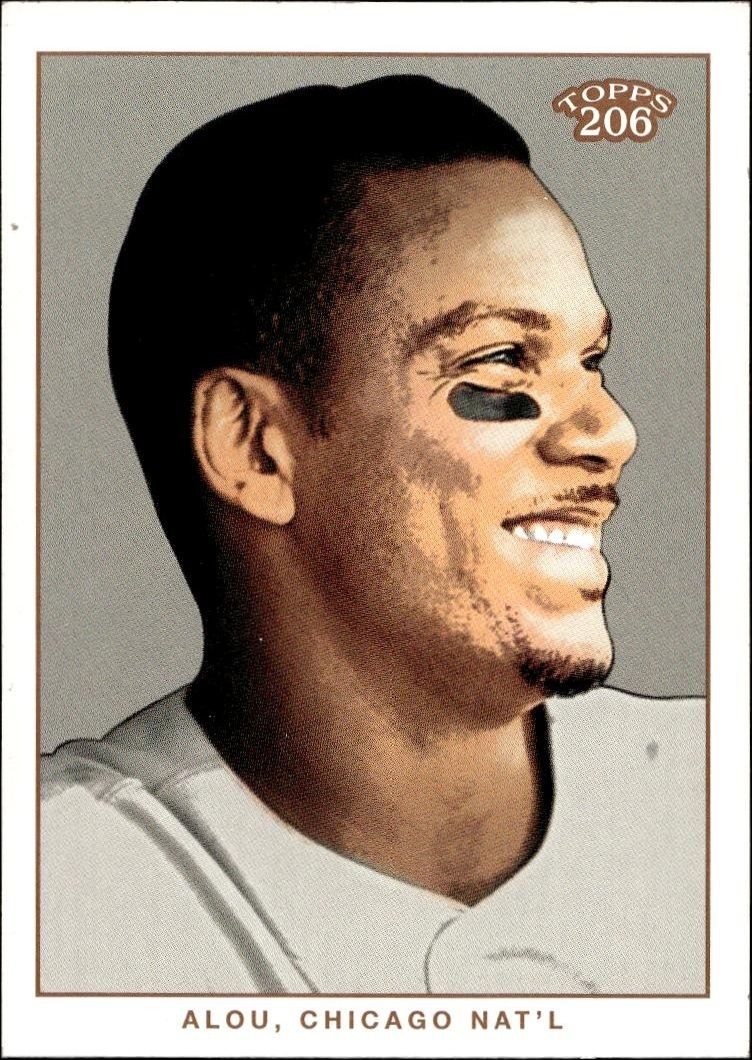
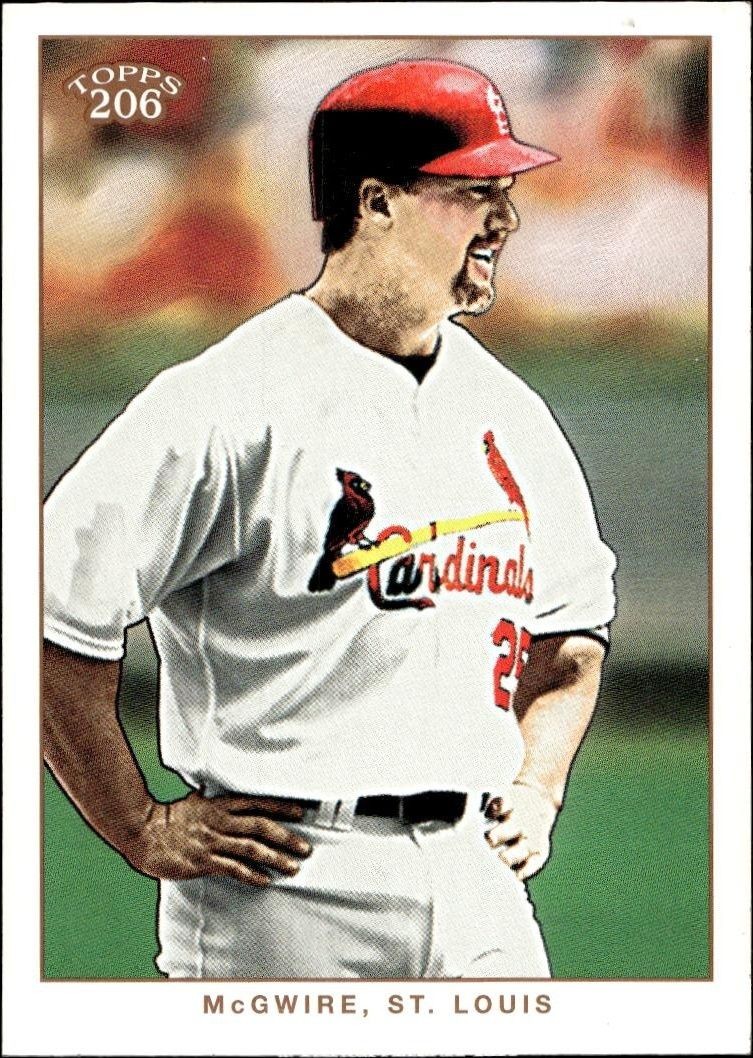
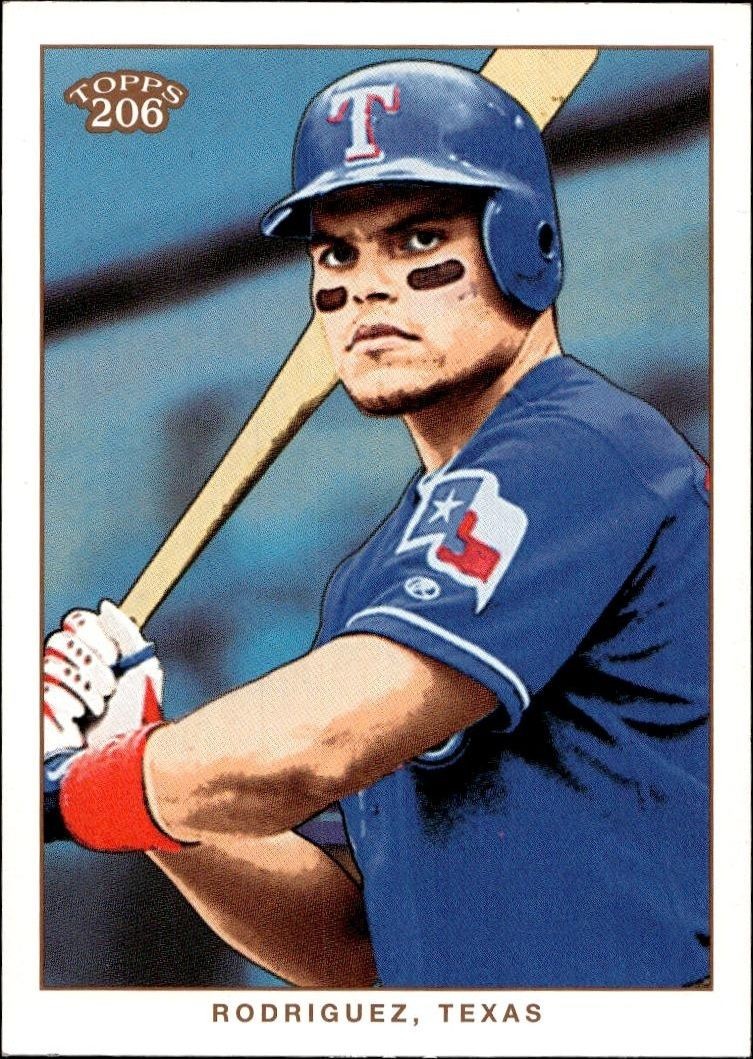
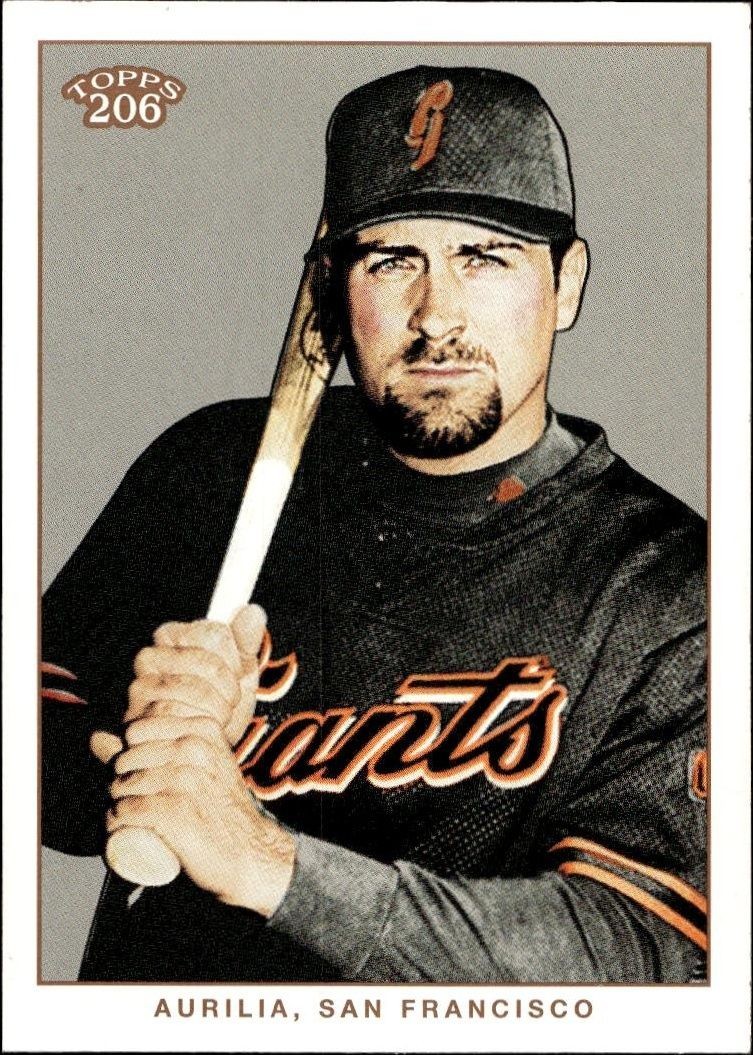


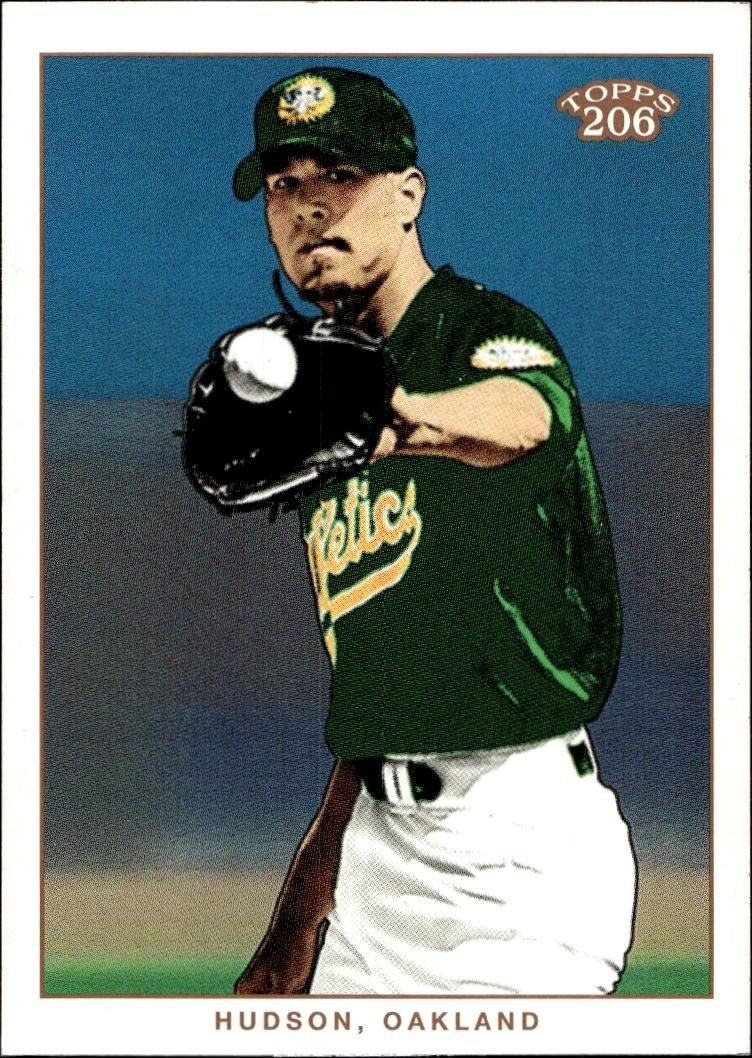
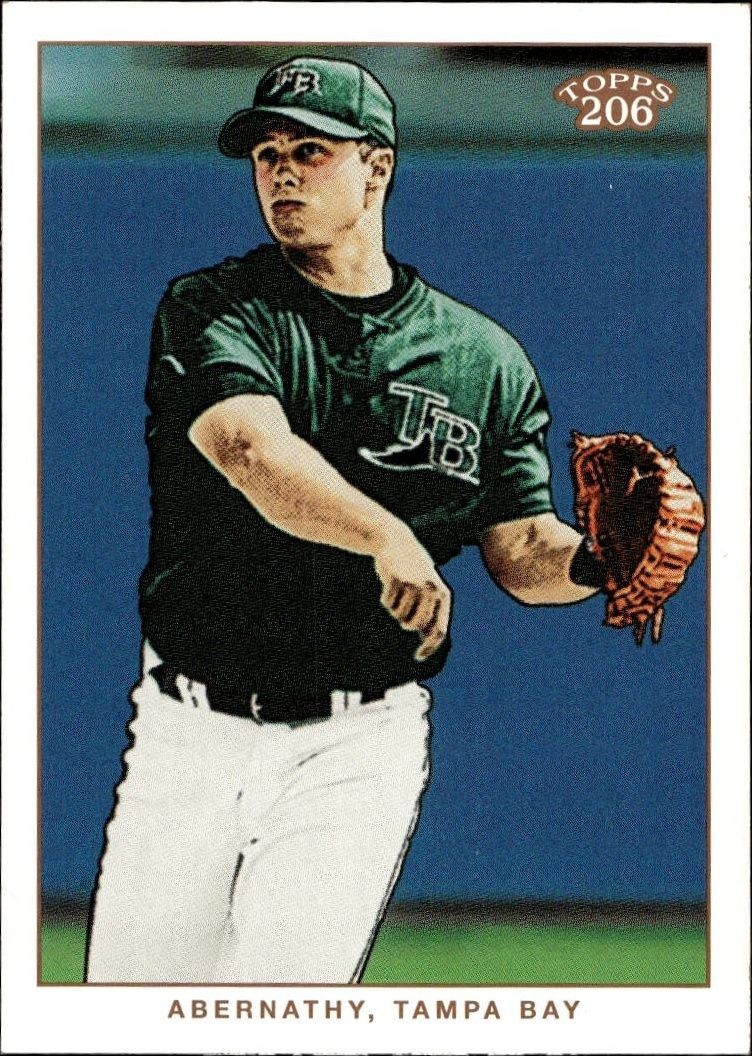
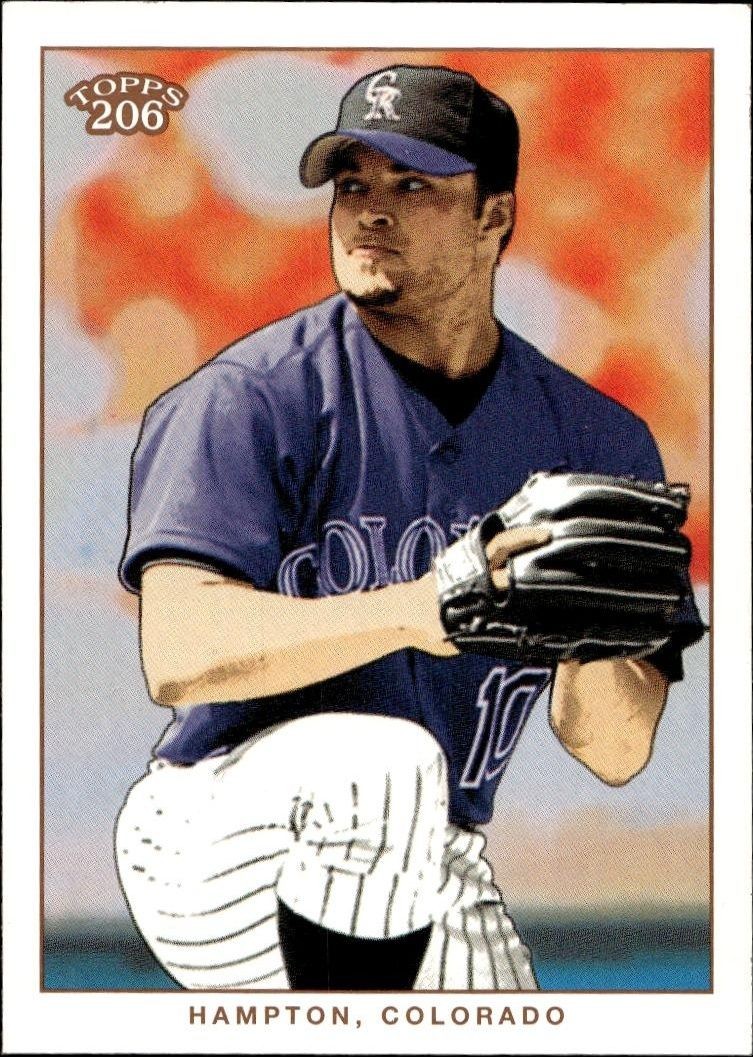
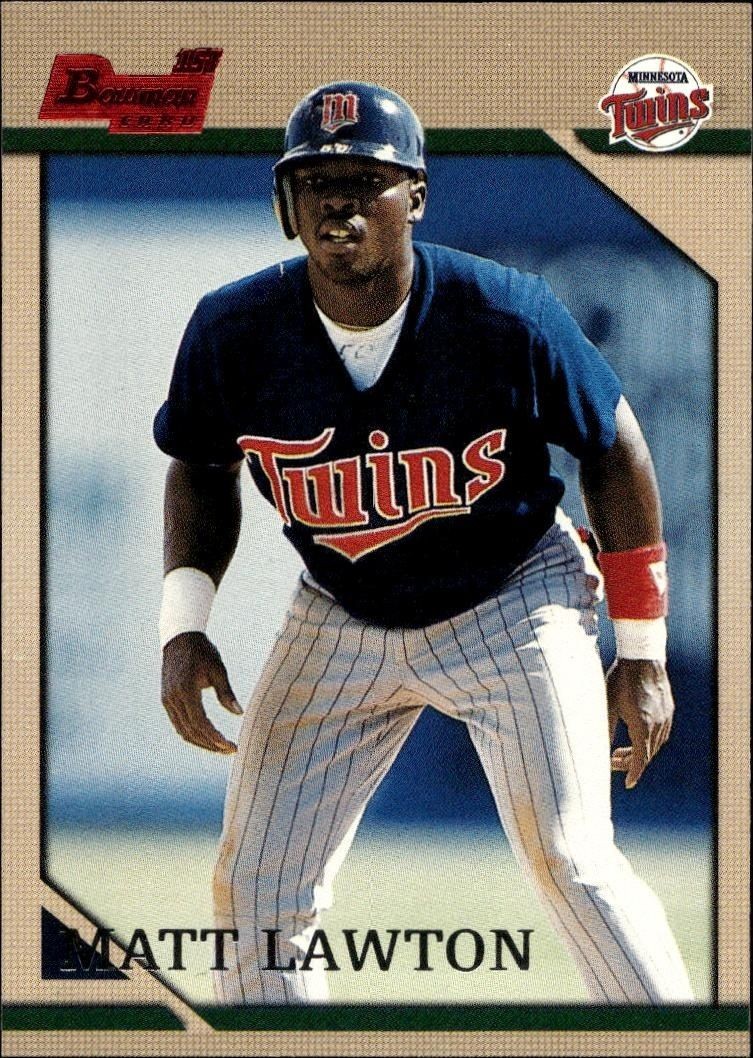
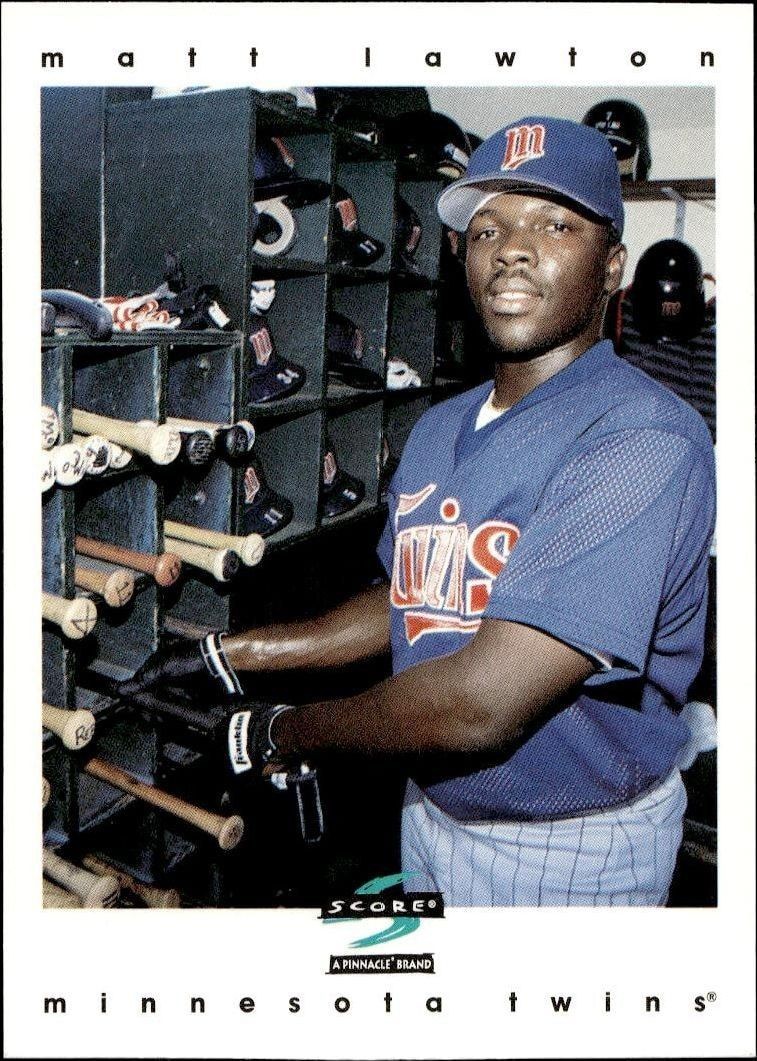


The 2002 Topps T206 Matt Lawton #217 is a modern tribute to the historic 1915 set, featuring Cleveland Indians outfielder Matt Lawton in a nostalgic design.
2002 • Topps • T206
Major League Baseball • Cleveland Indians
Near Mint
217
New
Shipping Calculated at Checkout
This seller is away until 10/19/2026 — orders are still accepted and ship after they return.30-day ReturnsNo condition-by-condition breakdown has been recorded for this card yet.
The 2002 Topps T206 Matt Lawton #217 captures the timeless aesthetic of vintage baseball through a carefully crafted modern lens. This sports card is part of Topps' innovative T206 series, a project designed to reimagine the iconic 1915 tobacco-style cards with contemporary player photography and premium card stock. By bridging the gap between early 20th-century design and modern manufacturing, the release offers collectors a unique way to engage with the history of the game while acquiring cards of active or recently active players. Matt Lawton, who spent a significant portion of his Major League Baseball career with the Cleveland Indians, is featured prominently on card number 217. For enthusiasts of both classic design and modern baseball, this card serves as a compelling intersection of past and present. The visual style echoes the ornate borders and serif fonts of the original 1915 issue, providing a distinctively elegant appearance that stands out in any binder or portfolio. Collecting the 2002 Topps T206 series appeals to hobbyists who appreciate the narrative of baseball's evolution. The set allows fans to build collections that honor the sport's rich heritage while celebrating the athletes of the early 2000s. Whether you are a dedicated fan of the Cleveland Indians or a broader collector of unique baseball memorabilia, the Matt Lawton #217 card offers a sophisticated addition to your lineup. Its design respects the legacy of the T206 name while presenting a fresh, high-quality product that resonates with today's market. As you explore the diverse selection available, this card represents the enduring appeal of combining historical reverence with modern collectibility.
1 day ago
We'll pre-fill the product details from this catalog entry, so your listing lands on this exact page. Just add photos of your copy, pick its condition, and set your price.
The catalog profile below summarizes the card identity, featured subject, and notable collectible traits.
The core identity of the card within the set.
The subject, team, league, and sport context tied to this card.
Production details and format-specific attributes.
Material
Card Stock
Language
English
Compare prices, grades, photos, and shipping from approved sellers.
New
Near Mint
See how many public collections currently include this card.
0 collectors have this card
As a non-premium base card from a mass-produced 2002 Topps set, this item occupies the lower tier of Matt Lawton's collectible market. Its value is primarily derived from its status as a standard issue rather than any specific scarcity or grading premium. Consequently, it trades significantly below any parallels, short prints, or rookie variations of the same player. The presence of only one active listing suggests a niche demand that does not drive high liquidity or aggressive pricing. It serves more as a filler item for completists rather than a centerpiece for investment portfolios.
This card lacks any special scarcity attributes such as serial numbering, short printing, or parallel finishes, placing it firmly in the base set category. In the 2002 Topps T206 release, base cards were produced in high volumes to meet general consumer demand, ensuring widespread availability. The absence of unique identifiers means its supply is effectively unlimited relative to collector needs, with no mechanical constraints on its circulation. This standard production model contrasts sharply with limited edition inserts that artificially restrict supply to drive desirability.
Investment potential for this specific card is limited due to its position as a common base issue within a widely distributed set. Collector demand is likely driven solely by those completing base set collections rather than speculative interest in the asset itself. Without rookie card status or unique production traits, it does not benefit from the premium mechanics that typically drive long-term value appreciation in the sports card market. Investors should view this as a low-risk, low-reward addition for collection completeness rather than a vehicle for capital growth.
