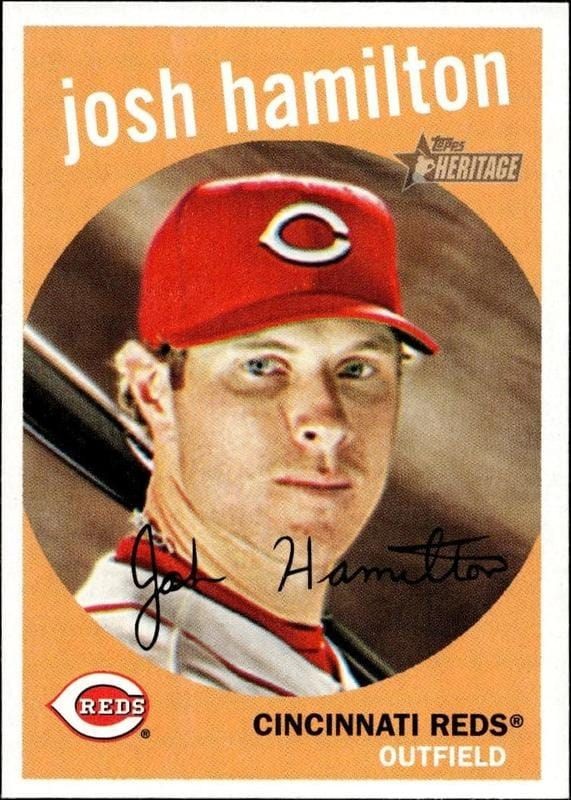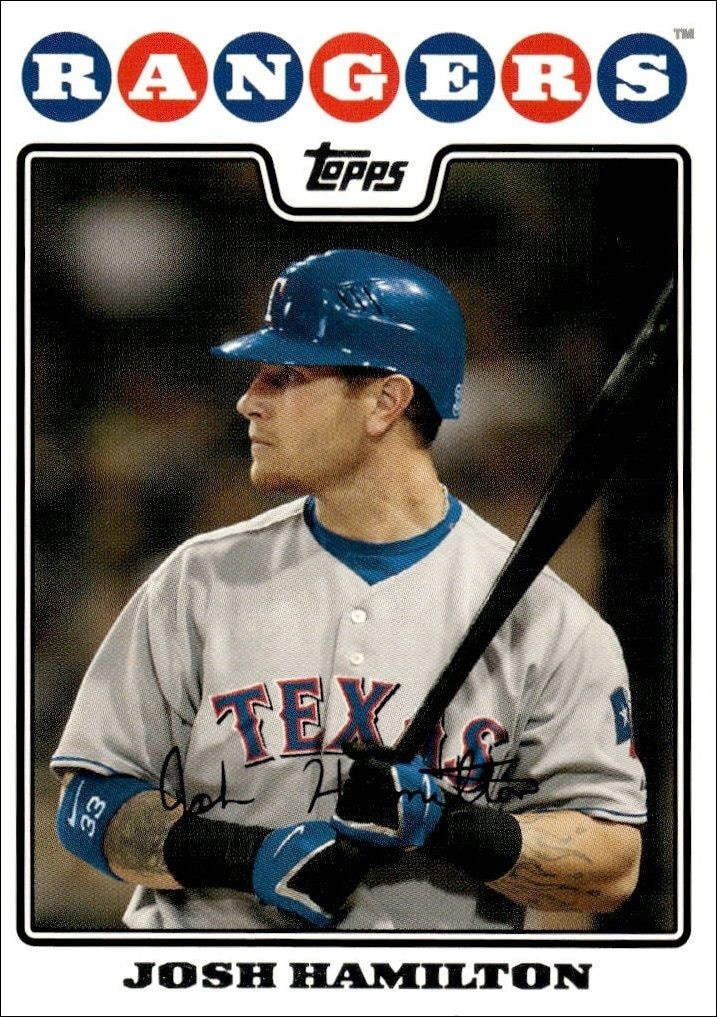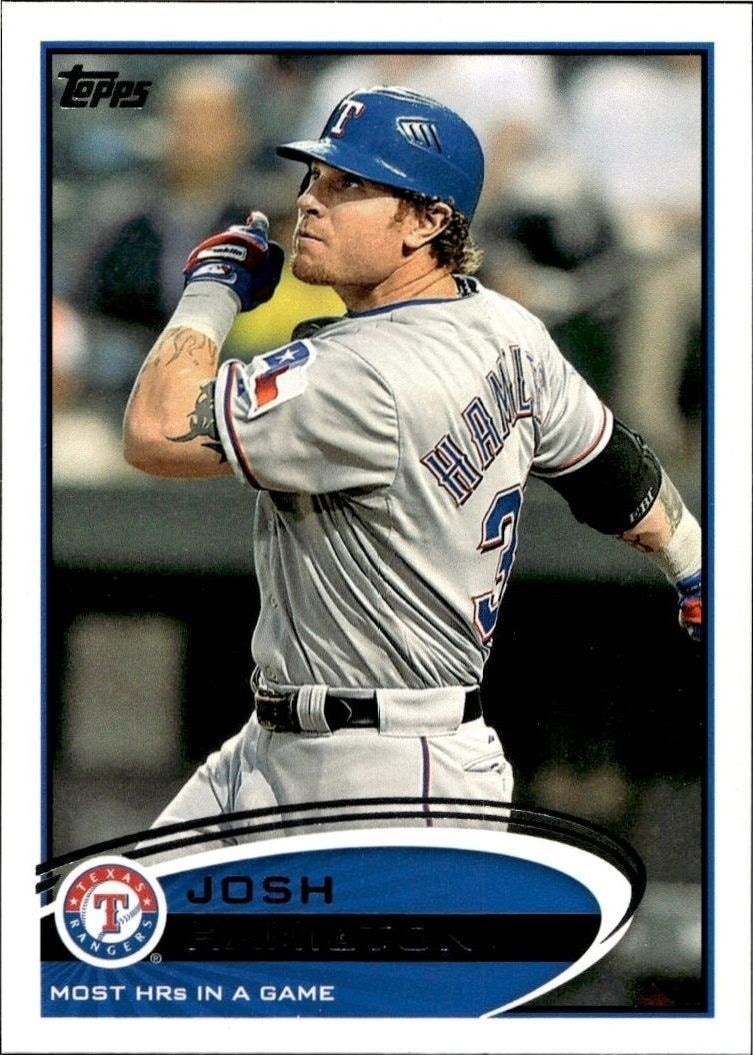
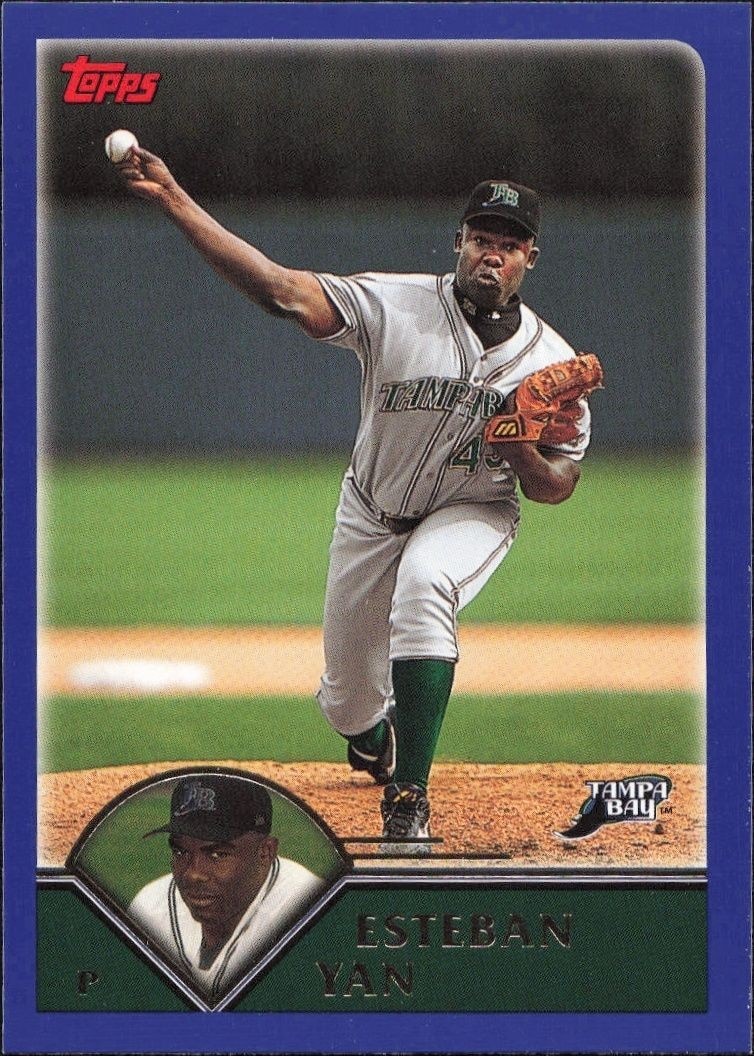


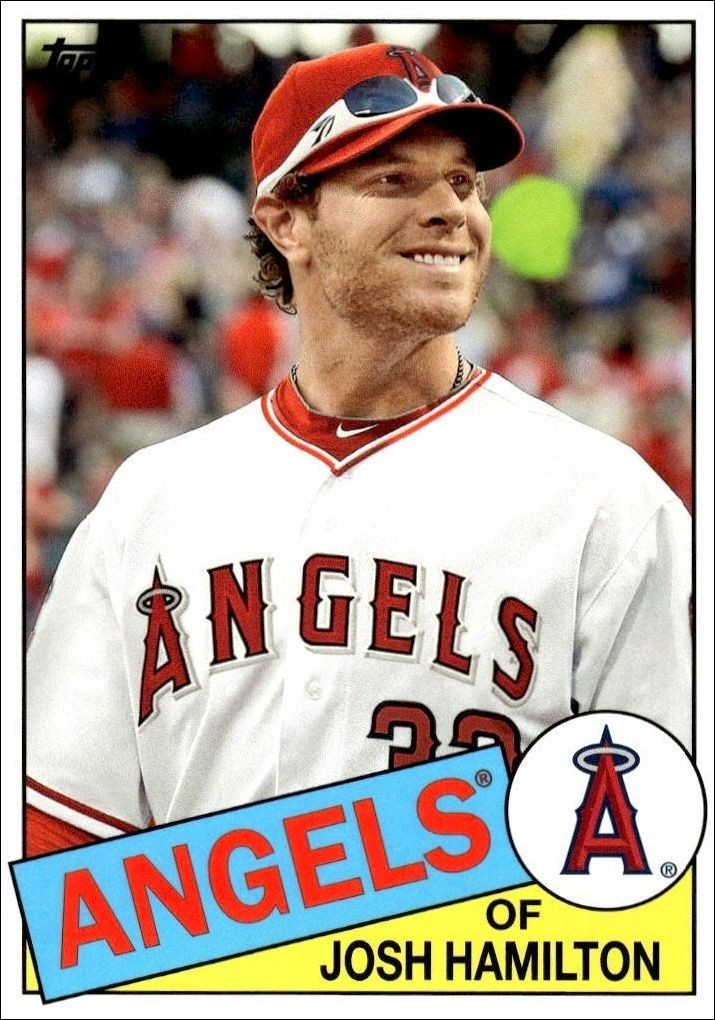

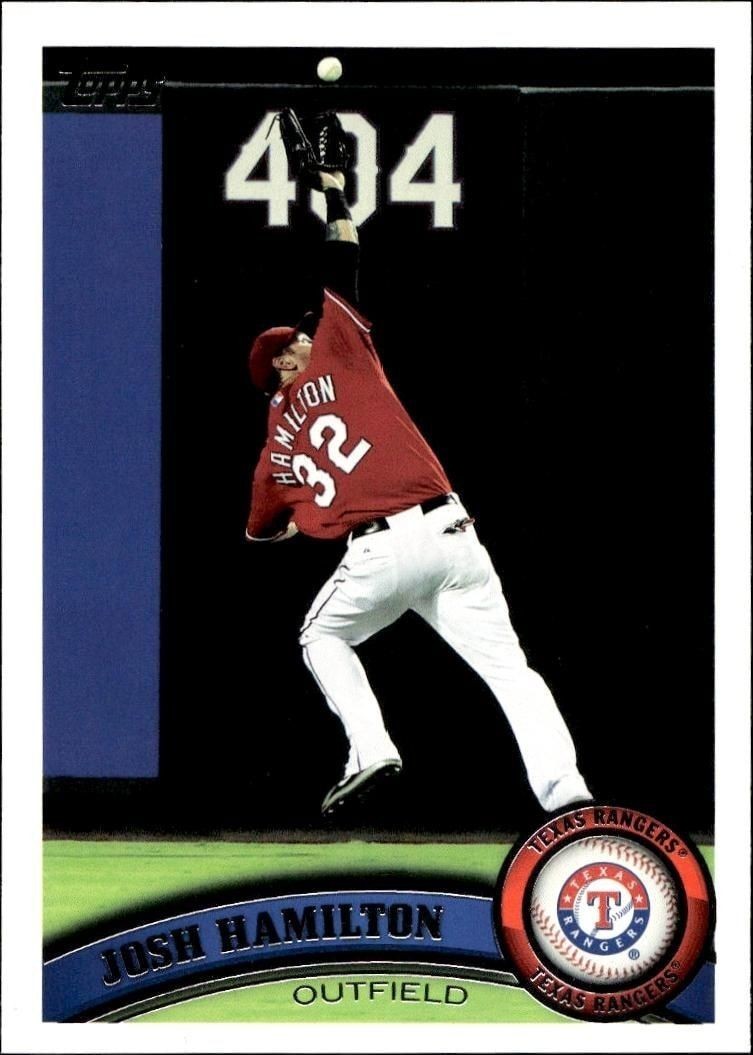

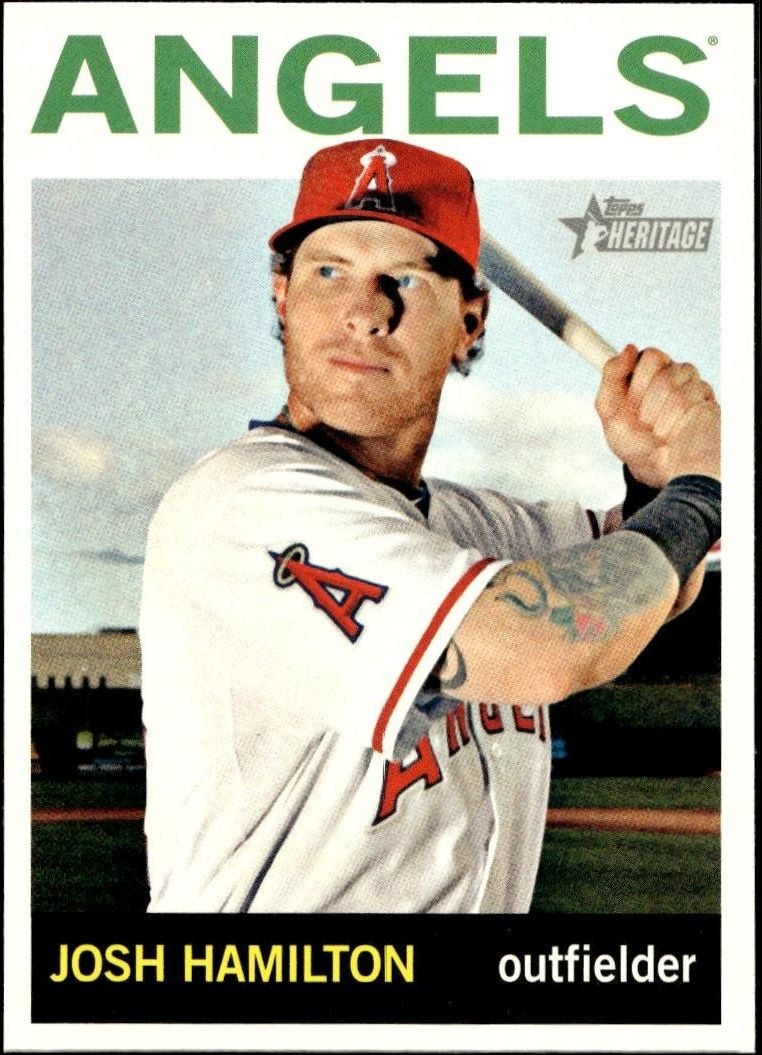
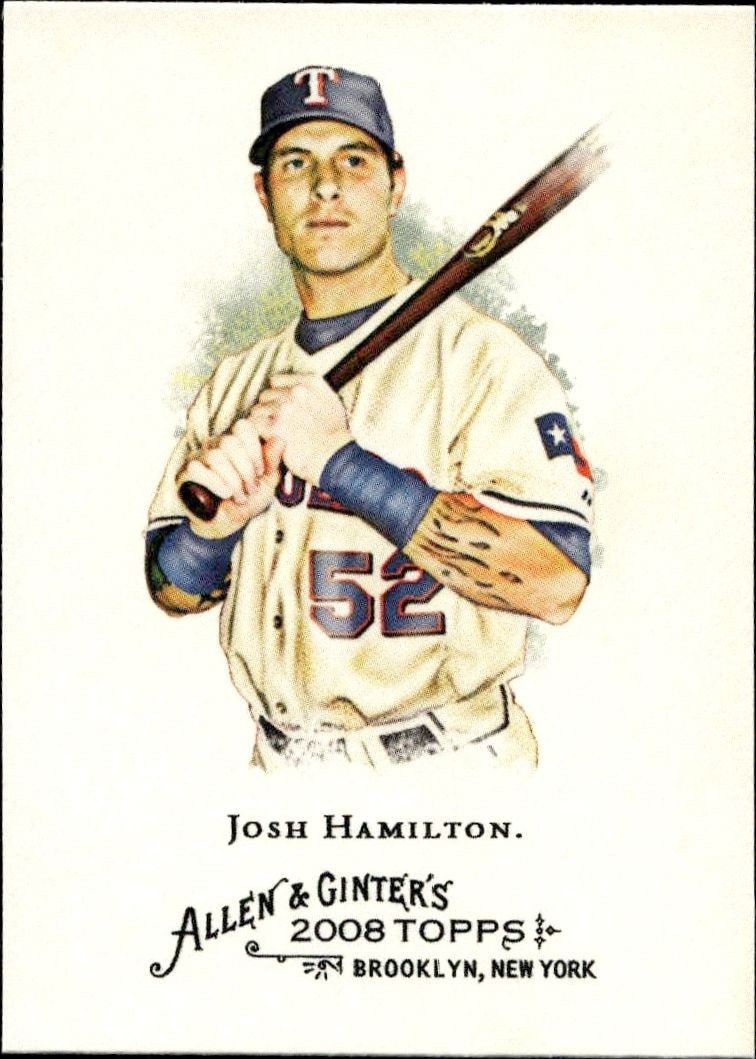

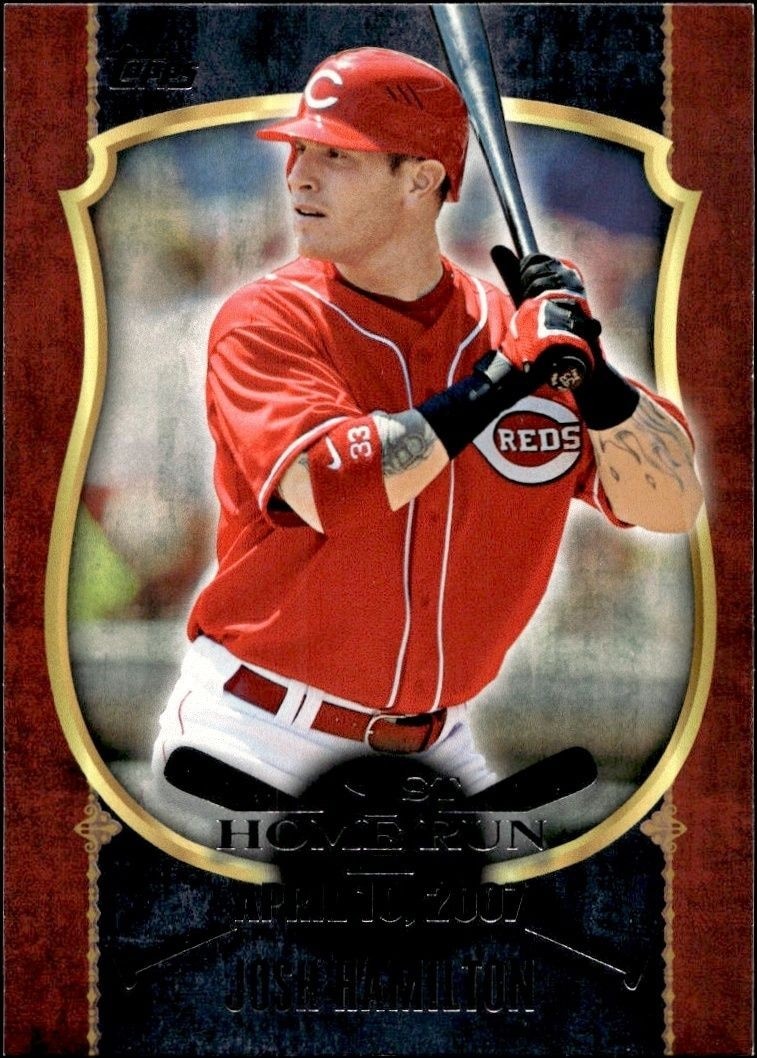
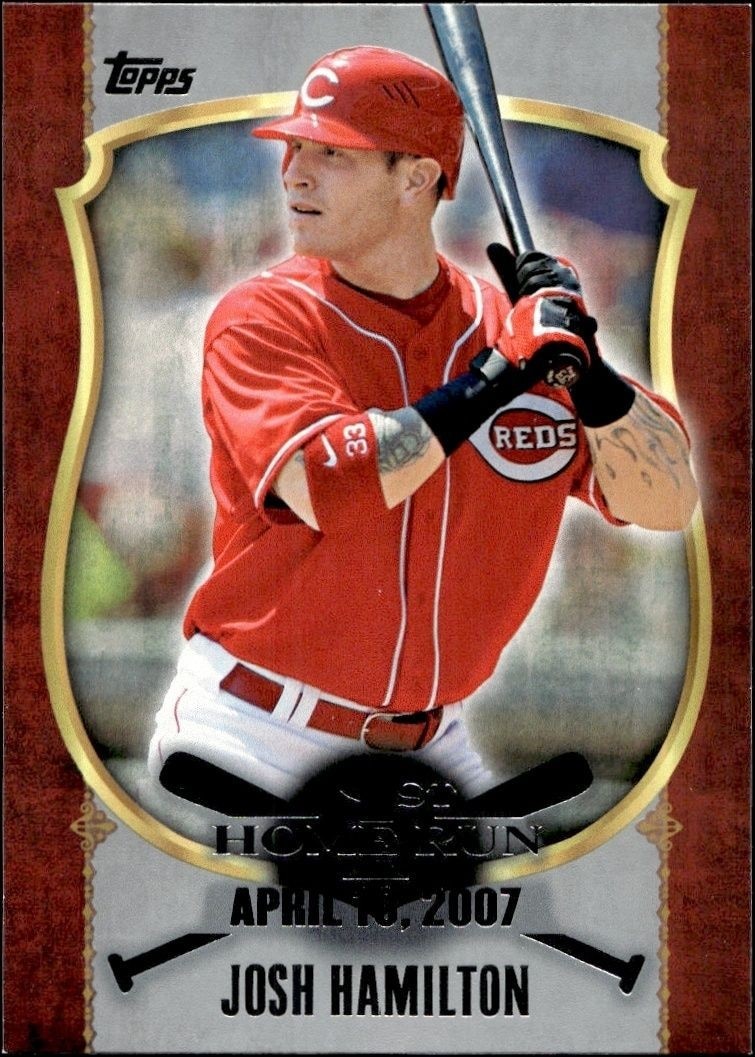
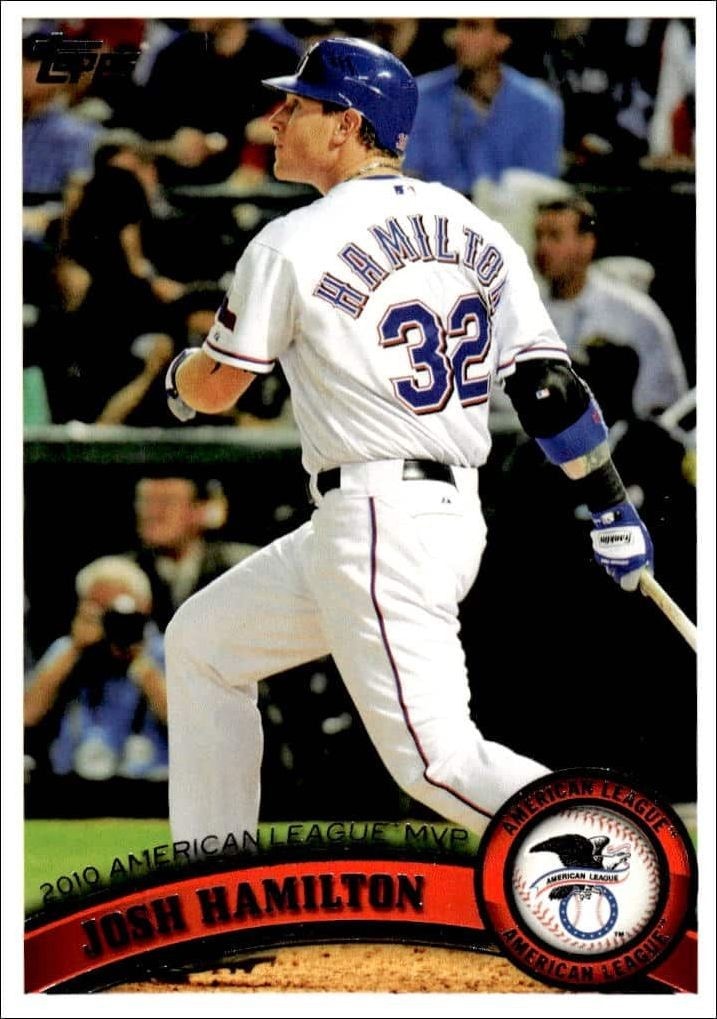
The 2003 Topps Josh Hamilton #325 sports trading card features the Tampa Bay Devil Rays player in a classic release format.
2003 • Topps
Major League Baseball • Tampa Bay Devil Rays
Near Mint
325
New
Shipping Calculated at Checkout
Arrives in 6-8 daysEstimated delivery October 23, 2026 - October 25, 2026
Seller returns October 19, 2026.30-day Returns| Condition | Value | Source | Trend | Price Details |
|---|---|---|---|---|
$0.99 | Guide Estimate | |||
$18.00As of 9/15/2026 | Completed Sales | |||
$2.00 | Guide Estimate | |||
$3.00 | Guide Estimate | |||
$8.94 | Guide Estimate | |||
$24.12 | Guide Estimate | |||
$57.00 | Guide Estimate | |||
$27.00 | Guide Estimate | |||
$44.16 | Guide Estimate | |||
$27.00 | Guide Estimate | |||
Raw / Ungraded
PriceCharting Price Guide · Guide Estimate evidence · captured Oct 5, 2026
History is building. At least two days of matching observations are needed to show a trend.
Each point is the last stored observation that day for this printing, condition, grader, autograph status and source. Gaps mean no observation; guide estimates and asking prices are not completed sales.The 2003 Topps Josh Hamilton #325 card stands as a notable entry in the history of the Tampa Bay Devil Rays franchise. Released during a pivotal era for the expansion team, this sports trading card captures a moment when the organization was establishing its identity in Major League Baseball. Collectors often seek out this card number to complete their base set collections or to trace the early career paths of players who went on to significant success in the league. Josh Hamilton's tenure with the Devil Rays is a distinct chapter in his biography, and cards from this 2003 Topps release document that period. The design reflects the standard aesthetic of the brand during the early 2000s, providing a nostalgic touchpoint for enthusiasts of vintage baseball memorabilia. Whether you are hunting for a specific team subset or focusing on individual player milestones, this issue offers a tangible connection to that time. The platform facilitates the discovery of different conditions and grades, allowing buyers to find the exact copy that fits their collecting goals. For those interested in the broader market of 2000s baseball cards, this card serves as an accessible entry point into the world of team-based collecting. It is a staple for anyone assembling a comprehensive archive of Tampa Bay Devil Rays history or tracking the progression of notable athletes from their debut seasons. The enduring appeal of 2003 Topps cards lies in their uniform design and widespread distribution, making them a cornerstone for many modern collections. This card number, 325, is easily identifiable within the base set, aiding in organization and cataloging for serious hobbyists. As the market for vintage sports cards continues to evolve, items from this era remain relevant for both new collectors entering the hobby and seasoned veterans looking to fill gaps in their archives.
1 day ago
We'll pre-fill the product details from this catalog entry, so your listing lands on this exact page. Just add photos of your copy, pick its condition, and set your price.
The catalog profile below summarizes the card identity, featured subject, and notable collectible traits.
The subject, team, league, and sport context tied to this card.
Production details and format-specific attributes.
Material
Card Stock
Language
English
Compare prices, grades, photos, and shipping from approved sellers.
New
Near Mint
See how many public collections currently include this card.
0 collectors have this card
This 2003 Topps base card of Josh Hamilton trades at a lower market tier compared to his more sought-after rookie or high-grade counterparts, reflecting its status as a standard issue from a mid-career period. While Hamilton holds significant name recognition, the lack of special attributes keeps this specific specimen below the premium price points commanded by graded or parallel variants. It serves as an accessible entry point for collectors focusing on his MLB tenure rather than his draft-era history.
The card carries no special scarcity mechanics, as it is a standard base issue without serial numbering, short-print designations, or parallel finishes. This means the supply is determined solely by the original print run of the 2003 Topps set, which is generally high and widely available. Consequently, individual copies do not benefit from limited-edition constraints that typically drive up value in other segments of the hobby.
As a non-rookie, non-premium base card, the investment potential is limited by the absence of unique collector demand drivers such as rookie-card premiums or autograph components. The primary demand stems from casual collectors seeking affordable roster completion or specific team sets, rather than serious investors looking for appreciation. Long-term value retention will likely track with the broader base card market rather than outperforming it.