





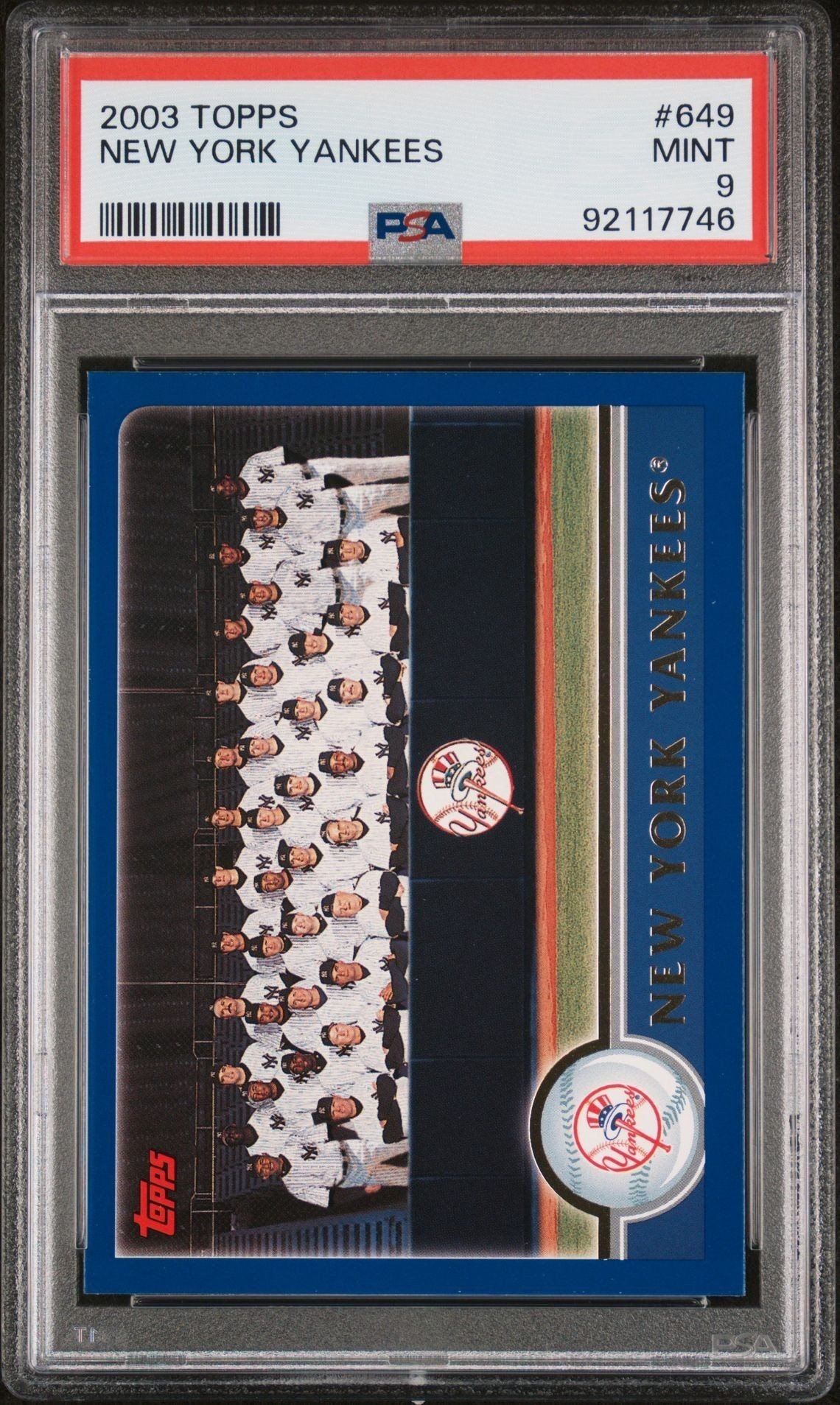
New York Yankees
2003 • Topps
Series 2 • #649
From$199.99
2 listings
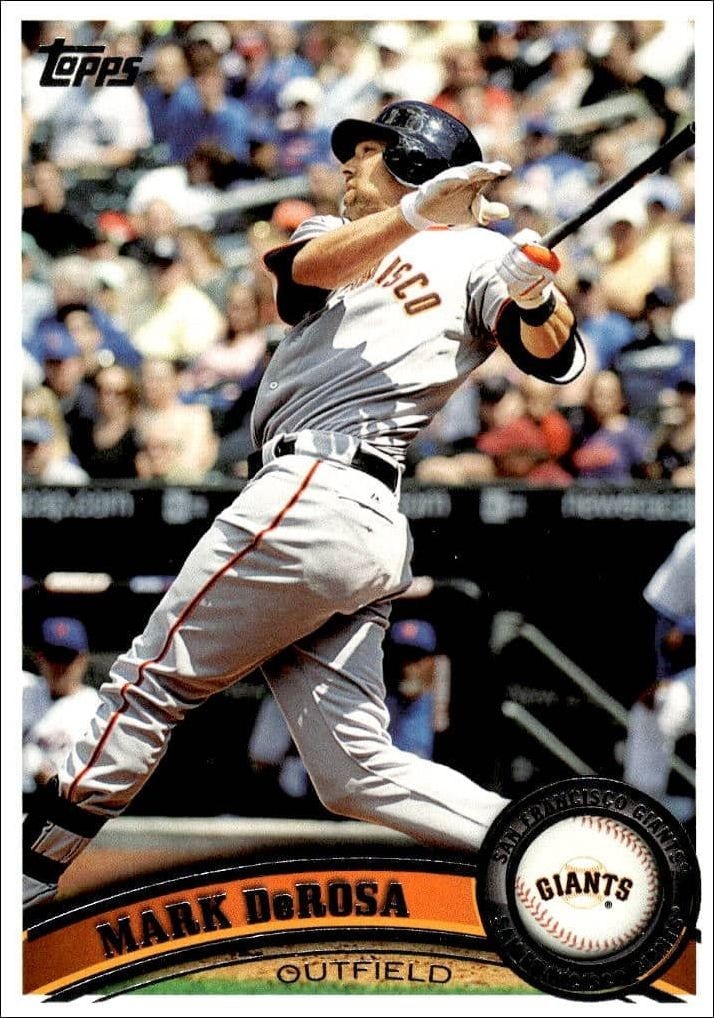
Explore the 2003 Topps Series 2 Mark Derosa #598 baseball card. This Atlanta Braves release is a sought-after component for dedicated Topps collectors.
2003 • Topps • Series 2
Major League Baseball • Atlanta Braves
Near Mint
598
New
Shipping Calculated at Checkout
Arrives in 5-7 daysEstimated delivery October 29, 2026 - October 31, 2026
30-day Returns| Condition | Value | Source | Trend | Price Details |
|---|---|---|---|---|
$1.69As of 10/3/2026 | Guide Estimate | |||
Raw / Ungraded
PriceCharting Price Guide · Guide Estimate evidence · captured Oct 3, 2026
History is building. At least two days of matching observations are needed to show a trend.
Each point is the last stored observation that day for this printing, condition, grader, autograph status and source. Gaps mean no observation; guide estimates and asking prices are not completed sales.The 2003 Topps Series 2 Mark Derosa #598 baseball card represents a specific moment in the storied history of the Atlanta Braves franchise. Released as part of Topps' secondary print run for that year, this numbered card offers collectors a distinct alternative to the primary base set, often featuring different design elements or player selections that appeal to subset builders. Mark Derosa was a versatile utility player for the Braves during this era, known for his defensive range and ability to play multiple positions in the infield. For collectors focusing on Atlanta Braves history or the 2003 Topps brand specifically, card #598 serves as a tangible connection to that season's roster dynamics. The 2003 Topps Series 2 release is particularly notable among hobbyists for its comprehensive coverage of MLB talent, providing a complete picture of the league during a competitive period in baseball history. Collecting this card number allows enthusiasts to complete their Series 2 collection without relying solely on base cards. Whether you are assembling a year-by-year collection or focusing on a specific team's timeline, identifying the correct card number is crucial for accuracy. The 2003 Topps brand remains a benchmark for modern baseball card design, and Series 2 cards are integral to understanding the full scope of that year's product. For investors and hobbyists alike, tracking the availability of specific numbered cards like Derosa's #598 is part of the broader collecting experience. Understanding the context of the Series 2 release helps collectors appreciate the nuances of the set and the players featured within it.
3 days ago
We'll pre-fill the product details from this catalog entry, so your listing lands on this exact page. Just add photos of your copy, pick its condition, and set your price.
The catalog profile below summarizes the card identity, featured subject, and notable collectible traits.
The core identity of the card within the set.
The subject, team, league, and sport context tied to this card.
Production details and format-specific attributes.
Material
Card Stock
Language
English
Compare prices, grades, photos, and shipping from approved sellers.
New
Near Mint
See how many public collections currently include this card.
0 collectors have this card
As a 2003 Topps Series 2 base card, this item sits at the entry level of the player's market, reflecting its status as a common parallel rather than a premium insert or autograph variant. The current pricing indicates a stable, low-tier valuation typical for non-premium baseball cards from this era, where supply significantly outpaces demand for role players. Condition sensitivity is minimal at this price point, meaning the card trades largely as a bulk or filler piece rather than a centerpiece collection item.
This card lacks any scarcity mechanics such as serial numbering, short-print designation, or unique parallels, placing it squarely in the common tier of the 2003 Topps Series 2 set. The absence of special attributes means the supply is effectively unlimited relative to collector demand, as it was produced in standard print runs without restriction. Consequently, the card does not benefit from the supply constraints that typically drive value appreciation in modern or vintage base sets.
The investment outlook is limited by the card's position as a non-rookie, base-set item for a player who did not achieve long-term All-Star status or Hall of Fame recognition. Without rookie-card premium mechanics or autograph components, demand is driven primarily by nostalgia or team-specific completionism rather than speculative growth. Investors should view this as a low-risk, low-reward asset suitable for filling gaps in a set rather than a vehicle for capital appreciation.
2003 • Topps
Series 2 • #649
2 listings

2024 • Topps
Series 2 • #500
2 listings

