





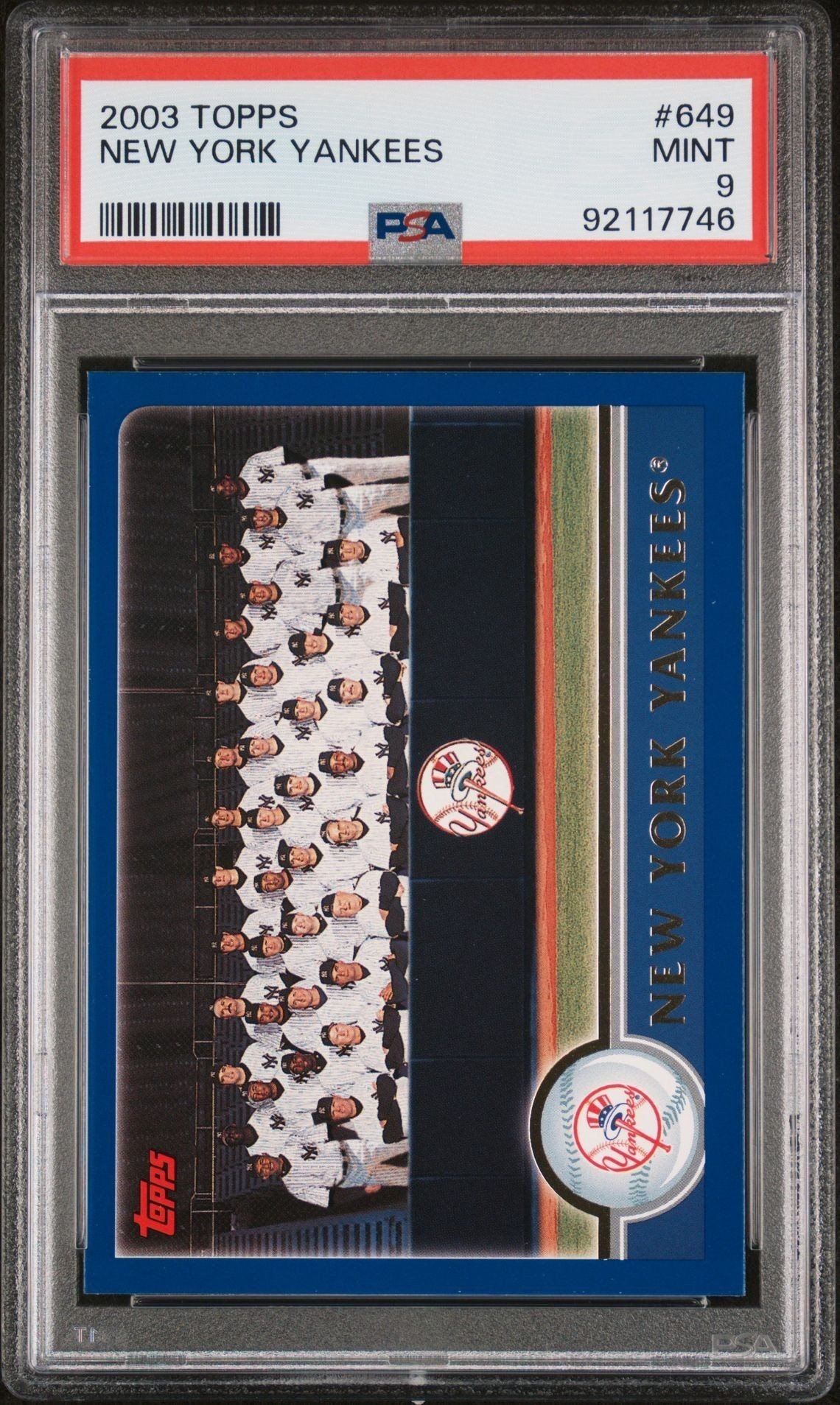
New York Yankees
2003 • Topps
Series 2 • #649
From$199.99
2 listings
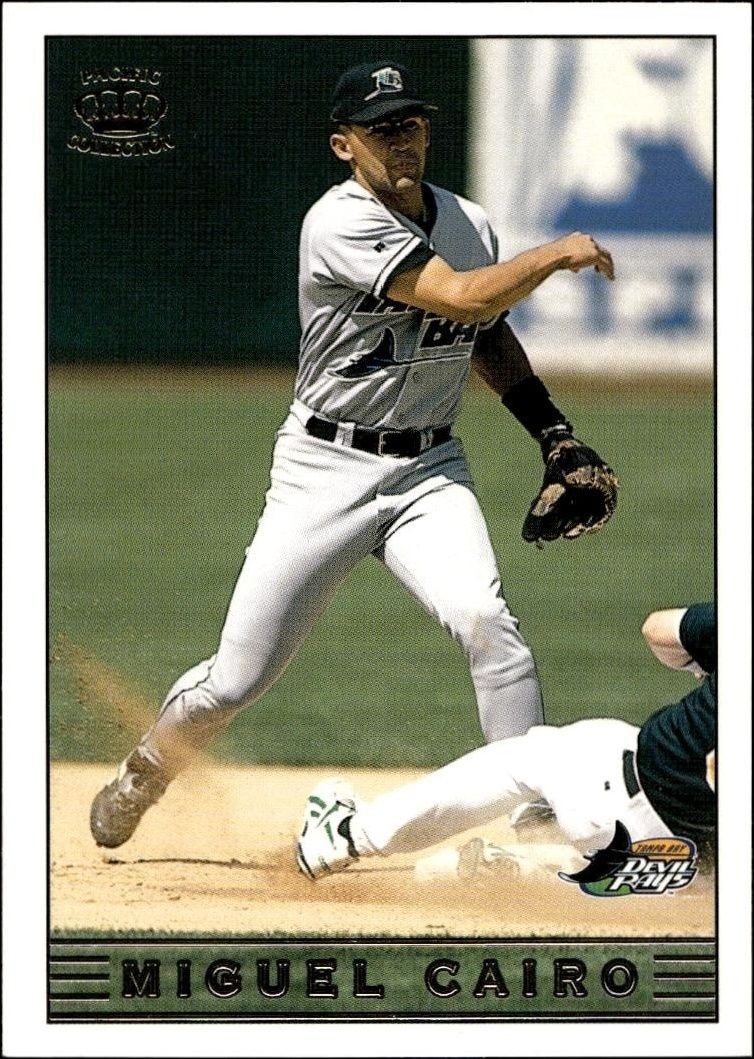
Miguel Cairo's 2003 Topps Series 2 baseball card, number 606, featuring his time with the St. Louis Cardinals.
2003 • Topps • Series 2
Major League Baseball • St. Louis Cardinals
Near Mint
606
New
Shipping Calculated at Checkout
Arrives in 5-7 daysEstimated delivery October 23, 2026 - October 25, 2026
Seller returns October 19, 2026.30-day Returns| Condition | Value | Source | Trend | Price Details |
|---|---|---|---|---|
$1.65As of 10/3/2026 | Guide Estimate | |||
Raw / Ungraded
PriceCharting Price Guide · Guide Estimate evidence · captured Oct 3, 2026
History is building. At least two days of matching observations are needed to show a trend.
Each point is the last stored observation that day for this printing, condition, grader, autograph status and source. Gaps mean no observation; guide estimates and asking prices are not completed sales.The 2003 Topps Series 2 release offers a distinct look at the 2003 baseball season, with card #606 highlighting Miguel Cairo during his tenure with the St. Louis Cardinals. Cairo's inclusion in this set captures his role as a versatile infielder, providing collectors with a tangible piece of the Cardinals' roster history from that era. For enthusiasts building a 2003 Topps complete set, card #606 is an essential addition. The product's identity is rooted in the classic Topps aesthetic, which has remained a benchmark for sports card design for decades. Collectors often seek out specific team subsets or player cards like Cairo's to complete their personal archives. The St. Louis Cardinals' branding on the card provides a clear visual anchor, appealing to fans of the franchise as well as those tracking Cairo's career trajectory within the sport. Whether you are focused on assembling a full series run or targeting individual player cards, this 2003 Topps release remains a relevant item for baseball memorabilia enthusiasts. The card serves as a historical record of the 2003 season, preserving the visual identity of players like Miguel Cairo during their time with the Cardinals. By focusing on the catalog details of the year, brand, and team, collectors can accurately identify and value this piece within the broader context of baseball card collecting.
1 day ago
We'll pre-fill the product details from this catalog entry, so your listing lands on this exact page. Just add photos of your copy, pick its condition, and set your price.
The catalog profile below summarizes the card identity, featured subject, and notable collectible traits.
The core identity of the card within the set.
The subject, team, league, and sport context tied to this card.
Production details and format-specific attributes.
Material
Card Stock
Language
English
Compare prices, grades, photos, and shipping from approved sellers.
New
Near Mint
See how many public collections currently include this card.
0 collectors have this card
Miguel Cairo's 2003 Topps Series 2 card represents a value entry point within the broader St. Louis Cardinals market, trading significantly below premium parallels or rookie issues. As a bench player during this period, the card commands a modest premium relative to common base cards of lesser-known players but remains accessible for casual collectors. The current pricing reflects its status as a standard base card without special autograph or relic components.
This item is a standard base card from the 2003 Topps Series 2 set, lacking any special scarcity mechanics such as serial numbering, short prints, or one-of-one designations. The supply is determined solely by the original print run of the base set, meaning it is widely available compared to limited-edition parallels. Collectors seeking rarity must look to higher-tier inserts or autographed versions within this product line.
The investment potential is limited by the card's classification as a non-rookie, base issue for a journeyman player with no Hall of Fame accolades. Demand is primarily driven by casual team set completionists rather than serious investors, resulting in stable but low growth potential. Long-term value retention depends on the broader nostalgia market for early 2000s baseball cards rather than individual player performance metrics.