





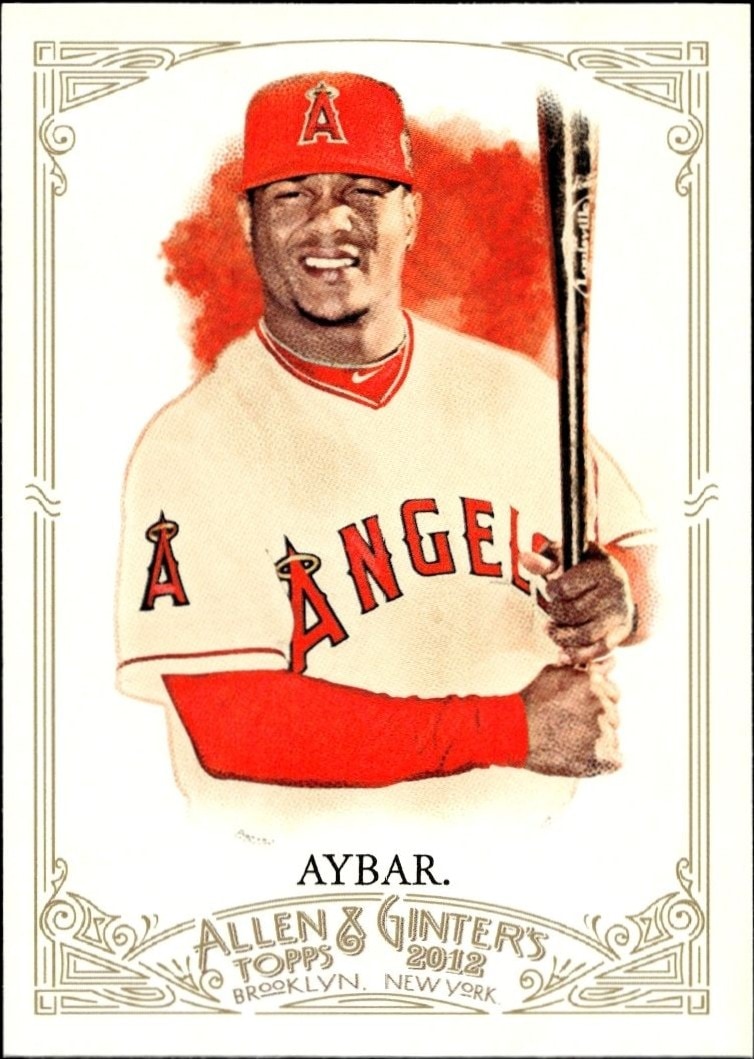
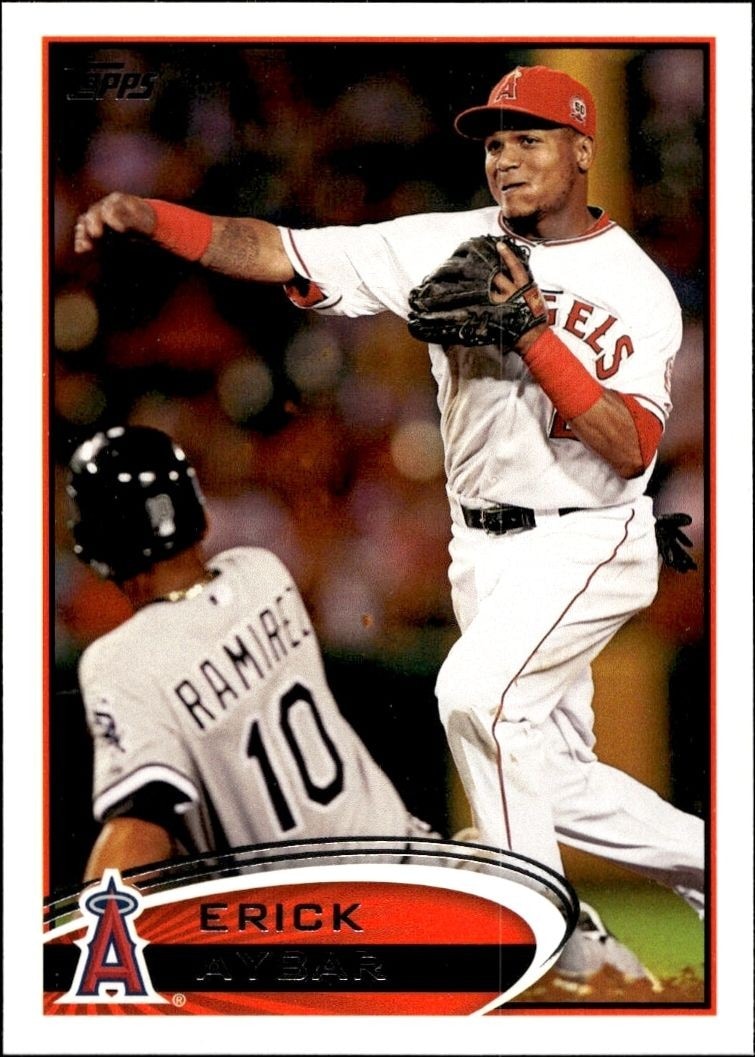
The 2011 Topps Series 1 #31 features Erick Aybar in his Los Angeles Angels uniform, representing a foundational entry for collectors of the era.
2011 • Topps • Series 1
Major League Baseball • Los Angeles Angels
Near Mint
31
New
Shipping Calculated at Checkout
This seller is away until 10/19/2026 — orders are still accepted and ship after they return.30-day Returns| Condition | Value | Source | Trend | Price Details |
|---|---|---|---|---|
$1.41As of 9/27/2026 | Guide Estimate | |||
Raw / Ungraded
PriceCharting Price Guide · Guide Estimate evidence · captured Sep 27, 2026
History is building. At least two days of matching observations are needed to show a trend.
Each point is the last stored observation that day for this printing, condition, grader, autograph status and source. Gaps mean no observation; guide estimates and asking prices are not completed sales.The 2011 Topps Series 1 #31 card captures Erick Aybar during his tenure with the Los Angeles Angels, offering collectors a tangible piece of that specific MLB season. As part of the foundational 2011 Topps release, this product represents the classic design language that defined mainstream baseball card collecting during that period. Collectors often target this card number to complete the base set, which serves as a comprehensive visual record of the league's rosters for the year. For enthusiasts of the Los Angeles Angels franchise, this Erick Aybar card provides a focused look at a key infielder from the team's lineup. The straightforward design of the 2011 Topps Series 1 allows the player's image and team affiliation to take center stage, making it a versatile addition to any collection. Whether you are building a team set, tracking a specific player's career trajectory, or simply appreciating the nostalgia of early 2010s baseball memorabilia, this card holds a distinct place in the hobby. The enduring appeal of base cards from this era lies in their accessibility and the clear, iconic imagery that defined the brand's identity. For those looking to add a piece of Angels history or expand their collection of 2011 baseball cards, this Erick Aybar #31 offers a solid and recognizable option for dedicated hobbyists.
8 hours ago
We'll pre-fill the product details from this catalog entry, so your listing lands on this exact page. Just add photos of your copy, pick its condition, and set your price.
The catalog profile below summarizes the card identity, featured subject, and notable collectible traits.
The core identity of the card within the set.
The subject, team, league, and sport context tied to this card.
Production details and format-specific attributes.
Material
Card Stock
Language
English
Compare prices, grades, photos, and shipping from approved sellers.
New
Near Mint
See how many public collections currently include this card.
0 collectors have this card
This 2011 Topps Series 1 Erick Aybar card represents a baseline entry-level asset, trading at a modest price point typical for non-premium parallel issues from this era. While Aybar holds significance as a long-tenured Angels shortstop, the lack of special attributes keeps this specific slab within the lower tier of his collectible portfolio. It serves as an affordable option for collectors seeking to complete base set requirements rather than those targeting high-value investment pieces.
The card carries no special scarcity mechanics such as serial numbering, short printing, or unique parallels, meaning it exists within the standard mass-produced base set distribution. As a common base card, its supply is effectively infinite relative to collector demand, lacking the artificial constraints that drive premium valuations in secondary markets. Collectors generally view this as a ubiquitous item rather than a scarce find.
Positioned as a standard base card in a major brand release, this item lacks the rookie premium or limited-edition status required for significant appreciation. Demand is driven primarily by set-building needs rather than speculative interest, resulting in stable but low-growth potential. Investors should view this as a utility purchase for collection completion rather than a vehicle for capital growth.