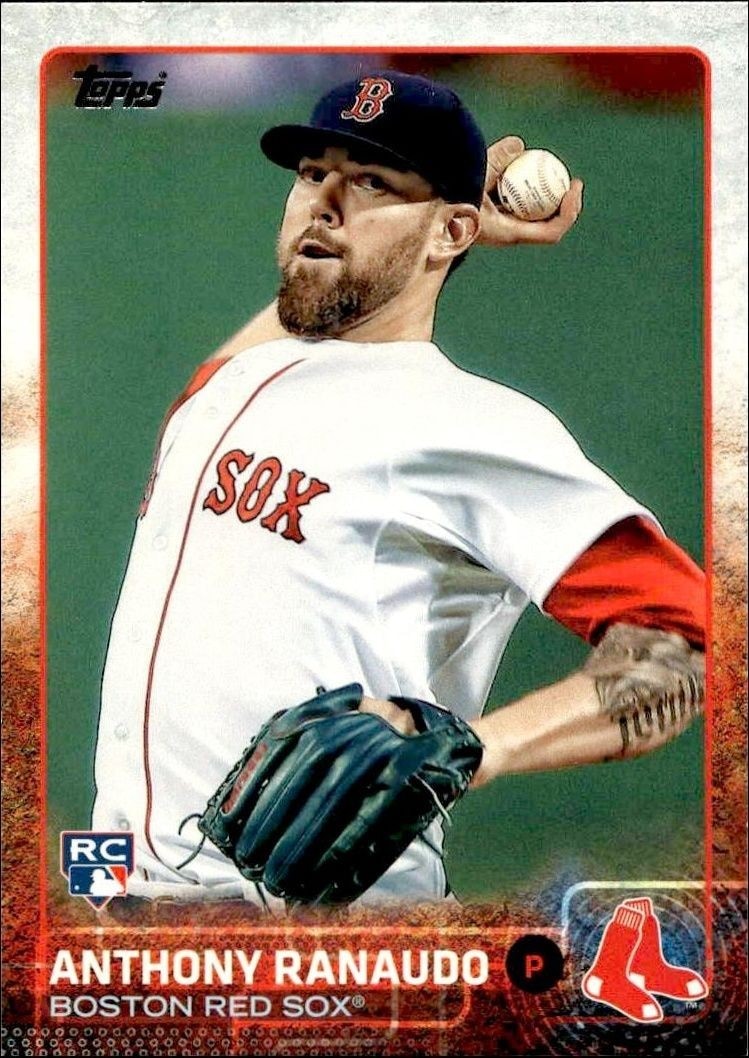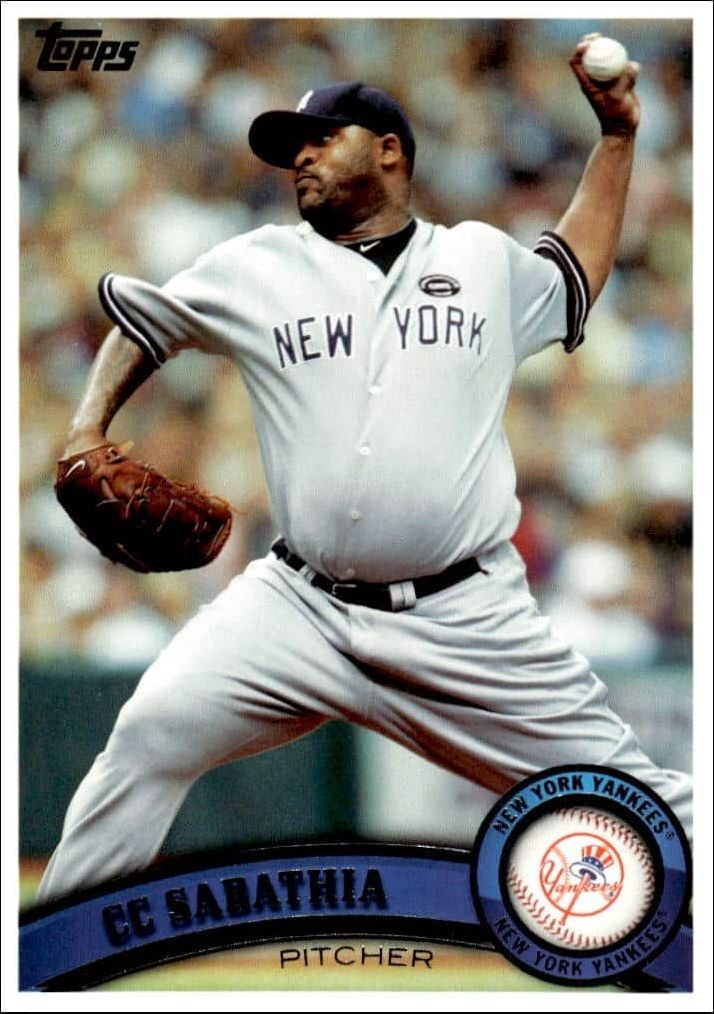


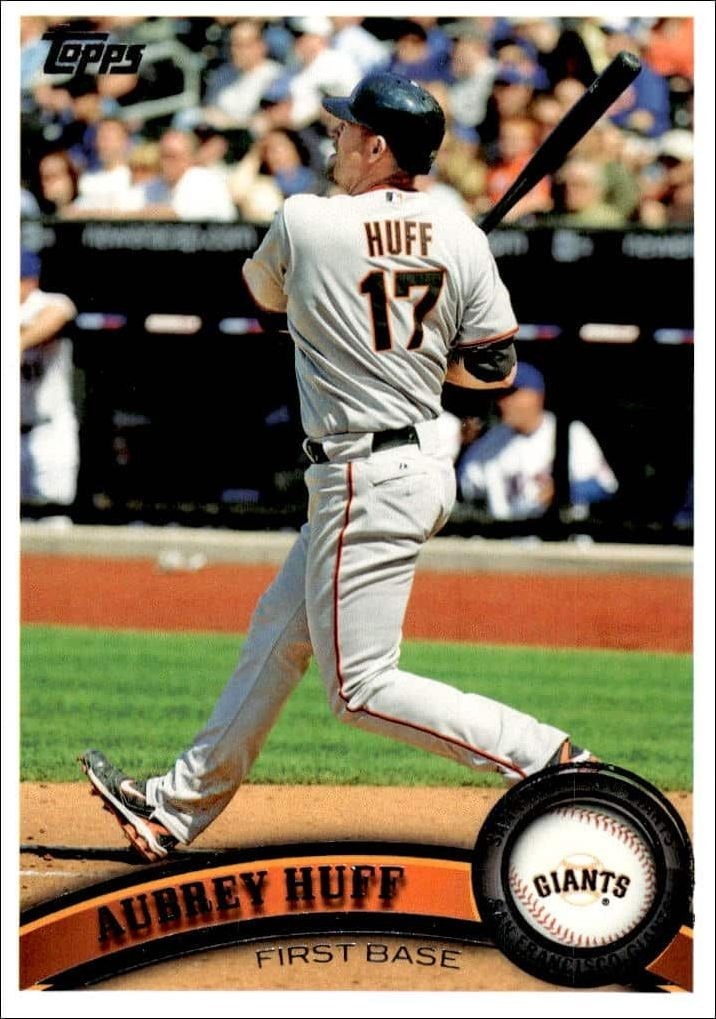

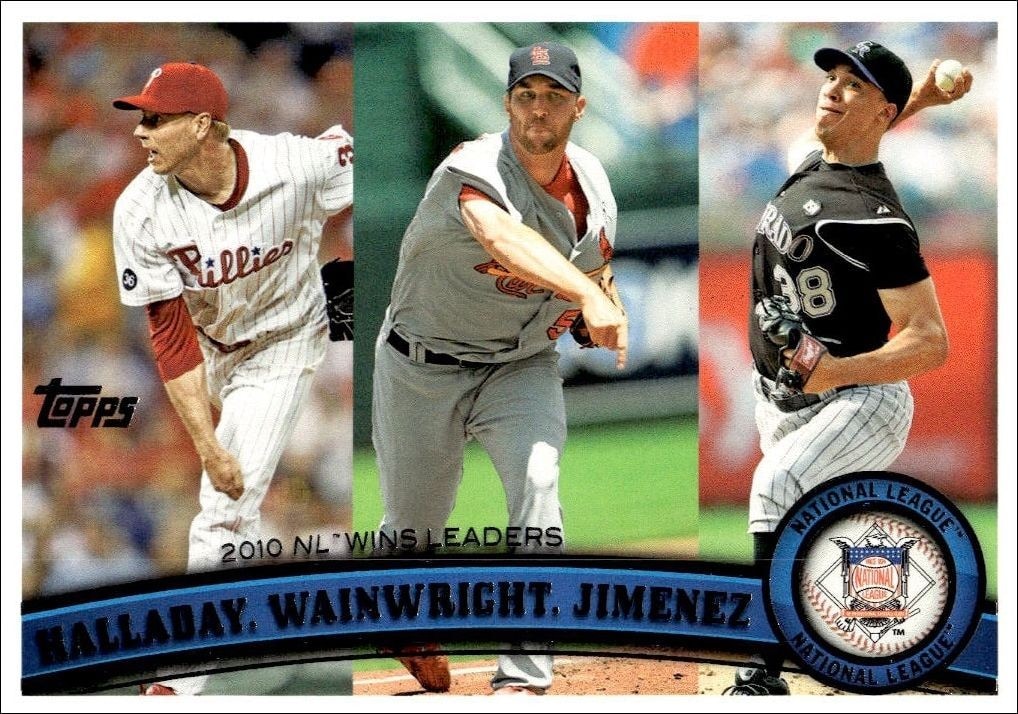

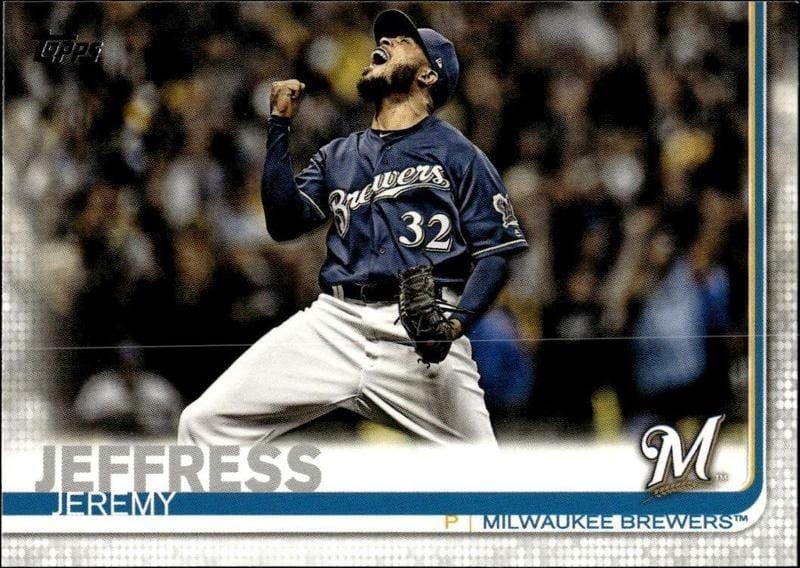
The 2011 Topps Series 1 #143 card features Milwaukee Brewers pitcher Jeremy Jeffress, offering a snapshot of a player during his MLB tenure within one of the most recognizable annual releases.
2011 • Topps • Series 1
Major League Baseball • Milwaukee Brewers
Near Mint
143
New
Shipping Calculated at Checkout
Arrives in 5-7 daysEstimated delivery October 23, 2026 - October 25, 2026
Seller returns October 19, 2026.30-day Returns| Condition | Value | Source | Trend | Price Details |
|---|---|---|---|---|
$0.99As of 9/30/2026 | Guide Estimate | |||
Raw / Ungraded
PriceCharting Price Guide · Guide Estimate evidence · captured Sep 30, 2026
History is building. At least two days of matching observations are needed to show a trend.
Each point is the last stored observation that day for this printing, condition, grader, autograph status and source. Gaps mean no observation; guide estimates and asking prices are not completed sales.The 2011 Topps Series 1 #143 card features Milwaukee Brewers pitcher Jeremy Jeffress, offering a snapshot of a player during his MLB tenure within one of the most recognizable annual releases. As a staple of the baseball trading card hobby, this product represents a specific moment in the player's career history, captured by the manufacturer known for its consistent design language and broad market presence. Collectors often seek out cards from this era to complete base sets or to build focused collections around specific franchises. The card serves as a tangible record of Jeffress's time with the Brewers, making it a relevant addition for those tracking the team's roster evolution. For investors and hobbyists alike, understanding the context of the release year and the specific card number within the larger set is essential for accurate cataloging and valuation. Whether you are looking to round out a vintage collection or acquire a specific player card for your portfolio, this product provides a direct link to the original production. The enduring popularity of Topps baseball cards ensures that items like the 2011 Topps Series 1 #143 remain active components of the secondary market. Focus on the integrity of the card and its place in the broader narrative of sports memorabilia when evaluating its worth.
23 hours ago
We'll pre-fill the product details from this catalog entry, so your listing lands on this exact page. Just add photos of your copy, pick its condition, and set your price.
The catalog profile below summarizes the card identity, featured subject, and notable collectible traits.
The core identity of the card within the set.
The subject, team, league, and sport context tied to this card.
Production details and format-specific attributes.
Material
Card Stock
Language
English
Compare prices, grades, photos, and shipping from approved sellers.
New
Near Mint
See how many public collections currently include this card.
0 collectors have this card
This base card sits at the lowest tier of the market, reflecting its status as a common insert from a 2011 Topps Series 1 release rather than a premium parallel or special edition. While Jeremy Jeffress had a defined MLB career, the lack of special attributes means this specific item does not command a premium over similar base cards from the same era. It trades well below the value of any graded or serial-numbered counterpart in his portfolio.
The card possesses no scarcity mechanics, as it is a standard base issue without serial numbering, short-print designation, or unique parallel features. This mass-produced nature results in an effectively unlimited supply relative to collector demand, distinguishing it sharply from limited edition or one-of-one variants. The absence of any special attributes ensures it remains a common item within the broader set distribution.
As a non-rookie base card from a major brand, this item lacks the specific scarcity drivers or milestone significance that typically fuel collector demand. Its position as a standard base card from 2011 suggests minimal appreciation potential compared to rookie cards or short-print parallels of the same player. Investors should view this as a low-value filler piece rather than a store of value.