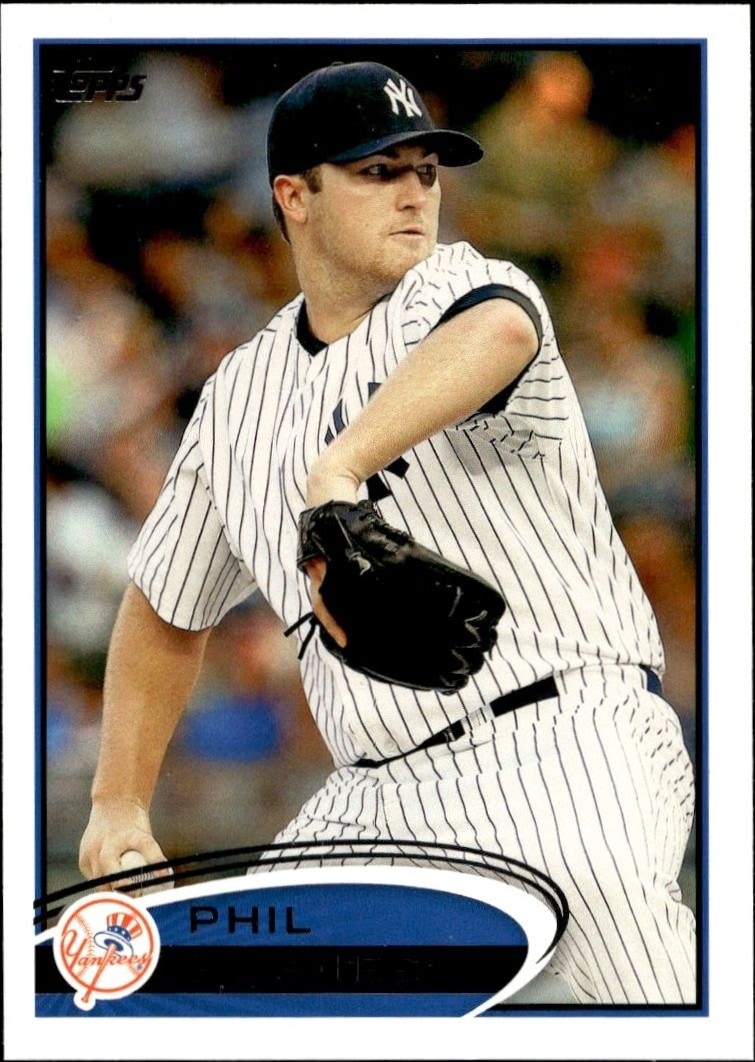




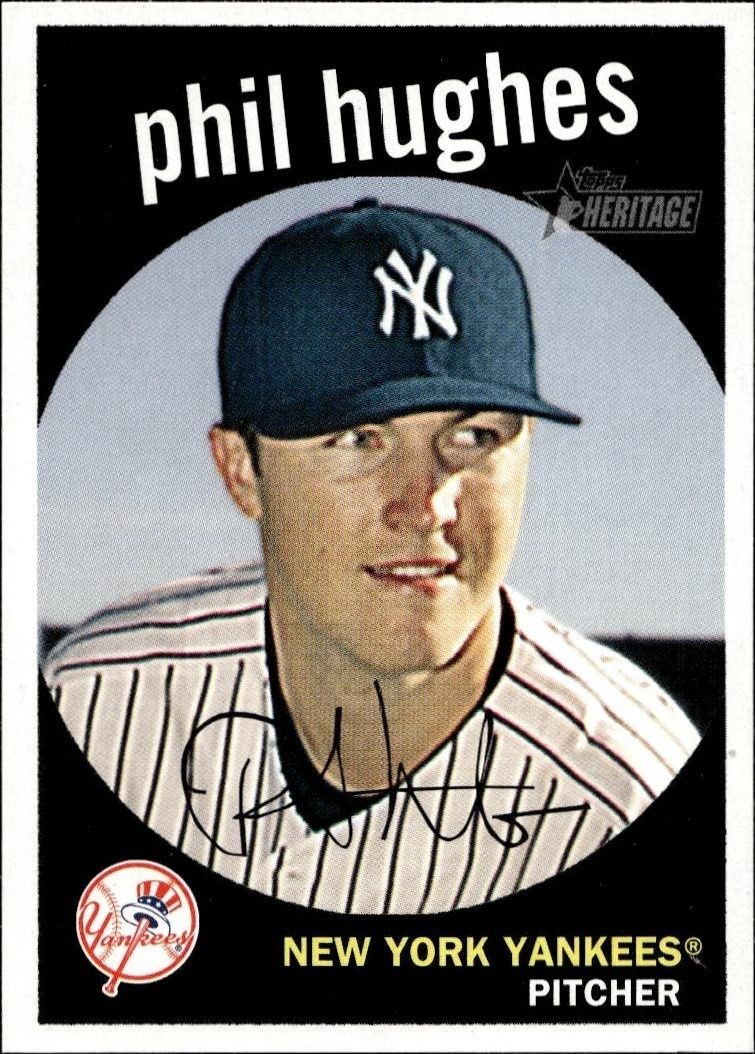
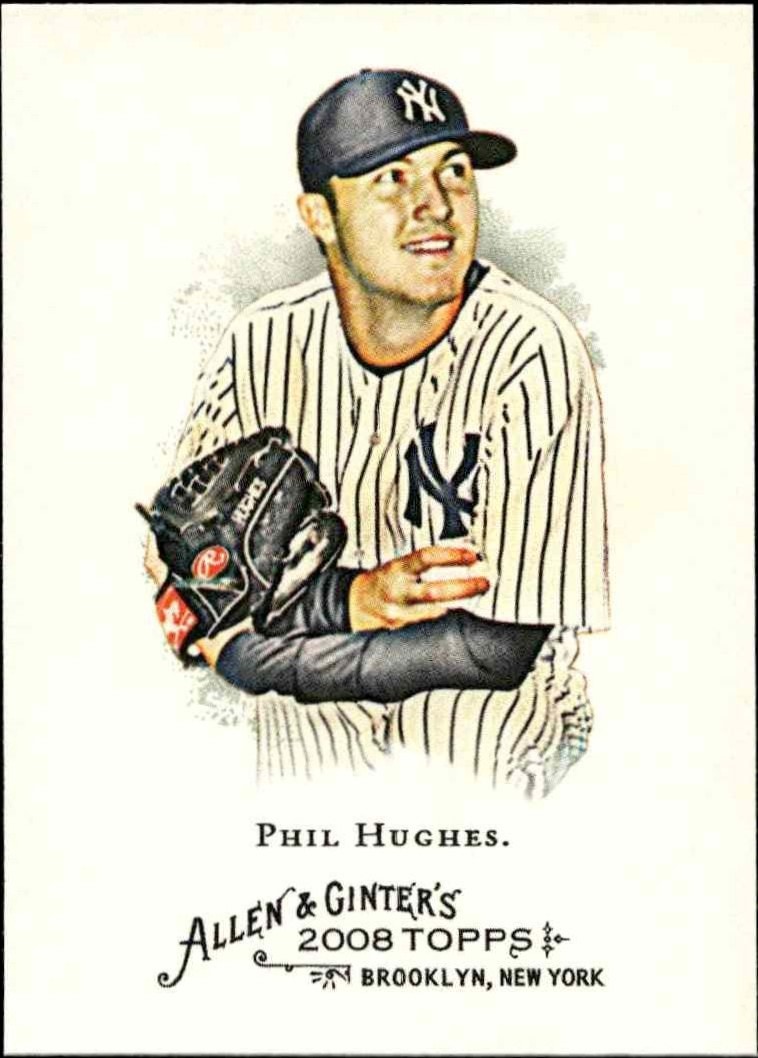


Explore the 2011 Topps Series 2 Phil Hughes #475 baseball card, a standard issue from the New York Yankees featuring the pitcher during his tenure in the Bronx.
2011 • Topps • Series 2
Major League Baseball • New York Yankees
Near Mint
475
New
Shipping Calculated at Checkout
30-day Returns| Condition | Value | Source | Trend | Price Details |
|---|---|---|---|---|
$1.52As of 10/4/2026 | Guide Estimate | |||
$22.00As of 10/4/2026 | Guide Estimate | |||
$10.00As of 10/4/2026 | Guide Estimate | |||
$16.99As of 10/4/2026 | Guide Estimate | |||
$10.00As of 10/4/2026 | Guide Estimate | |||
Raw / Ungraded
PriceCharting Price Guide · Guide Estimate evidence · captured Oct 4, 2026
History is building. At least two days of matching observations are needed to show a trend.
Each point is the last stored observation that day for this printing, condition, grader, autograph status and source. Gaps mean no observation; guide estimates and asking prices are not completed sales.The 2011 Topps Series 2 Phil Hughes #475 baseball card stands as a notable entry for collectors focusing on New York Yankees rosters from the early 2010s. Issued by Topps as part of their flagship baseball series, this card captures Hughes during a pivotal period in his career with the Yankees. As the primary starting pitcher for the team during this era, Hughes was a central figure in the franchise's rotation, making his inclusion in this release highly relevant for fans and historians alike. Collectors often seek out this card number to complete the broader 2011 Topps Series 2 checklist. For those building a comprehensive collection of Yankees players from this time, this card serves as an essential component. It bridges the gap between the team's recent past and their future successes, offering a tangible connection to the players who defined the era. Whether you are looking to fill gaps in your personal archive or invest in pieces of baseball history, finding the right cards can be a rewarding pursuit. Adding the Phil Hughes card to your collection allows you to own a piece of the team's legacy from a dynamic year in MLB history. Focus on the historical context and the player's impact to appreciate the card's place in the larger narrative of baseball.
3 days ago
We'll pre-fill the product details from this catalog entry, so your listing lands on this exact page. Just add photos of your copy, pick its condition, and set your price.
The catalog profile below summarizes the card identity, featured subject, and notable collectible traits.
The core identity of the card within the set.
The subject, team, league, and sport context tied to this card.
Production details and format-specific attributes.
Material
Card Stock
Language
English
Compare prices, grades, photos, and shipping from approved sellers.
New
Near Mint
See how many public collections currently include this card.
0 collectors have this card
This 2011 Topps Series 2 Phil Hughes card represents a standard base-level entry, trading at a modest tier relative to the broader Yankees roster due to its lack of special attributes. While it maintains a stable presence in the secondary market, it does not command the premiums associated with autographed or parallel variations. The card reflects the typical liquidity of a mainstream rookie-year issue from a major franchise player.
As a standard base card within the 2011 Topps Series 2 set, this item carries no serial numbering, short-print status, or parallel treatment that would artificially constrain supply. Its availability is determined solely by the original print run of the base set, resulting in high circulation volume. Consequently, it lacks the scarcity mechanics that typically drive value appreciation in specialized subsets.
The card benefits from the rookie-card premium associated with Hughes's debut season in a high-profile market like the New York Yankees. However, without unique parallels or autographs to differentiate it, demand remains limited to collectors seeking complete base set completion. Long-term value retention will likely track with general set interest rather than individual player performance metrics.