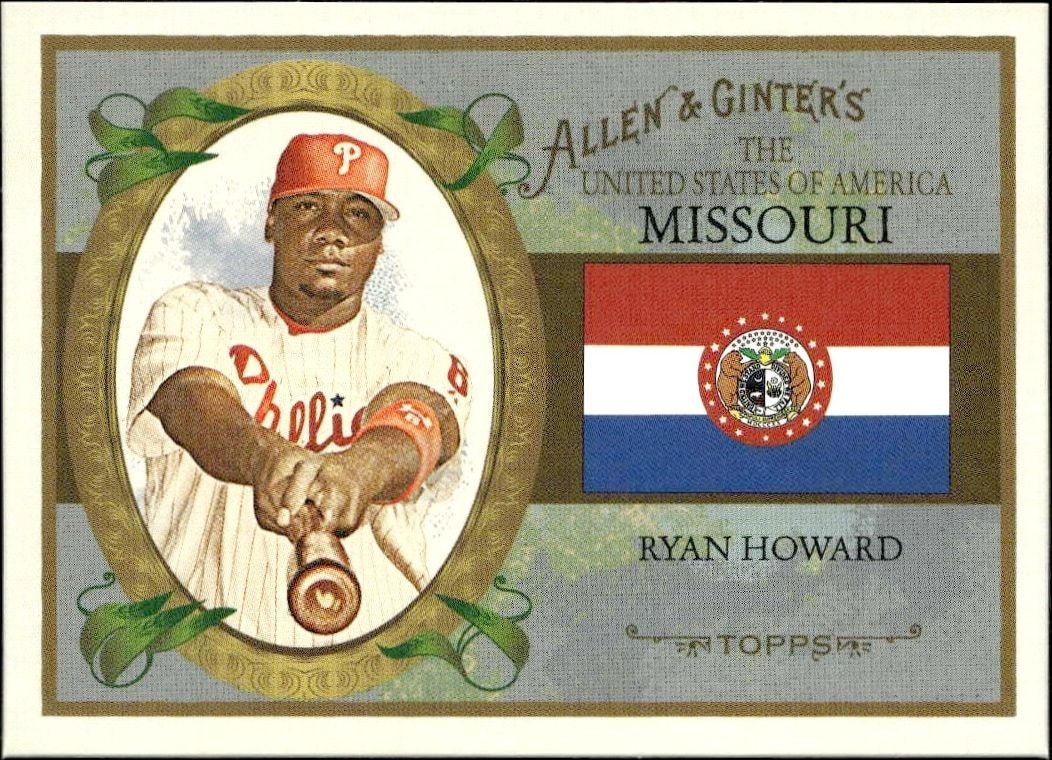





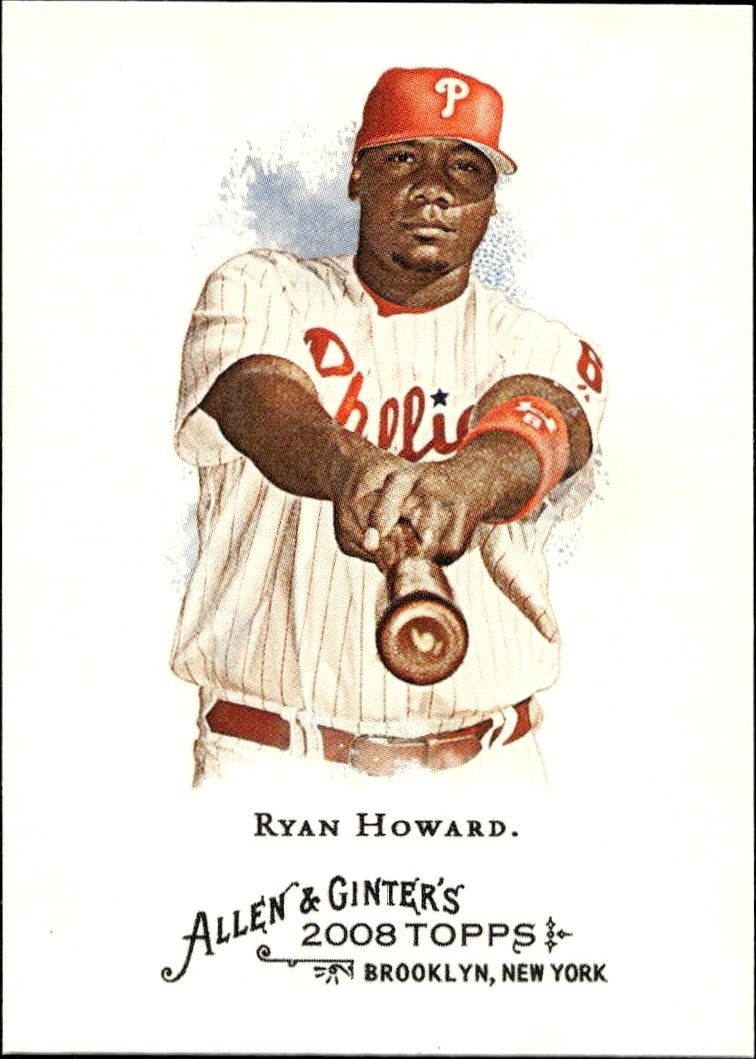

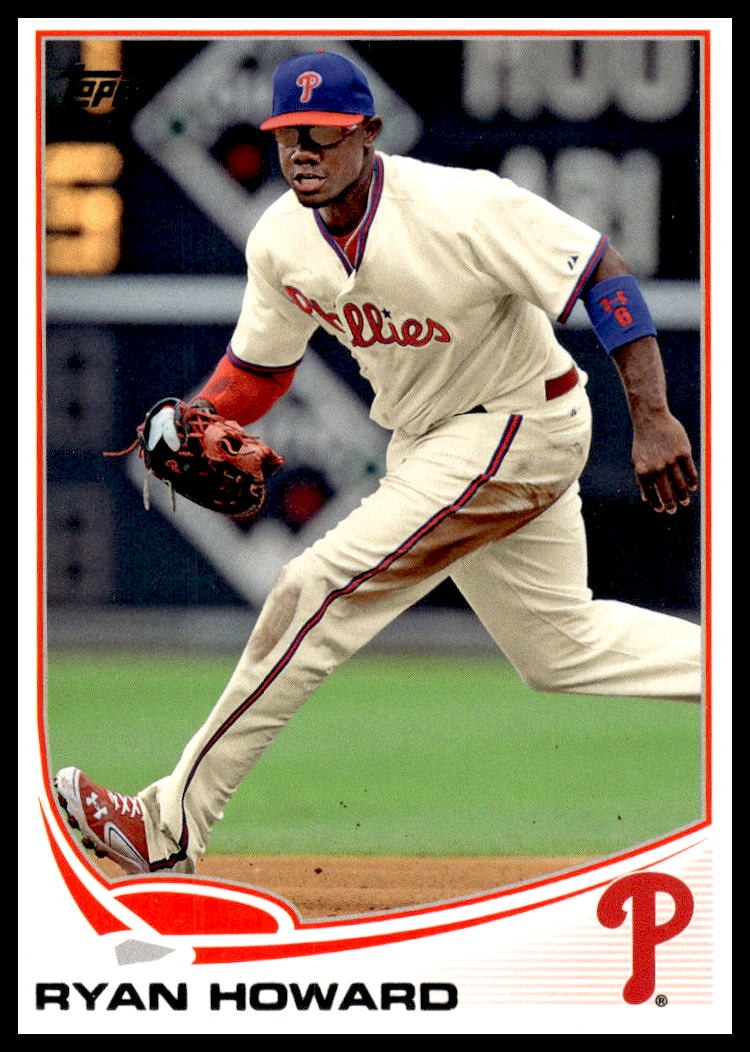
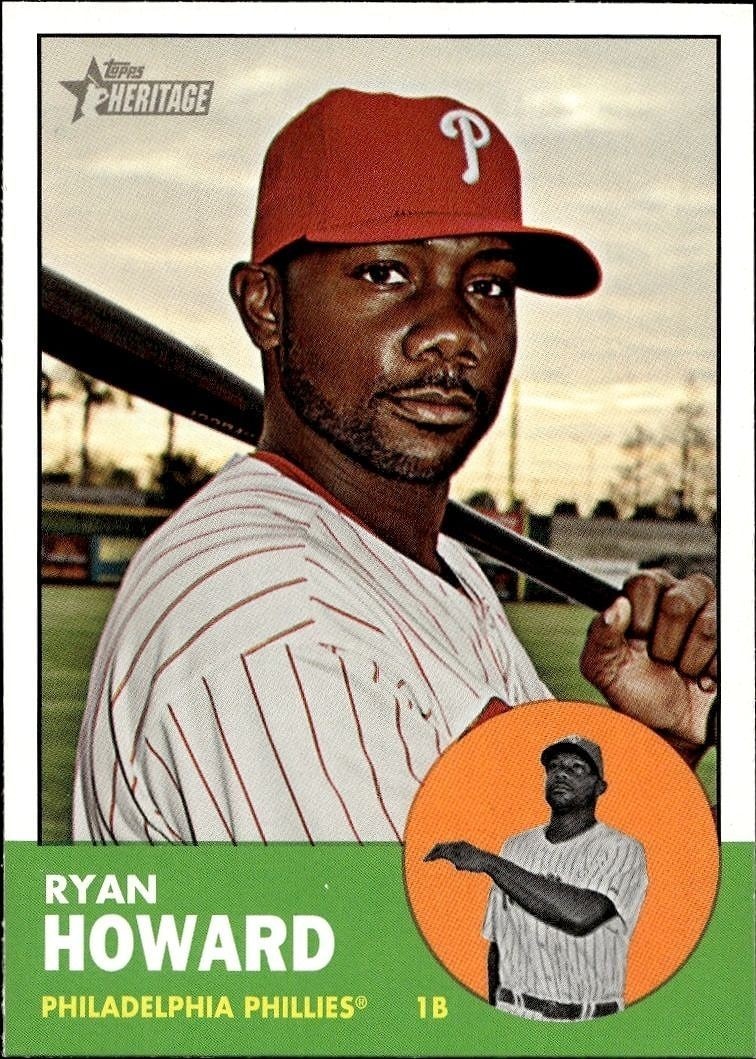
The 2012 Topps Series 1 Ryan Howard #280 baseball card features the Philadelphia Phillies player in a classic Topps design, serving as a staple for collectors of MLB sports cards.
2012 • Topps • Series 1
Major League Baseball • Philadelphia Phillies
Near Mint
280
New
Shipping Calculated at Checkout
Arrives in 5-7 daysEstimated delivery October 29, 2026 - October 31, 2026
30-day Returns| Condition | Value | Source | Trend | Price Details |
|---|---|---|---|---|
$2.69 | Guide Estimate | 0% | ||
$30.00 | Guide Estimate | 0% | ||
$33.00 | Guide Estimate | 0% | ||
$36.00 | Guide Estimate | 0% | ||
$104.00 | Guide Estimate | 0% | ||
$32.00 | Guide Estimate | -33.3% | ||
$80.00 | Guide Estimate | 0% | ||
$48.00 | Guide Estimate | 0% | ||
Raw / Ungraded
PriceCharting Price Guide · Guide Estimate evidence · captured Oct 23, 2026
The 2012 Topps Series 1 Ryan Howard #280 baseball card is a distinct entry in the modern trading card landscape, capturing the Philadelphia Phillies star during a pivotal era of his career. As part of the foundational 2012 Topps release, this card embodies the clean, recognizable design language that has made the brand a cornerstone of the hobby for decades. Collectors and investors frequently target this card number for its straightforward presentation and historical relevance within the sport of baseball. Ryan Howard remains one of the most recognizable figures in Phillies history, and owning a piece of his career from this vintage is a priority for many dedicated fans. The #280 designation places this card within a well-known sequence that fans often use to track their progress while assembling complete sets. Whether you are focusing on team-specific collections or building a broad portfolio of MLB memorabilia, this card offers a tangible connection to the Philadelphia Phillies' legacy. For those interested in the broader market of sports collectibles, the 2012 Topps Series 1 set provides a rich tapestry of players and moments from that season. This card stands out not just for its subject, but for its place in a widely distributed and easily identifiable product line. The enduring appeal of Topps ensures that this release continues to hold significance for new and veteran collectors alike. By acquiring this card, you are adding a verified piece of baseball history to your collection, representing both a specific player's tenure and a classic year in the sport.
3 days ago
We'll pre-fill the product details from this catalog entry, so your listing lands on this exact page. Just add photos of your copy, pick its condition, and set your price.
The catalog profile below summarizes the card identity, featured subject, and notable collectible traits.
The core identity of the card within the set.
The subject, team, league, and sport context tied to this card.
Production details and format-specific attributes.
Material
Card Stock
Language
English
Compare prices, grades, photos, and shipping from approved sellers.
New
Near Mint
See how many public collections currently include this card.
0 collectors have this card
This 2012 Topps Series 1 Ryan Howard card sits at the lower end of the price spectrum, reflecting its status as a standard base card from a later stage in his career. While Howard remains a recognizable figure in Phillies history, the lack of special attributes means it does not command a significant premium over similar base issues. It trades at a modest value tier relative to his other collectibles, serving as an accessible entry point for collectors rather than a high-value asset.
The card carries no scarcity mechanics such as serial numbering, short printing, or parallel variations, placing it firmly in the general population. As a standard base card, its supply is effectively unlimited relative to collector demand, meaning it does not benefit from limited edition constraints. This standard production run ensures that availability is high, preventing any rarity-driven price support.
As a non-rookie card from a mainstream set, this item lacks the rookie-card premium mechanics that typically drive long-term value appreciation. Collector demand is likely limited to those seeking specific team or era completeness rather than speculative growth. Without unique attributes to differentiate it from the broader set, it offers minimal upside and should be viewed primarily as a filler piece for a collection.