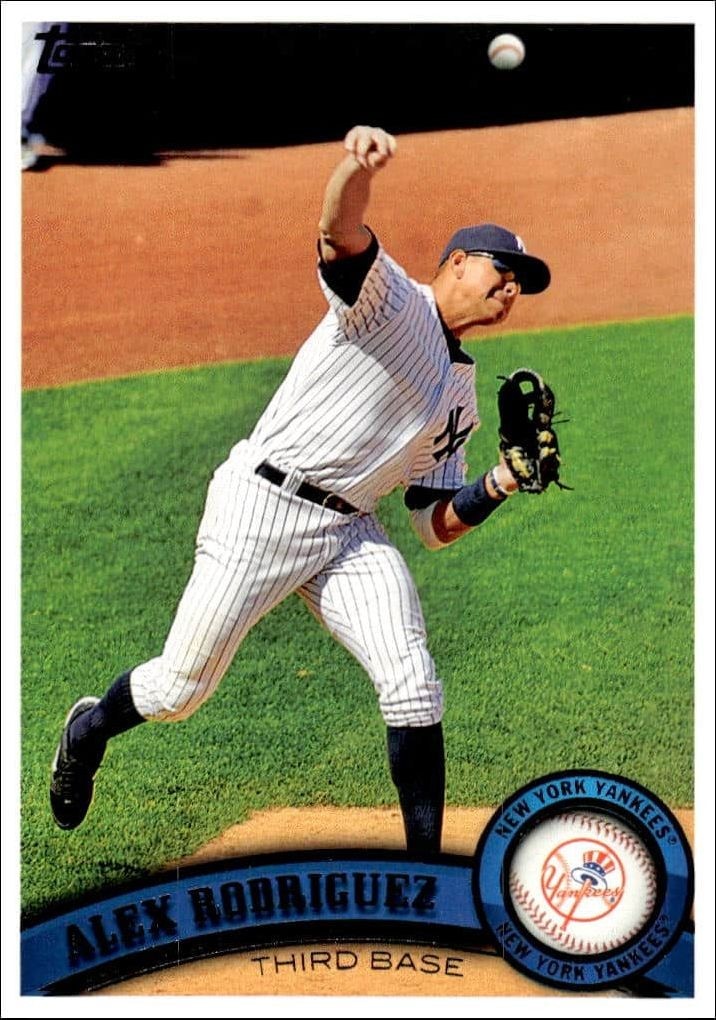





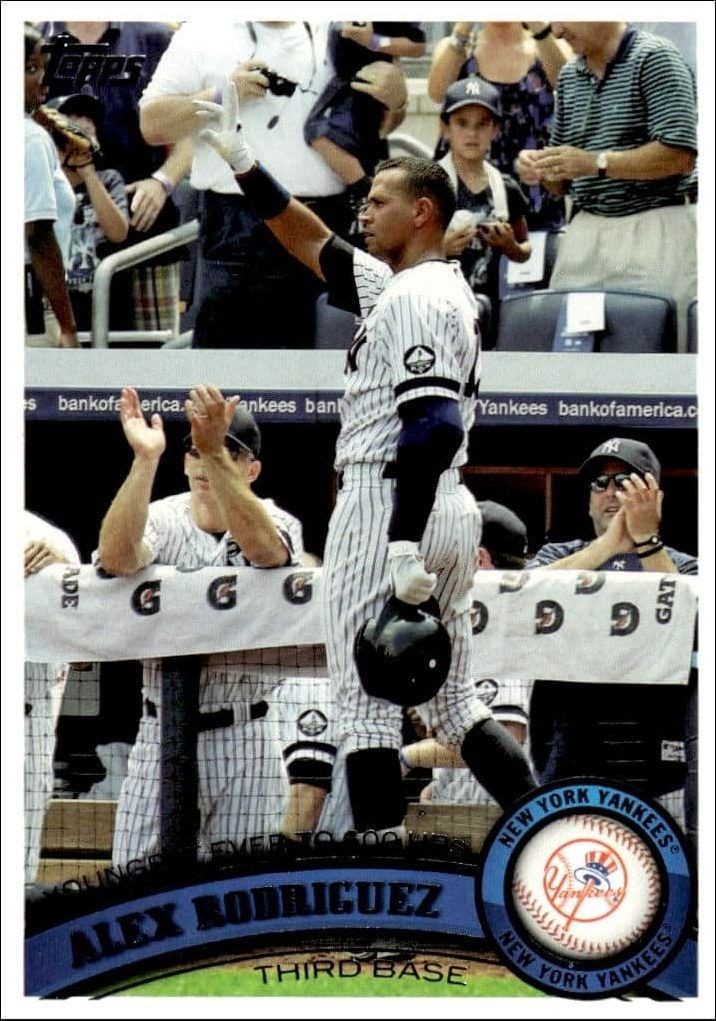
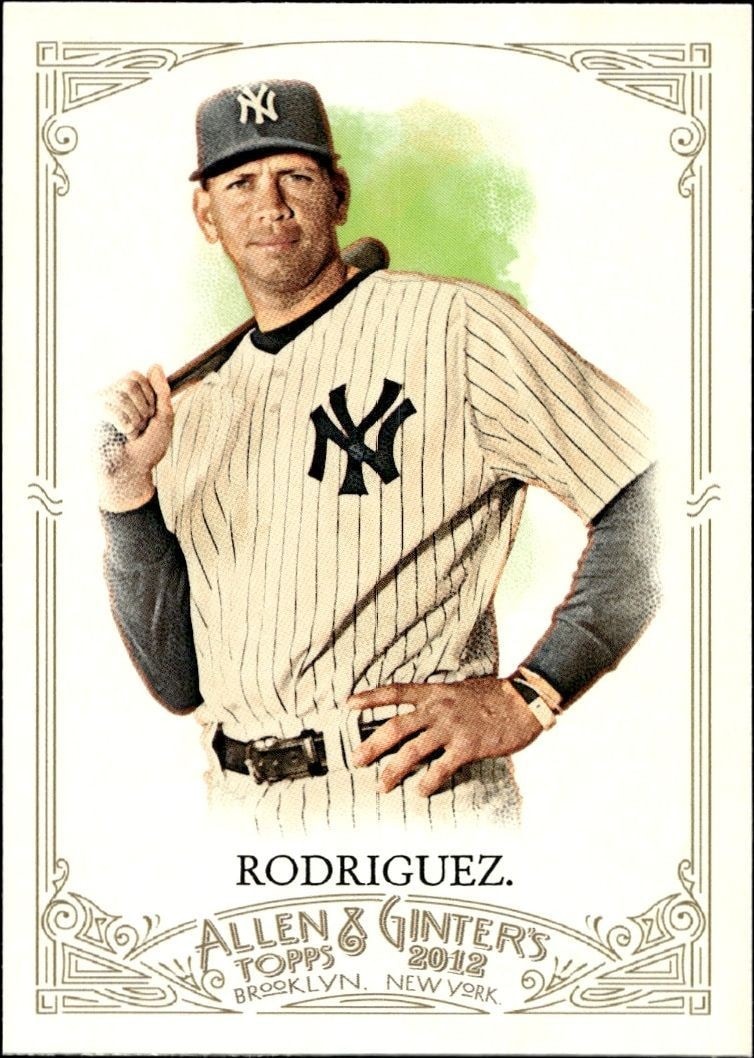
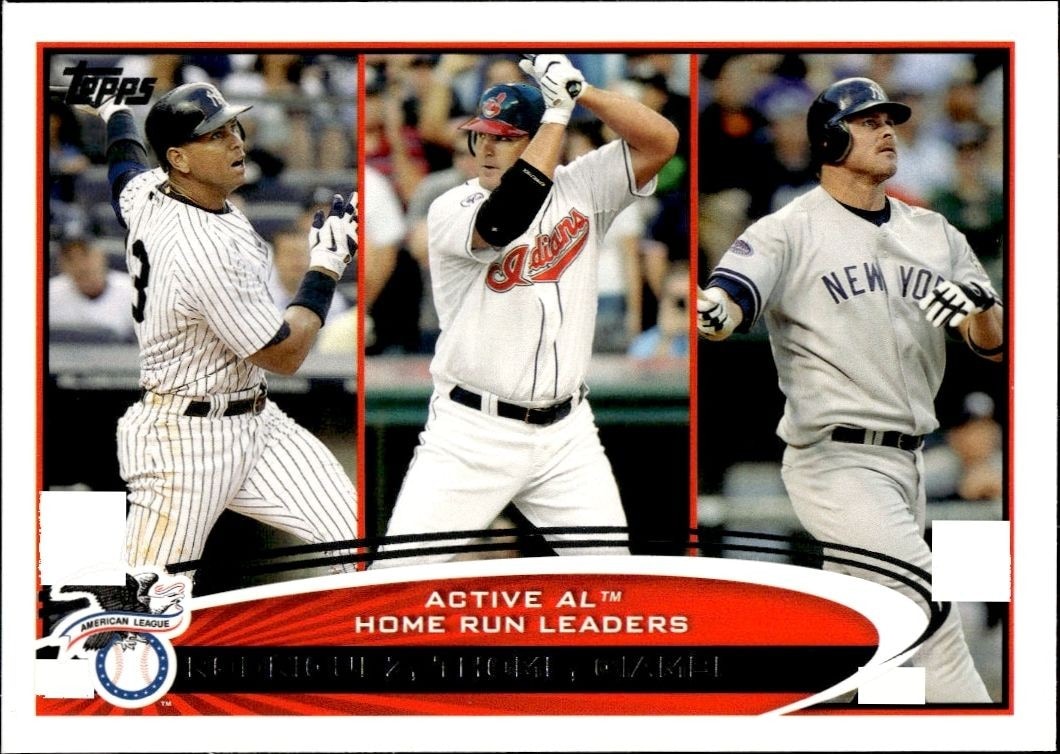
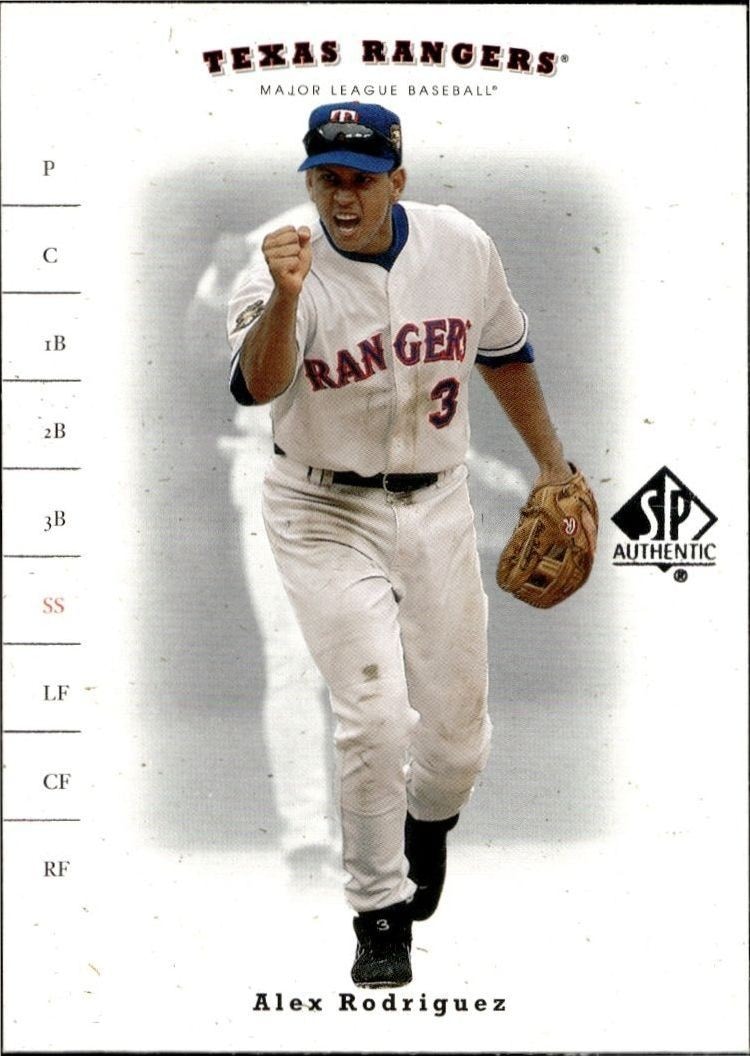
The 2012 Topps Series 2 release featuring Alex Rodriguez as card #500. Explore available listings for this New York Yankees baseball card.
2012 • Topps • Series 2
Major League Baseball • New York Yankees
Near Mint
500
New
Shipping Calculated at Checkout
Arrives in 4-6 daysEstimated delivery November 2, 2026 - November 4, 2026
30-day Returns| Condition | Value | Source | Trend | Price Details |
|---|---|---|---|---|
$1.13 | Guide Estimate | -26.6% | ||
$6.41 | Guide Estimate | +0.6% | ||
$11.00 | Guide Estimate | 0% | ||
$22.52 | Guide Estimate | +0.4% | ||
$36.00 | Guide Estimate | -2.7% | ||
$11.00 | Guide Estimate | -35.3% | ||
$27.85 | Guide Estimate | -3% | ||
$17.00 | Guide Estimate | 0% | ||
Raw / Ungraded
PriceCharting Price Guide · Guide Estimate evidence · captured Oct 23, 2026
The 2012 Topps Series 2 release features Alex Rodriguez as card #500, capturing a significant moment in his tenure with the New York Yankees. As a standard base card within the Topps brand's annual lineup, this issue is a staple for collectors tracking Rodriguez's career during his final seasons in pinstripes. The card highlights his status as one of the most prominent power hitters in MLB history, making it a relevant piece for enthusiasts of modern baseball memorabilia. For collectors building their Topps Series 2 sets, this card serves as a key component of the broader collection. This product appeals to a wide range of collectors, from those who appreciate the historical context of Rodriguez's time with New York to those who focus on the iconic nature of the Topps brand. The card's inclusion of the Yankees logo and the player's name ensures it is instantly recognizable to fans of the sport. As you explore the available options, consider the different conditions and grading statuses that may be present across various seller listings. By focusing on the catalog identity of the 2012 Topps Series 2 #500, we help streamline the search for Alex Rodriguez fans. The enduring popularity of New York Yankees players guarantees that cards like this one remain a significant part of any serious baseball collection. Browse the current listings to discover the best fit for your growing archive.
10/20/26
We'll pre-fill the product details from this catalog entry, so your listing lands on this exact page. Just add photos of your copy, pick its condition, and set your price.
The catalog profile below summarizes the card identity, featured subject, and notable collectible traits.
The core identity of the card within the set.
The subject, team, league, and sport context tied to this card.
Production details and format-specific attributes.
Material
Card Stock
Language
English
Compare prices, grades, photos, and shipping from approved sellers.
New
Near Mint
See how many public collections currently include this card.
0 collectors have this card
This 2012 Topps Series 2 Alex Rodriguez card sits at a very accessible entry point within his broader catalog, reflecting its status as a standard base card rather than a premium insert. While Rodriguez remains a historically significant figure in MLB history, this specific issue lacks the scarcity or condition premiums that drive higher valuations for his other releases. Consequently, it trades at the lower end of the market, serving primarily as a budget-friendly option for collectors building wide-ranging sets.
The card is identified as a standard base issue with no special attributes such as serial numbering, short printing, or parallel variations to constrain supply. As a mass-produced item from a major manufacturer, it exists in high volume relative to collector demand, meaning there are no structural scarcity mechanics in play. The absence of unique identifiers or limited edition tags ensures that supply effectively meets or exceeds the demand for this specific iteration.
As a non-rookie card from a standard set, this item does not benefit from rookie premiums or the scarcity mechanics that typically drive long-term appreciation. The market positioning is stable but flat, with value driven more by the necessity of completing a base set rather than speculative demand for unique attributes. Investors should view this as a low-risk, low-reward component for set completion rather than a vehicle for significant capital growth.