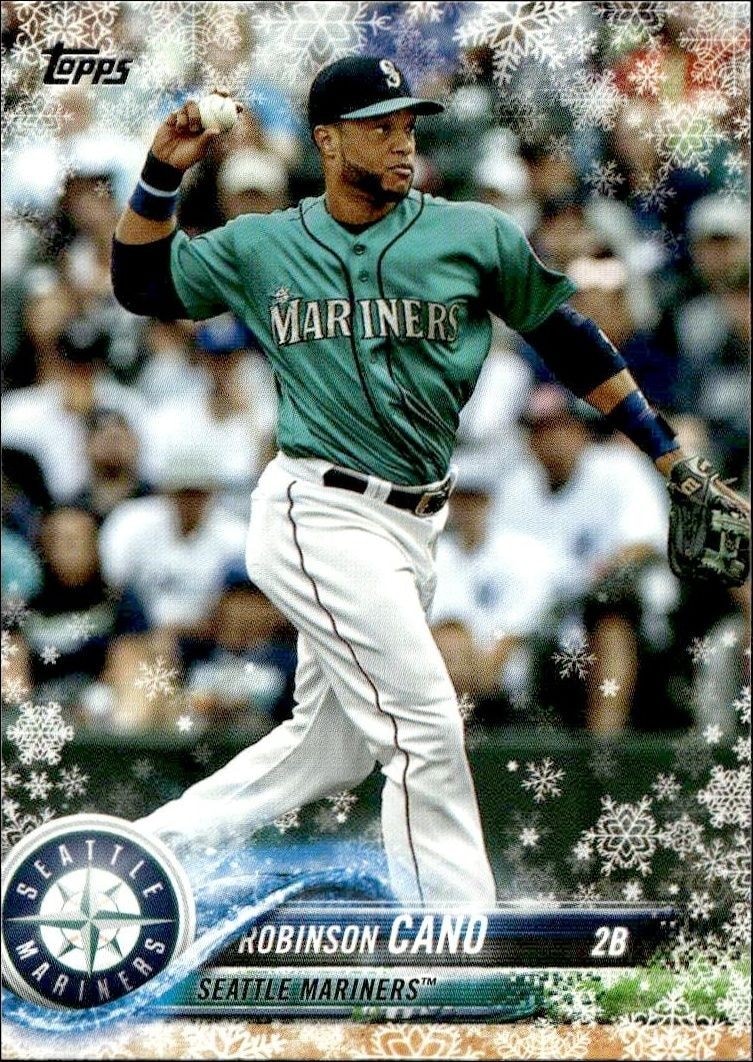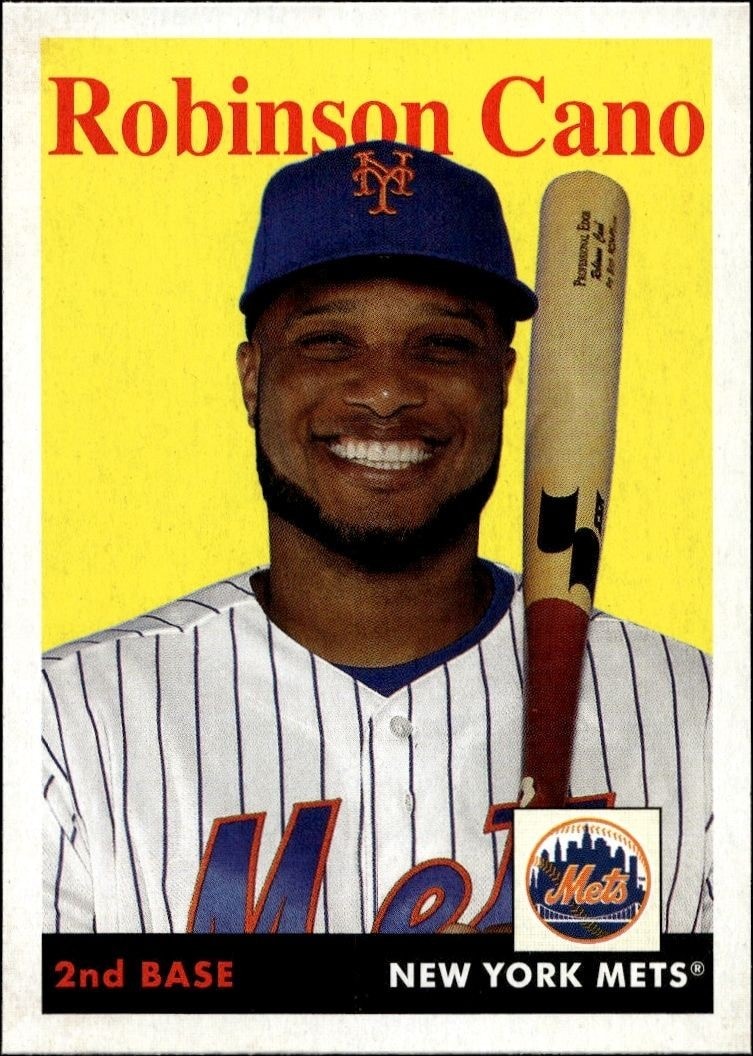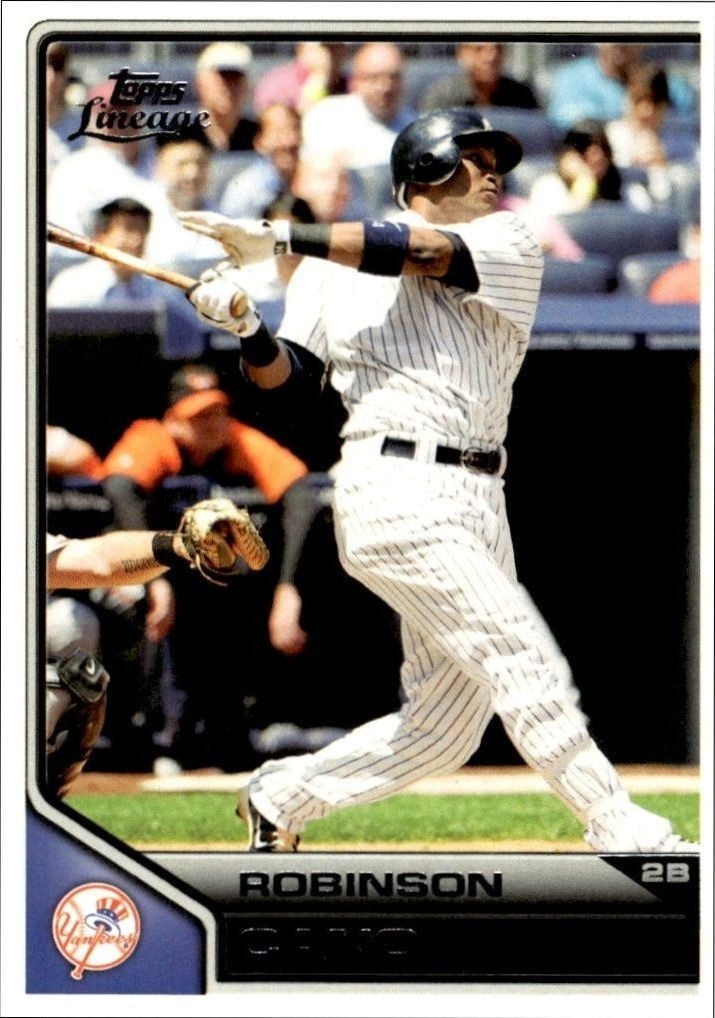




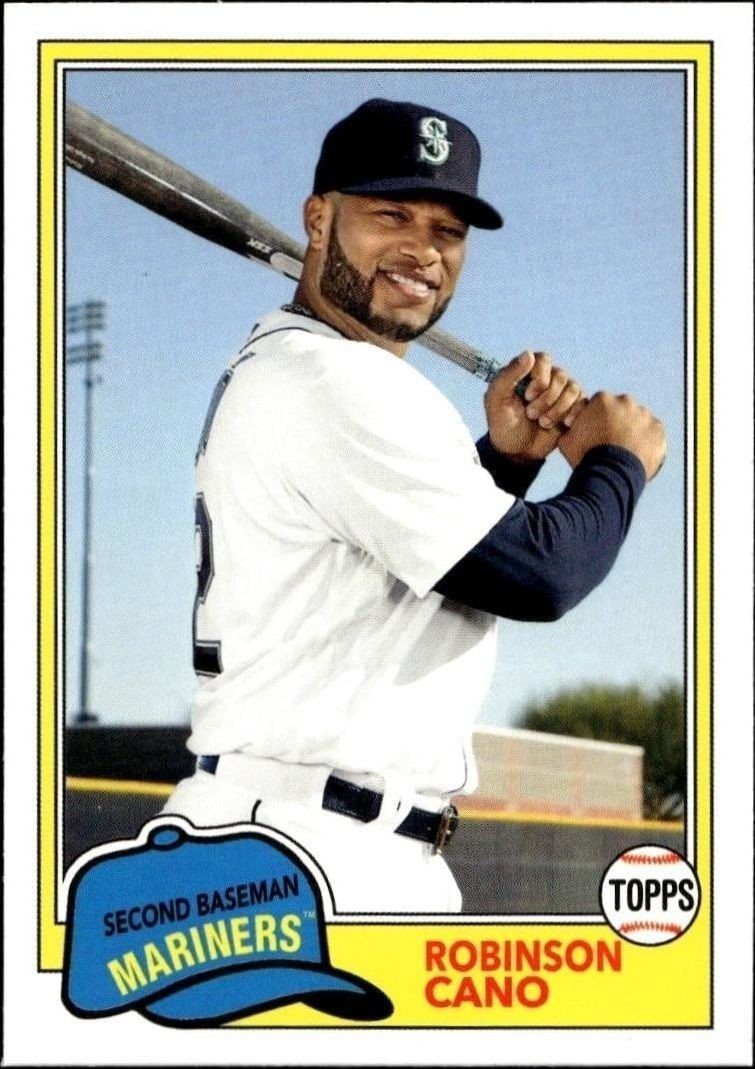
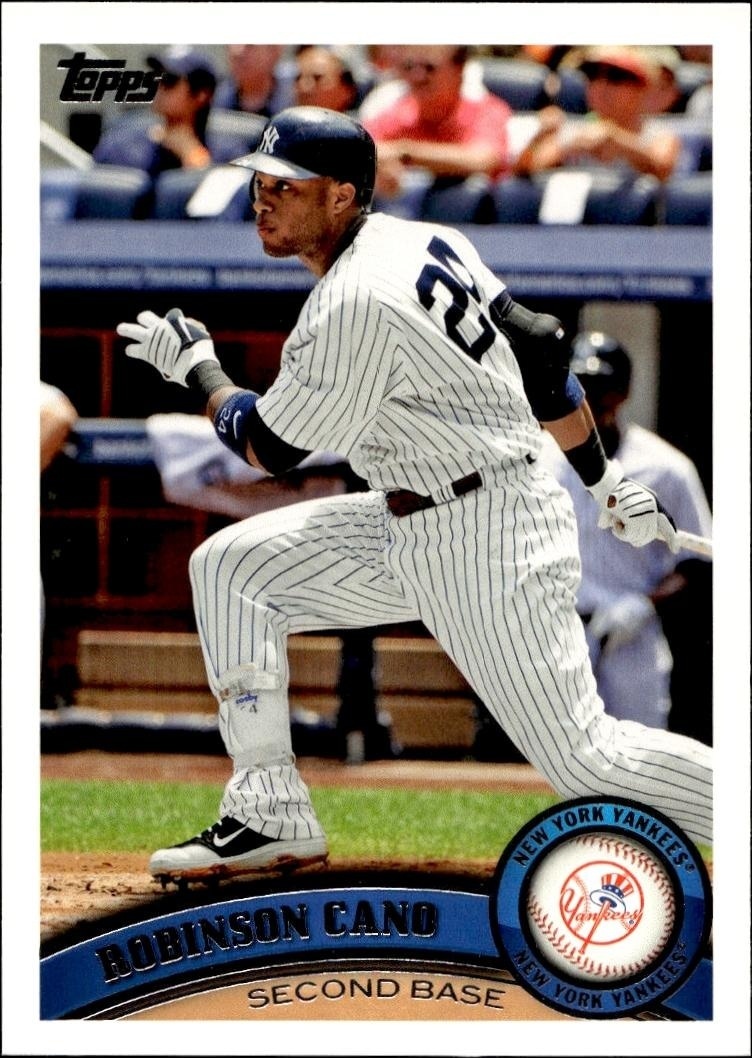


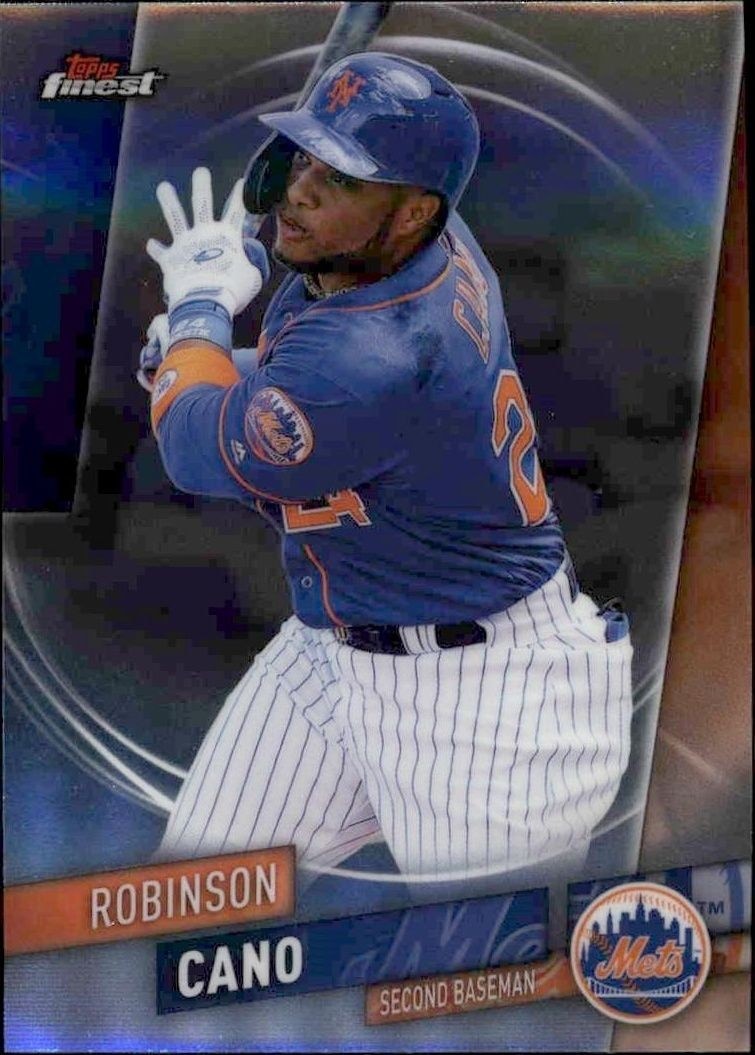


Explore the 2012 Topps Series 2 Robinson Cano #400 baseball card, a staple of the Yankees' lineup during a pivotal era for the franchise.
2012 • Topps • Series 2
Major League Baseball • New York Yankees
Near Mint
400
New
Shipping Calculated at Checkout
Arrives in 5-7 daysEstimated delivery October 23, 2026 - October 25, 2026
Seller returns October 19, 2026.30-day Returns| Condition | Value | Source | Trend | Price Details |
|---|---|---|---|---|
$6.48 | Guide Estimate | 0% | ||
$10.82 | Guide Estimate | 0% | ||
$18.02 | Guide Estimate | 0% | ||
$22.00 | Guide Estimate | 0% | ||
$29.00 | Guide Estimate | 0% | ||
$13.00 | Guide Estimate | 0% | ||
$22.00 | Guide Estimate | 0% | ||
$13.00 | Guide Estimate | 0% | ||
Raw / Ungraded
PriceCharting Price Guide · Guide Estimate evidence · captured Oct 8, 2026
The 2012 Topps Series 2 Robinson Cano #400 baseball card captures the New York Yankees second baseman during a period of significant offensive production. The card number 400 places it within a specific segment of the series, often featuring players who were active contributors to their teams during that season. Robinson Cano was a central figure for the Yankees, known for his consistency at the plate and his role in the team's competitive lineup. Collectors who focus on New York Yankees memorabilia often seek out cards from this era to complete their sets or to highlight key players from the franchise's recent history. The 2012 Topps brand is renowned for its accessible pricing and wide distribution, making it a popular choice for both new and seasoned collectors looking to build affordable yet meaningful collections. For those interested in the broader context of baseball trading cards, the 2012 Topps Series 2 set provides a snapshot of the sport during a time when analytics were increasingly influencing how players were evaluated. This card serves as a tangible connection to that period, allowing fans to own a piece of the game's history. Whether you are looking to add a specific player to your collection or focus on the Yankees' roster from 2012, this card offers a straightforward and classic representation of Cano's career.
18 hours ago
We'll pre-fill the product details from this catalog entry, so your listing lands on this exact page. Just add photos of your copy, pick its condition, and set your price.
The catalog profile below summarizes the card identity, featured subject, and notable collectible traits.
The core identity of the card within the set.
The subject, team, league, and sport context tied to this card.
Production details and format-specific attributes.
Material
Card Stock
Language
English
Compare prices, grades, photos, and shipping from approved sellers.
New
Near Mint
See how many public collections currently include this card.
0 collectors have this card
This 2012 Topps Series 2 base card of Robinson Cano represents a high-supply entry point with minimal premium, reflecting its status as a common issue from a standard factory set. While Cano's tenure with the New York Yankees holds historical significance, the lack of special parallels or inserts means this specific card trades at the lowest tier of his market offerings. Collectors typically reserve higher price points for rookie iterations or short-printed variations, leaving base cards like this one with negligible value appreciation potential.
The card lacks any scarcity mechanics, as it is a standard base card within the 2012 Topps Series 2 set without serial numbering, short-print status, or parallel variations. This absence of limited edition attributes means the supply is effectively infinite relative to collector demand, as mass production ensured widespread availability. Consequently, the card does not benefit from the supply constraints that typically drive value in the secondary market for modern baseball issues.
As a non-rookie base card, this item lacks the primary demand drivers that fuel investment growth, such as rookie card premiums or unique set positioning. The broad availability and lack of special attributes suggest that long-term appreciation is unlikely, making it more suitable for casual collection or completion purposes rather than speculative investment. Demand remains stable but low, centered on collectors seeking to fill gaps in base set completions rather than those targeting specific asset appreciation.