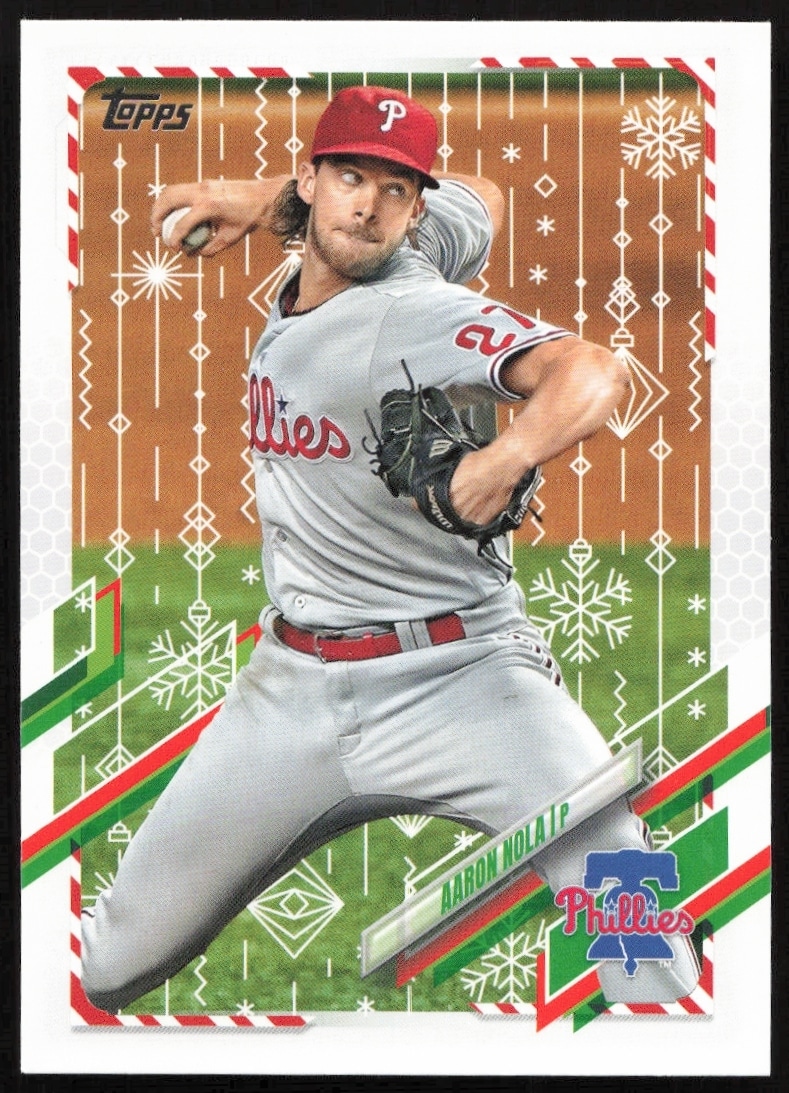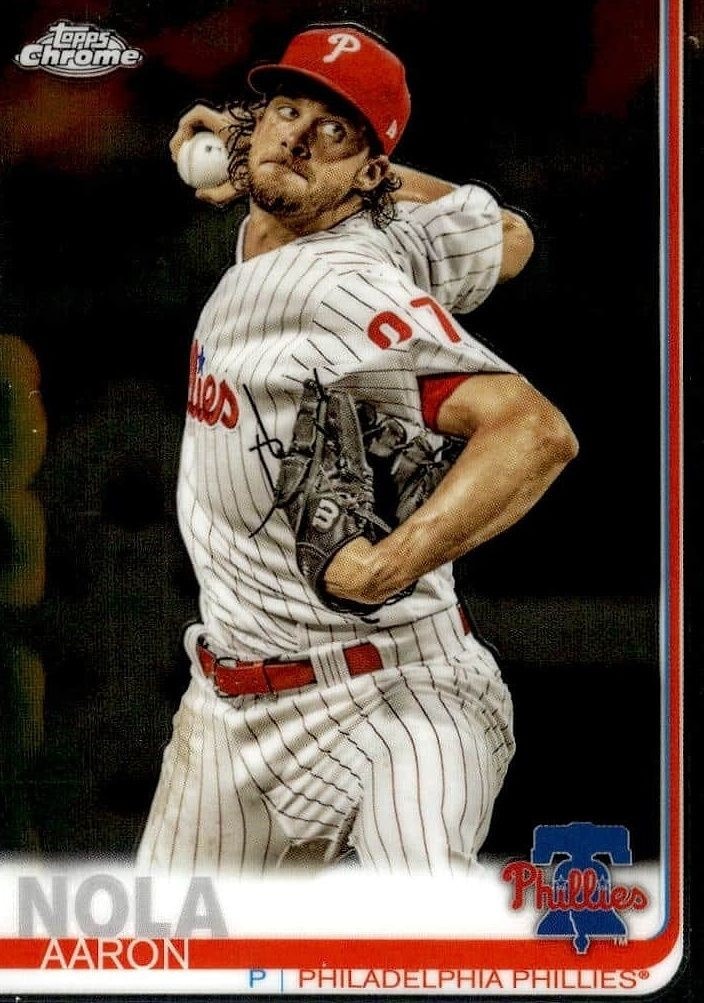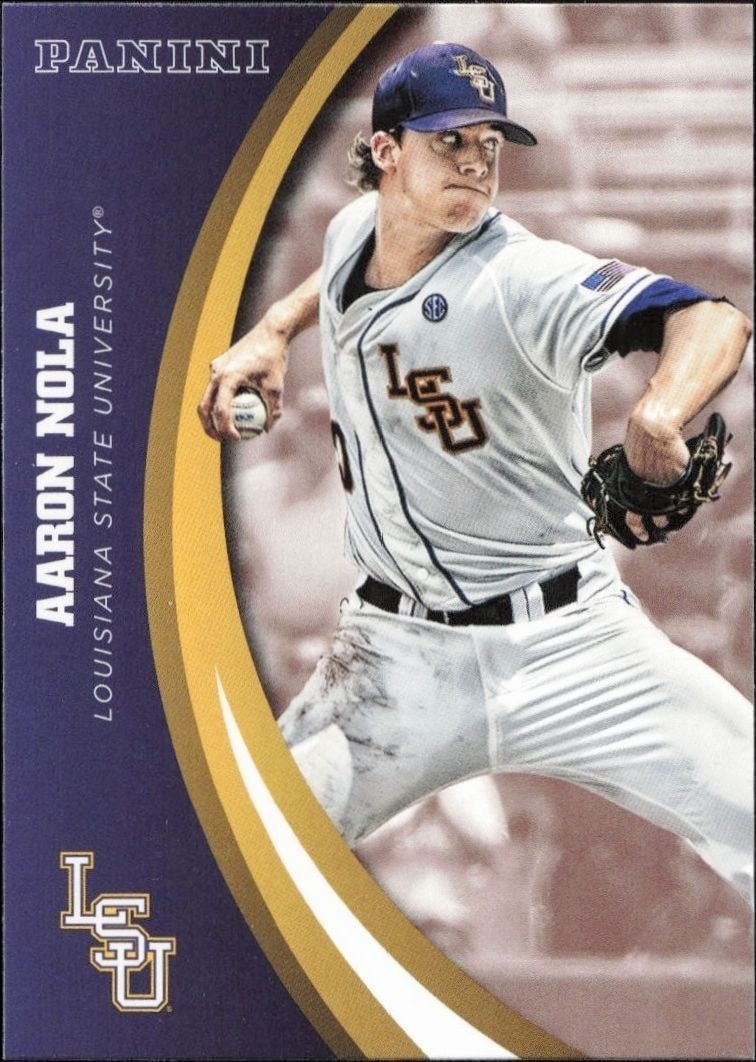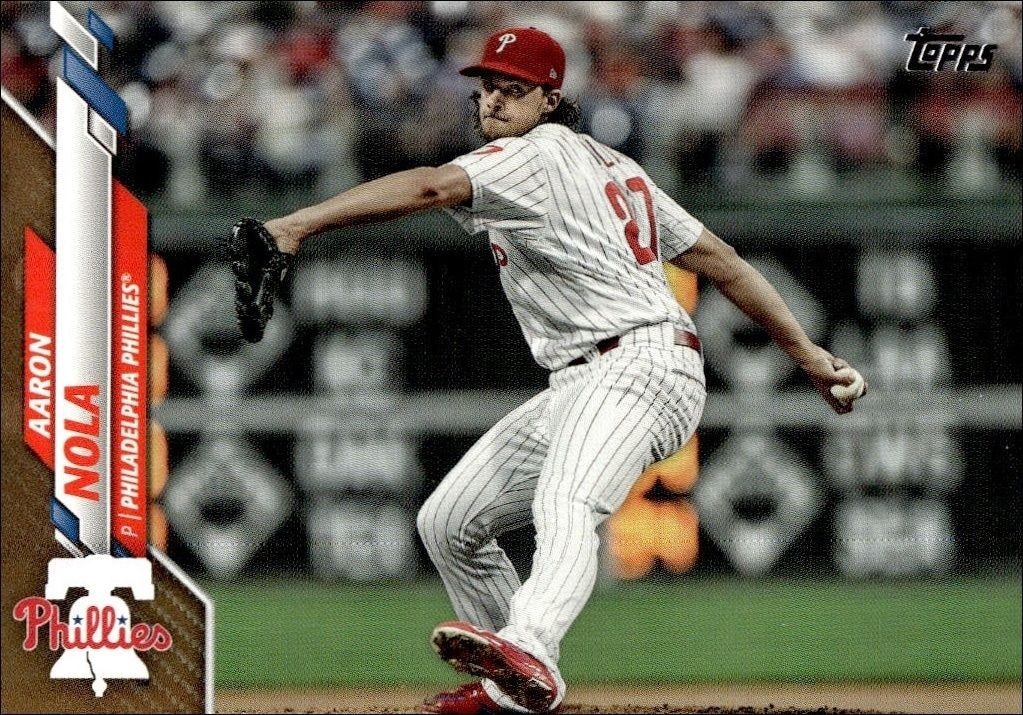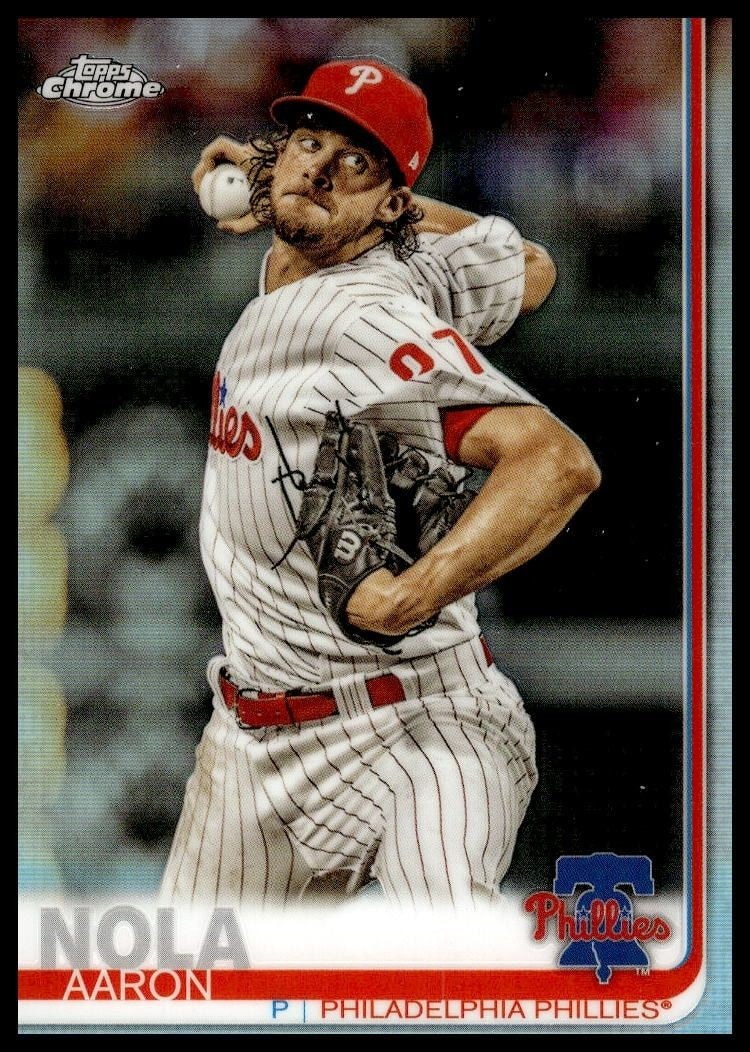






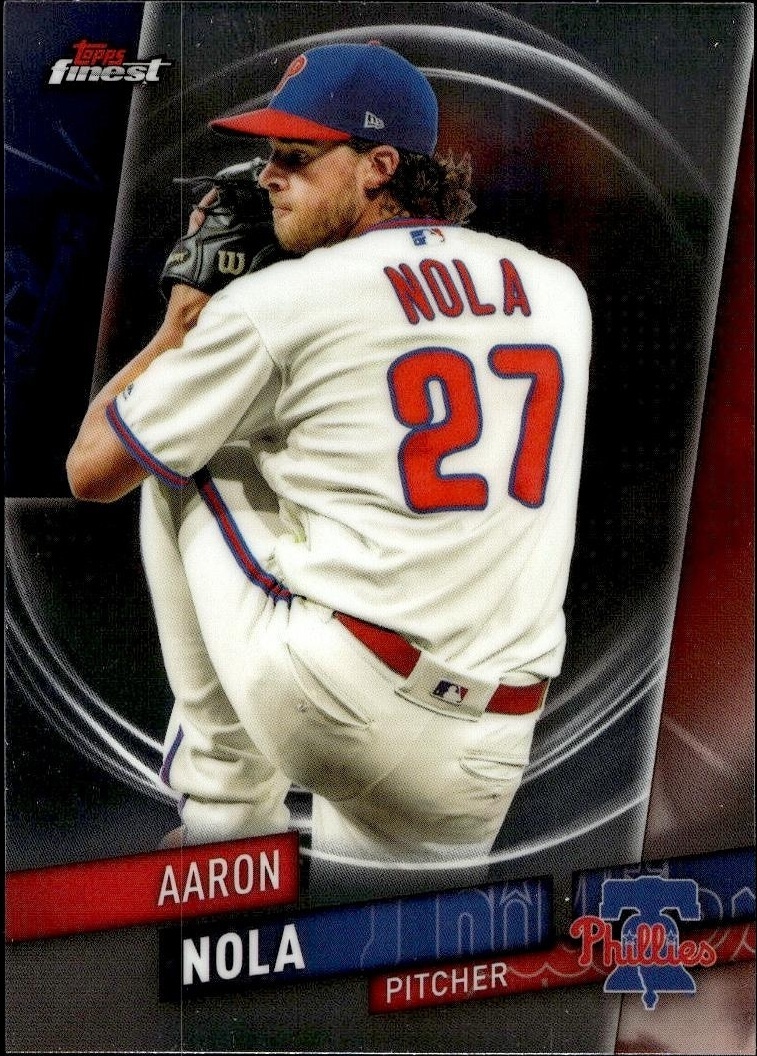


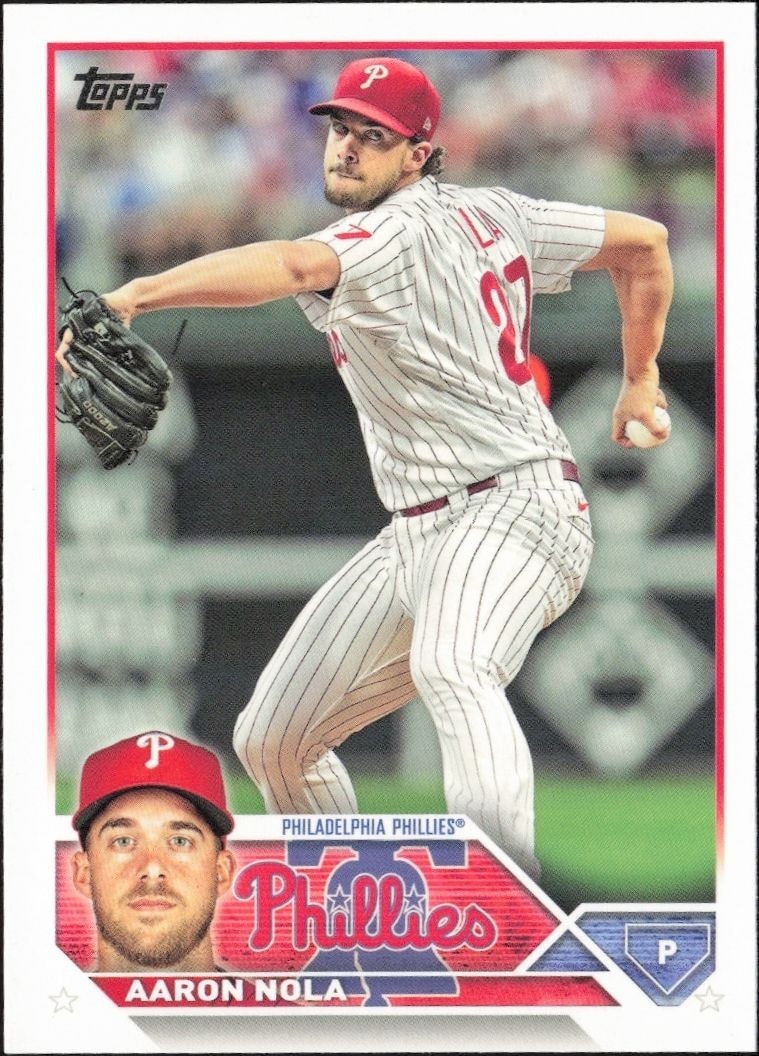

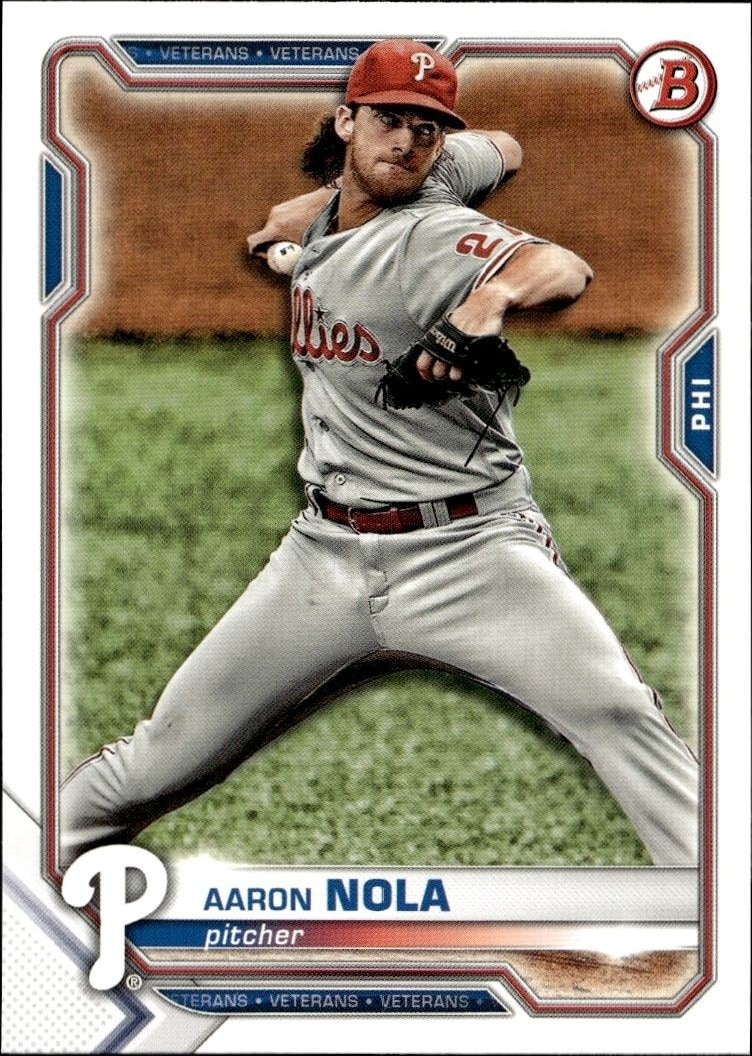

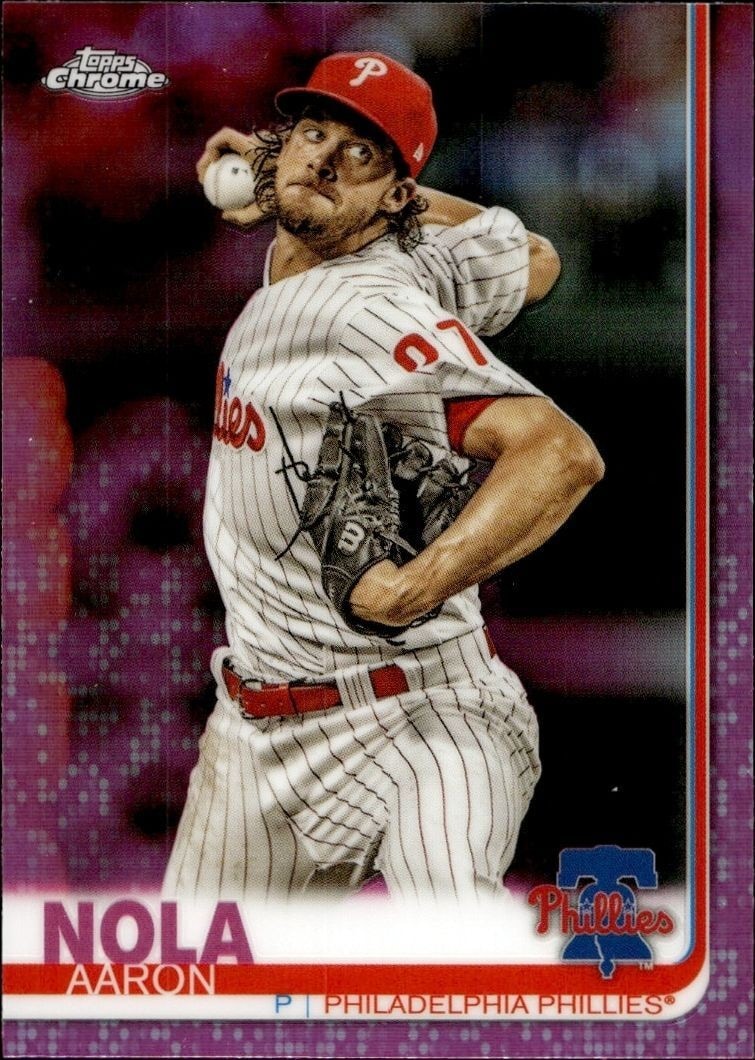

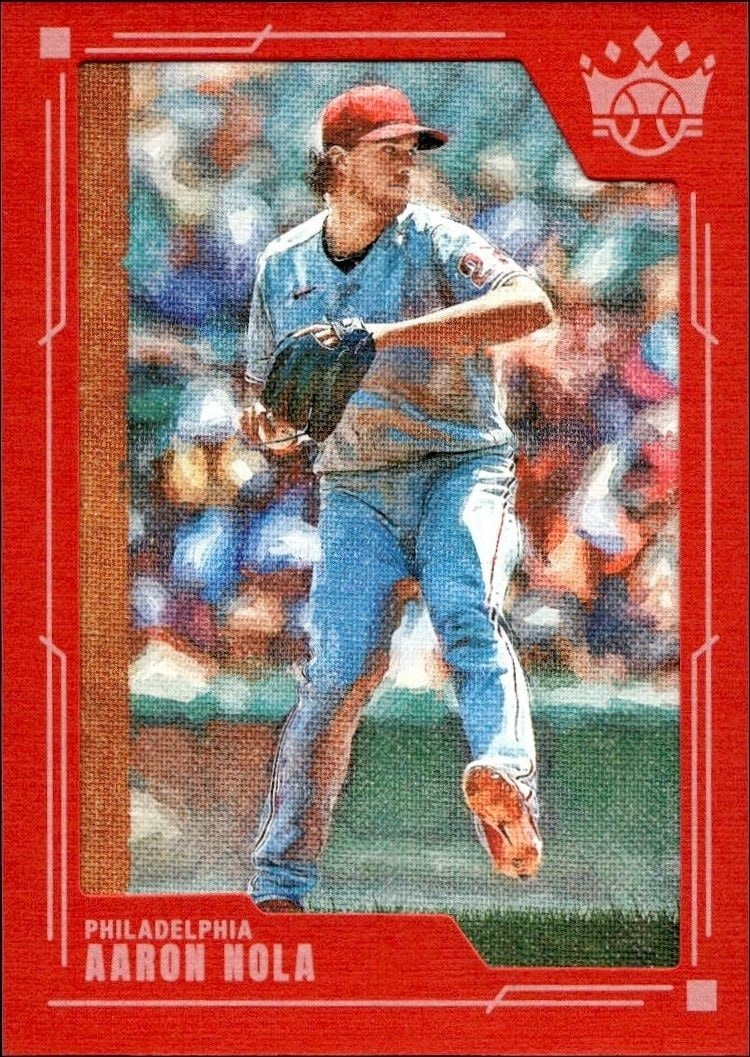
Collect the 2018 Topps Archives #56 Aaron Nola, part of the nostalgic 1959 Design subset. This baseball trading card captures the Phillies pitcher in a classic vintage style.
2018 • Topps • Archives • 1959 Design
Major League Baseball • Philadelphia Phillies
Near Mint
56
New
Shipping Calculated at Checkout
Arrives in 5-7 daysEstimated delivery October 23, 2026 - October 25, 2026
Seller returns October 19, 2026.30-day Returns| Condition | Value | Source | Trend | Price Details |
|---|---|---|---|---|
$1.45As of 9/11/2026 | Asking Prices | |||
Raw / Ungraded
eBay Active Listings · Asking Prices evidence · captured Sep 12, 2026
History is building. At least two days of matching observations are needed to show a trend.
Each point is the last stored observation that day for this printing, condition, grader, autograph status and source. Gaps mean no observation; guide estimates and asking prices are not completed sales.The 2018 Topps Archives #56 Aaron Nola card features the Philadelphia Phillies pitcher within the distinctive 1959 Design subset. This release pays homage to mid-century baseball aesthetics, offering collectors a unique piece of sports memorabilia that blends modern talent with vintage charm. Aaron Nola, a key figure for the Phillies during this period, is highlighted here as a central subject for fans looking to build a comprehensive collection. This card serves as an essential component for those assembling the full set or focusing on specific team subsets. The product identity is rooted in its historical design references, making it a staple for serious baseball card investors and hobbyists alike. Whether you are completing a career set for Nola or curating a 1959 Design collection, this card provides a tangible connection to the era's visual style. It stands as a testament to the enduring appeal of vintage-inspired trading cards in the modern market. Collectors often seek out this card number for its balance of iconic design and relevant player imagery. The 2018 release date ensures it is part of a recent, well-distributed run, while the subset treatment adds a layer of depth for those who appreciate design nuances. For the dedicated hobbyist, adding this piece to a binder or display case enhances the overall narrative of their collection. It represents more than just a player portrait; it is a curated artifact of baseball history reimagined for contemporary collectors. ## What is the 1959 Design subset in Topps Archives? The 1959 Design subset is a specific group of cards within the Topps Archives set that replicates the visual style and layout of baseball cards from 1959. ## Why is Aaron Nola featured in the 2018 Topps Archives set? Aaron Nola was featured in the 2018 Topps Archives set because he was a prominent starting pitcher for the Philadelphia Phillies during that season. His inclusion reflects his status as a key player for the team and his significance in modern baseball. ## How does the 2018 Topps Archives set differ from other Topps releases? The 2018 Topps Archives set differs from standard Topps releases by focusing entirely on reimagined vintage designs rather than creating new, contemporary artwork. It appeals to collectors who prefer historical aesthetics and the challenge of completing design-specific subsets.
17 hours ago
We'll pre-fill the product details from this catalog entry, so your listing lands on this exact page. Just add photos of your copy, pick its condition, and set your price.
The catalog profile below summarizes the card identity, featured subject, and notable collectible traits.
The core identity of the card within the set.
The subject, team, league, and sport context tied to this card.
Production details and format-specific attributes.
Material
Card Stock
Language
English
Compare prices, grades, photos, and shipping from approved sellers.
New
Near Mint
See how many public collections currently include this card.
0 collectors have this card
This 2018 Topps Archives card represents a standard base insert for Aaron Nola during his tenure with the Philadelphia Phillies. Without any special attributes or grading indicators provided, it sits at the lower end of his current market valuation tier. The card's value is driven primarily by the player's established MLB status rather than any unique scarcity features. It trades as a common entry point for collectors focusing on Nola's career milestones. The absence of premium finishes or serial numbering keeps its price significantly below his high-end parallels. This positions it as an accessible asset for budget-conscious investors. It reflects the baseline demand for a starting pitcher with consistent major league performance. The card does not command a premium due to condition or rarity. It serves as a foundational piece rather than a standalone investment driver.
The card lacks any specified scarcity mechanics such as serial numbering, short prints, or one-of-one designations. It is identified as a standard issue within the Topps Archives set, meaning supply is determined by general production volumes. No parallel variations or limited edition markers are noted in the attributes. This implies a relatively high supply compared to specialty inserts. The lack of unique identifiers means it competes directly with other base cards for Nola. Scarcity is minimal, relying entirely on the player's name for any collectible appeal. There are no reported population counts or print run limits to constrain availability. The card's rarity is functionally equivalent to the most common tier in the set. It does not benefit from limited supply mechanics that typically drive value appreciation.
As a non-rookie, non-premium card, the investment potential is limited by the abundance of available inventory. Demand is likely steady but modest, driven by collectors seeking affordable options for Nola's career archive. The 2018 Archives set has established recognition, but this specific card offers no distinct value drivers. Long-term appreciation is unlikely without external factors like career achievements not reflected in the card itself. It may serve as a hedge for broader portfolio diversification rather than a high-growth asset. Collectors may prefer graded examples or rare parallels for stronger returns. The card's outlook is stable but flat, reflecting its status as a common base item. It is suitable for completing sets rather than speculative holding. The lack of unique features caps its upside potential in the secondary market.