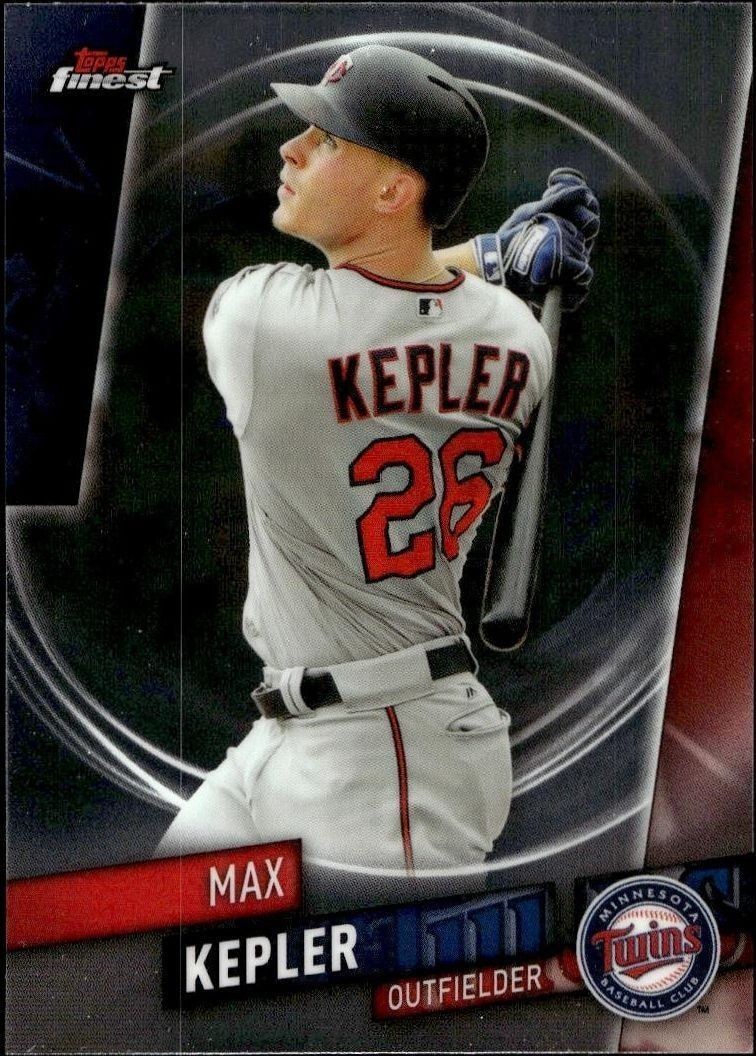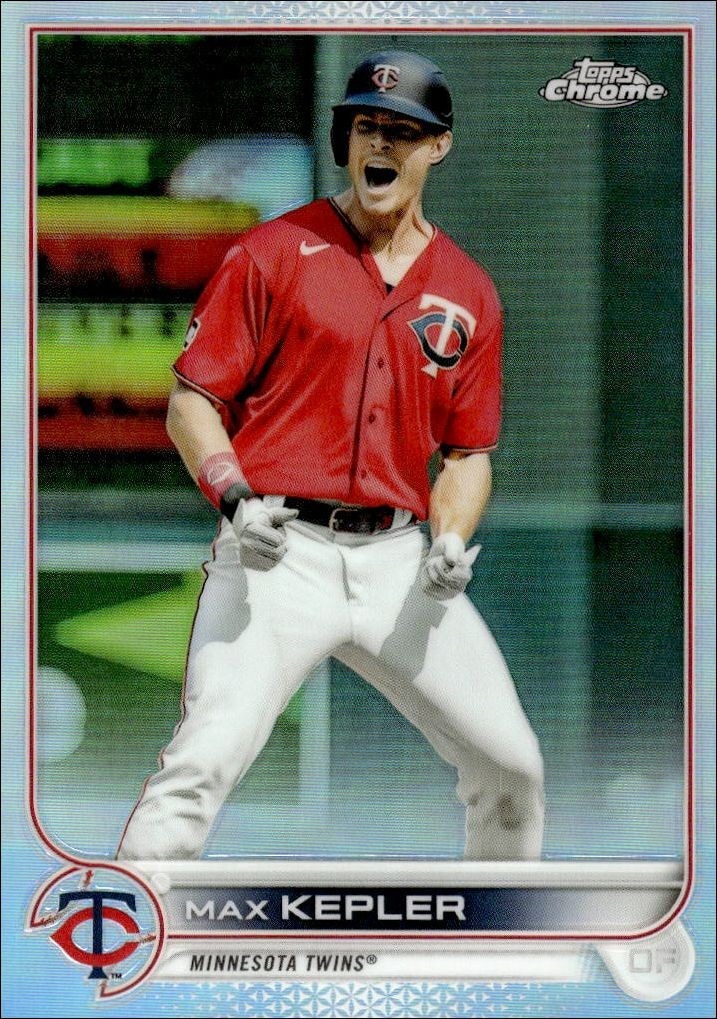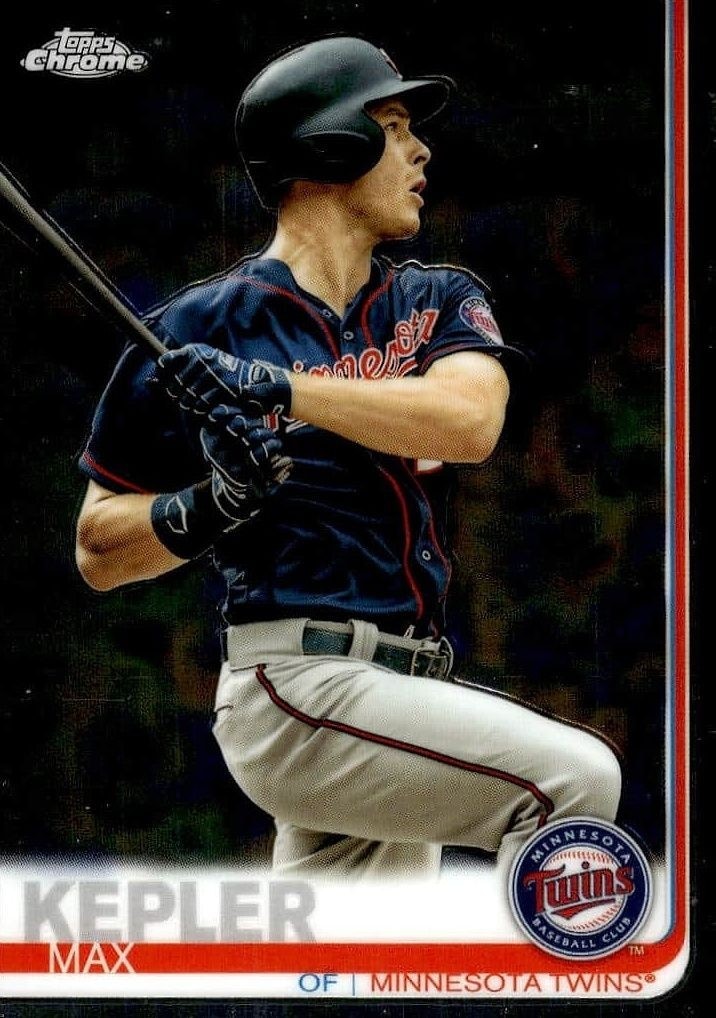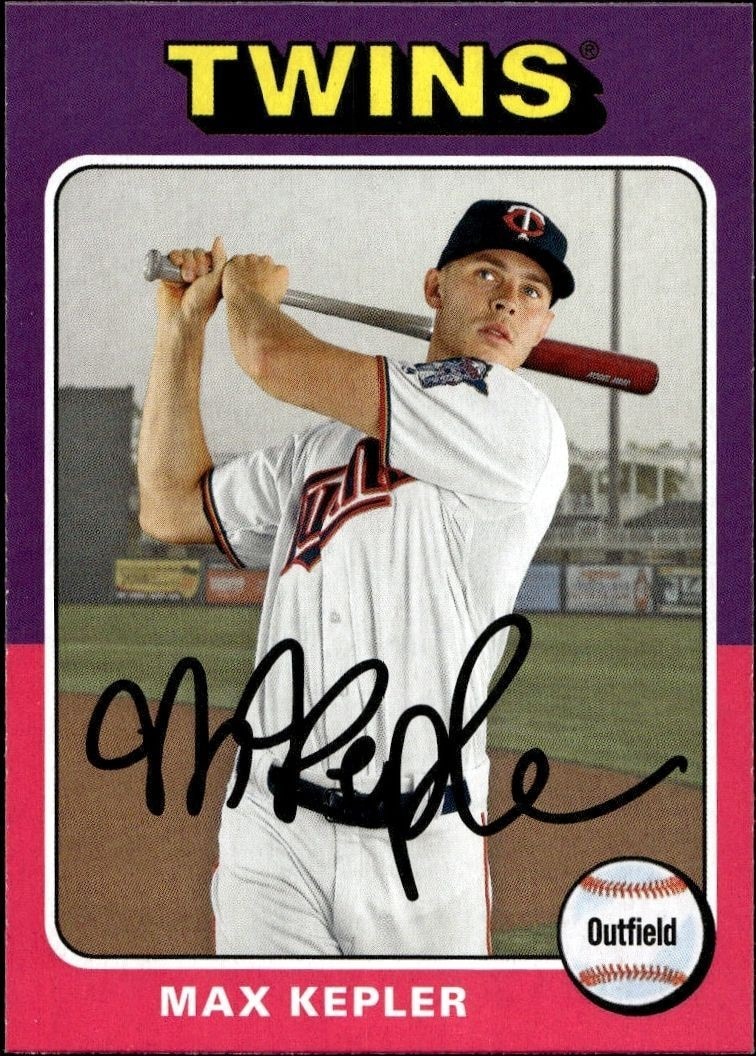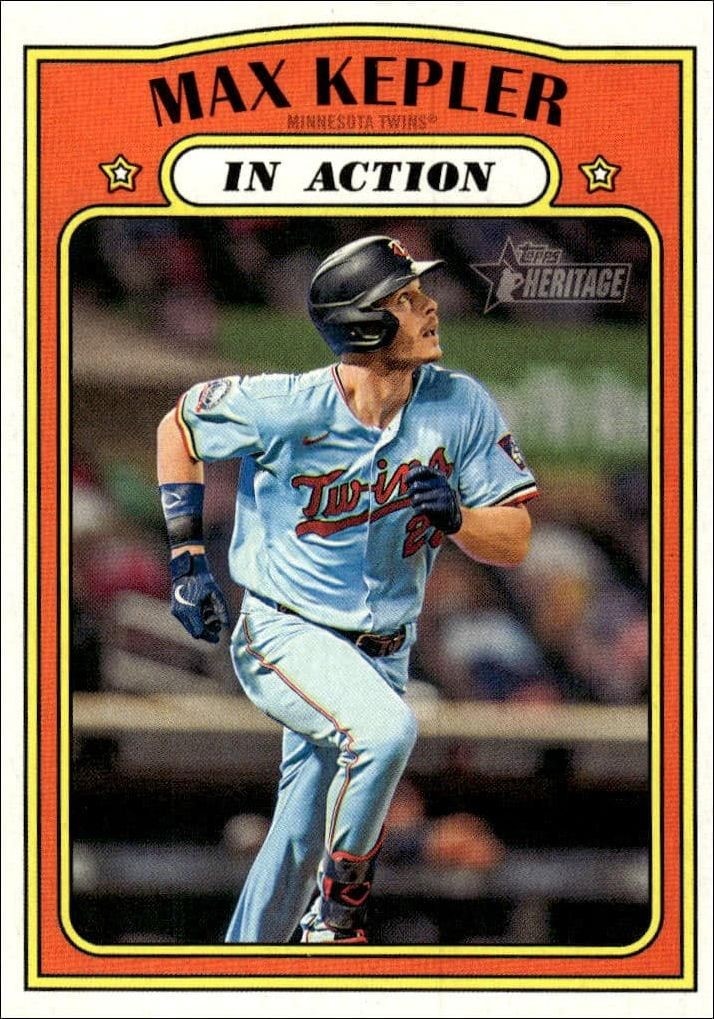



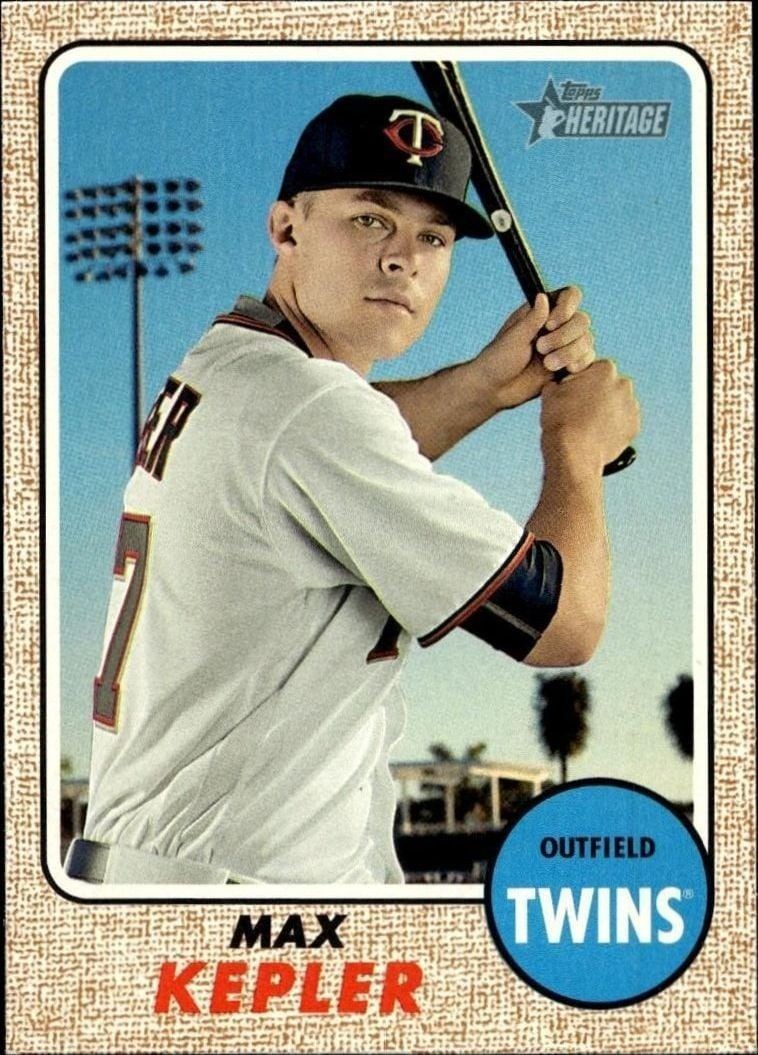
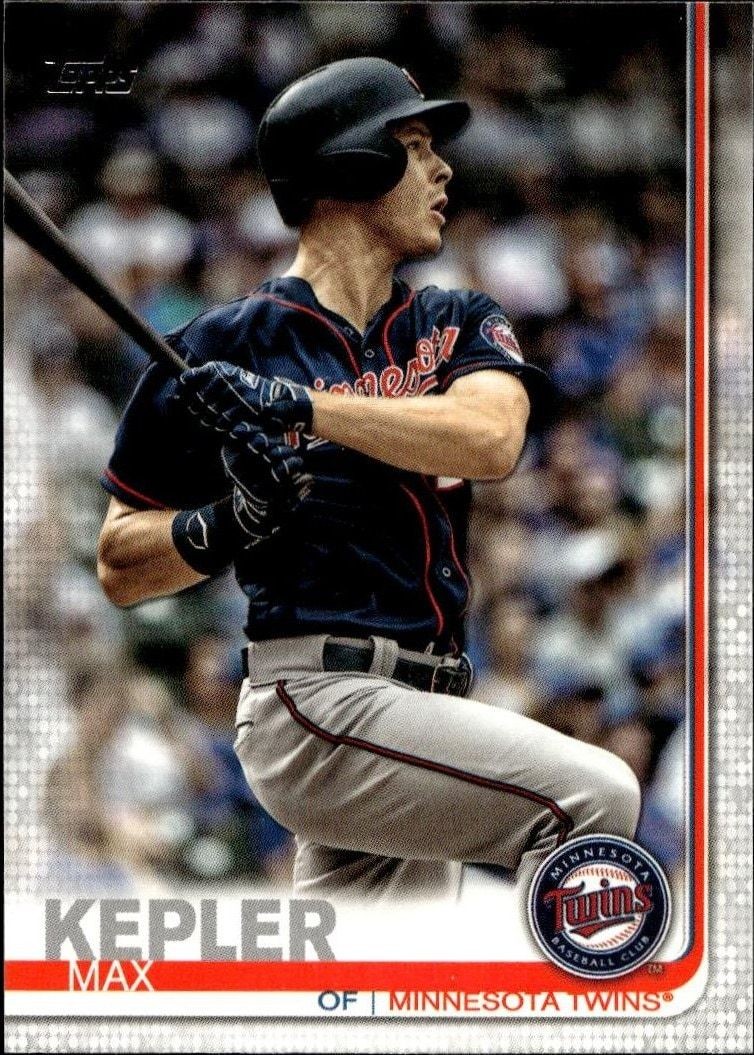
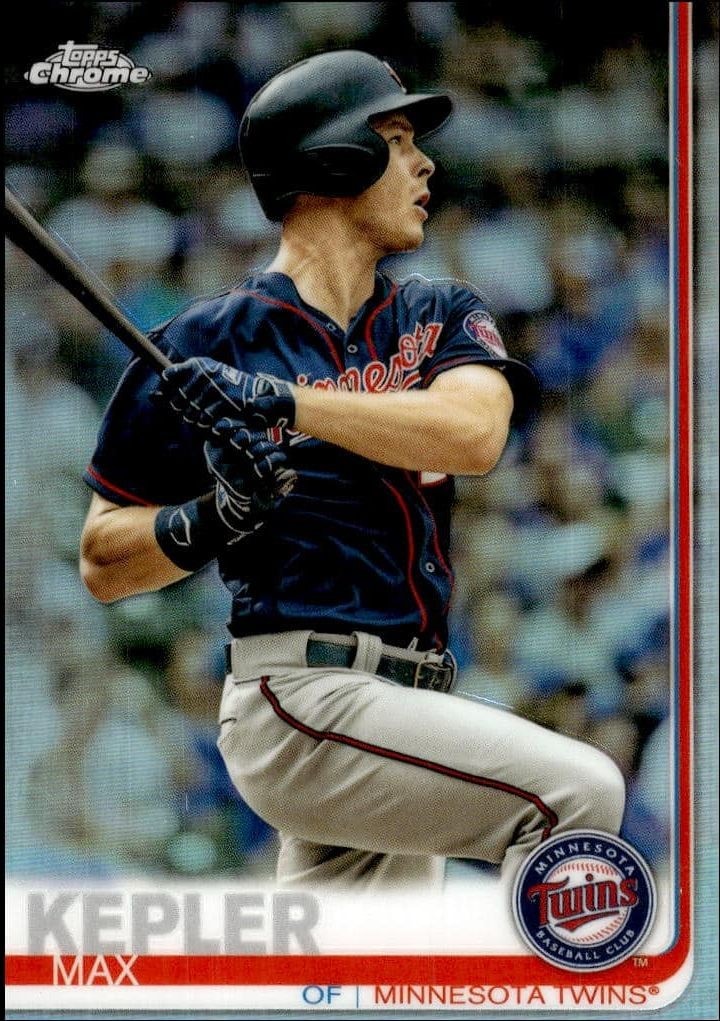
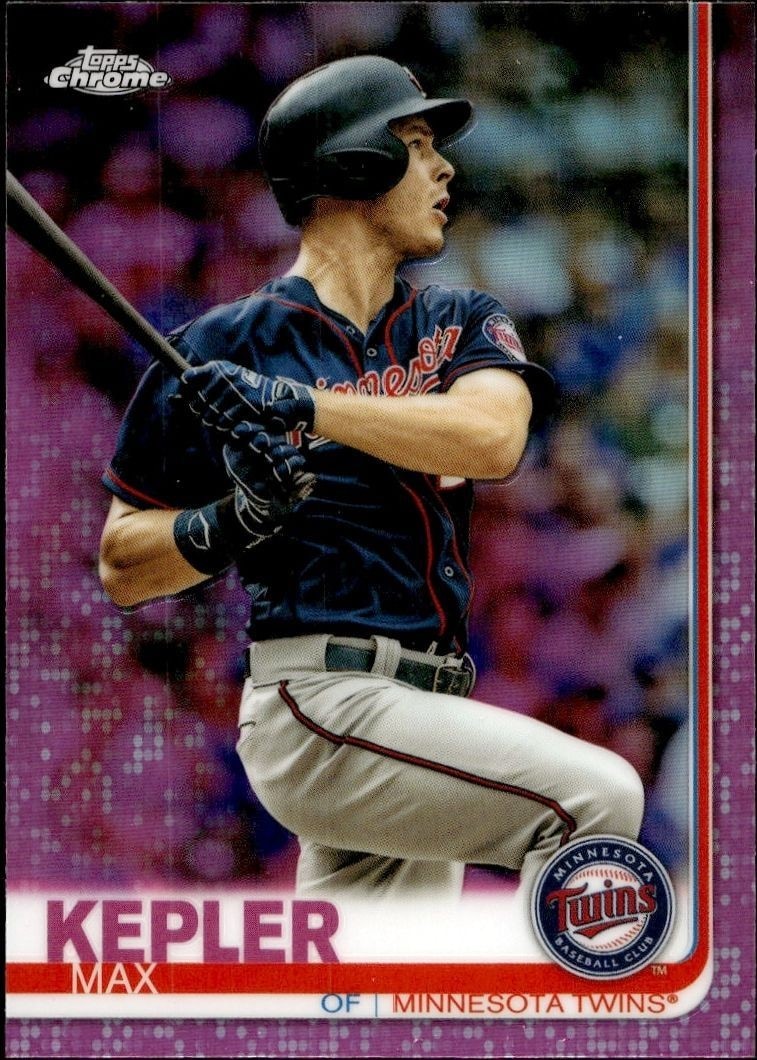
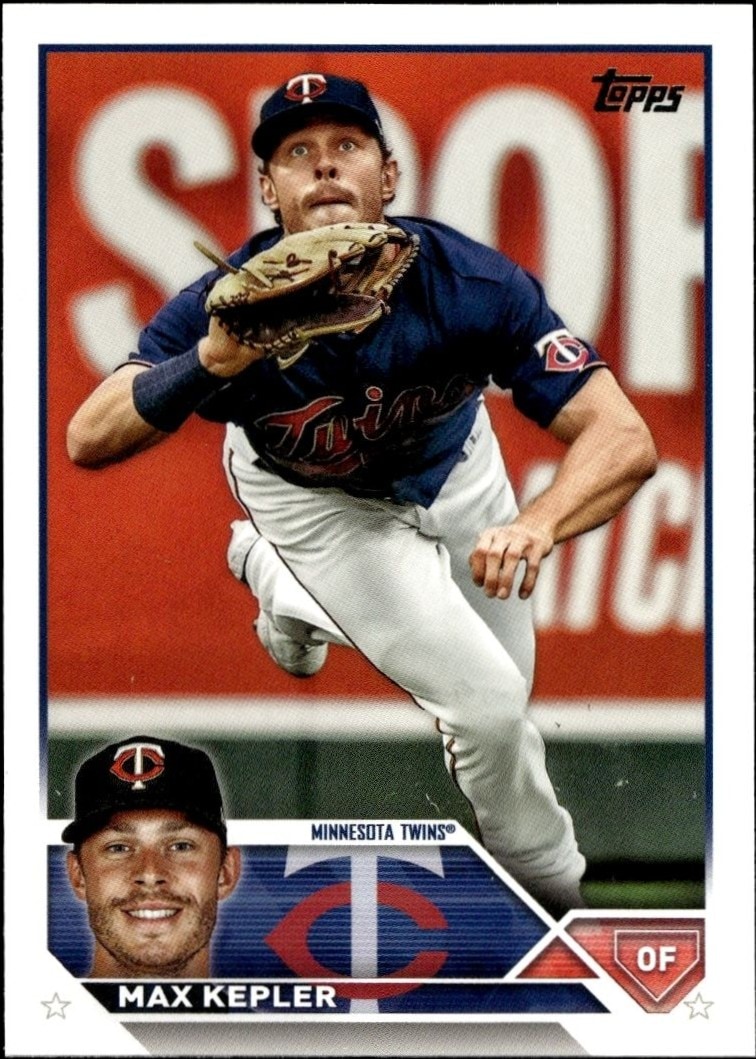
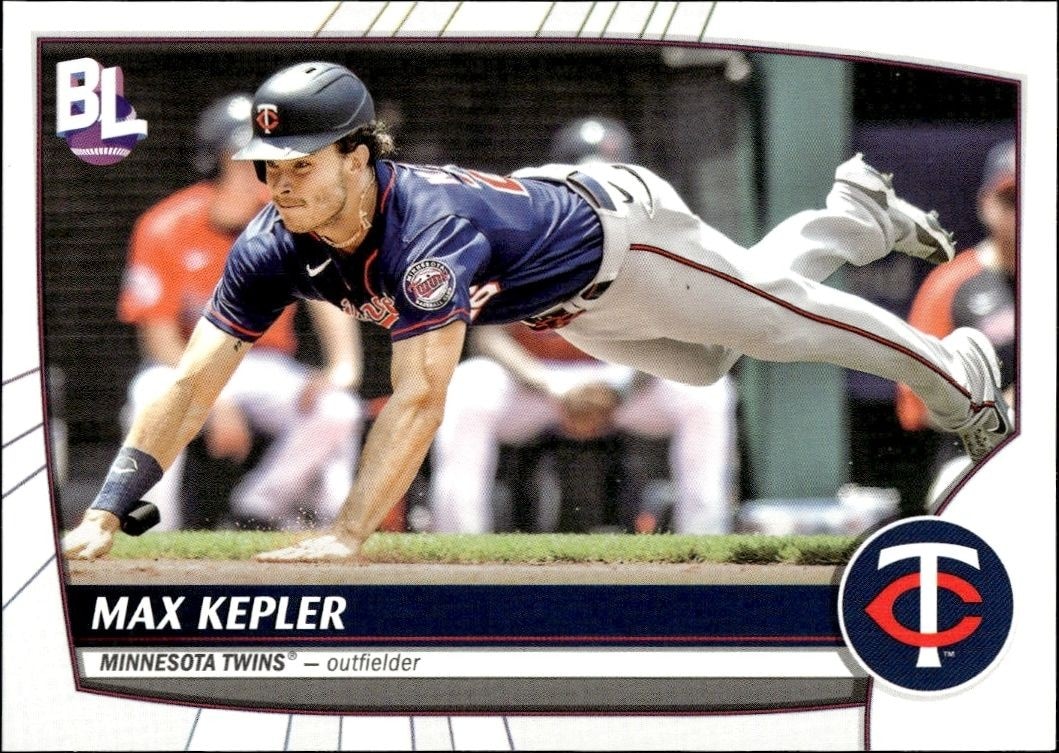
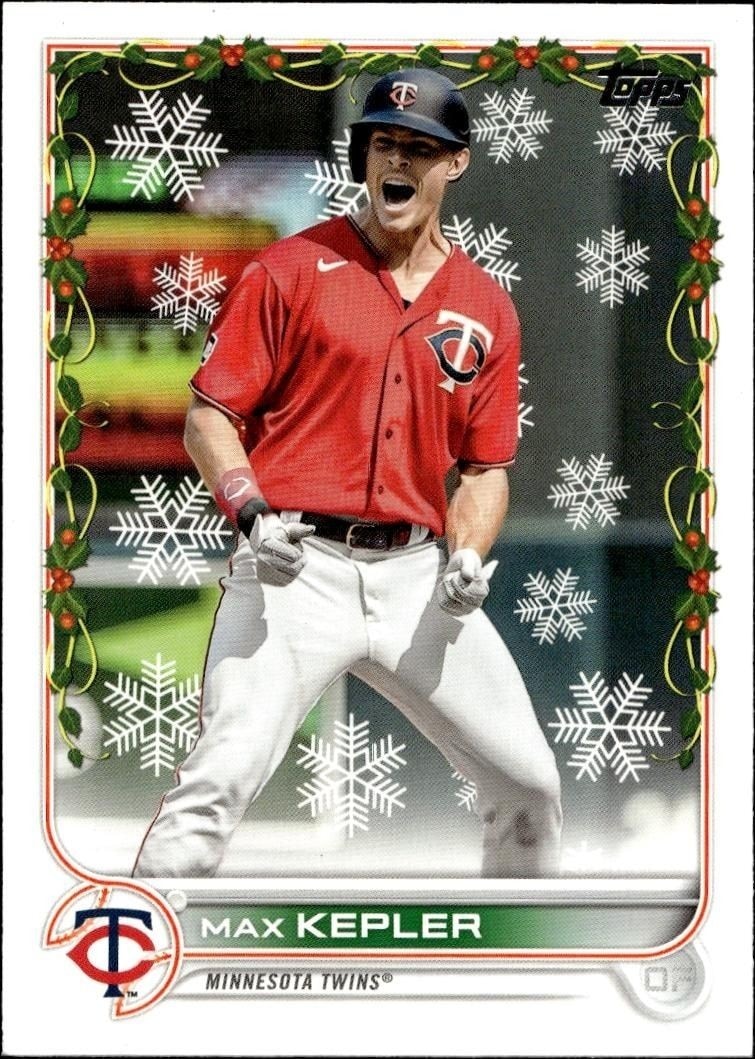
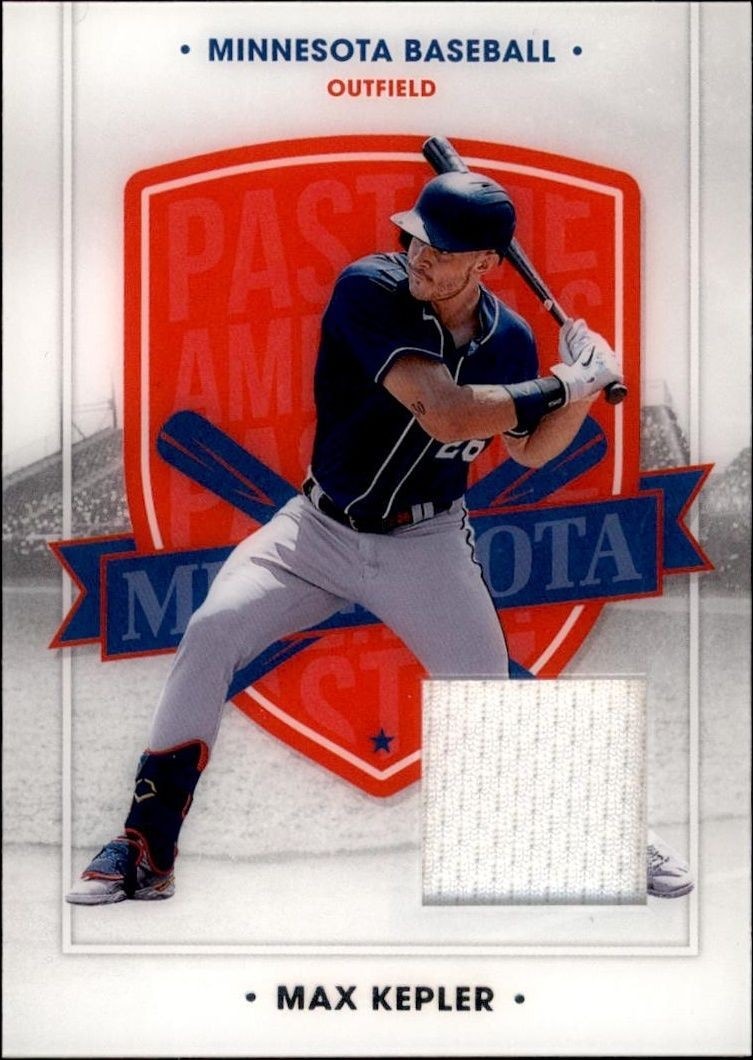
The 2018 Topps Heritage Max Kepler #73 baseball card features the Minnesota Twins outfielder in the nostalgic Heritage design.
2018 • Topps • Heritage
Major League Baseball • Minnesota Twins
Near Mint
73
New
Shipping Calculated at Checkout
Arrives in 6-8 daysEstimated delivery October 23, 2026 - October 25, 2026
Seller returns October 19, 2026.30-day Returns| Condition | Value | Source | Trend | Price Details |
|---|---|---|---|---|
$0.99As of 10/1/2026 | Asking Prices | |||
Raw / Ungraded
eBay Active Listings · Asking Prices evidence · captured Oct 1, 2026
History is building. At least two days of matching observations are needed to show a trend.
Each point is the last stored observation that day for this printing, condition, grader, autograph status and source. Gaps mean no observation; guide estimates and asking prices are not completed sales.The 2018 Topps Heritage Max Kepler #73 baseball card captures the Minnesota Twins outfielder during a pivotal period of his MLB career. As a core component of the Heritage series, this release pays homage to the classic 1970 Topps design aesthetic, appealing to fans who appreciate vintage styling in modern sports card production. The card prominently displays Kepler in his Twins uniform, marking his established role within the organization's outfield rotation. The Heritage line has consistently been a favorite among hobbyists for bridging the gap between modern manufacturing and nostalgic design, making cards like #73 highly desirable for set builders. Beyond set completion, this card serves as a strong representation of Kepler’s tenure with the Twins. Fans and investors often look to Heritage releases for their consistent production values and enduring appeal in the secondary market. The straightforward presentation allows the subject to take center stage, emphasizing the player's on-field presence without distracting design elements. Whether you are building a career set, focusing on specific teams, or collecting by era, the 2018 Topps Heritage Max Kepler #73 offers a distinct piece of baseball history. Its place within the broader Topps ecosystem ensures it remains a relevant item for those tracking the evolution of sports card design and player legacies in the late 2010s.
9 minutes ago
We'll pre-fill the product details from this catalog entry, so your listing lands on this exact page. Just add photos of your copy, pick its condition, and set your price.
The catalog profile below summarizes the card identity, featured subject, and notable collectible traits.
The core identity of the card within the set.
The subject, team, league, and sport context tied to this card.
Production details and format-specific attributes.
Material
Card Stock
Language
English
Compare prices, grades, photos, and shipping from approved sellers.
New
Near Mint
See how many public collections currently include this card.
0 collectors have this card
This card currently sits at a baseline entry-level tier, reflecting its status as a standard base card within the Heritage set rather than a premium insert. While Max Kepler holds significance as a long-standing contributor for the Minnesota Twins, the lack of special attributes means this specific issue does not command a premium over the broader set average. It represents a fundamental, low-cost acquisition for collectors focusing on the 2018 season or the Twins franchise history.
The item is identified as a standard base card with no noted special attributes, meaning it lacks the scarcity mechanics such as serial numbering, short-print designations, or parallel variants that typically restrict supply. Without limited edition markers or unique processing, the supply is determined solely by the original print run of the base set, making it widely available relative to its specialized counterparts. This generic status places it at the lowest end of the rarity spectrum within the product line.
As a non-rookie, base card from a standard set, this item lacks the primary demand drivers such as rookie card premiums or significant parallel positioning that typically sustain long-term value appreciation. Collector interest is likely driven by simple nostalgia or the need to complete base set fills rather than speculative investment potential. Consequently, it serves best as a low-risk component for portfolio diversification rather than a standalone asset for capital growth.