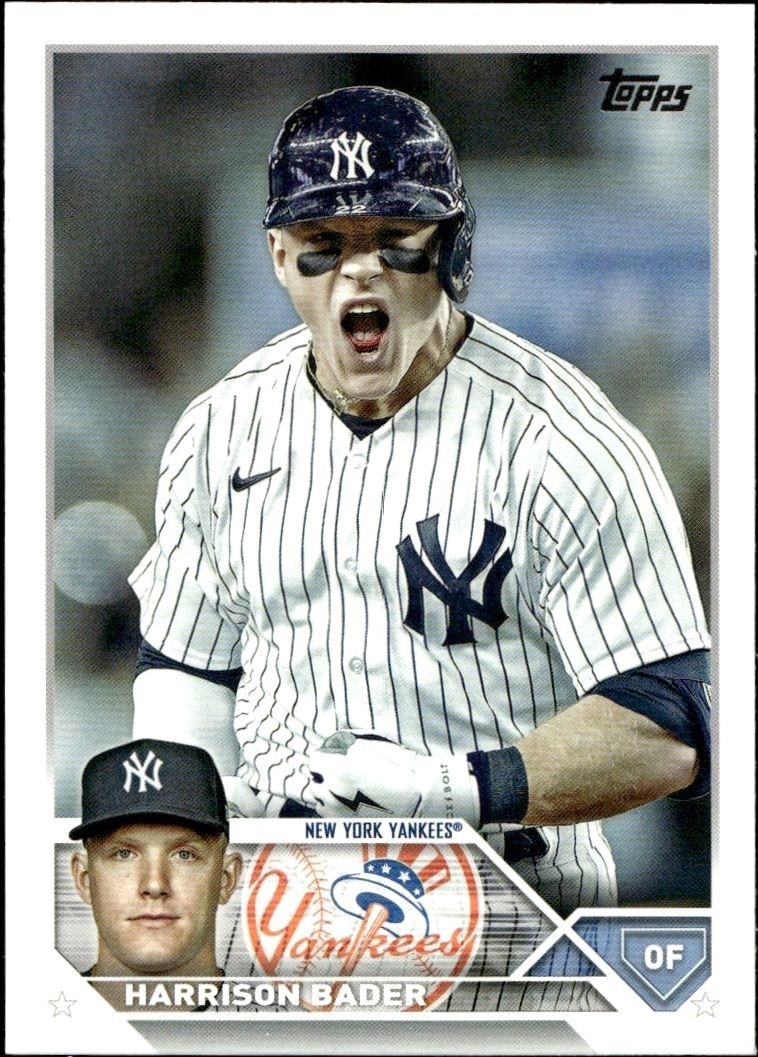



This catalog page features the 2018 Topps Series 1 Harrison Bader #21 sports trading card, representing the St. Louis Cardinals in the MLB.
2018 • Topps • Series 1
Major League Baseball • St. Louis Cardinals
Near Mint
21
New
Shipping Calculated at Checkout
30-day Returns| Condition | Value | Source | Trend | Price Details |
|---|---|---|---|---|
$1.69 | Guide Estimate | 0% | ||
$7.82 | Guide Estimate | 0% | ||
$16.99 | Guide Estimate | 0% | ||
$18.00 | Guide Estimate | 0% | ||
$24.00 | Guide Estimate | 0% | ||
$7.00 | Guide Estimate | -36.4% | ||
$18.38 | Guide Estimate | +0.1% | ||
$11.00 | Guide Estimate | 0% | ||
Raw / Ungraded
PriceCharting Price Guide · Guide Estimate evidence · captured Oct 24, 2026
The 2018 Topps Series 1 Harrison Bader #21 baseball trading card stands as a definitive entry for collectors tracking the St. Louis Cardinals roster during this era. Released by Topps, this product captures Bader in action, serving as a foundational component for those assembling the complete base set. As a standard issue within the 2018 Topps Series 1 framework, card number 21 provides a straightforward yet essential piece for hobbyists focused on team-specific collections or general MLB completeness. Harrison Bader, a key defensive presence for the Cardinals, is featured prominently in this release, making it a relevant item for fans who followed his career trajectory during his tenure in St. Louis. The 2018 Topps brand is renowned for its classic design and historical significance in the modern trading card landscape, offering a nostalgic touch that appeals to both veteran collectors and new enthusiasts. This card number is often sought after by set builders who prioritize accuracy and completeness in their portfolios. For investors and collectors alike, the 2018 Topps Series 1 release holds a special place in the hobby due to its high production quality and iconic status. The Harrison Bader #21 card allows individuals to connect with a specific moment in baseball history, representing the player's contributions to the team. Whether you are looking to complete a base set, build a team collection, or simply acquire a piece of MLB memorabilia, this catalog entry provides a reliable reference point for this Topps product.
3 days ago
We'll pre-fill the product details from this catalog entry, so your listing lands on this exact page. Just add photos of your copy, pick its condition, and set your price.
The catalog profile below summarizes the card identity, featured subject, and notable collectible traits.
The core identity of the card within the set.
The subject, team, league, and sport context tied to this card.
Production details and format-specific attributes.
Material
Card Stock
Language
English
Compare prices, grades, photos, and shipping from approved sellers.
New
Near Mint
See how many public collections currently include this card.
0 collectors have this card
As a base card from a standard 2018 Topps Series 1 release, this Harrison Bader item sits at the entry-level price tier within his overall catalog. Its value is driven primarily by condition and the presence of active inventory rather than any scarcity premium, placing it well below his premium parallels or autographed variants. The low listing count suggests a niche interest level rather than broad market liquidity.
This card lacks any special scarcity attributes such as serial numbering, short-print status, or parallel finishes, meaning it belongs to the standard base set production. The supply is effectively unlimited relative to collector demand, as no population constraints or limited edition mechanics apply to this specific item. Consequently, it does not carry the exclusivity premiums associated with higher-tier variants in the 2018 Topps series.
The lack of rookie designation or premium parallel features limits the upside potential for significant appreciation over time. Investment value is largely dependent on the general market performance of St. Louis Cardinals cards and Harrison Bader’s continued MLB relevance. Collectors seeking long-term growth typically look to graded examples of higher-tier parallels rather than ungraded base cards.