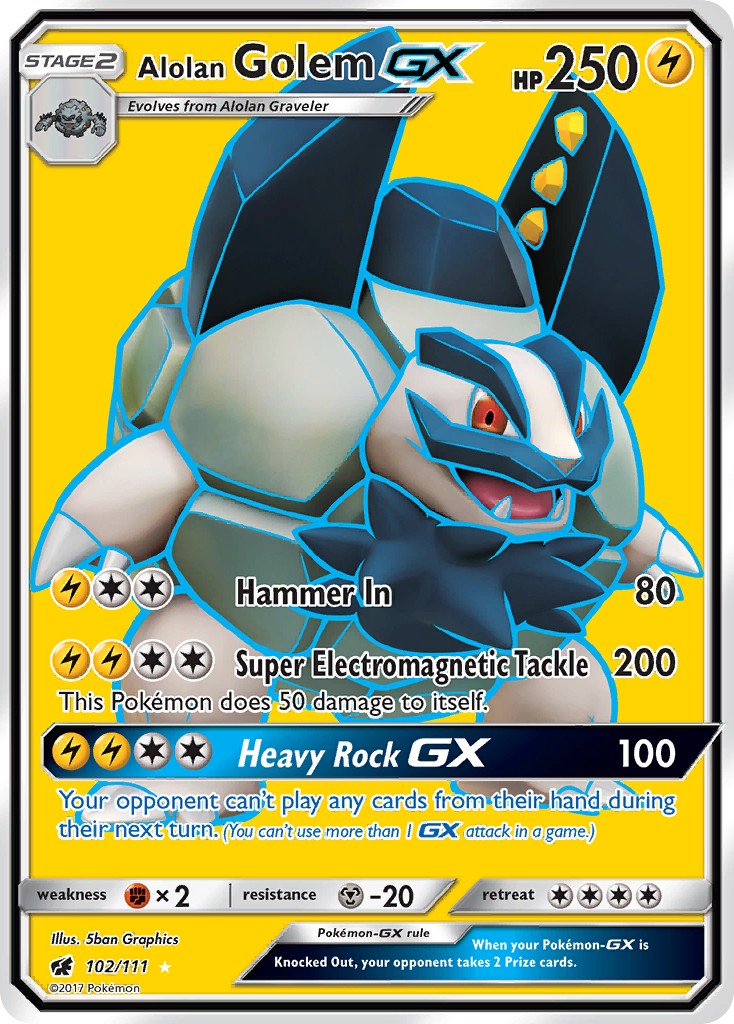
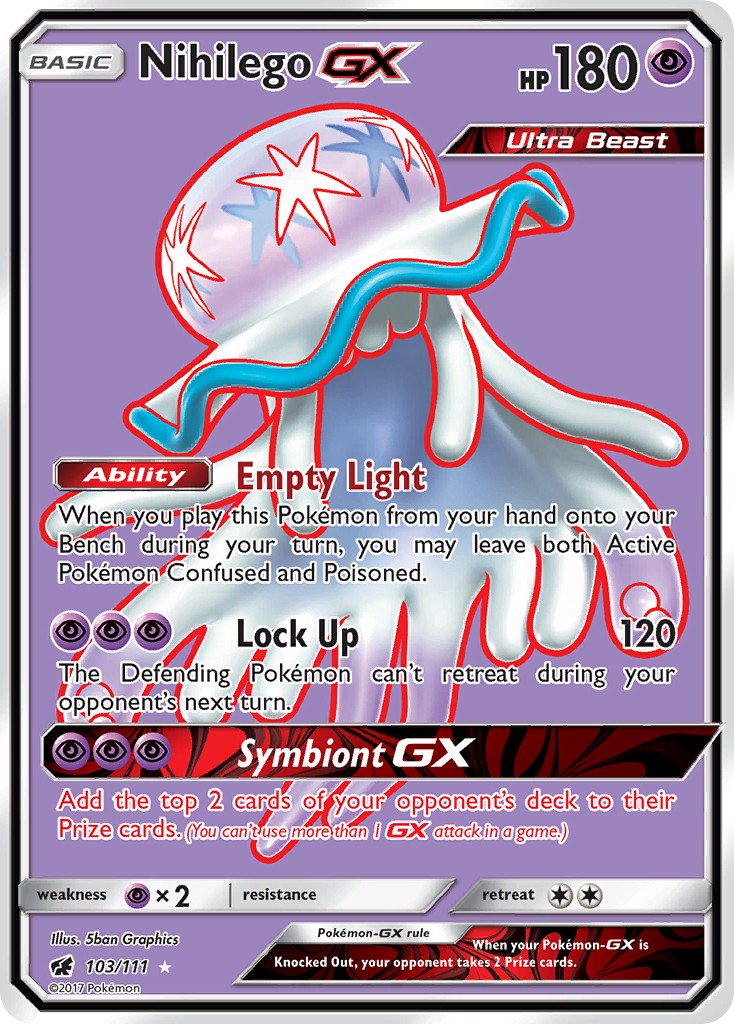
The Alolan Raichu Holo Rare card from the 2017 Crimson Invasion set, featuring unique Alola region mechanics and distinctive holo finish.
2017 • Pokémon • Crimson Invasion
No listings available right now.
No condition-by-condition breakdown has been recorded for this card yet.
The Alolan Raichu Holo Rare card, designated as number 31 in the 2017 Crimson Invasion set, represents a distinct evolutionary path for Pikachu within the Pokémon Trading Card Game. Unlike its standard counterparts, this variant only appears in the Alola region, reflecting a biological shift driven by local environmental factors. This card captures the essence of that regional adaptation, offering collectors a tangible piece of the Pokémon universe's diverse lore. Designed by Akira Komayama, this Lightning-type Stage 1 Pokémon boasts 110 HP and introduces the unique Ability Surge Surger. This ability removes the Retreat Cost entirely when a Stadium card is in play, providing strategic flexibility for trainers who utilize stadium effects. The card’s attack, Psychic, deals 70 damage plus an additional 20 damage for each Energy attached to the opponent’s Active Pokémon. This scaling mechanic makes it a dynamic choice for players looking to leverage board control. As a Holo Rare, this card features a shimmering finish that distinguishes it within the Crimson Invasion expansion. Collectors often seek out specific numbers from this set to complete their collections, and card 31 holds a notable place among the rarest cards in the expansion. The combination of its regional significance, unique gameplay mechanics, and visual appeal makes it a favorite among both competitive players and casual enthusiasts. Whether you are building a deck centered around Stadium strategies or simply expanding your Pokémon card collection, the Alolan Raichu from Crimson Invasion offers both aesthetic and functional value. Its design and abilities reflect the creativity of the TCG's evolution, making it a compelling addition for any serious collector.
We'll pre-fill the product details from this catalog entry, so your listing lands on this exact page. Just add photos of your copy, pick its condition, and set your price.
The catalog profile below summarizes the card identity, featured subject, and notable collectible traits.
The core identity of the card within the set.
The subject, team, league, and sport context tied to this card.
Featured
Alolan Raichu
Game
Pokémon
Rarity, print treatment, and game-specific stats for this card.
Holo Rare
Akira Komayama
Card Stock
English
Holo
110
Lightning
Stage 1
Pikachu
Fighting ×2
Metal -20
2
26
Abilities, attacks, oracle text, and flavor text printed on the card.
Ability: Surge Surfer
If there is any Stadium card in play, this Pokémon has no Retreat Cost.
Attack: Psychic (70+)
This attack does 20 more damage times the amount of Energy attached to your opponent's Active Pokémon.
It only evolves to this form in the Alola region. According to researchers, its diet is one of the causes of this change.
Explore cards with this name across sets and editions. Check each card’s details before choosing a version.
Tap an image to preview it, or a card’s name to open its page.