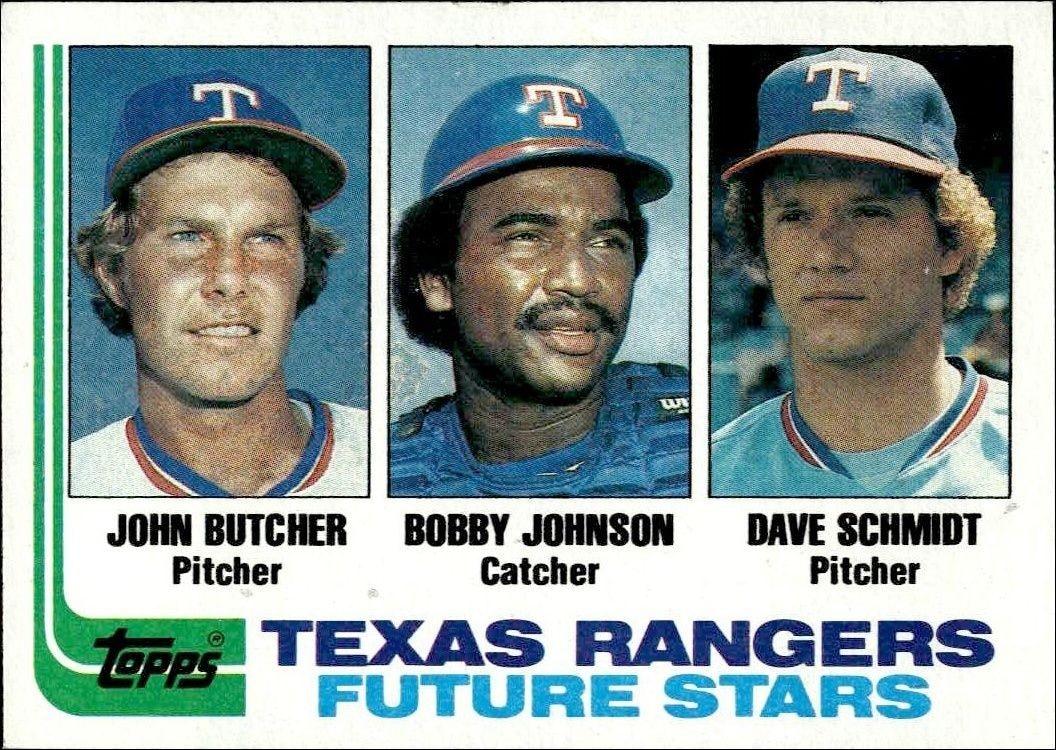
Collecting John Butcher cards offers a unique window into the mid-1980s baseball landscape, focusing on his professional journey across two distinct…Read more
franchises. With a career spanning from 1983 to 1992, his memorabilia is primarily anchored in the vintage era, featuring prominent appearances in Topps and Fleer annual releases. These sets are highly sought after by enthusiasts who appreciate the tangible history of players who contributed to the sport during this pivotal decade.
The core of any John Butcher collection typically revolves around his rookie cards and early base issues from 1983 and 1984. These cards capture the beginning of his tenure with the Minnesota Twins before he moved to the Texas Rangers in 1988. Collectors often track these specific years to understand the progression of his career, using the cards as historical markers rather than just statistical records. The jersey number 39 serves as a consistent identifier across many of these vintage issues, making it easier for hunters to verify authenticity and edition.
While John Butcher did not accumulate traditional Hall of Fame accolades, his cards hold value for niche collectors who specialize in specific team histories or era-based sets. The availability of his cards in both Topps and Fleer catalogs provides variety, allowing collectors to build diverse portfolios that span different design aesthetics and printing techniques. Whether you are looking to complete a specific set or simply acquire a piece of baseball history, the catalog offers a growing selection of options.
For investors and serious hobbyists, the condition and rarity of these vintage cards remain the primary drivers of value. High-grade examples from the 1980s can be particularly difficult to find, making them desirable additions to any serious archive. By focusing on the tangible aspects of his career—his time with the Twins and Rangers, his jersey number, and the specific brands that produced his cards—collectors can build a meaningful and historically accurate collection. This approach ensures that the focus remains on the artifacts themselves, preserving the legacy of players like John Butcher for future generations of baseball enthusiasts.