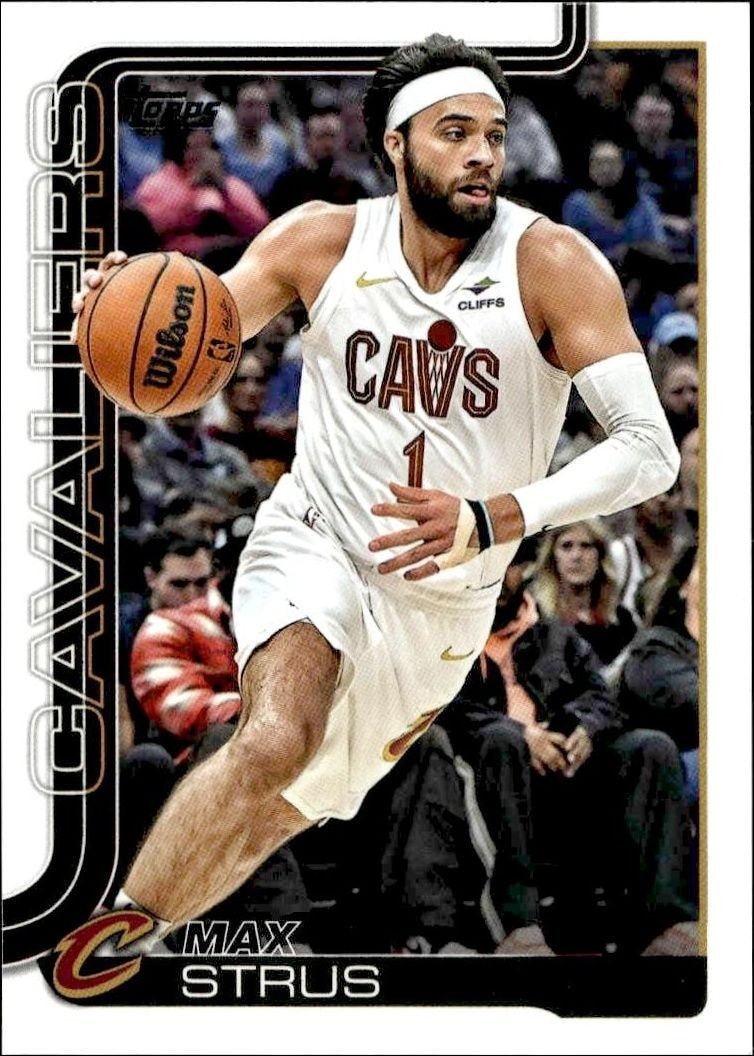
Max Strus has established himself as a reliable contributor in the NBA, making his basketball trading cards a compelling addition for collectors…Read more
building rosters focused on active guard play. Born in 1996 and hailing from the United States, Strus began his collegiate journey at DePaul Blue Demons before entering the professional ranks, a timeline that provides context for the evolution of his collectible value. For investors and hobbyists alike, tracking the cards associated with this American athlete offers a unique window into the modern basketball landscape. The market for Max Strus collectibles is anchored by his rookie year, which remains the most sought-after category for serious enthusiasts. Cards from his debut era often feature premium finishes, including parallel versions and autographed inserts that command higher interest due to their scarcity. While his career timeline continues to unfold, the foundational cards from his early professional steps serve as the cornerstone for many specialized collections. Beyond rookie cards, the catalog includes a wide array of inserts, parallels, and specialty subsets that highlight Strus’s on-court versatility. These cards often feature distinct design elements, such as refractors, serial-numbered parallels, or memorabilia patches, which appeal to collectors who prioritize visual appeal and rarity. The brand Topps, a long-standing leader in basketball collectibles, frequently features Strus in its flagship sets, providing consistent access to his latest releases. This steady stream of new product ensures that the market remains dynamic and accessible. Collecting Max Strus cards allows enthusiasts to engage with the present moment of basketball history. Whether you are looking to complete a team set, focus on specific autograph types, or simply appreciate the artistic design of modern inserts, there is a piece of the puzzle for every budget. The diversity of options means that collectors can find value in both high-end premium cards and affordable base issues. By focusing on the tangible aspects of the hobby—such as card condition, brand reputation, and subset rarity—collectors can build a meaningful portfolio.