Collectors interested in vintage baseball memorabilia often turn their attention to players who defined the late 1970s and early 1980s eras.…Read more
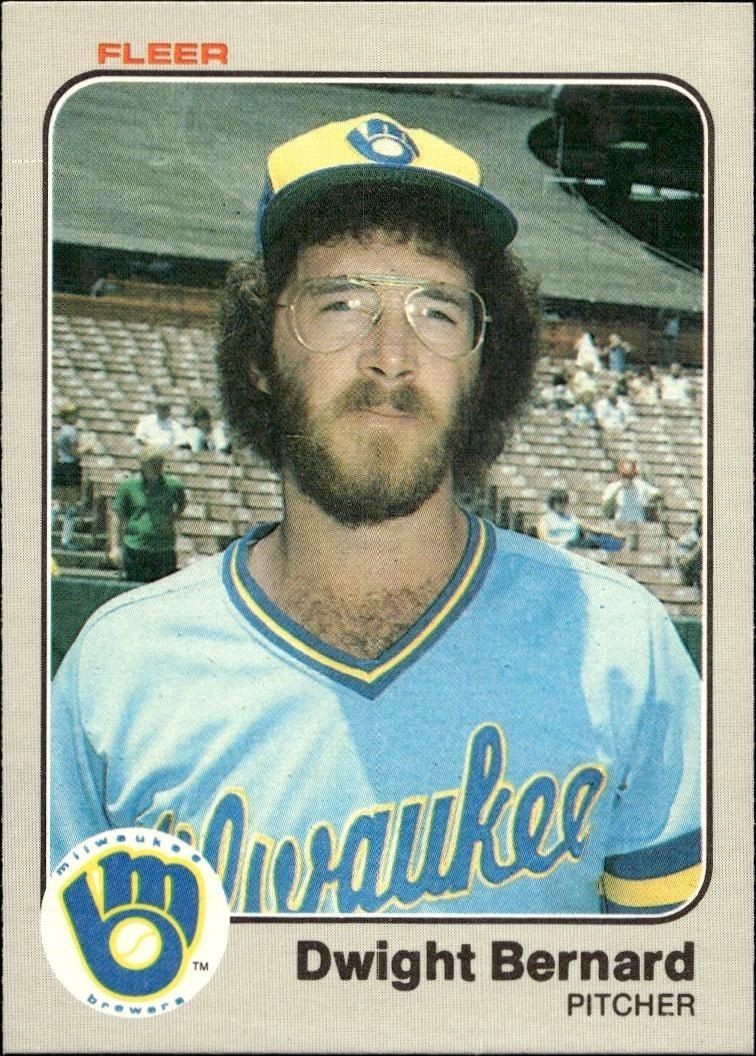
Dwight Bernard, a utility player known for his versatility on the diamond, remains a compelling figure for those who appreciate the depth of major league rosters from that time. His career spanned several seasons, including notable stints with the Milwaukee Brewers and the New York Mets, making his cards a valuable piece of team history for specialized collectors. The market for Bernard's cards is largely driven by nostalgia and the desire to complete specific set collections. Key brands that featured his work include Fleer and Donruss, which were dominant forces in the trading card industry during the 1980s. Fleer issues from this period are particularly sought after by enthusiasts who value the distinct design aesthetics and printing techniques of the era. Similarly, Donruss cards offer a different visual appeal, often characterized by their bold borders and straightforward photography, providing collectors with multiple avenues to acquire his image. While Bernard may not be a household name like some superstars, his cards hold significance for investors and hobbyists alike who focus on the broader narrative of baseball history. The availability of his cards in various sets allows collectors to find options that fit different budget ranges and aesthetic preferences. Whether you are looking to add a specific year to your portfolio or simply want a tangible connection to the sport's past, the diverse selection of Dwight Bernard baseball trading cards available offers a unique opportunity for discovery. For those new to collecting, starting with a player like Bernard can be an educational journey into the intricacies of vintage card production. Understanding the differences between Fleer and Donruss releases helps build a more nuanced appreciation for the hobby. As you explore the catalog, you will find that even players with shorter tenures contribute to the rich tapestry of baseball culture. By focusing on the cards themselves rather than just the player's statistics, you can build a meaningful collection that honors the game's history.