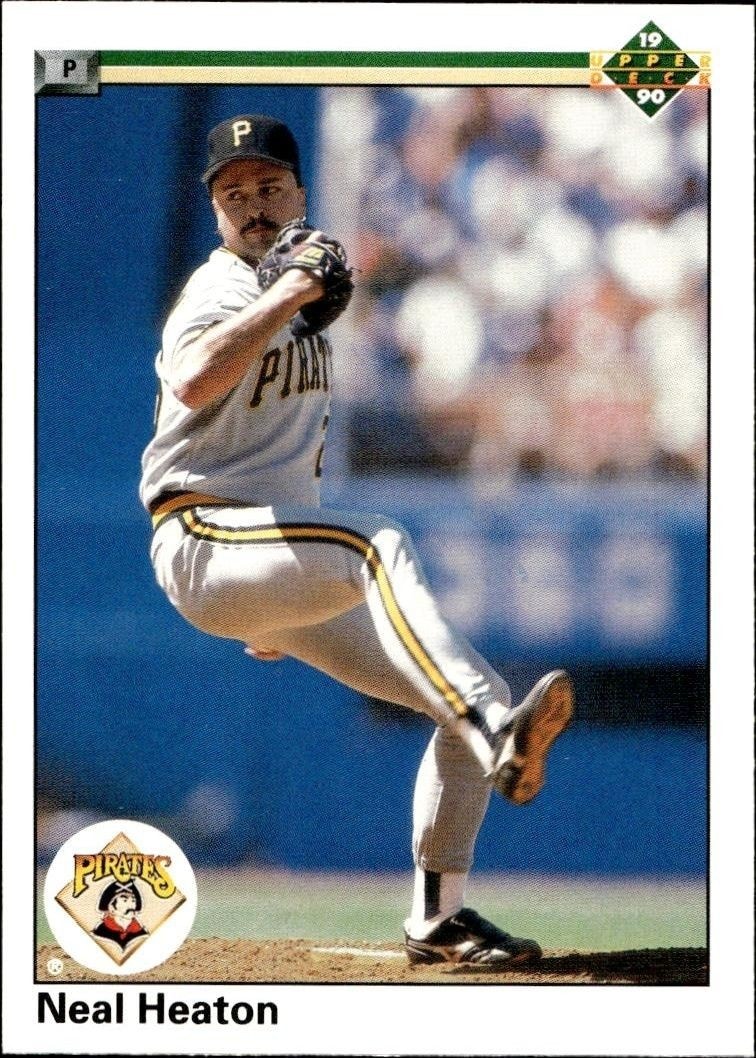
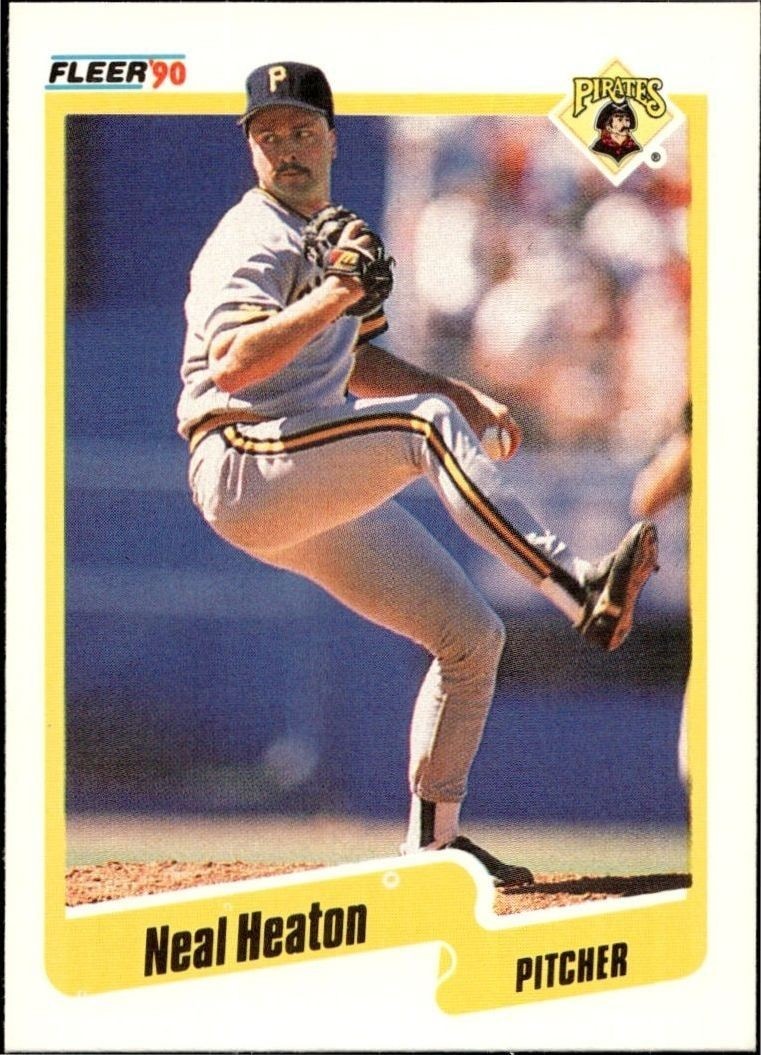
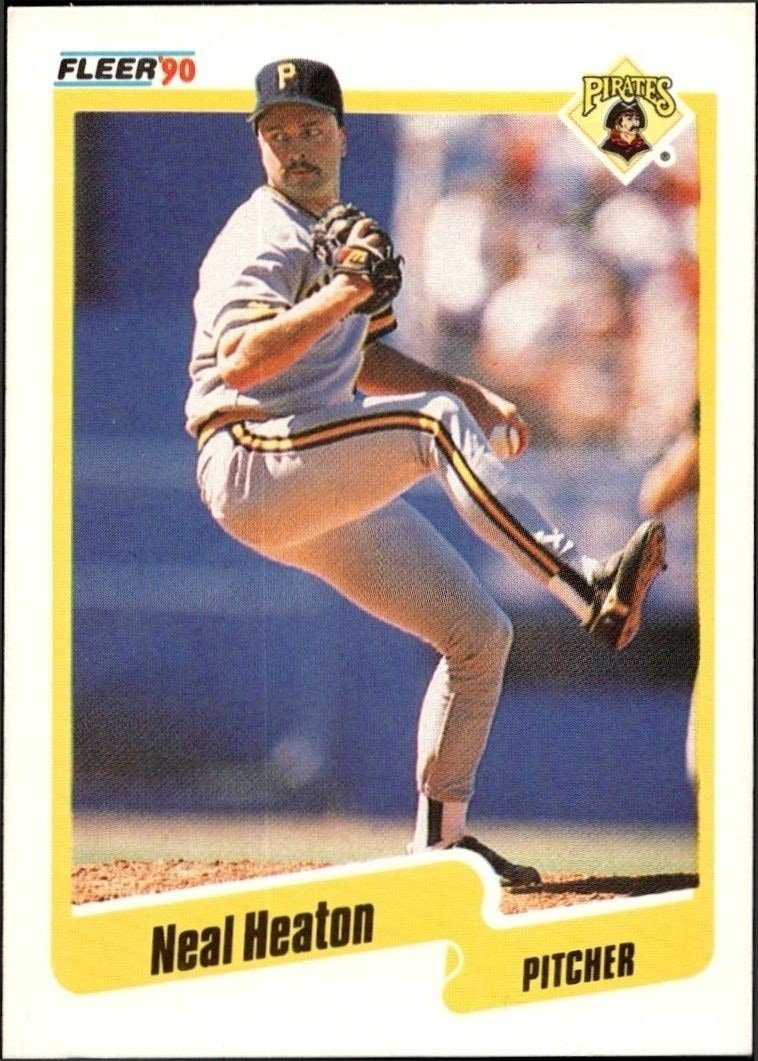
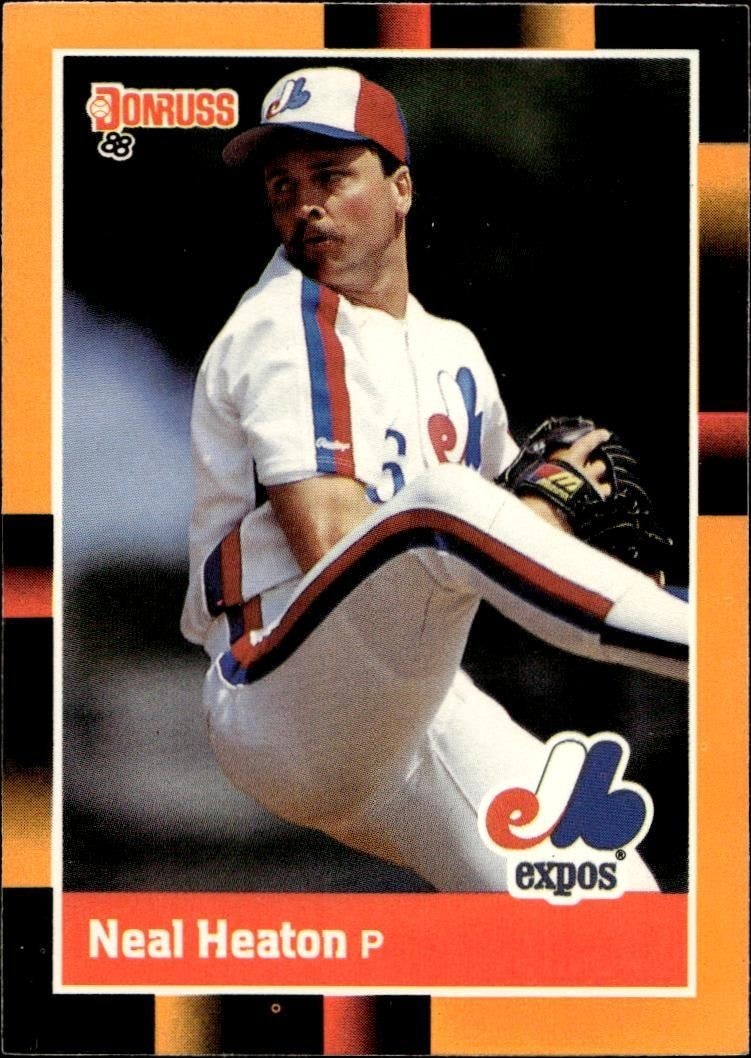
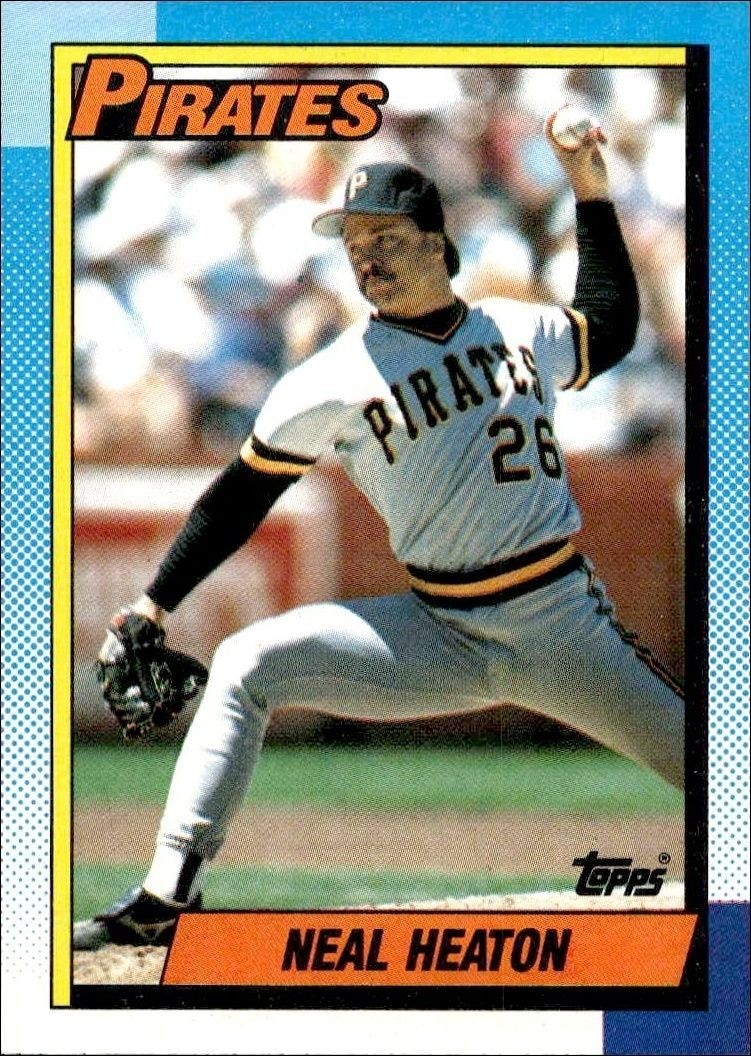
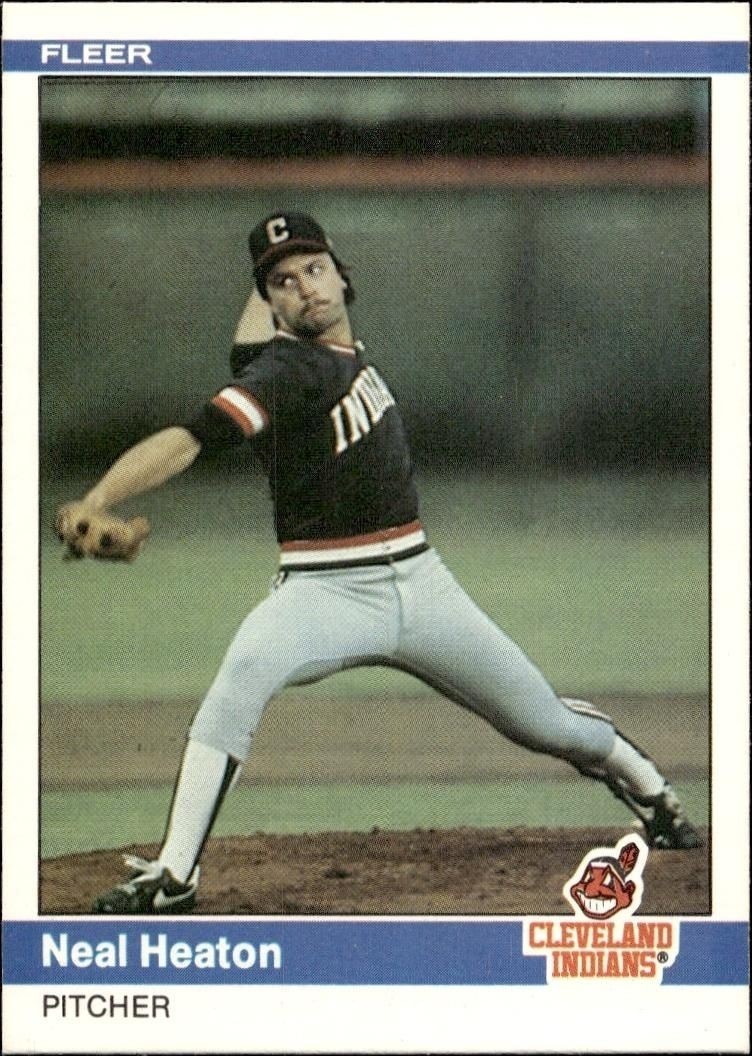
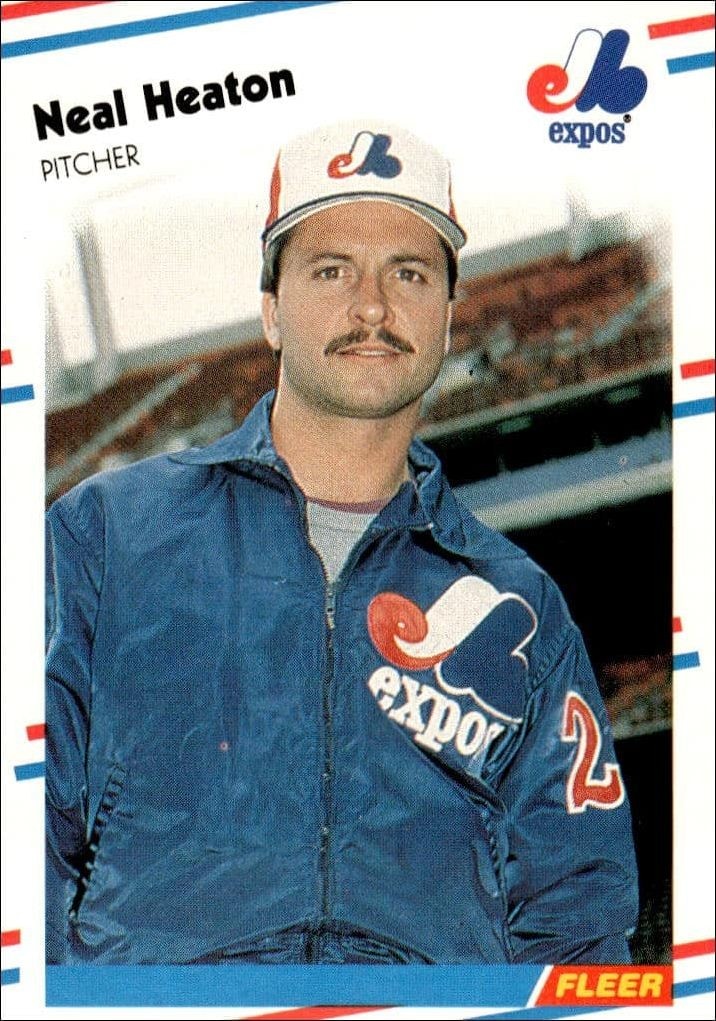
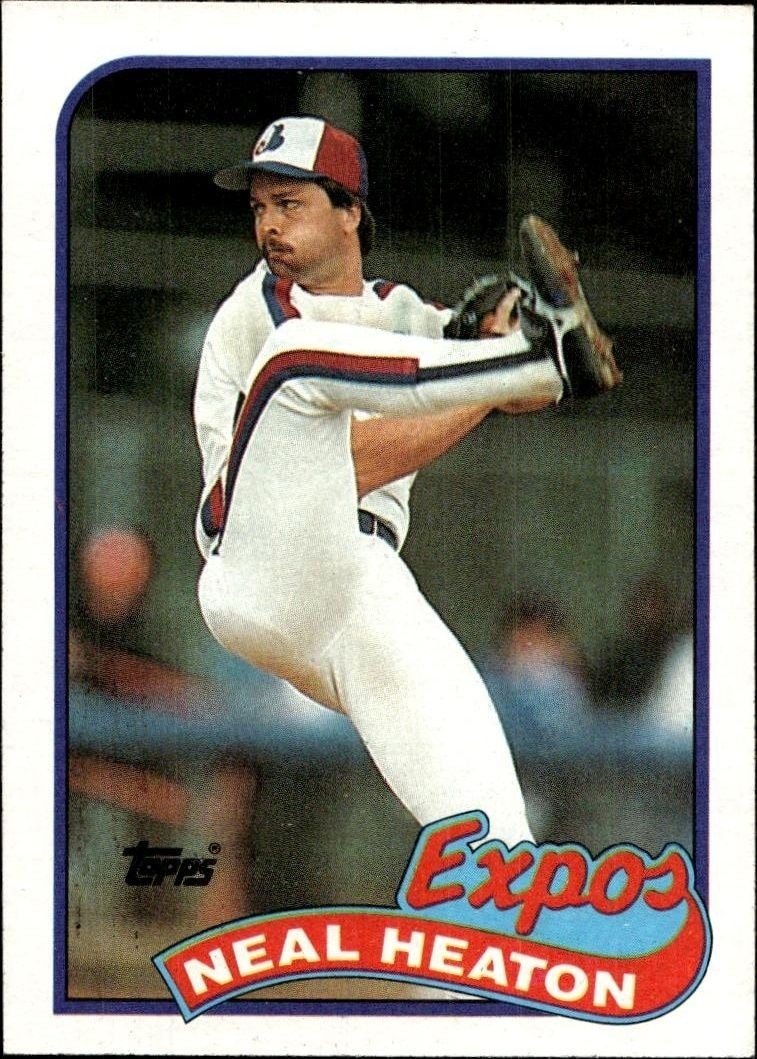
Neal Heaton, a right-handed pitcher who competed in Major League Baseball during the 1980s, remains a recognizable figure among collectors of vintage…Read more
sports memorabilia. His career spanned several seasons, including tenures with the Cleveland Indians, Montreal Expos, and Pittsburgh Pirates. For enthusiasts of baseball history, Heaton represents a tangible link to the mid-to-late 1980s era of the sport, offering a unique avenue for collecting beyond the most ubiquitous superstars. Collectors often seek out Heaton’s cards to complete specific team sets or to explore the broader landscape of 1980s baseball. His appearances in key brands such as Topps, Donruss, Upper Deck, and Fleer provide a wide array of options for different collecting styles. From standard base cards to more specialized subsets, the variety available allows collectors to find pieces that fit their aesthetic and budget preferences. The presence of Heon in series like Baseball's Best and Low Number highlights the diverse ways manufacturers featured him during his active years. While Heaton may not be a household name compared to other icons of the game, his cards offer significant value to niche collectors. Investors and hobbyists alike appreciate the accessibility of his inventory, which allows for affordable entry into vintage collecting. Whether you are looking for a specific year, such as his time with the Montreal Expos in 1988 or 1989, or simply want to add a piece of baseball history to your collection, the available options are robust. For those interested in the history of the game, owning a Neal Heaton card is a way to preserve a piece of the sport's past. The cards serve as historical documents, capturing the visual identity of the player and the design trends of the era. As vintage collectibles continue to gain popularity, finding well-preserved examples of Heaton’s cards becomes increasingly rewarding. The platform provides a reliable source for these items, supporting collectors in their pursuit of completing sets or expanding their holdings. By focusing on the cards themselves, collectors can appreciate the artistry and production quality of the era, regardless of the player’s statistical achievements.