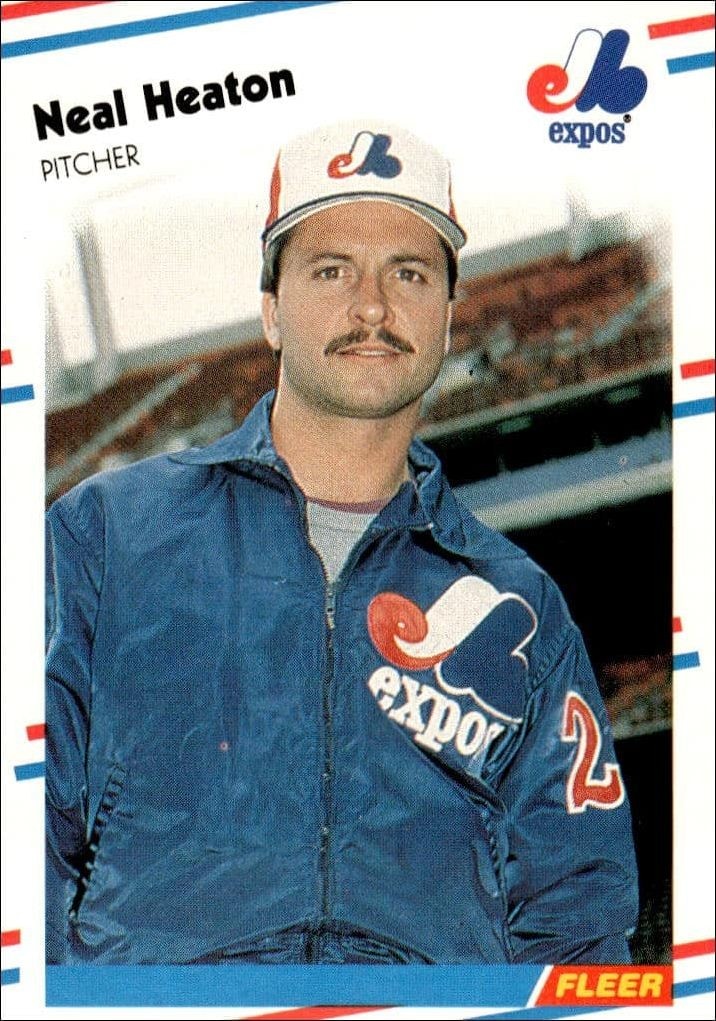
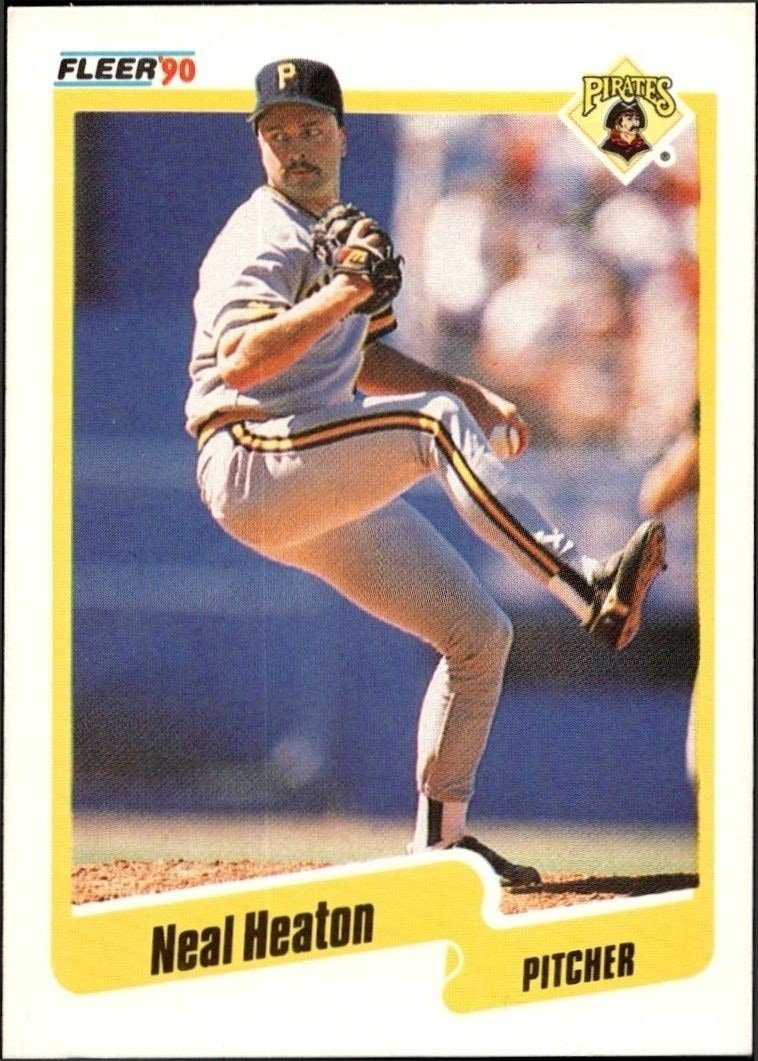
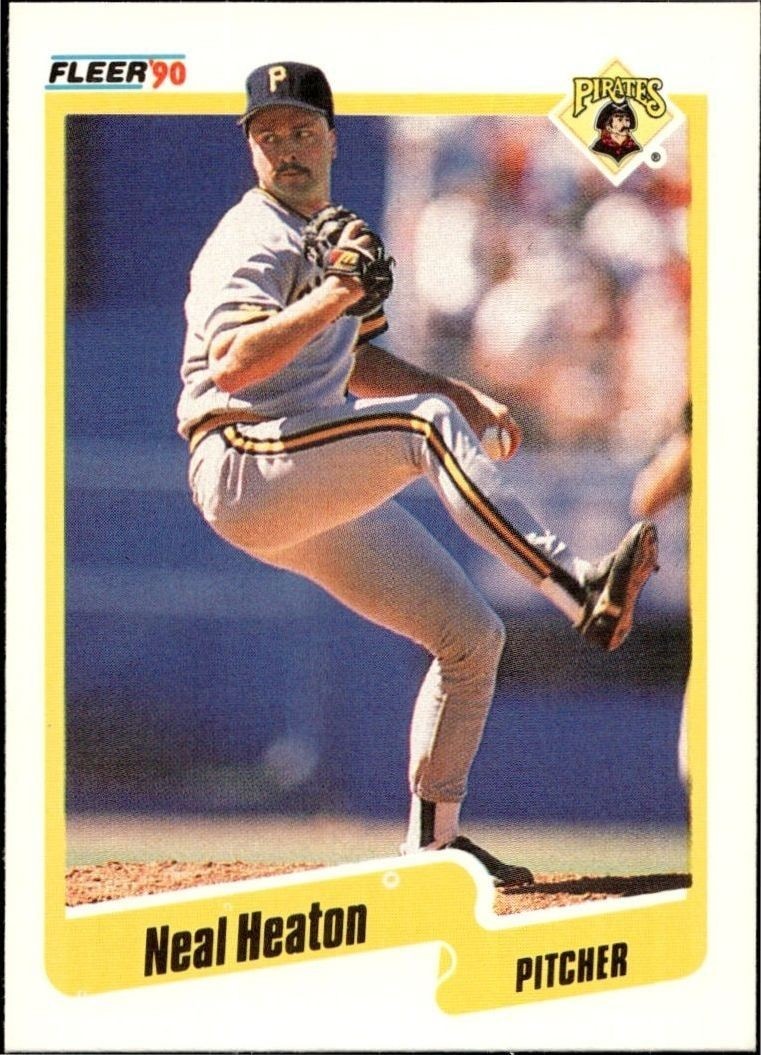
The 1989 Topps Neal Heaton #197 Montreal Expos baseball card is a standard issue from the classic 1989 Topps set.
1989 • Topps
Major League Baseball • Montreal Expos
Excellent
197
New
Shipping Calculated at Checkout
This seller is away until 10/19/2026 — orders are still accepted and ship after they return.30-day Returns| Condition | Value | Source | Trend | Price Details |
|---|---|---|---|---|
$0.96As of 9/27/2026 | Guide Estimate | |||
$8.29As of 9/27/2026 | Guide Estimate | |||
$88.00As of 9/27/2026 | Guide Estimate | |||
$41.00As of 9/27/2026 | Guide Estimate | |||
$67.97As of 9/27/2026 | Guide Estimate | |||
$41.00As of 9/27/2026 | Guide Estimate | |||
Raw / Ungraded
PriceCharting Price Guide · Guide Estimate evidence · captured Sep 28, 2026
History is building. At least two days of matching observations are needed to show a trend.
Each point is the last stored observation that day for this printing, condition, grader, autograph status and source. Gaps mean no observation; guide estimates and asking prices are not completed sales.The 1989 Topps Neal Heaton #197 Montreal Expos baseball card represents a standard issue from one of the most recognizable sets in sports card history. Issued by Topps, this card features Neal Heaton during his tenure with the Montreal Expos. Collectors often seek out cards from this year to build complete sets or to acquire items that reflect the design aesthetics of the late 1980s. As part of the 1989 Topps product line, this card benefits from the brand's widespread distribution and consistent printing standards. The Montreal Expos affiliation places the card within a specific team context, appealing to fans of the franchise and regional collectors. Neal Heaton's presence on the card offers a tangible link to the roster composition of that era, making it a relevant piece for those tracking player movements and team histories. For investors and hobbyists, 1989 Topps cards are valued for their accessibility and historical significance. While not a rookie card, the #197 designation places it squarely within the mid-to-late section of the base set, a common target for set builders aiming for completeness. The straightforward design typical of Topps during this period allows the subject to remain the focal point, a style that remains popular among modern collectors who appreciate the era's graphic simplicity. Whether used to fill a gap in a personal album or to add a piece of Expos history to a portfolio, this card serves as a foundational element for any serious collection of 1980s baseball memorabilia.
11 hours ago
We'll pre-fill the product details from this catalog entry, so your listing lands on this exact page. Just add photos of your copy, pick its condition, and set your price.
The catalog profile below summarizes the card identity, featured subject, and notable collectible traits.
The subject, team, league, and sport context tied to this card.
Production details and format-specific attributes.
Material
Card Stock
Language
English
Compare prices, grades, photos, and shipping from approved sellers.
New
Excellent
See how many public collections currently include this card.
0 collectors have this card
This 1989 Topps Neal Heaton card sits at the entry-level tier of the vintage baseball market, reflecting its status as a common base card from a high-volume era. While the player holds significance as a former MLB pitcher for the Montreal Expos, the lack of special attributes keeps its value well below that of parallel or insert variations from the same set. The current pricing indicates a stable but modest demand, typical for ungraded base cards of non-superstar players from this period.
As a standard base card within the 1989 Topps set, this item carries no serial numbering, short-print designation, or parallel processing that would artificially constrain its supply. The scarcity is purely functional, defined by the sheer volume of base cards produced during the late 1980s, making it widely available in the secondary market. Without any unique manufacturing mechanics, the supply remains effectively uncapped compared to limited-edition counterparts.
The card lacks the rookie-card premium or high-grade scarcity drivers that typically fuel significant appreciation in the vintage sports market. Its value proposition rests primarily on completionist collectors seeking to fill specific team or player slots within the 1989 Topps base set rather than speculative investors. Long-term growth is likely to remain minimal unless the player achieves Hall of Fame recognition or the card undergoes significant grading upgrades, neither of which are indicated in the current attributes.