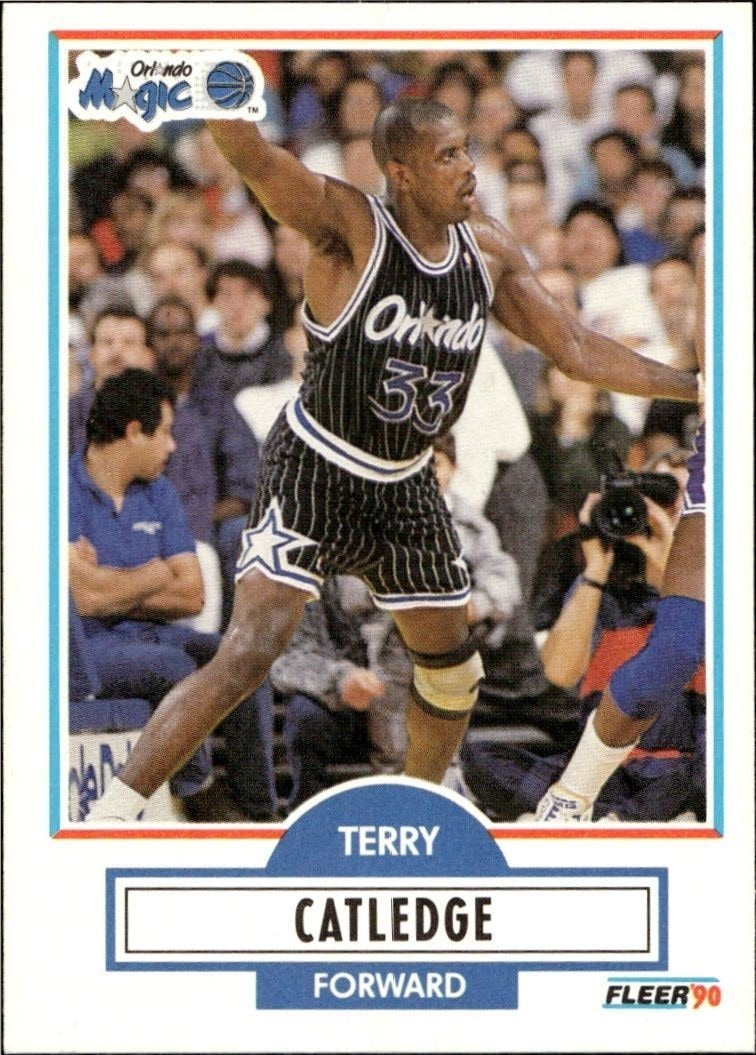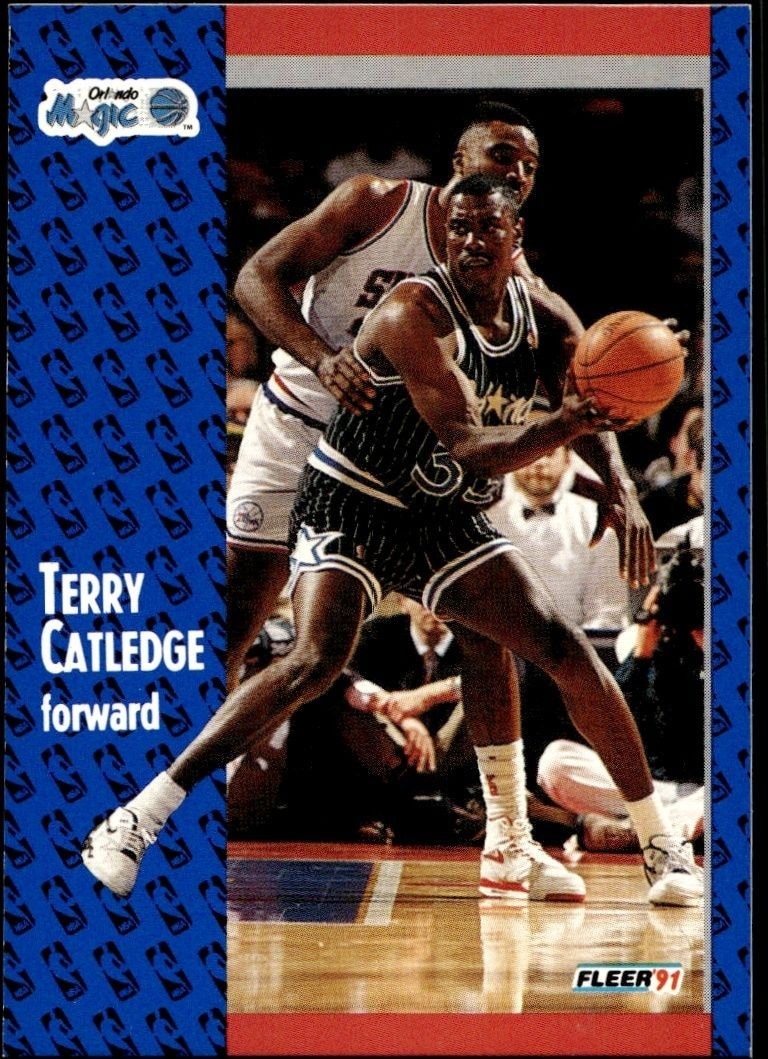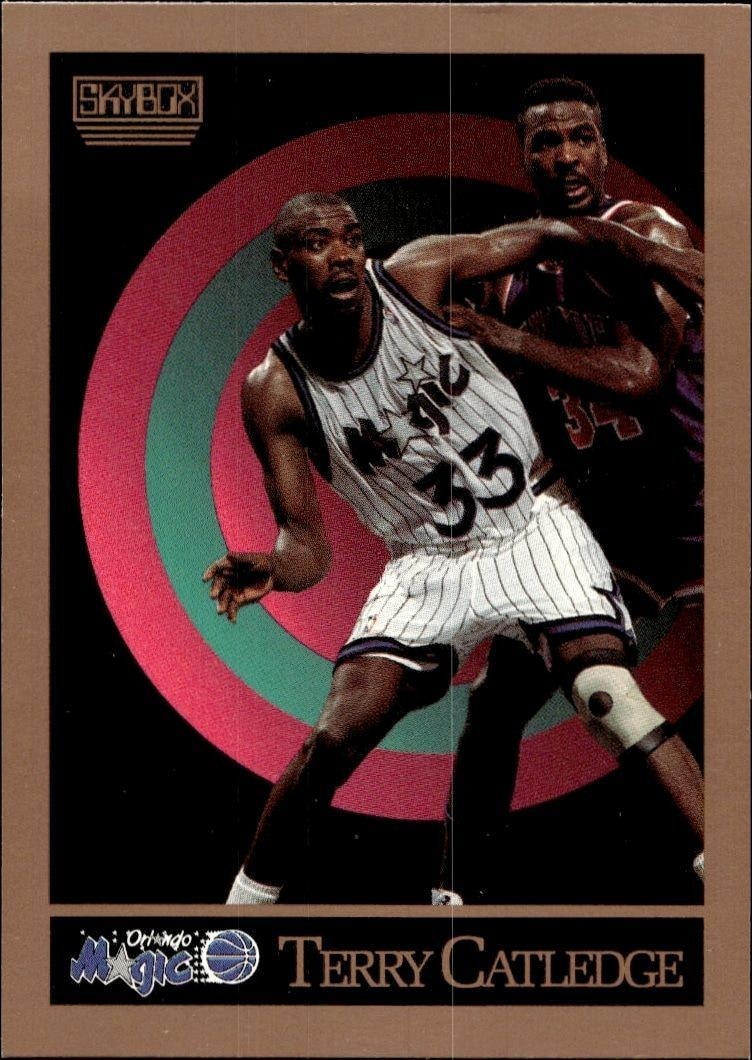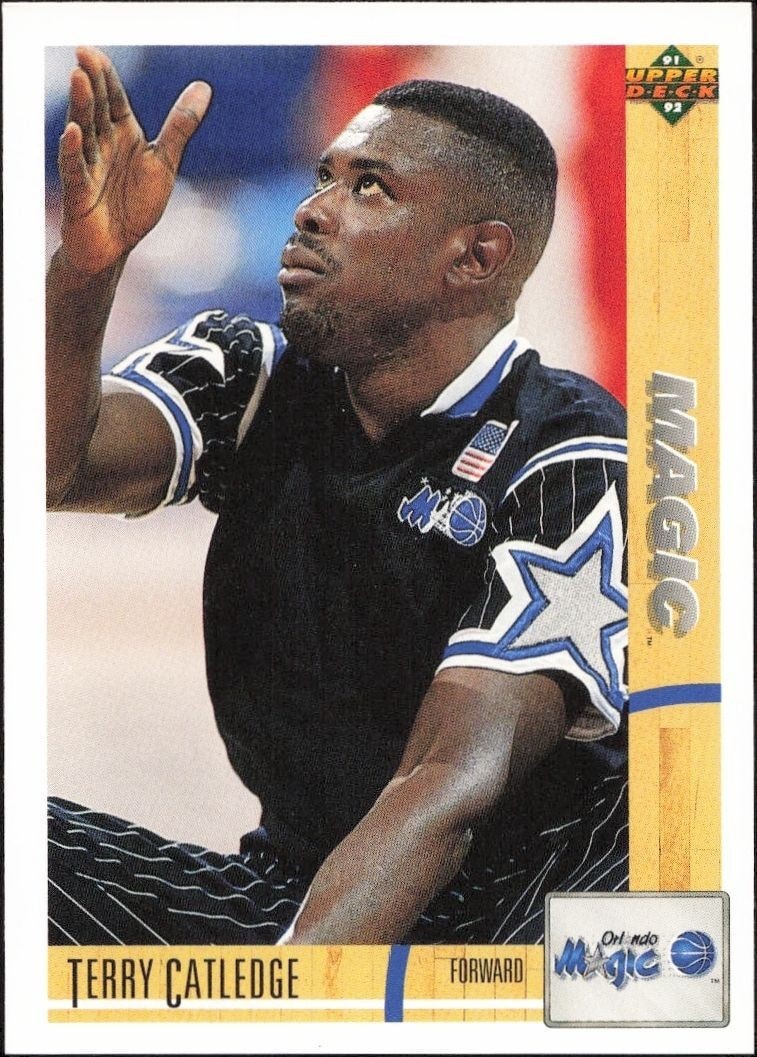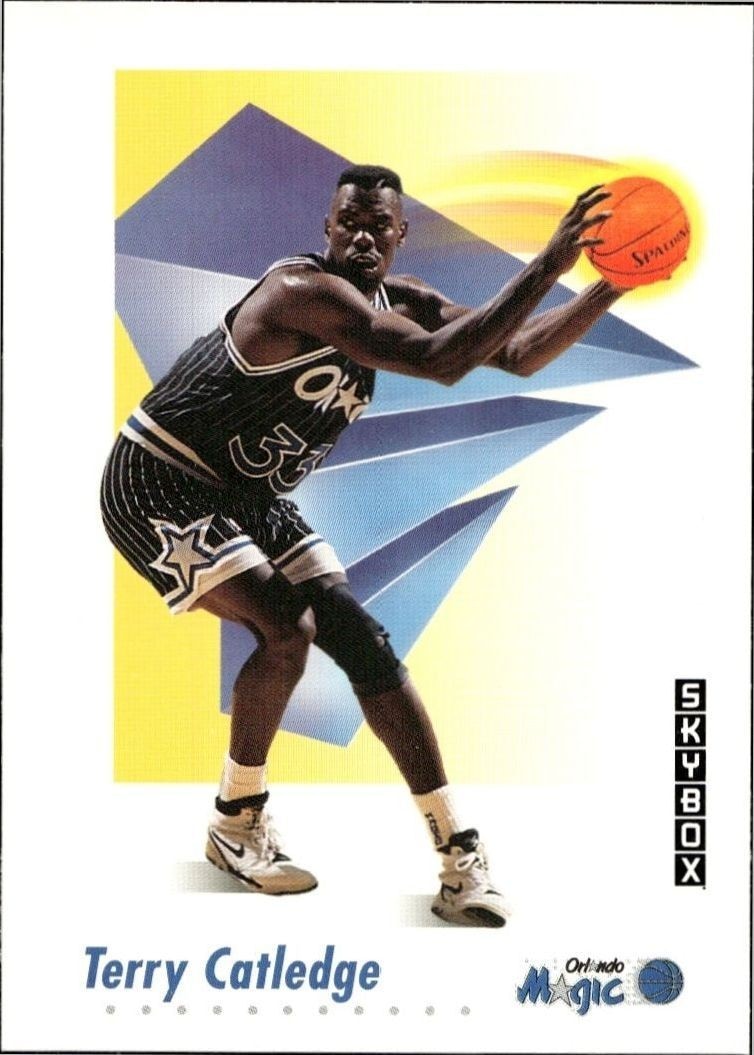
Explore Terry Catledge trading cards from his Orlando Magic era. Featuring Upper Deck and Fleer releases from the early 1990s basketball card boom.
Terry Catledge cards represent a solid collecting opportunity from the early 1990s basketball card era, when Upper Deck and Fleer dominated the…Read more
market. Catledge, who played for the Orlando Magic during a competitive period in franchise history, appears across multiple sets and brands from this productive collecting window. His cards from 1992-93 and surrounding years capture the essence of that era's design aesthetics and production quality.
Collectors pursuing complete Upper Deck or Fleer basketball sets from the early 1990s will encounter Terry Catledge cards as part of the broader player checklist. These cards appeal to both set builders and those focused on Magic team collections. The early 1990s marked a transition period in basketball card manufacturing, with improved photography and card stock compared to earlier decades. Terry Catledge cards from this timeframe offer accessible entry points for collectors interested in vintage basketball cardboard without the premium pricing of true rookie cards or hall-of-fame players. Whether completing a team set, building a vintage basketball collection, or investing in period-specific releases, Catledge cards provide value and historical context from a significant era in trading card history.
Terry Catledge cards were primarily released during the 1992-93 season and surrounding years, when both Upper Deck and Fleer were producing their main basketball sets. This early 1990s window represents the peak of his card availability.
Yes, Catledge cards are common inclusions in complete Upper Deck and Fleer basketball sets from the early 1990s. Collectors working on set completions or Magic team collections will likely need at least one Catledge card from this era.
Early 1990s releases feature improved card stock, photography, and design compared to earlier decades, making them appealing to vintage collectors. These cards also represent an important transitional period in basketball card history when the hobby experienced significant growth.