



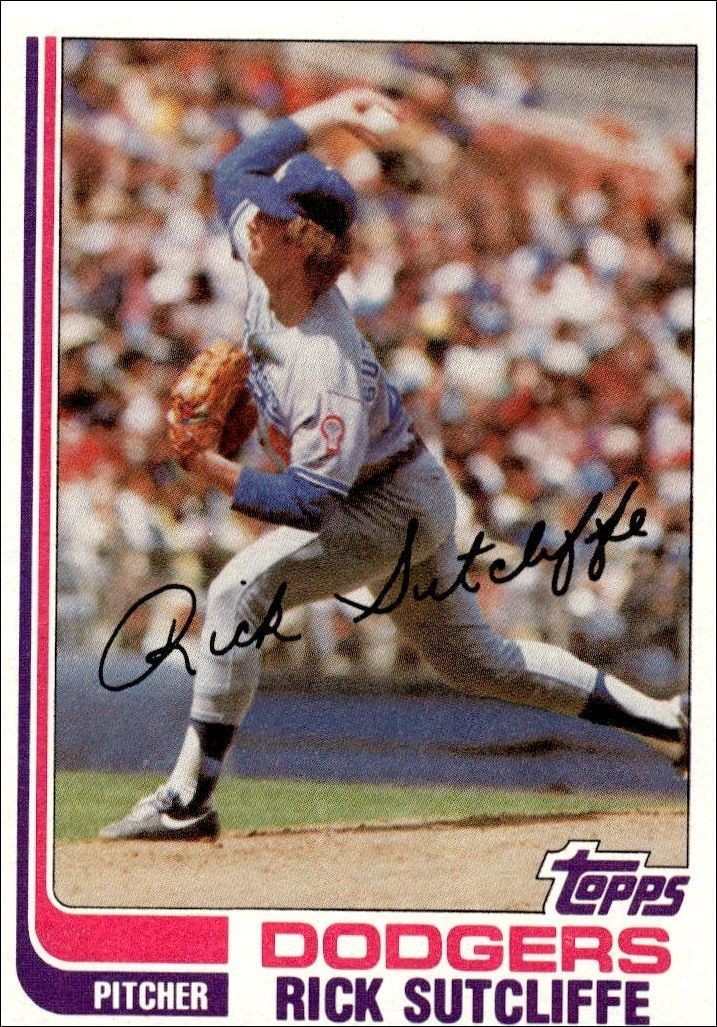



Rick Sutcliffe appears on card #191 in the 1981 Topps baseball trading card series, representing his tenure with the Los Angeles Dodgers.
1981 • Topps
Major League Baseball • Los Angeles Dodgers
Very Good
191
New
Shipping Calculated at Checkout
Arrives in 5-7 daysEstimated delivery October 29, 2026 - October 31, 2026
30-day Returns| Condition | Value | Source | Trend | Price Details |
|---|---|---|---|---|
$1.49 | Guide Estimate | +0.7% | ||
$1.29As of 9/22/2026 | Completed Sales | |||
$6.61 | Guide Estimate | +0.2% | ||
$12.20 | Guide Estimate | 0% | ||
$17.74 | Guide Estimate | 0% | ||
$50.93 | Guide Estimate | +9.5% | ||
$149.00 | Guide Estimate | 0% | ||
$46.00 | Guide Estimate | -33.3% | ||
$114.50 | Guide Estimate | 0% | ||
$69.00 | Guide Estimate | 0% | ||
Raw / Ungraded
PriceCharting Price Guide · Guide Estimate evidence · captured Oct 24, 2026
The 1981 Topps baseball card series remains a cornerstone for vintage sports card enthusiasts, and card number 191 features Rick Sutcliffe during his time with the Los Angeles Dodgers. This release captures a moment in baseball history, allowing collectors to own a piece of the era's visual culture. For those building a chronological collection of Topps issues, this card serves as a necessary component of the complete set. Collecting vintage baseball cards often involves navigating the distinct design language of the early 1980s. Rick Sutcliffe, as a featured player on the Dodgers roster, brings historical significance to this card for fans of the team or those tracking his career trajectory within the league. Whether you are a long-time collector focusing on the Los Angeles Dodgers or a generalist seeking to fill gaps in a 1981 Topps base set, this card offers tangible connection to the sport's past. The value of such items often stems from their rarity in high grades and their role in the broader narrative of baseball card collecting. Enthusiasts appreciate the opportunity to preserve these artifacts, which serve as physical reminders of the game's rich history. From raw cards to graded slabs, the market for 1981 Topps products continues to thrive. Understanding the context of the set and the player's role helps collectors make informed decisions when adding to their inventory. This card stands as a testament to the enduring appeal of vintage baseball memorabilia, connecting generations of fans through shared interest in the sport.
3 days ago
We'll pre-fill the product details from this catalog entry, so your listing lands on this exact page. Just add photos of your copy, pick its condition, and set your price.
The catalog profile below summarizes the card identity, featured subject, and notable collectible traits.
The subject, team, league, and sport context tied to this card.
Production details and format-specific attributes.
Material
Card Stock
Language
English
Compare prices, grades, photos, and shipping from approved sellers.
New
Very Good
See how many public collections currently include this card.
0 collectors have this card
This 1981 Topps Rick Sutcliffe card represents an entry-level tier within the player's broader market, reflecting its status as a base issue with no special parallels or inserts. While the current listing indicates active interest, the absence of premium attributes suggests it trades below the value of graded or serial-numbered counterparts. Its pricing reflects the typical volume distribution of early-career base cards from this era.
As a standard base card from the 1981 Topps set, this item lacks the supply constraints associated with short prints, serial numbering, or limited edition parallels. The scarcity is driven solely by the natural attrition of ungraded base cards over time rather than intentional print run limitations. Consequently, it does not benefit from the rarity premiums found in higher-tier parallels or special subsets.
The card's value proposition is anchored by its position as an early-career issue featuring a notable Dodgers pitcher, though it lacks the rookie-card premium often sought by serious investors. Demand is likely driven by casual collectors or those completing base set runs rather than speculative growth. Long-term appreciation may be limited compared to rarer variations, but it remains a stable component for foundational collection building.

