



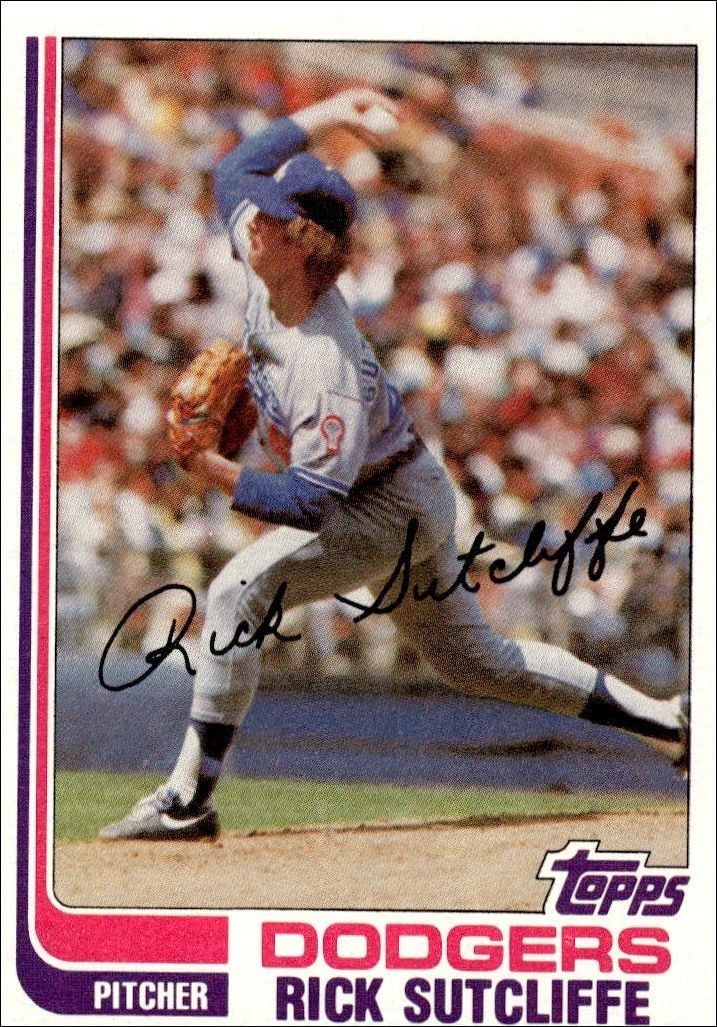


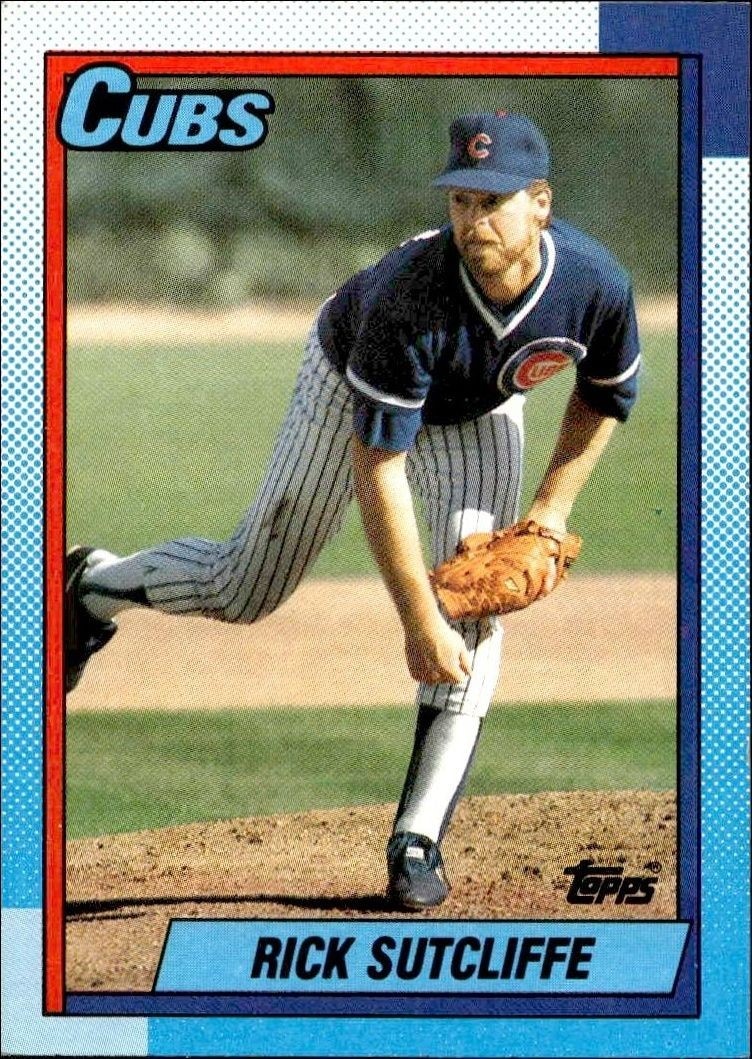


Explore the 1990 Fleer Rick Sutcliffe #43 baseball card, a notable piece from one of the most recognizable sets in sports trading card history.
1990 • Fleer
Major League Baseball • Chicago Cubs
Near Mint
43
New
Shipping Calculated at Checkout
Arrives in 5-7 daysEstimated delivery October 23, 2026 - October 25, 2026
Seller returns October 19, 2026.30-day Returns| Condition | Value | Source | Trend | Price Details |
|---|---|---|---|---|
$1.27 | Guide Estimate | -8.6% | ||
$1.79As of 9/24/2026 | Completed Sales | |||
Raw / Ungraded
PriceCharting Price Guide · Guide Estimate evidence · captured Oct 17, 2026
The 1990 Fleer Rick Sutcliffe #43 baseball card stands as a significant entry in the evolution of modern sports memorabilia. Released during a pivotal era for the Chicago Cubs, this card captures Sutcliffe in his Cubs uniform, offering collectors a tangible link to the team's roster during the early 1990s. Fleer's design approach in this year marked a departure from previous decades, introducing a cleaner, more vibrant aesthetic that helped revitalize the hobby and attract a new wave of enthusiasts to the sport. For those building comprehensive collections, this card number is a required component, serving as a key identifier for fans of Sutcliffe's career or Cubs history. The enduring appeal of the 1990 Fleer set lies in its accessibility and the nostalgia it evokes for collectors who grew up with the game during that time. Whether you are a long-time investor in vintage sports cards or a new collector exploring the market, this piece represents a foundational element of 1990s baseball card collecting. The straightforward design and clear typography characteristic of the set make it easy to identify and catalog, ensuring its place in any organized collection. Collectors often seek out specific cards from this era to complete base sets, making the #43 release a practical and meaningful addition to any portfolio. As the market for vintage sports cards continues to grow, items from established brands like Fleer remain highly relevant for their historical significance and widespread recognition. This card allows you to own a piece of baseball history without the complexity of modern parallels or inserts.
9 hours ago
We'll pre-fill the product details from this catalog entry, so your listing lands on this exact page. Just add photos of your copy, pick its condition, and set your price.
The catalog profile below summarizes the card identity, featured subject, and notable collectible traits.
The subject, team, league, and sport context tied to this card.
Production details and format-specific attributes.
Material
Card Stock
Language
English
Compare prices, grades, photos, and shipping from approved sellers.
New
Near Mint
See how many public collections currently include this card.
0 collectors have this card
This 1990 Fleer Rick Sutcliffe card represents a baseline entry-level asset, trading at a modest price point typical for non-premium parallels of this era. While Sutcliffe was a significant MLB figure, the lack of special attributes keeps this specific slab within the lower tier of his collectible market, contrasting sharply with any rookie or autographed variants. It serves as an affordable way to hold a piece of his tenure with the Chicago Cubs without commanding a premium associated with higher-grade or scarcer releases.
As a standard base card from the 1990 Fleer set, this item carries no serial numbering, short-print status, or parallel finishes that would constrain its supply. The mass-production nature of base cards from this period means that population counts are generally high, resulting in abundant availability on the secondary market. Without unique identifiers or limited edition tags, its scarcity is defined solely by the sheer volume originally printed, making it a common find rather than a rare acquisition.
The investment potential for this specific card is limited by its position as a common base issue in a highly saturated market. While it holds nostalgic value for collectors tracking Sutcliffe's career or Chicago Cubs history, it lacks the rookie-card premium or parallel mechanics that typically drive long-term appreciation. Investors should view this as a speculative hold for casual collection purposes rather than a high-growth asset, as demand remains steady but low compared to scarcer subsets.

