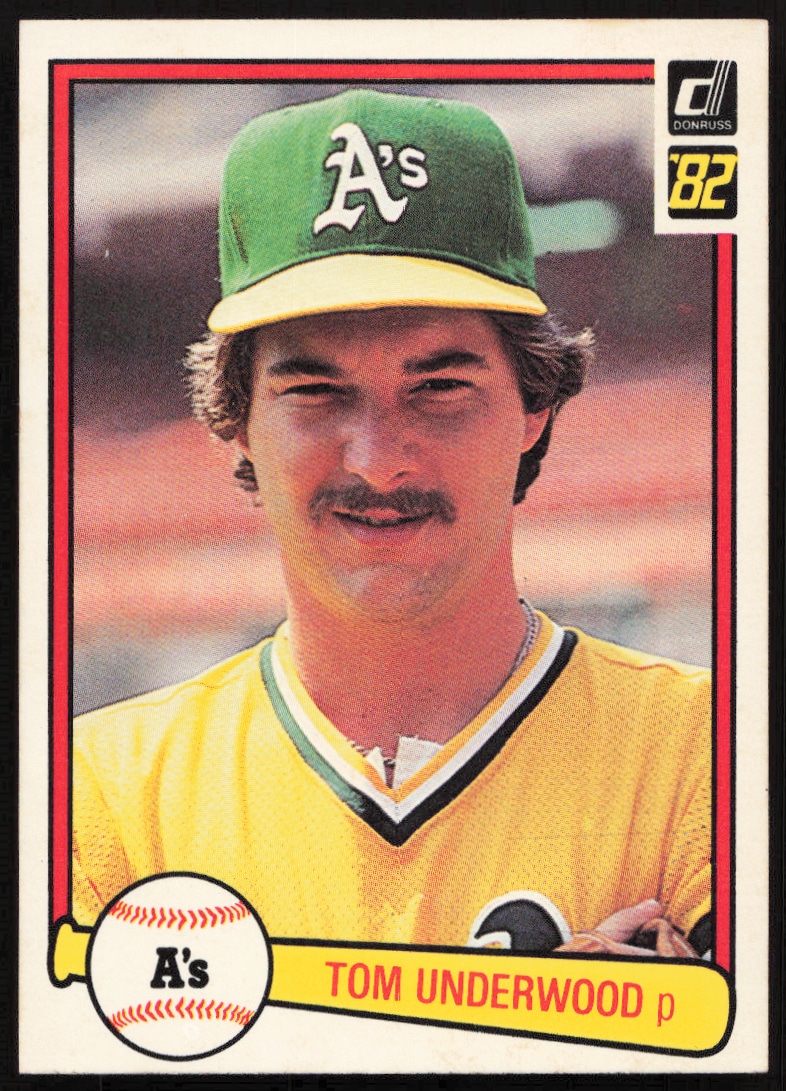





The 1982 Fleer Tom Underwood #109 is a vintage MLB baseball card capturing the Oakland Athletics pitcher during the early 1980s.
1982 • Fleer
Major League Baseball • Oakland Athletics
Excellent
109
New
Shipping Calculated at Checkout
Arrives in 5-7 daysEstimated delivery October 23, 2026 - October 25, 2026
Seller returns October 19, 2026.30-day Returns| Condition | Value | Source | Trend | Price Details |
|---|---|---|---|---|
$1.08 | Asking Prices | -13.6% | ||
Raw / Ungraded
eBay Active Listings · Asking Prices evidence · captured Oct 17, 2026
The 1982 Fleer Tom Underwood #109 baseball card represents a distinct era in sports trading card production, marking Fleer's return to the market after a significant hiatus. As one of the early issues in the brand's modern resurgence, this card carries historical weight for enthusiasts of vintage baseball memorabilia. Tom Underwood, depicted here as a member of the Oakland Athletics, offers collectors a tangible connection to MLB rosters from the early 1980s. For those focusing on team-specific collections, this card is an essential component for anyone assembling a complete Oakland Athletics inventory from this period. This stylistic choice gives the Tom Underwood #109 a unique visual identity that stands out on a shelf or in a binder. Collectors often seek out this card number to complete the base set, which includes notable stars and role players from the 1981 season. The card's placement within the Fleer numbering system makes it a straightforward addition for catalogers who appreciate the chronological flow of the series. Beyond simple set completion, the 1982 Fleer Tom Underwood #109 appeals to investors and historians interested in the evolution of the baseball card industry. Fleer's re-entry into the hobby in the early 1980s laid the groundwork for the boom of the 1980s and 1990s, making these early releases foundational pieces for understanding market trends. Whether you are a dedicated Fleer collector or a broader baseball enthusiast looking to add vintage depth to your portfolio, this card provides a solid entry point into the hobby's rich past. The enduring popularity of the 1982 Fleer release ensures that cards like this remain relevant and sought after by new generations of collectors.
23 hours ago
We'll pre-fill the product details from this catalog entry, so your listing lands on this exact page. Just add photos of your copy, pick its condition, and set your price.
The catalog profile below summarizes the card identity, featured subject, and notable collectible traits.
The subject, team, league, and sport context tied to this card.
Production details and format-specific attributes.
Material
Card Stock
Language
English
Compare prices, grades, photos, and shipping from approved sellers.
New
Excellent
See how many public collections currently include this card.
0 collectors have this card
This 1982 Fleer card represents a foundational entry for collectors of Oakland Athletics memorabilia, trading at a modest price point relative to modern high-end parallels. While Tom Underwood lacks the superstar status of contemporaries, this specific issue benefits from being one of Fleer's earliest post-revival releases, offering historical significance in a low-cost format. The current market reflects a stable, accessible tier suitable for beginners or those filling gaps in team-specific sets.
The card carries no special scarcity attributes such as serial numbering, short-printing, or parallel finishes, indicating it is a standard base card from the original production run. Supply is determined solely by the general print volume of the 1982 Fleer set, which is widely available and does not impose artificial constraints on availability. This lack of unique identifiers means the card relies entirely on condition and set completionism for its collectible value.
As a standard base card from a major brand's early revival year, the investment potential is driven primarily by set completion demand rather than individual player trajectory. Collectors seeking to build a complete 1982 Fleer set will provide consistent, albeit modest, demand for this specific player card. Long-term value growth is likely to remain steady and incremental, tied to the broader appreciation of vintage baseball cards from the early 1980s rather than speculative spikes.