








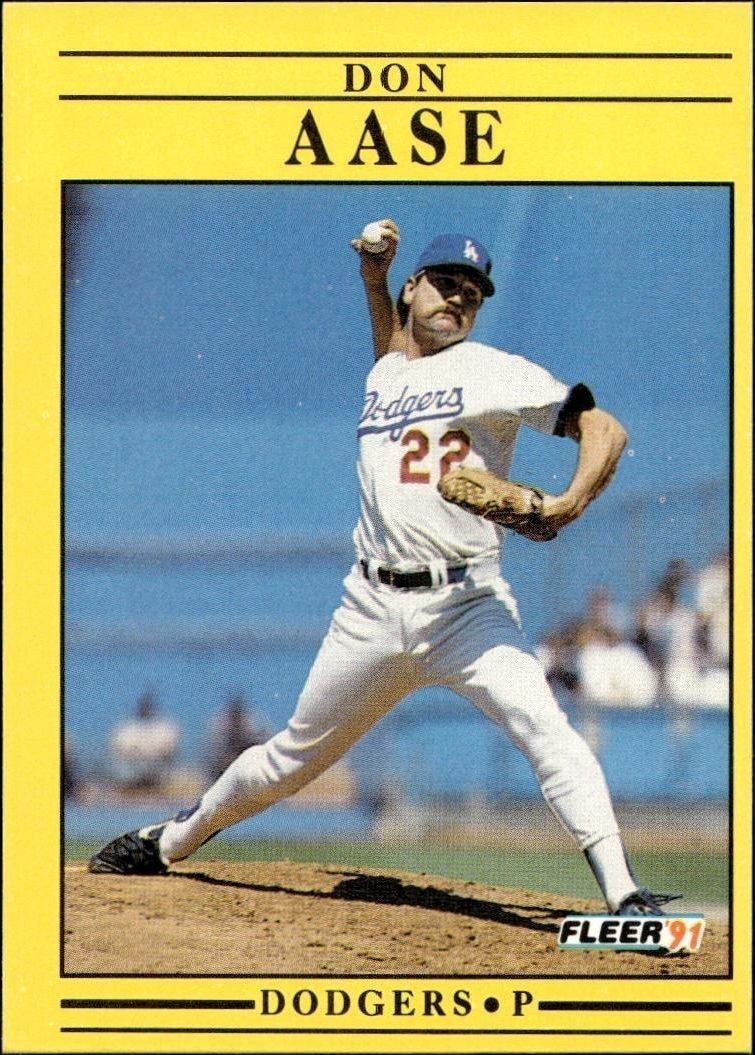
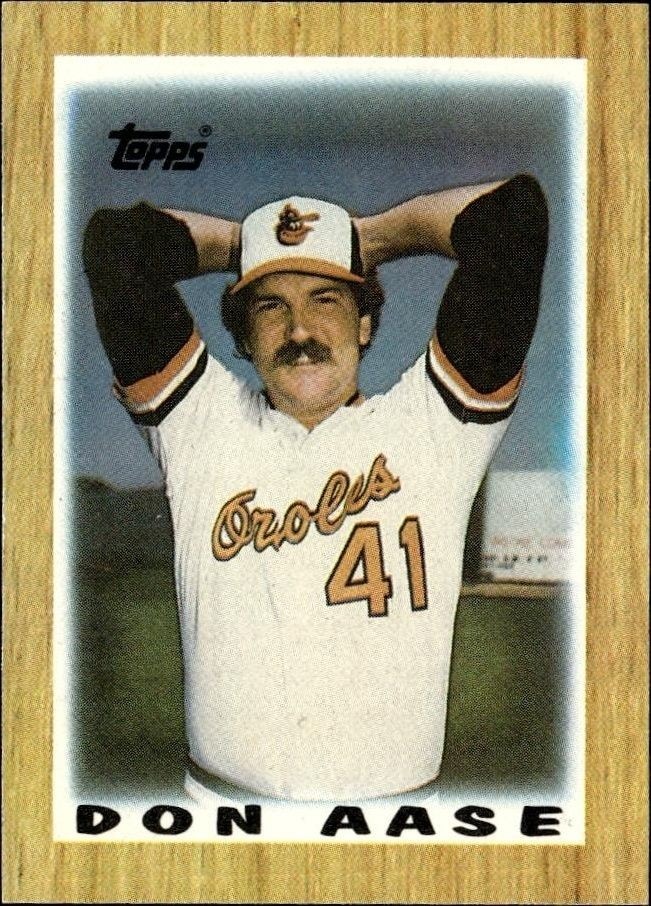
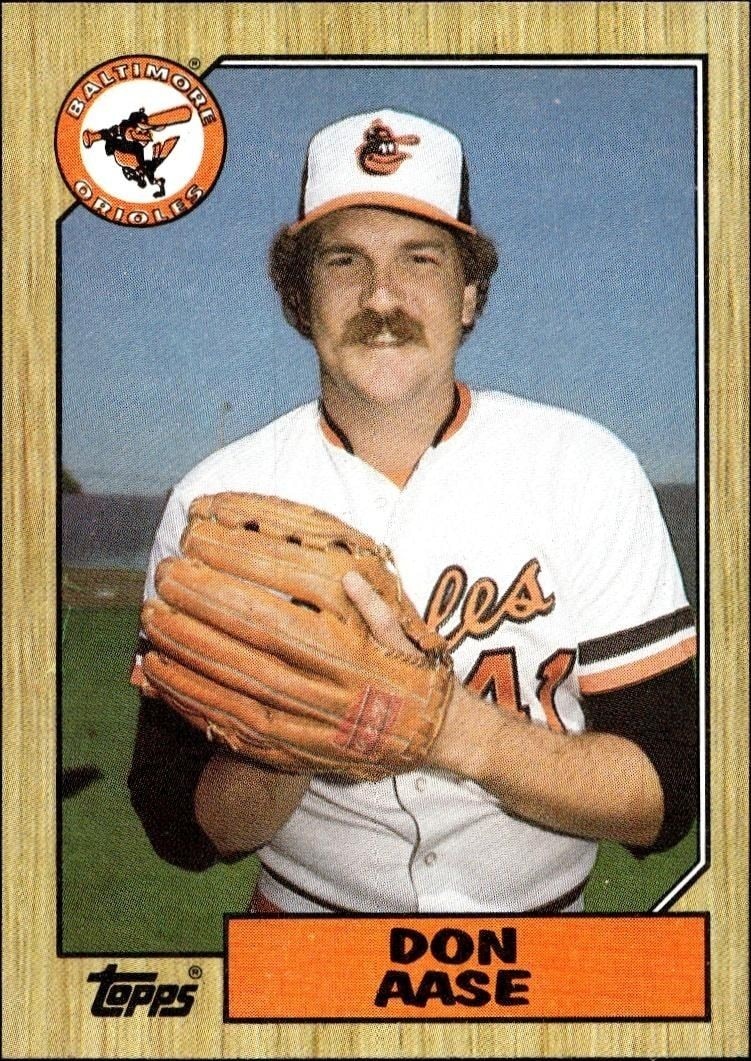
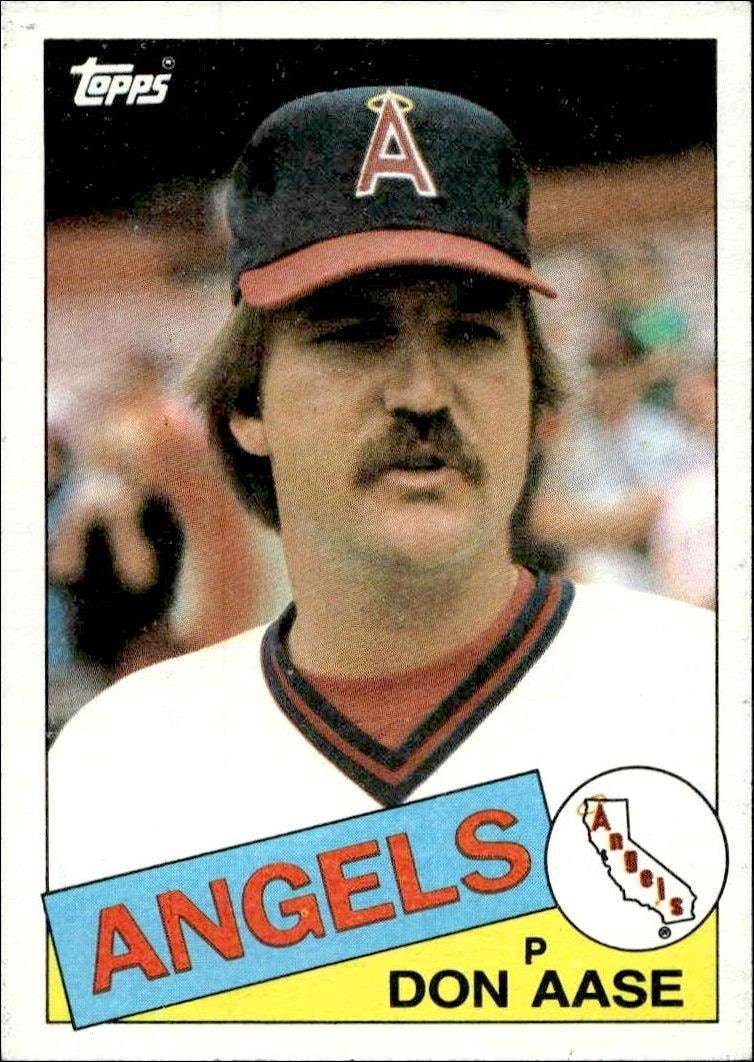

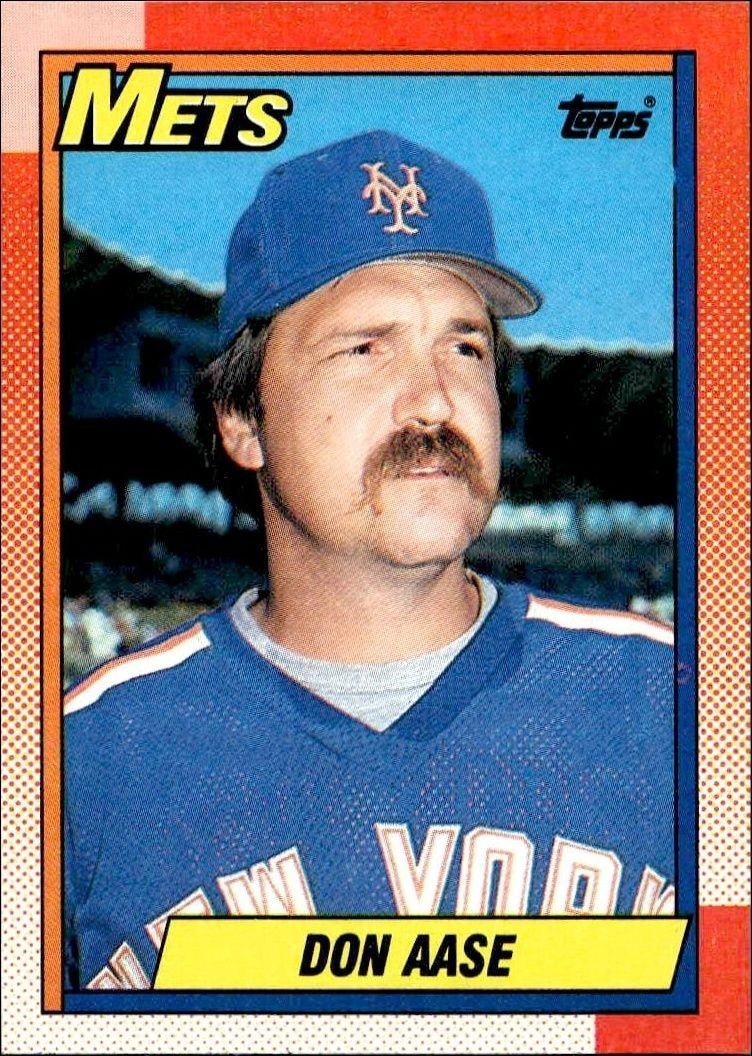
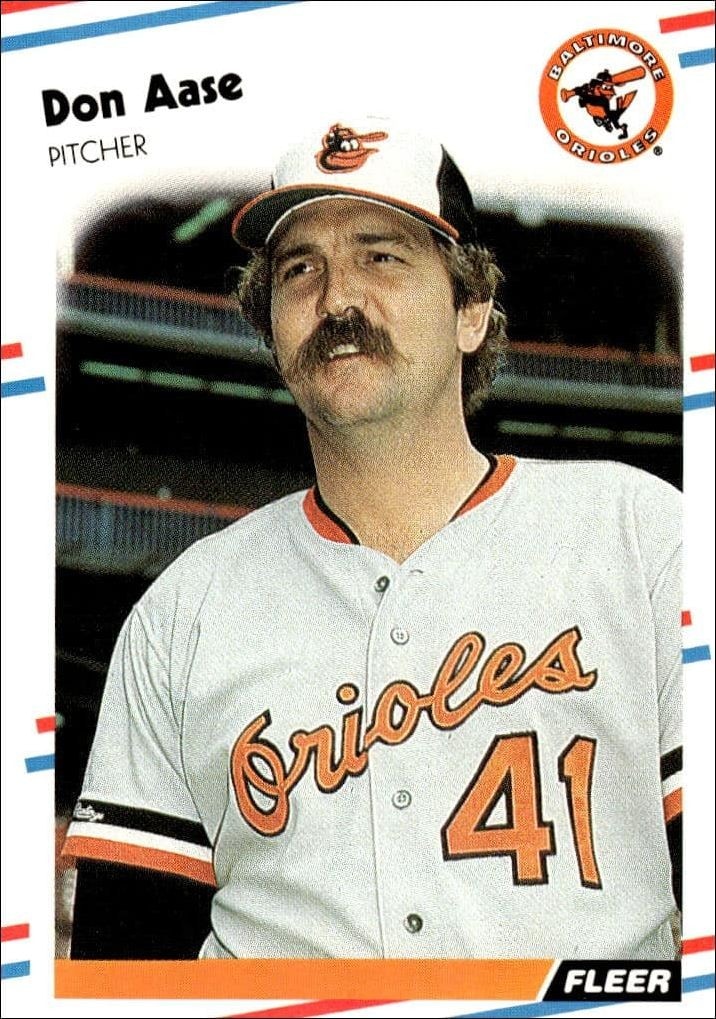
Explore the 1982 Topps Don Aase #199 baseball card, a notable entry from the Los Angeles Angels roster during the early 1980s era.
1982 • Topps
Major League Baseball • Los Angeles Angels
Excellent
199
New
Shipping Calculated at Checkout
Arrives in 5-7 daysEstimated delivery October 23, 2026 - October 25, 2026
Seller returns October 19, 2026.30-day Returns| Condition | Value | Source | Trend | Price Details |
|---|---|---|---|---|
$1.12As of 9/25/2026 | Guide Estimate | |||
$1.25As of 9/25/2026 | Guide Estimate | |||
$7.63As of 9/25/2026 | Guide Estimate | |||
$8.00As of 9/25/2026 | Guide Estimate | |||
$52.00As of 9/25/2026 | Guide Estimate | |||
$24.00As of 9/25/2026 | Guide Estimate | |||
$39.99As of 9/25/2026 | Guide Estimate | |||
$24.00As of 9/25/2026 | Guide Estimate | |||
Raw / Ungraded
PriceCharting Price Guide · Guide Estimate evidence · captured Sep 26, 2026
History is building. At least two days of matching observations are needed to show a trend.
Each point is the last stored observation that day for this printing, condition, grader, autograph status and source. Gaps mean no observation; guide estimates and asking prices are not completed sales.The 1982 Topps Don Aase #199 baseball card represents a specific moment in the history of the Los Angeles Angels franchise. Issued by Topps, this card is cataloged under number 199, placing it within the broader scope of the 1982 release. For collectors building sets by year or manufacturer, this entry serves as a definitive component of the complete collection. Don Aase appears on this card as a member of the Angels lineup. The card provides a visual record of the player during this season, offering enthusiasts a tangible connection to the team's composition in 1982. The design reflects the standard aesthetic of Topps products from this period, prioritizing clear identification of the athlete and team affiliation. Collectors often seek out cards from the 1980s for their nostalgic value and the distinct graphic style that characterizes the era. The 1982 Topps Don Aase #199 fits into this category, appealing to those interested in Angels history or the broader landscape of baseball trading cards from the early 80s. Whether you are completing a base set or focusing on specific team rosters, this card is a recognized part of the catalog. By focusing on the specific identity of the card—its year, brand, and number—collectors can ensure accuracy in their groups. The card remains a staple for those documenting the evolution of team rosters and manufacturer designs during the 1980s. Understanding the context of the 1982 Topps release helps appreciate the role this card plays in the larger ecosystem of baseball memorabilia. It stands as a record of Don Aase's tenure with the Angels, preserved in the iconic format that defined sports card collecting for decades. Enthusiasts of the sport and the hobby can rely on this card to represent a precise point in time for the franchise.
15 hours ago
We'll pre-fill the product details from this catalog entry, so your listing lands on this exact page. Just add photos of your copy, pick its condition, and set your price.
The catalog profile below summarizes the card identity, featured subject, and notable collectible traits.
The subject, team, league, and sport context tied to this card.
Production details and format-specific attributes.
Material
Card Stock
Language
English
Compare prices, grades, photos, and shipping from approved sellers.
New
Excellent
See how many public collections currently include this card.
0 collectors have this card
This 1982 Topps Don Aase card represents the baseline market tier for a backup pitcher from the early 1980s, reflecting its status as a common entry-level piece rather than a premium investment. While the player holds a specific niche as a Los Angeles Angels reliever, the lack of special attributes or grading premiums keeps its value firmly in the affordable, high-volume category. It trades in line with other ungraded, common issues from this era, offering minimal uplift compared to star counterparts in the same set.
The card possesses no scarcity drivers, as it is a standard base issue without serial numbering, short-print status, or parallel variations to constrain supply. This ubiquity means the available population is likely substantial, with no unique mechanics reducing the number of identical cards in circulation. Consequently, the item relies entirely on general set completion demand rather than inherent rarity to maintain its presence in the market.
As a non-rookie, non-star card from a standard 1982 Topps release, the investment potential is limited to serving as a filler piece for collectors completing team or league sets. Demand is driven by the mechanical need to fill slots in a broader collection rather than speculative growth or player legacy appreciation. Investors should view this as a low-cost acquisition for set-building purposes rather than a vehicle for capital appreciation.
