



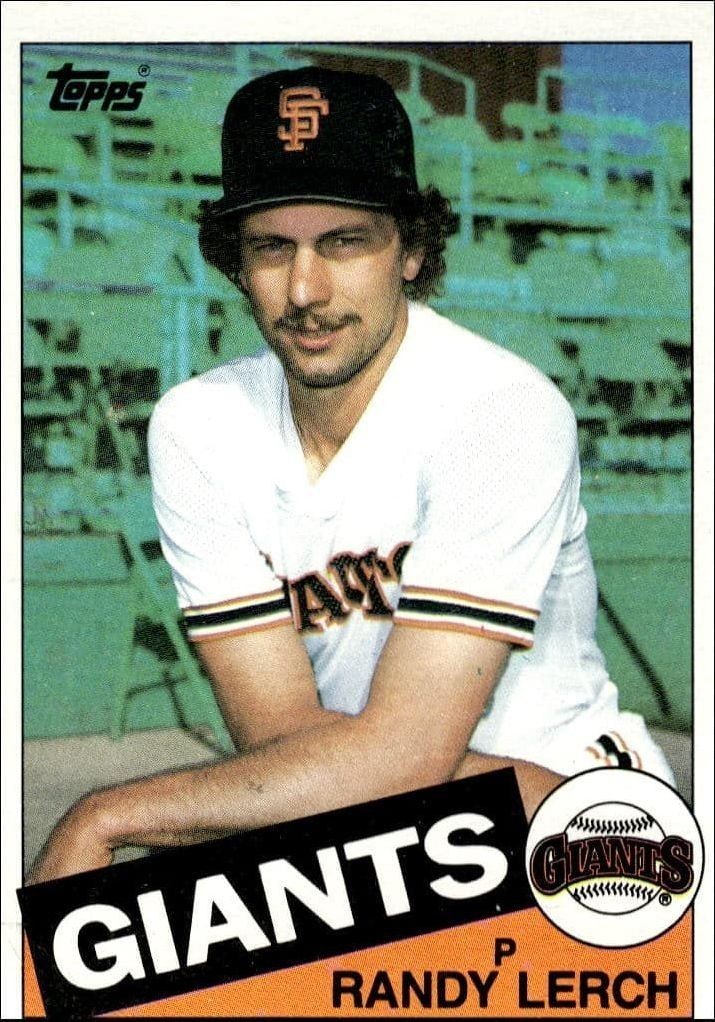

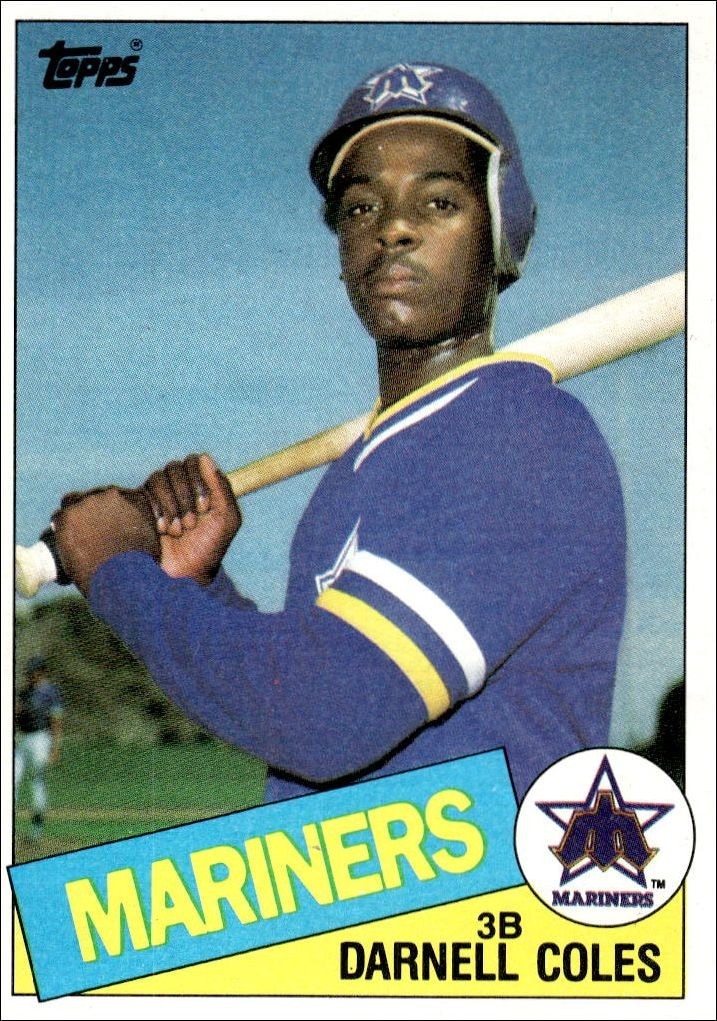
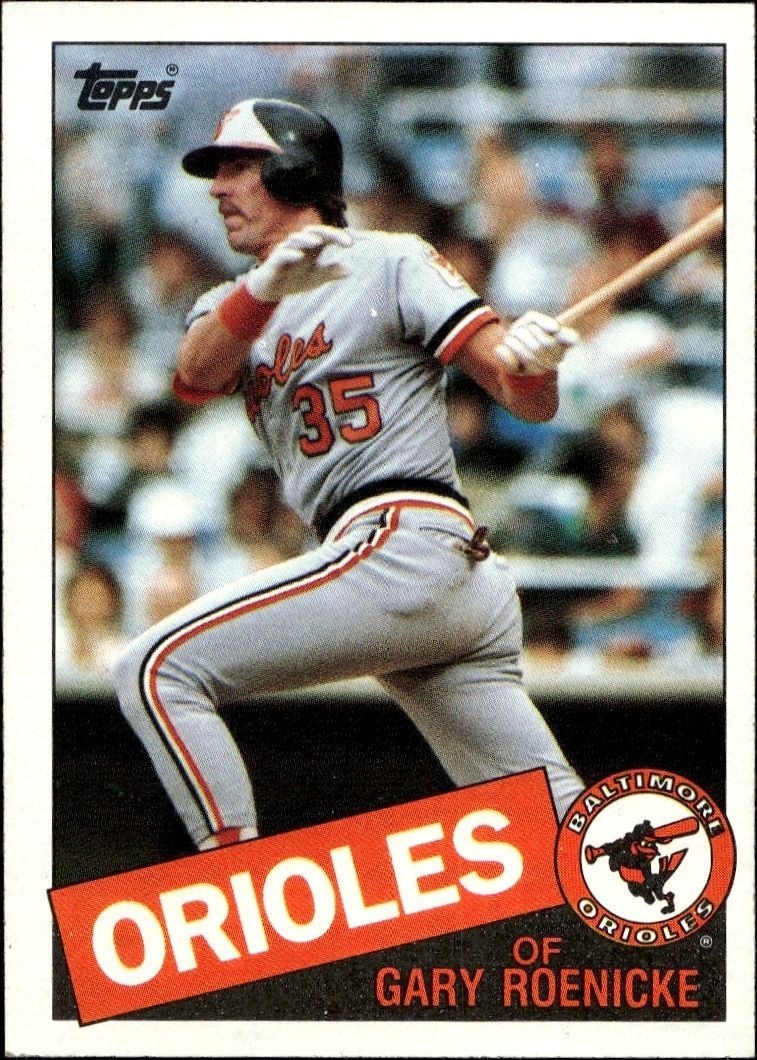

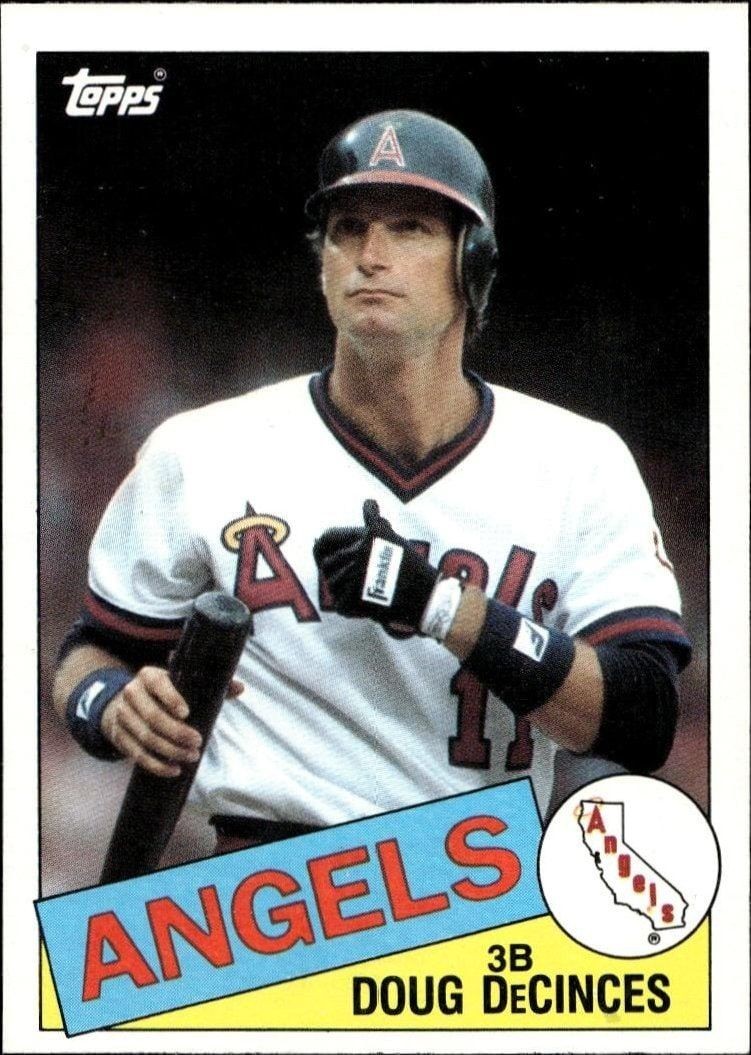


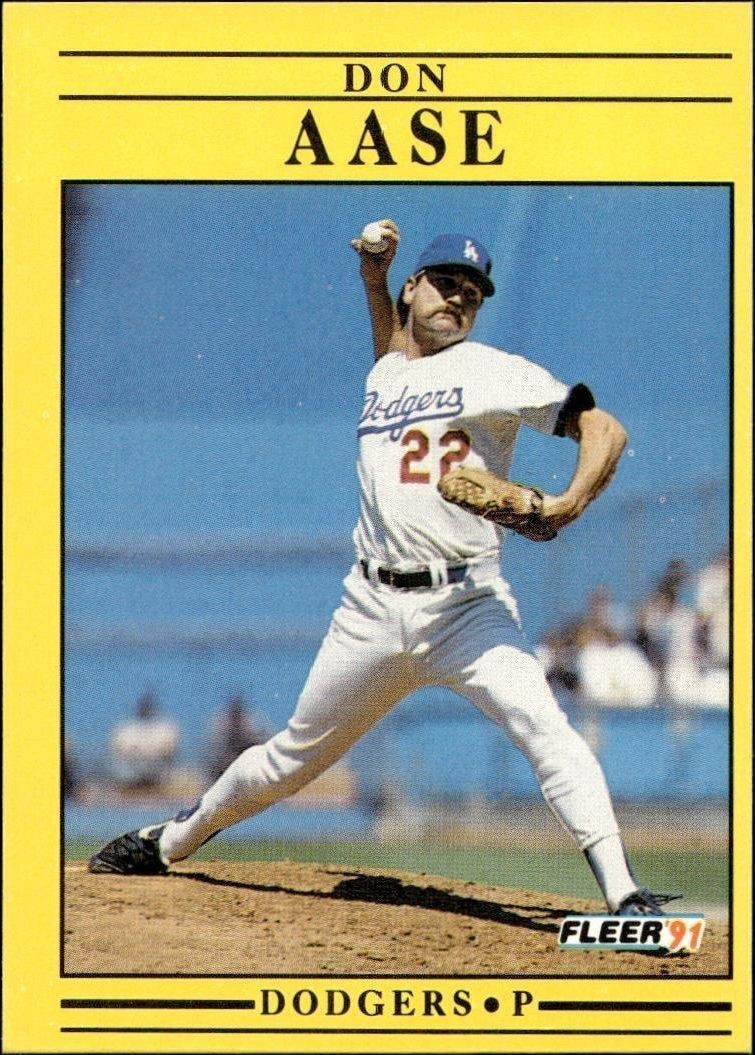

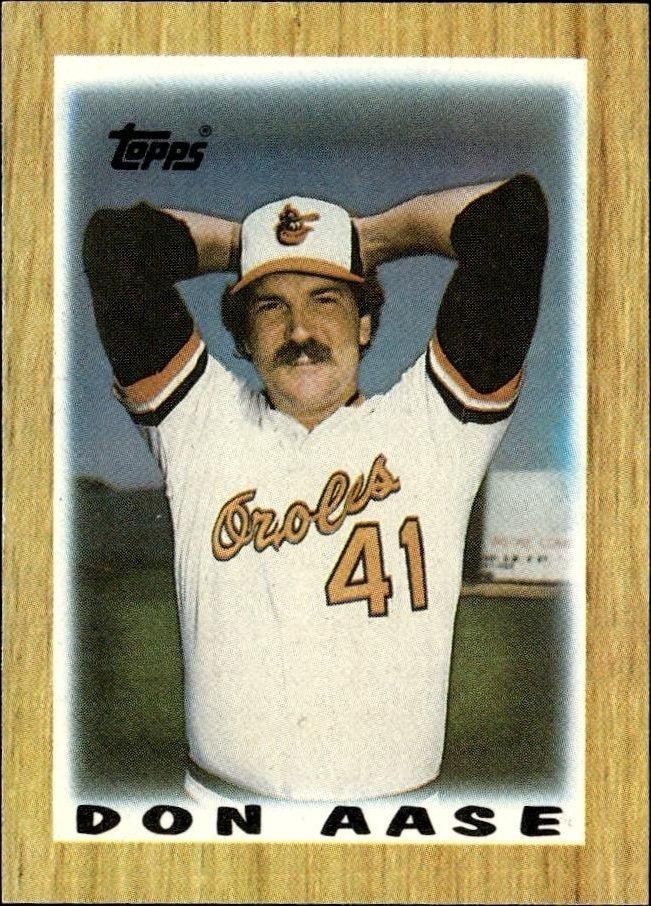
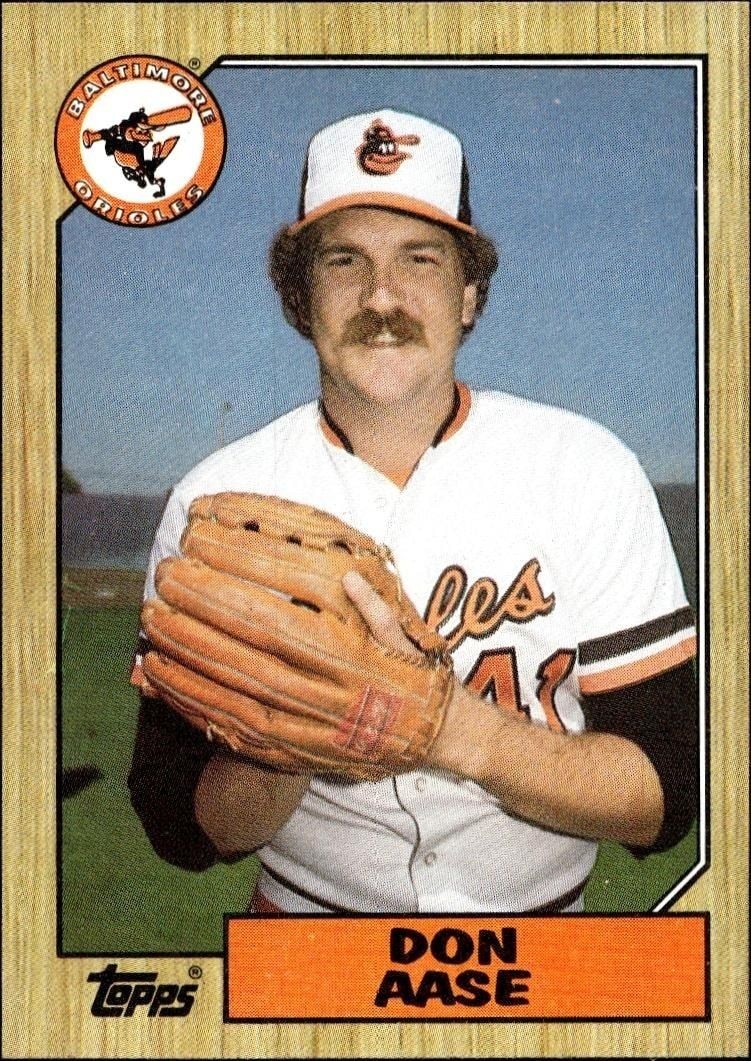

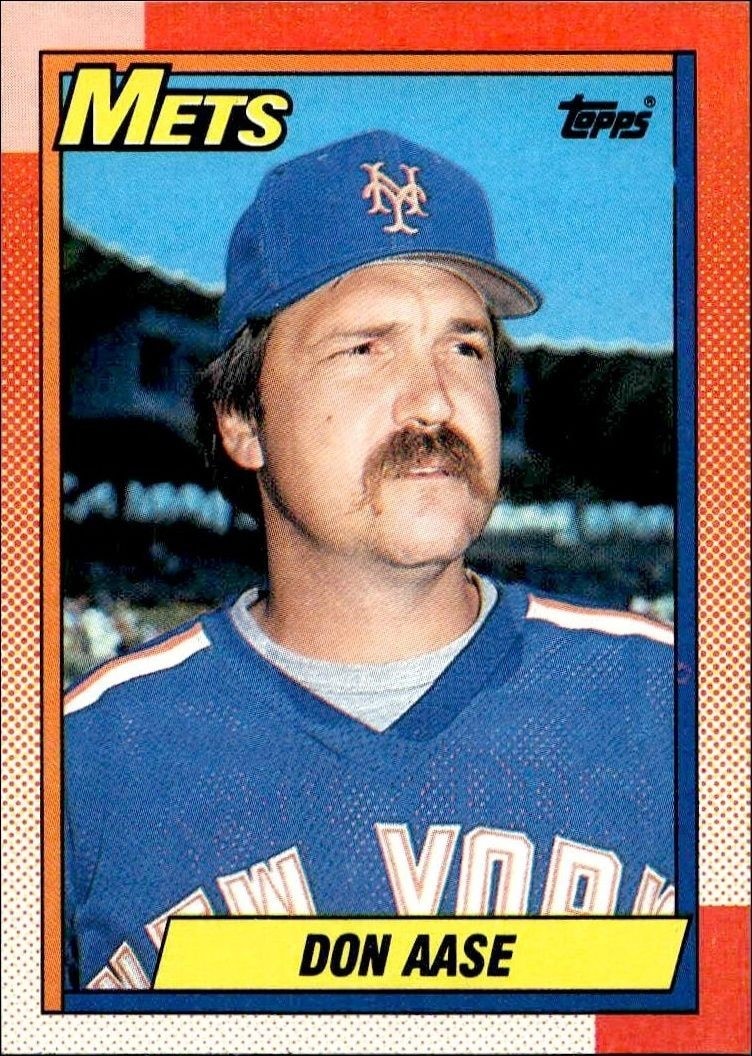
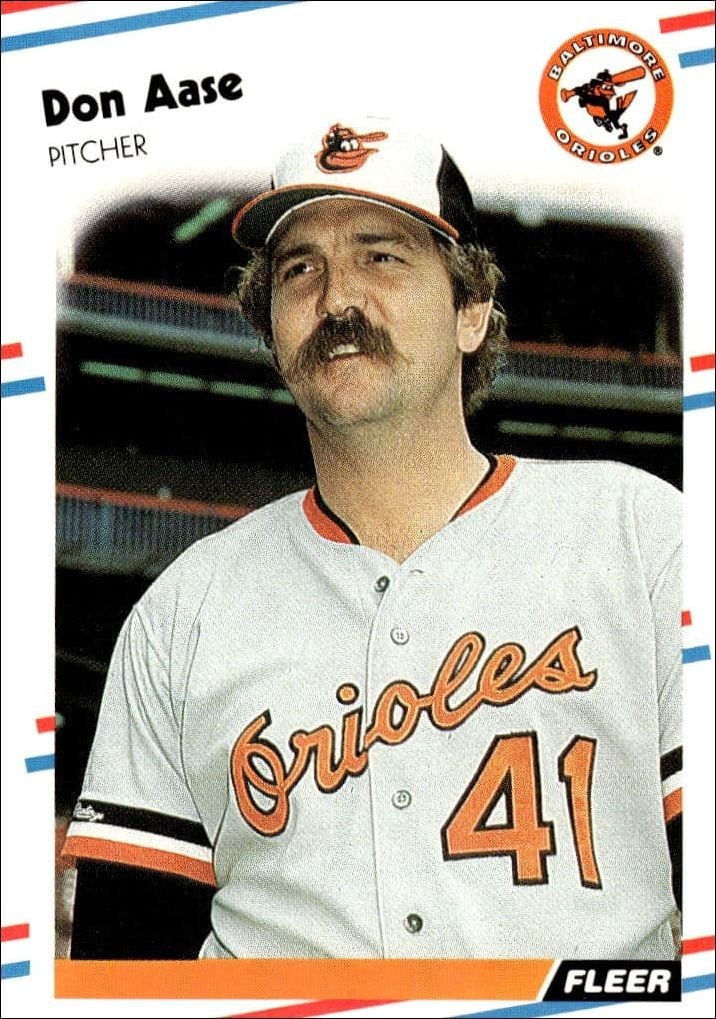
This 1985 Topps #86 card features Don Aase during his tenure with the Los Angeles Angels, offering a tangible piece of 1980s baseball history for dedicated collectors.
1985 • Topps
Major League Baseball • Los Angeles Angels
Excellent
86
New
Shipping Calculated at Checkout
Arrives in 4-6 daysEstimated delivery October 24, 2026 - October 26, 2026
30-day Returns| Condition | Value | Source | Trend | Price Details |
|---|---|---|---|---|
$1.27As of 10/1/2026 | Guide Estimate | |||
$6.47As of 10/1/2026 | Guide Estimate | |||
$8.99As of 10/1/2026 | Guide Estimate | |||
$10.00As of 10/1/2026 | Guide Estimate | |||
$41.00As of 10/1/2026 | Guide Estimate | |||
$19.00As of 10/1/2026 | Guide Estimate | |||
$31.51As of 10/1/2026 | Guide Estimate | |||
$19.00As of 10/1/2026 | Guide Estimate | |||
Raw / Ungraded
PriceCharting Price Guide · Guide Estimate evidence · captured Oct 1, 2026
History is building. At least two days of matching observations are needed to show a trend.
Each point is the last stored observation that day for this printing, condition, grader, autograph status and source. Gaps mean no observation; guide estimates and asking prices are not completed sales.The 1985 Topps baseball card series remains one of the most recognizable and enduring products in the hobby, capturing the visual style and roster dynamics of the mid-1980s. Within this expansive release, card number 86 highlights Don Aase, a key figure for the Los Angeles Angels during that specific season. For collectors building out the 1985 Topps checklist, this card serves as a necessary component to complete the team subset, providing a complete picture of the Angels' roster at that time. Don Aase's presence in the 1985 Topps set is significant for those interested in the history of the Angels franchise and the broader landscape of Major League Baseball during that era. The card itself is a standard issue from the primary Topps product, known for its consistent design and wide distribution, which makes it accessible yet valuable for historical context. Collectors often seek out specific players like Aase to round out their personal collections, whether focusing on team history, player milestones, or the aesthetic of 1980s trading card design. Whether you are a long-time fan of the Angels or a historian of baseball card production, acquiring the 1985 Topps #86 allows you to own a piece of the game's recent past. The product's enduring popularity ensures that cards like this remain relevant in discussions about vintage collecting, set completion, and the appreciation of baseball's visual archives.
6 hours ago
We'll pre-fill the product details from this catalog entry, so your listing lands on this exact page. Just add photos of your copy, pick its condition, and set your price.
The catalog profile below summarizes the card identity, featured subject, and notable collectible traits.
The subject, team, league, and sport context tied to this card.
Production details and format-specific attributes.
Material
Card Stock
Language
English
Compare prices, grades, photos, and shipping from approved sellers.
New
Excellent
See how many public collections currently include this card.
0 collectors have this card
This 1985 Topps card represents a baseline entry for Don Aase, reflecting his status as a utility player rather than a franchise cornerstone during his tenure with the Los Angeles Angels. The current pricing indicates a stable, low-tier market position typical of common base cards from this era that lack significant scarcity or condition premiums. It serves as an accessible acquisition for collectors focusing on team completeness or specific year sets rather than individual player value appreciation.
The card is identified as a standard base issue with no noted special attributes such as parallels, short prints, or serial numbering. This lack of distinct scarcity mechanics means the supply is determined entirely by the original print run, which was likely substantial given the era and player profile. Consequently, the card does not benefit from the supply constraints that drive higher valuations in niche subsets.
As a non-rookie base card from 1985, this item lacks the rookie-card premium that typically drives long-term growth in baseball collectibles. Collector demand is likely limited to specific set completists or Angels memorabilia enthusiasts, resulting in modest liquidity and limited upside potential. Investors should view this primarily as a component for collection building rather than a standalone asset for significant capital appreciation.
