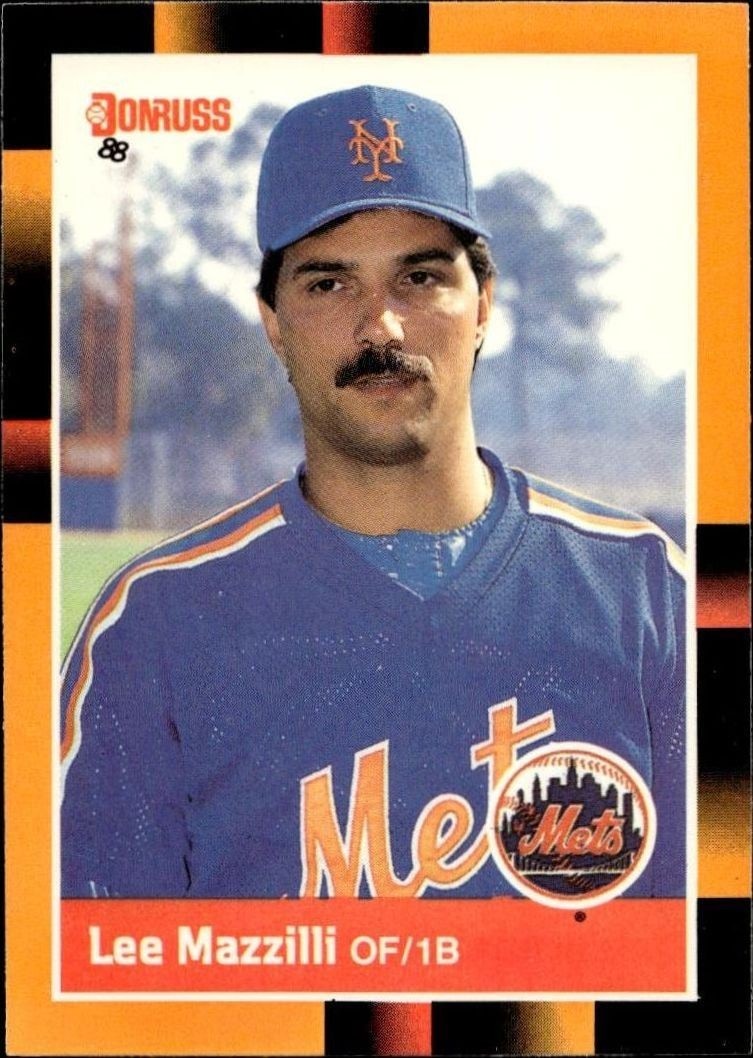





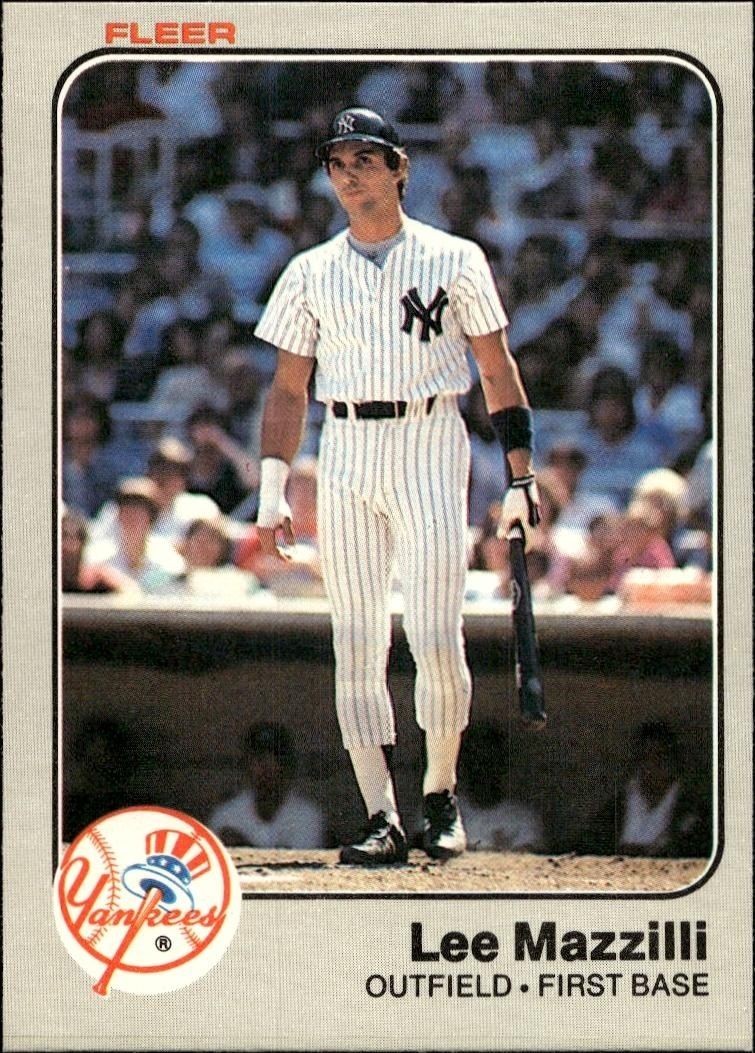



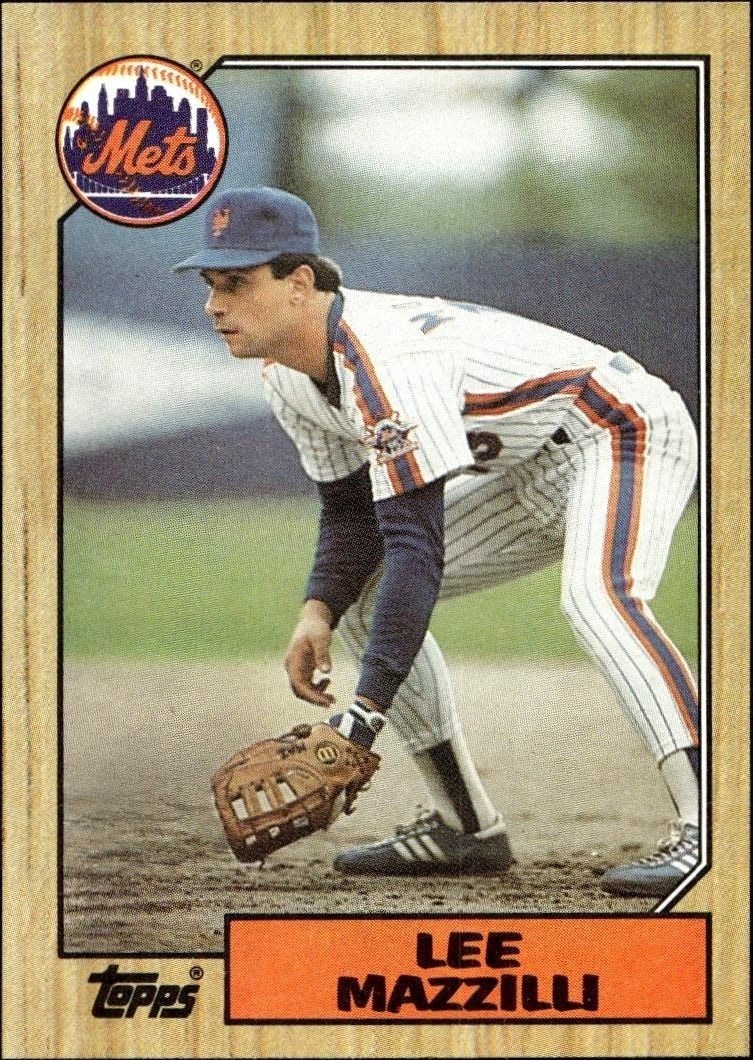
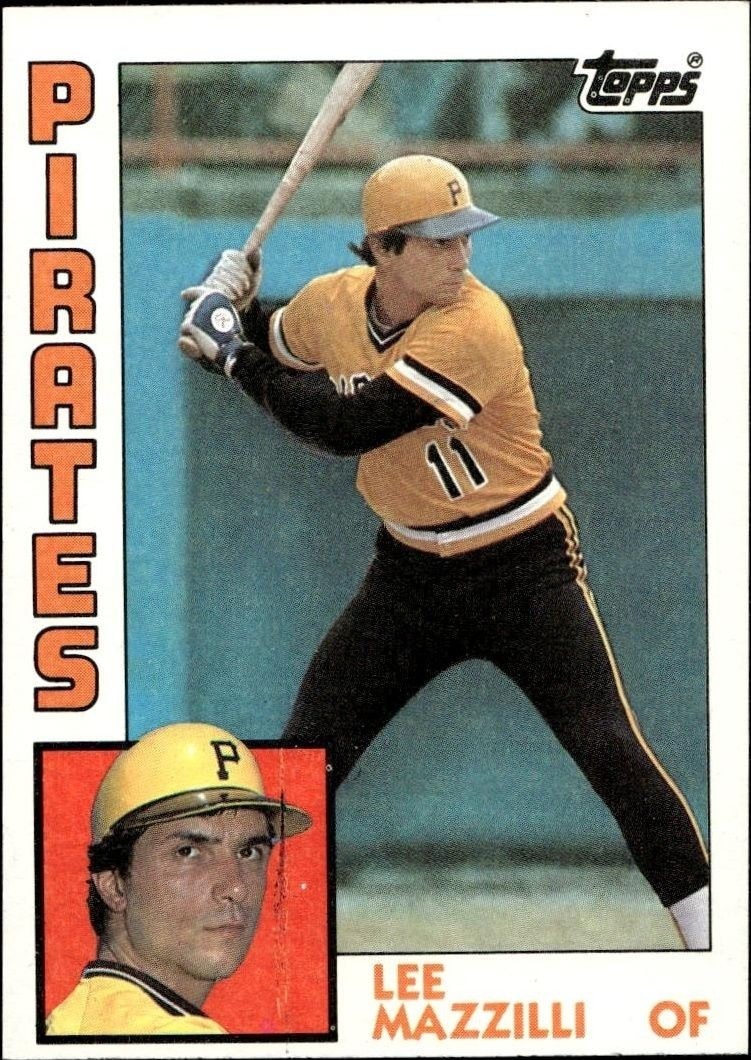

Discover the 1982 Topps Lee Mazzilli #465 baseball card, a classic vintage issue representing his tenure with the New York Mets.
1982 • Topps
Major League Baseball • New York Mets
Excellent
465
New
Shipping Calculated at Checkout
Arrives in 5-7 daysEstimated delivery October 23, 2026 - October 25, 2026
Seller returns October 19, 2026.30-day Returns| Condition | Value | Source | Trend | Price Details |
|---|---|---|---|---|
$1.45 | Guide Estimate | +6.6% | ||
$11.49 | Guide Estimate | +0.2% | ||
$15.50 | Guide Estimate | 0% | ||
$37.00 | Guide Estimate | -2.6% | ||
$50.00 | Guide Estimate | 0% | ||
$23.00 | Guide Estimate | 0% | ||
$38.17 | Guide Estimate | -1% | ||
$23.00 | Guide Estimate | 0% | ||
Raw / Ungraded
PriceCharting Price Guide · Guide Estimate evidence · captured Oct 16, 2026
The 1982 Topps Lee Mazzilli #465 baseball card stands as a tangible piece of New York Mets history, capturing the athlete during his active tenure with the team. Released by the manufacturer Topps in 1982, this issue is part of the iconic annual series that defined a generation of sports card collecting. For enthusiasts of vintage baseball memorabilia, this card offers a direct connection to the era when Mazzilli was contributing to the roster. Collectors often seek out specific card numbers like #465 to complete their sets or to focus on particular players from their favorite teams. Owning a piece from this year allows collectors to experience the aesthetic and cultural context of early 1980s baseball. Whether you are a dedicated Mets fan or a broader collector of 1980s sports cards, this product represents a significant chapter in the history of the sport. The card serves as a valuable addition to any collection focused on the New York Mets or the broader landscape of baseball trading cards from the early 1980s. When considering the acquisition of vintage sports cards, the integrity of the source is paramount. This allows collectors to invest with confidence in their passion for the game. The 1982 Topps Lee Mazzilli #465 remains a sought-after item for those looking to preserve a piece of baseball heritage.
10 hours ago
We'll pre-fill the product details from this catalog entry, so your listing lands on this exact page. Just add photos of your copy, pick its condition, and set your price.
The catalog profile below summarizes the card identity, featured subject, and notable collectible traits.
The subject, team, league, and sport context tied to this card.
Production details and format-specific attributes.
Material
Card Stock
Language
English
Compare prices, grades, photos, and shipping from approved sellers.
New
Excellent
See how many public collections currently include this card.
0 collectors have this card
This 1982 Topps base card of Lee Mazzilli represents an entry-level price point within the vintage Mets spectrum, reflecting its status as a common base set item rather than a premium parallel. While Mazzilli holds historical significance as a key member of the 1986 World Series championship team, this specific ungraded base card trades at a modest tier relative to his more sought-after rookie or signature cards. The current active listing volume suggests a stable, liquid market for casual collectors rather than a high-stakes investment piece.
As a standard base card from the 1982 Topps set, this item carries no serial numbering, short-print indicators, or special parallel attributes to constrain its supply. It represents one of the most widely produced variations of the player's early career, meaning availability is high and scarcity is minimal compared to limited-edition releases. The lack of special manufacturing techniques implies that condition is the primary differentiator for value, though this specific listing does not indicate a graded or high-grade specimen.
The investment potential for this card is limited by its position as a common base issue, lacking the rookie-card premium mechanics or scarcity drivers that typically fuel significant appreciation. Demand is likely driven by nostalgia for the late-80s Mets era rather than speculative growth, making it a suitable acquisition for thematic collection building rather than portfolio expansion. Investors should view this as a low-cost component for completing a base set rather than a standalone asset with strong appreciation mechanics.