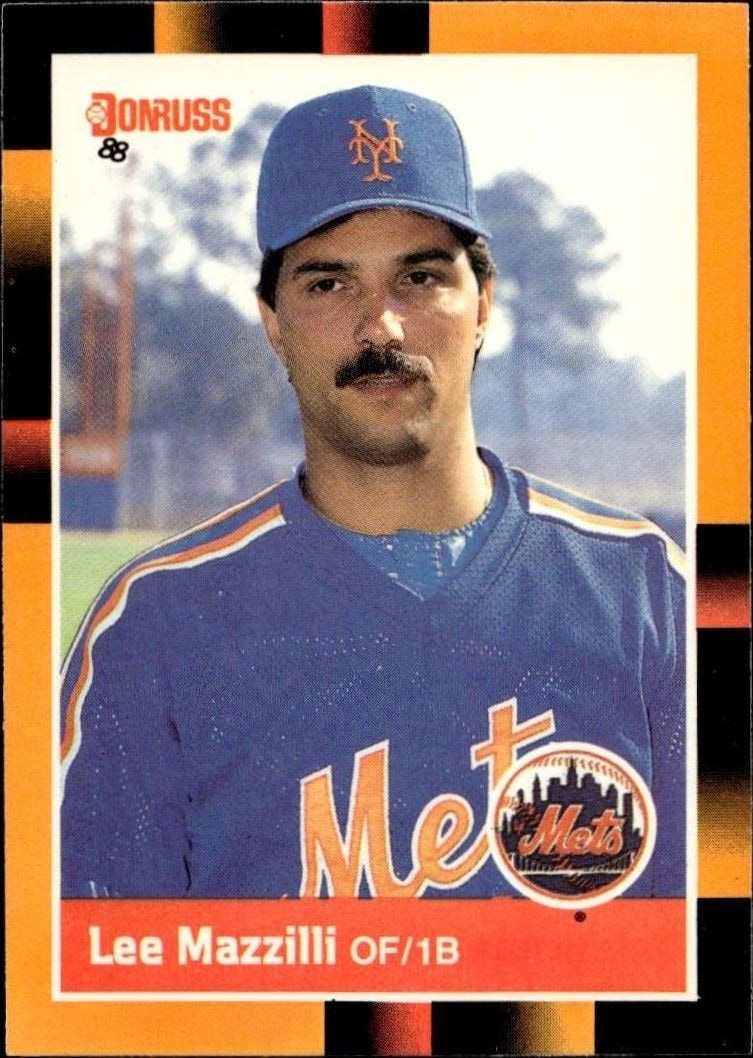



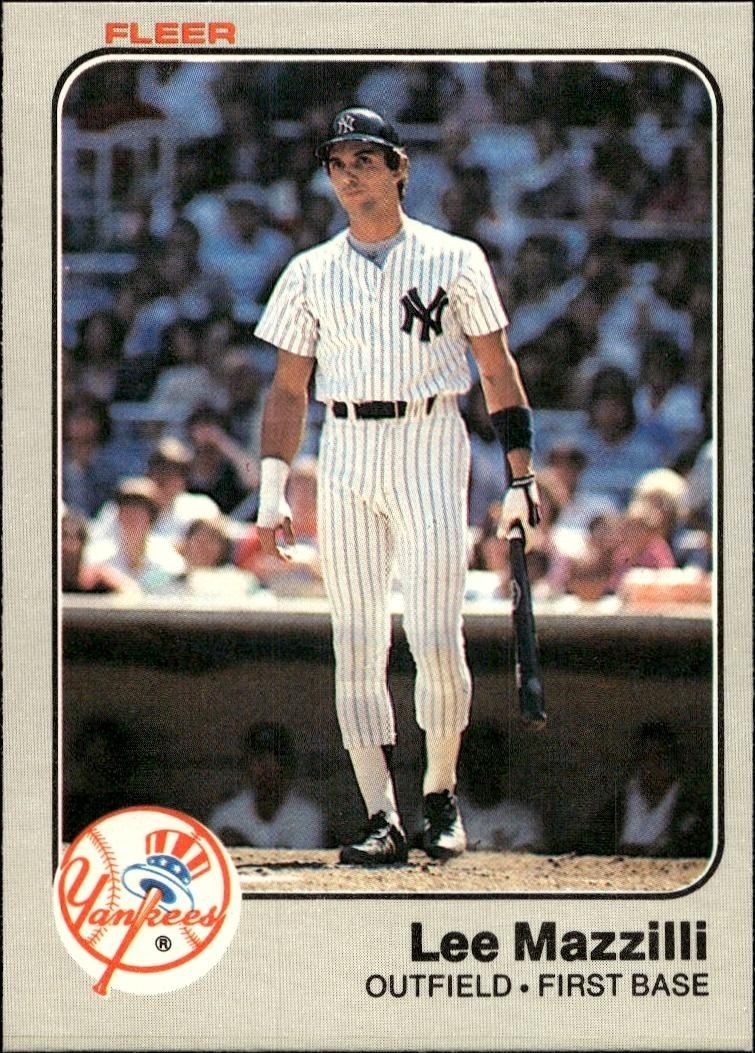
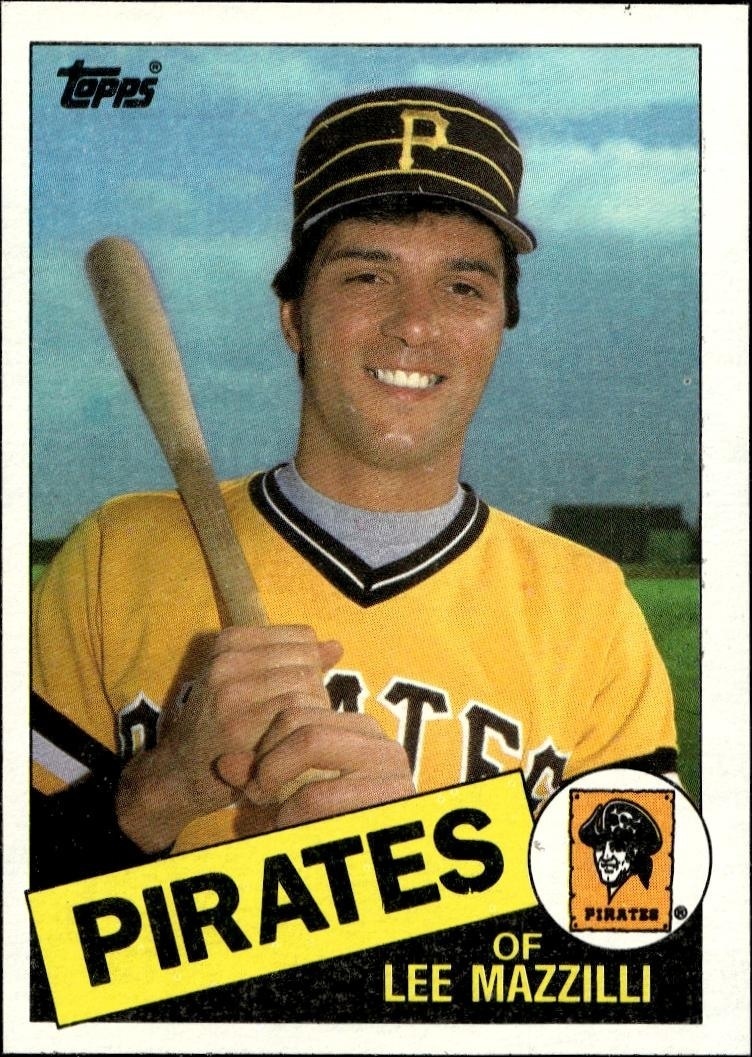

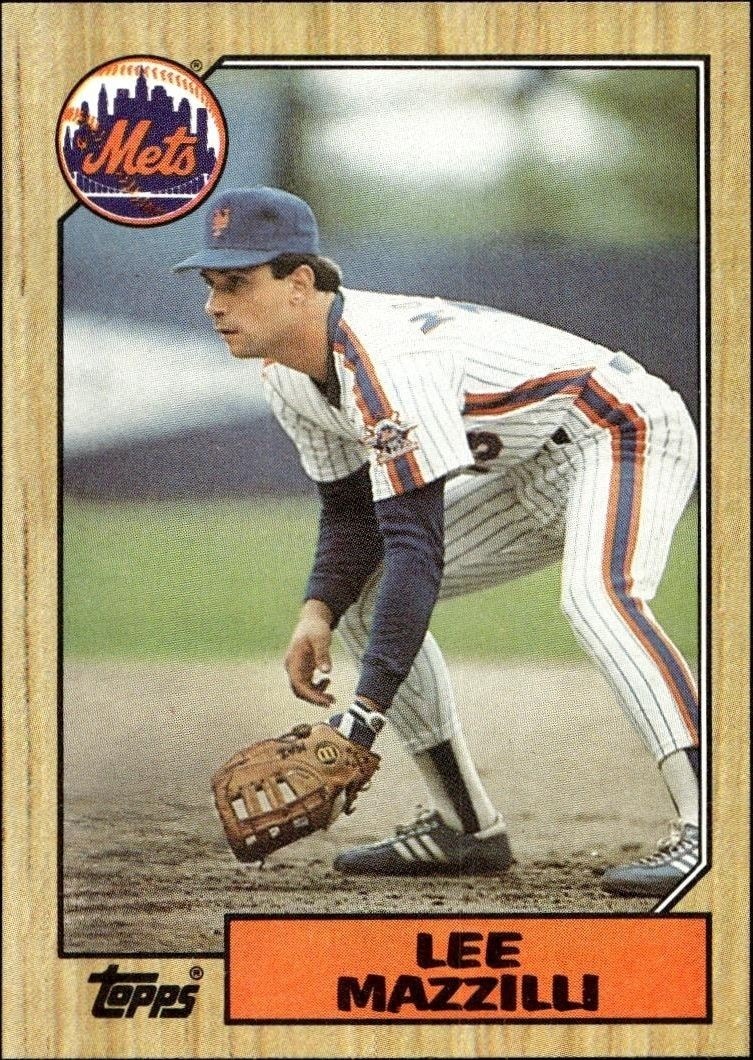
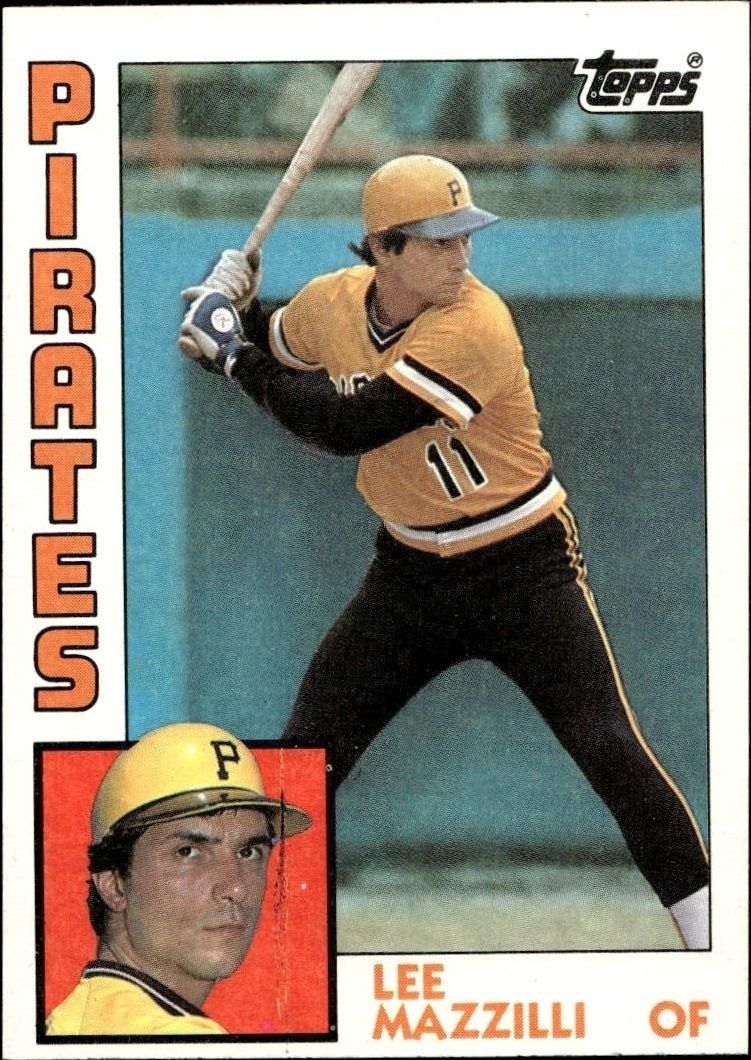


The 1990 Topps Lee Mazzilli #721 is a vintage baseball card featuring the Toronto Blue Jays player, capturing a specific moment in sports trading card history.
1990 • Topps
Major League Baseball • Toronto Blue Jays
Excellent
721
New
Shipping Calculated at Checkout
Arrives in 4-6 daysEstimated delivery October 24, 2026 - October 26, 2026
30-day Returns| Condition | Value | Source | Trend | Price Details |
|---|---|---|---|---|
$1.14 | Guide Estimate | 0% | ||
$4.25 | Guide Estimate | 0% | ||
Raw / Ungraded
PriceCharting Price Guide · Guide Estimate evidence · captured Oct 16, 2026
The 1990 Topps Lee Mazzilli #721 baseball card represents a tangible connection to the Toronto Blue Jays during a pivotal era in franchise history. As collectors navigate the vast landscape of sports trading cards, this issue from the Topps brand offers a straightforward yet compelling entry point for enthusiasts of vintage baseball memorabilia. The card identifies Mazzilli with his team affiliation, providing essential context for set builders and team-focused collectors. In the world of 1990s sports cards, Topps maintained its dominance by producing high-volume releases that defined the visual aesthetic of the decade. For those interested in the Toronto Blue Jays, this card serves as a cataloged record of the organization's player pool during the 1990 season. Collectors often seek out individual cards from this year to complete partial sets or to acquire specific team representations. The appeal of the 1990 Topps Lee Mazzilli #721 lies in its place within the broader taxonomy of baseball card collecting. It is not merely a single card but a data point in the history of the sport's trading card industry. Investors and hobbyists alike appreciate the stability of Topps releases from this period, which are widely recognized and cataloged. Whether you are looking to add a Blue Jays piece to your collection or explore the depth of the 1990 Topps set, this card provides a clear and verified link to the past. Understanding the context of the 1990 release helps collectors appreciate the nuances of card collecting. The design standards and printing techniques of that year create a distinct look that modern reissues often attempt to replicate. By focusing on the identity of the player, the team, and the manufacturer, collectors can build a more informed perspective on the value and significance of their holdings. This card remains a recognizable and sought-after item for those who value the heritage of baseball trading cards.
2 hours ago
We'll pre-fill the product details from this catalog entry, so your listing lands on this exact page. Just add photos of your copy, pick its condition, and set your price.
The catalog profile below summarizes the card identity, featured subject, and notable collectible traits.
The subject, team, league, and sport context tied to this card.
Production details and format-specific attributes.
Material
Card Stock
Language
English
Compare prices, grades, photos, and shipping from approved sellers.
New
Excellent
See how many public collections currently include this card.
0 collectors have this card
This 1990 Topps Lee Mazzilli card occupies a lower tier in the secondary market, reflecting his status as a role player rather than a franchise cornerstone during his tenure with the Toronto Blue Jays. The current market positioning indicates a stable but modest value, typical for base cards of players who were solid contributors but did not achieve widespread star power or long-term league dominance. Condition premiums are likely minimal given the standard nature of the issue, keeping it accessible for entry-level collectors focusing on 90s nostalgia or specific team sets.
As a standard base card from the 1990 Topps set, this item lacks any scarcity mechanisms such as serial numbering, short-print designations, or parallel variations. The supply is effectively unlimited relative to collector demand, as it was produced in mass quantities without artificial constraints on its availability. Consequently, the card's rarity is defined solely by its age and condition survival rate, which are standard for ungraded base issues of this era.
Investment potential is limited by the card's position as a common base release, which lacks the rookie-card premium or unique parallel attributes that typically drive significant appreciation. Demand is likely sustained primarily by collectors completing specific team or year-based sets rather than speculative investors seeking value growth. While the 1990 Topps set remains a staple for 90s enthusiasts, this particular card does not offer distinct advantages over similar issues from adjacent years or brands.