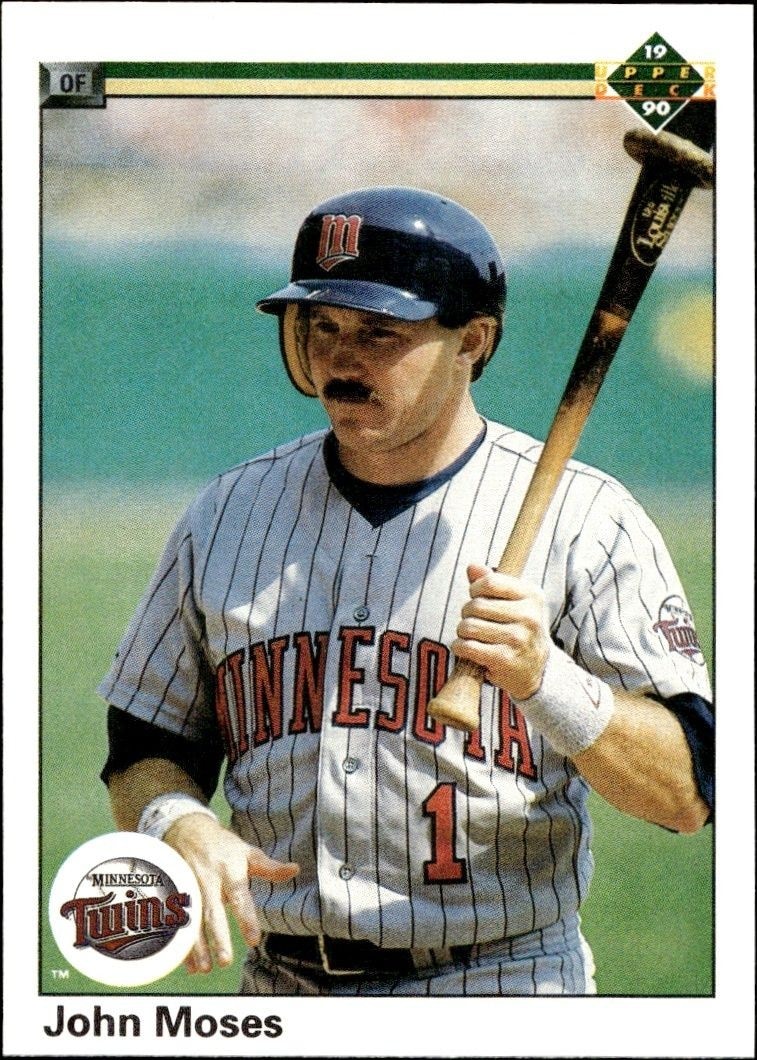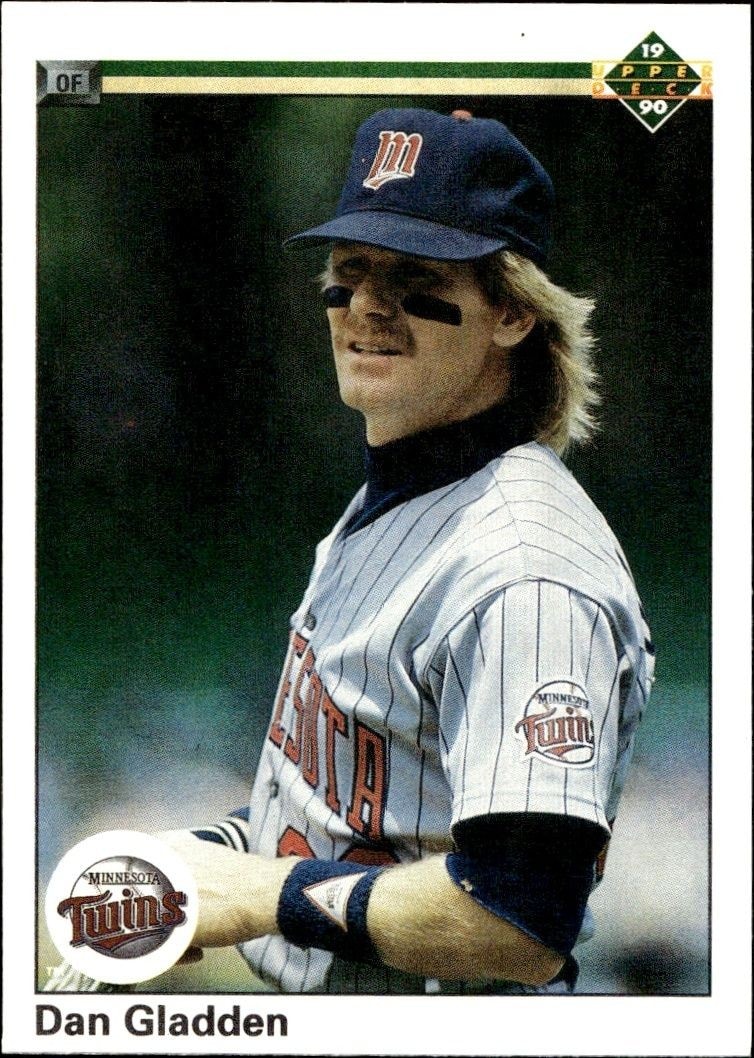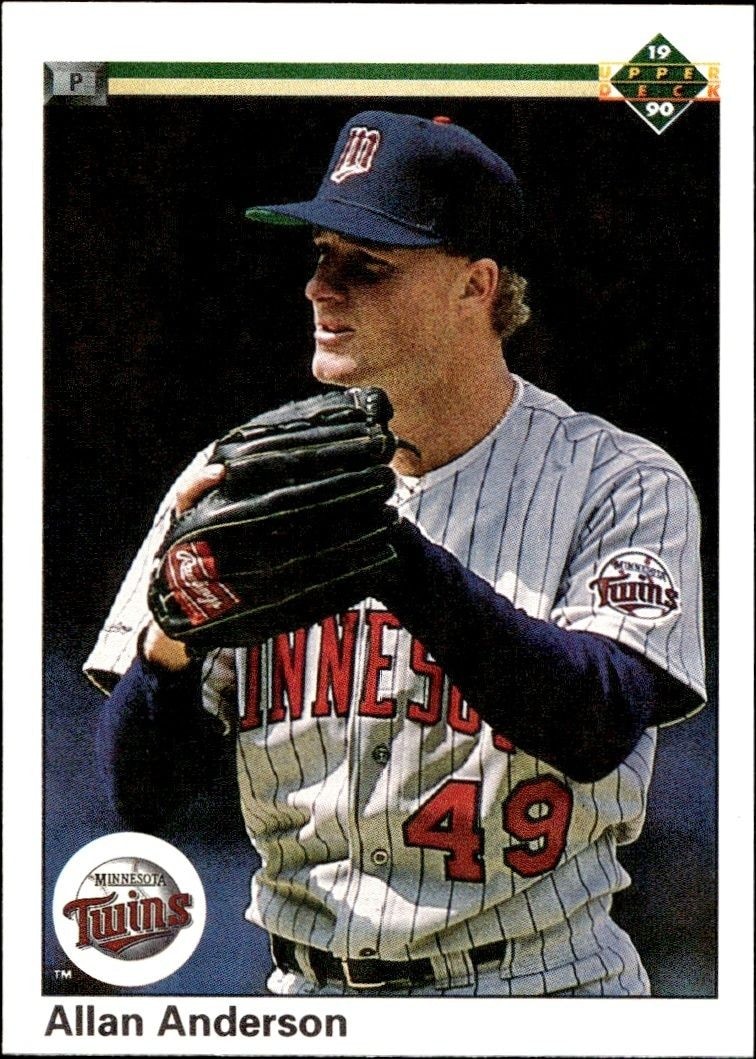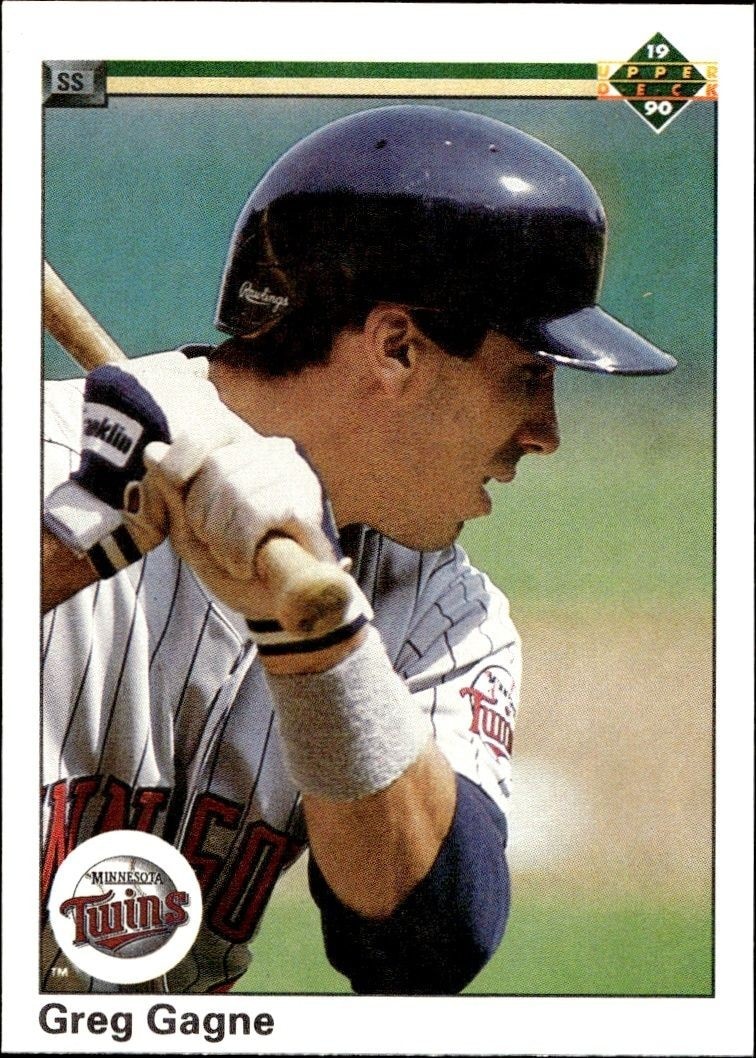




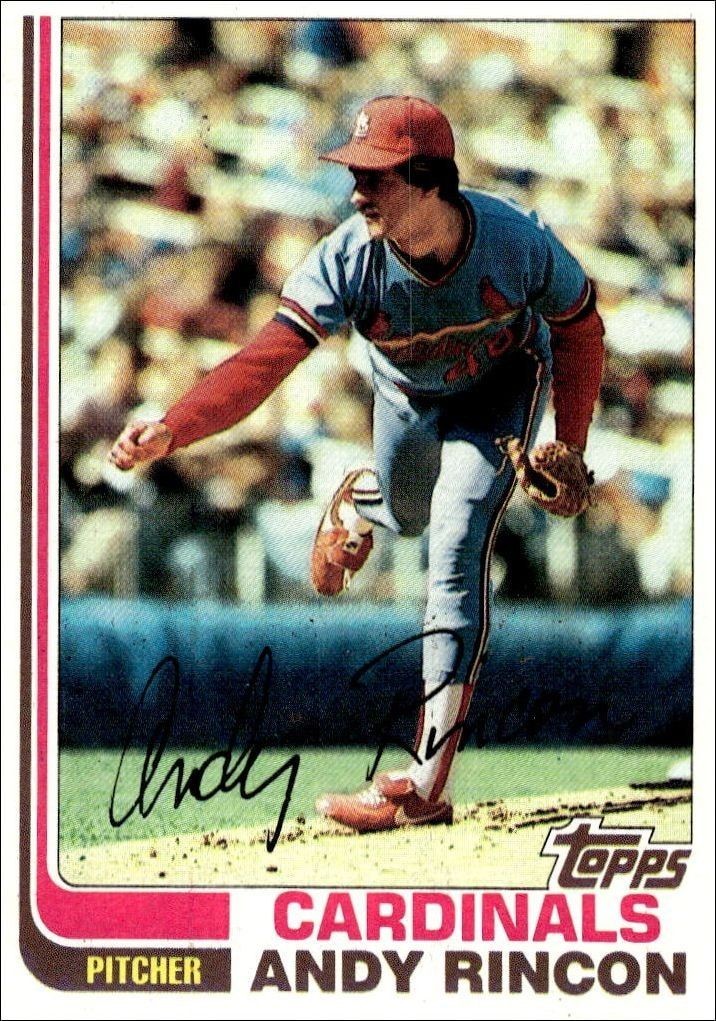
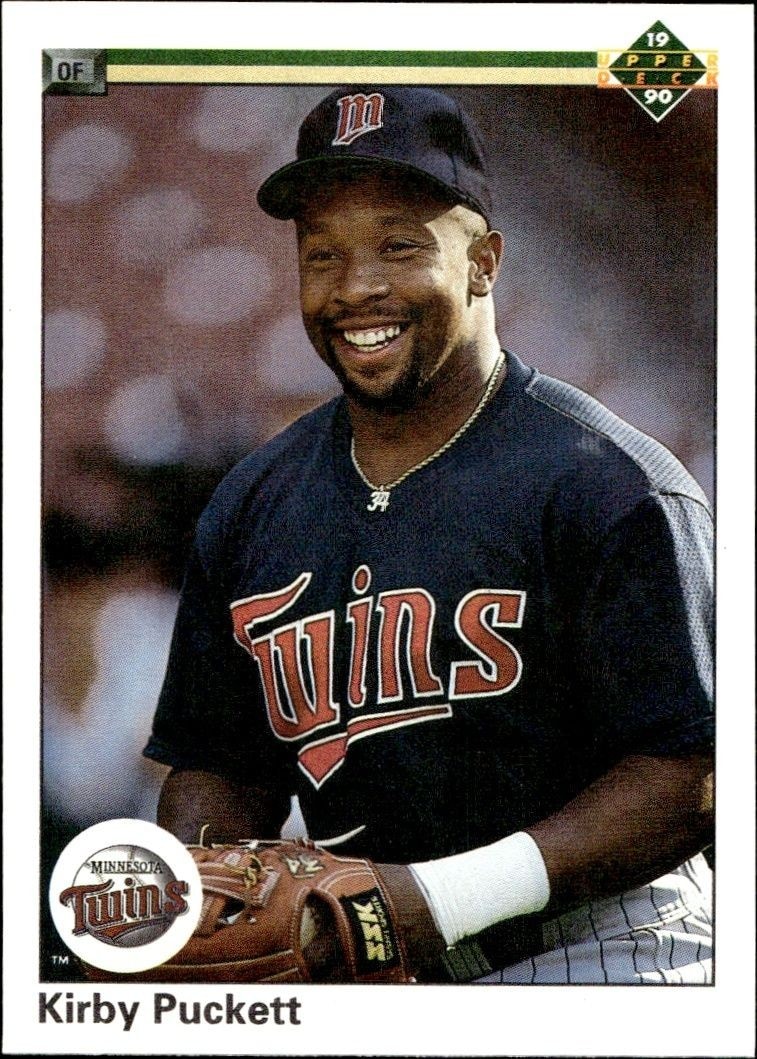
The 1982 Topps Pete Redfern #309 baseball card captures Minnesota Twins second baseman Pete Redfern during his MLB career, representing a key piece of early 1980s trading card history.
1982 • Topps
Major League Baseball • Minnesota Twins
Excellent
309
New
Shipping Calculated at Checkout
This seller is away until 10/19/2026 — orders are still accepted and ship after they return.30-day Returns| Condition | Value | Source | Trend | Price Details |
|---|---|---|---|---|
$0.99 | Guide Estimate | 0% | ||
$20.00 | Guide Estimate | 0% | ||
$22.00 | Guide Estimate | 0% | ||
$52.00 | Guide Estimate | 0% | ||
$24.00 | Guide Estimate | 0% | ||
$39.95 | Guide Estimate | 0% | ||
$24.00 | Guide Estimate | 0% | ||
Raw / Ungraded
PriceCharting Price Guide · Guide Estimate evidence · captured Oct 11, 2026
The 1982 Topps Pete Redfern #309 baseball card serves as a tangible connection to Minnesota Twins history during the early 1980s. As part of the flagship Topps series, this card is recognized by collectors for its distinctive design elements that defined sports trading cards of that era. Pete Redfern, a second baseman for the Twins, appears on this card, offering enthusiasts a specific snapshot of his tenure with the franchise. Collecting vintage baseball cards often involves acquiring pieces that represent specific seasons and team rosters. The card’s design reflects the aesthetic standards of Topps during this period, with clean typography and a layout that prioritizes the player’s image and statistics. For investors and hobbyists alike, vintage cards from the 1980s hold significant appeal due to their nostalgia factor and historical value. The Minnesota Twins have a rich legacy, and cards featuring their players from this era are sought after by fans who remember the team’s performances from that time. The 1982 Topps Pete Redfern #309 is a prime example of this collector interest, bridging the gap between personal fandom and broader market trends. Whether you are looking to add this card to your collection or explore other vintage options, the platform supports the needs of both novice and experienced collectors. The enduring popularity of 1980s baseball cards continues to drive demand, making items like the Pete Redfern #309 a relevant and desirable addition to any serious collection.
5 hours ago
We'll pre-fill the product details from this catalog entry, so your listing lands on this exact page. Just add photos of your copy, pick its condition, and set your price.
The catalog profile below summarizes the card identity, featured subject, and notable collectible traits.
The subject, team, league, and sport context tied to this card.
Production details and format-specific attributes.
Material
Card Stock
Language
English
Compare prices, grades, photos, and shipping from approved sellers.
New
Excellent
See how many public collections currently include this card.
0 collectors have this card
This 1982 Topps Pete Redfern card represents a foundational entry-level asset, currently trading at a minimal premium relative to the broader vintage baseball market. As a non-premium issue from the early 1980s, it lacks the scarcity drivers that typically elevate a player's market value, resulting in a price point consistent with common base cards from that era. The current listing availability suggests a stable but low-demand environment, keeping the valuation grounded in its status as a standard team issue rather than a sought-after collectible.
The card carries no special scarcity attributes, identifying it as a standard base insert within the 1982 Topps set. Without serial numbering, short-print designation, or parallel variations, the supply is effectively unlimited relative to collector demand, as it was produced in high volume for mass distribution. This lack of distinct rarity mechanics means the card does not benefit from the supply constraints that typically drive value appreciation in vintage sports memorabilia.
As a non-rookie card for Pete Redfern, this item does not capture the rookie-card premium that often drives long-term value retention in baseball collecting. The investment outlook is limited by the absence of special parallels or unique set positioning, which restricts its appeal to niche collectors specifically seeking this exact player in this specific year. Consequently, demand is likely to remain steady but low, with little potential for significant appreciation unless the player achieves broader historical recognition not indicated by the current attributes.