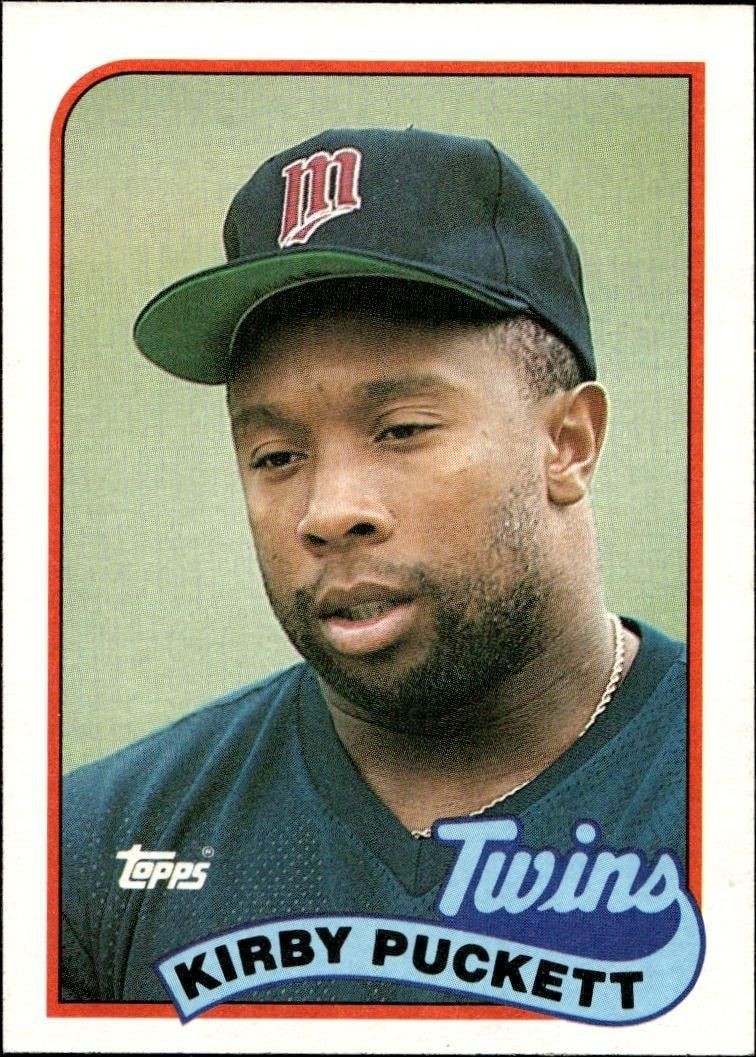
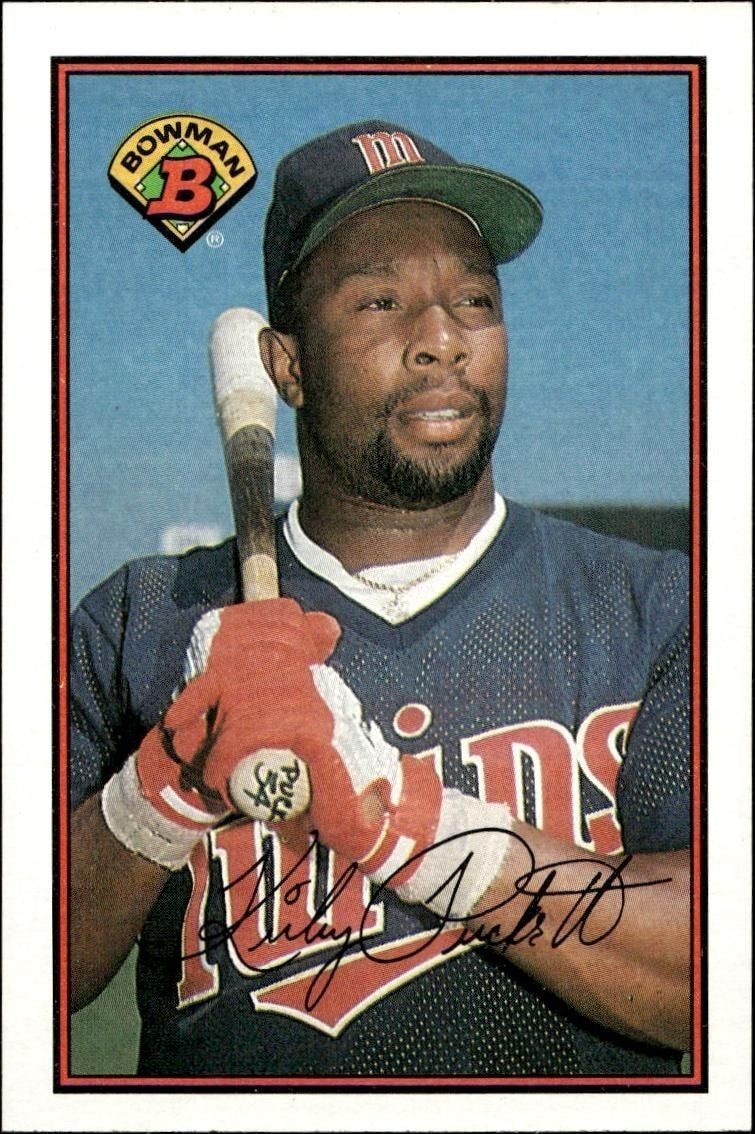


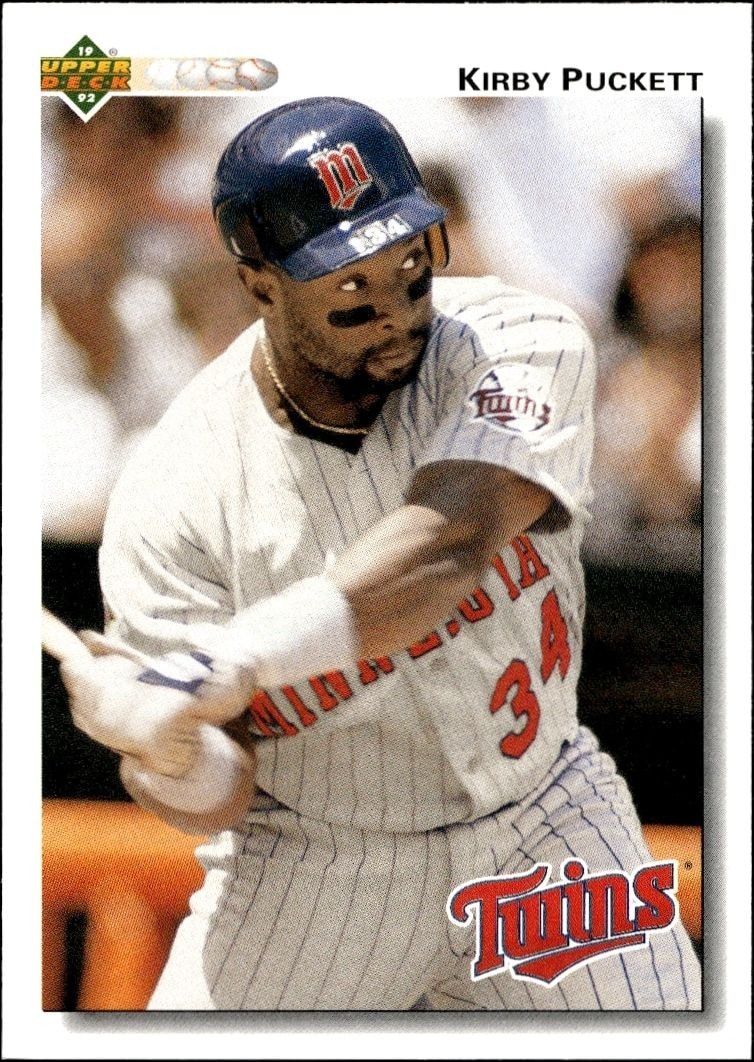
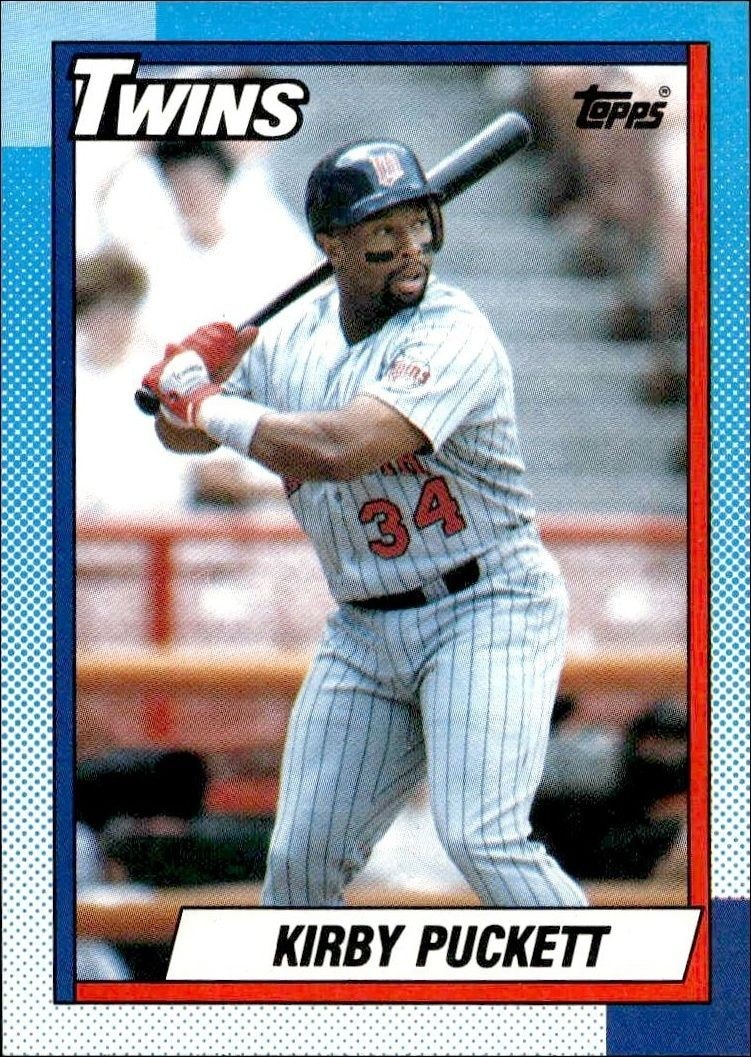
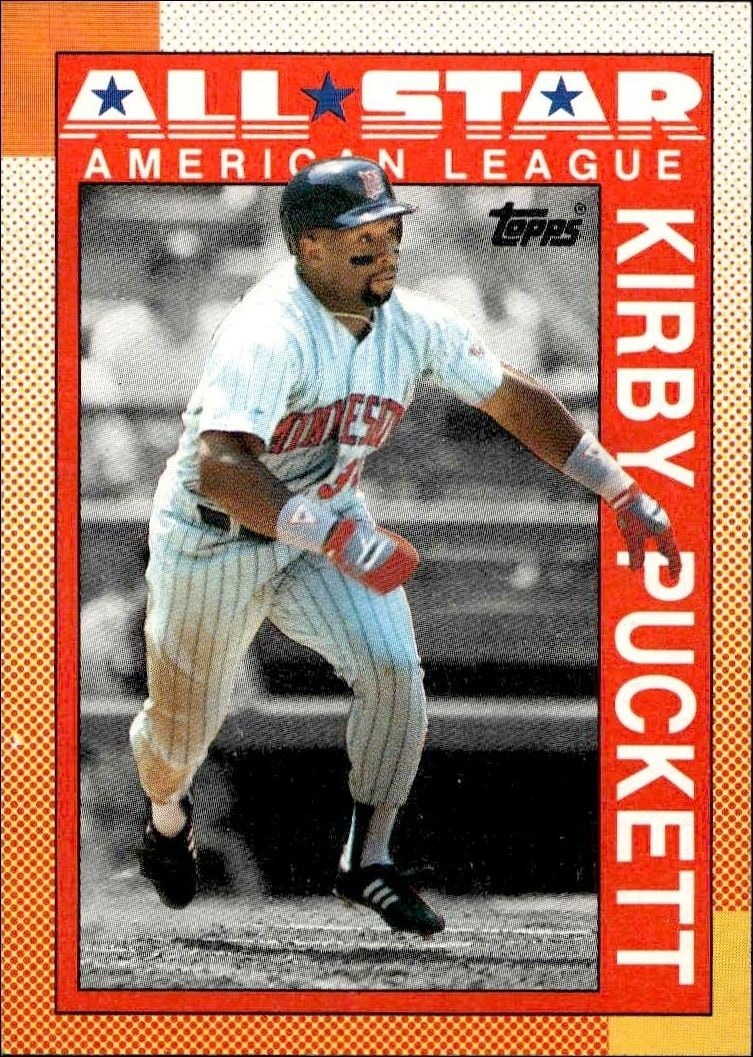
The 1990 Upper Deck Kirby Puckett #236 baseball card features the Minnesota Twins star in a key low-numbered slot of the classic 1990 set.
1990 • Upper Deck • Low Number
Major League Baseball • Minnesota Twins
Near Mint
236
New
Shipping Calculated at Checkout
Arrives in 4-6 daysEstimated delivery October 24, 2026 - October 26, 2026
30-day Returns| Condition | Value | Source | Trend | Price Details |
|---|---|---|---|---|
$1.05 | Guide Estimate | 0% | ||
$12.00 | Guide Estimate | 0% | ||
$13.00 | Guide Estimate | 0% | ||
$29.00 | Guide Estimate | +11.5% | ||
$39.00 | Guide Estimate | +11.4% | ||
$18.00 | Guide Estimate | +12.5% | ||
$29.97 | Guide Estimate | +11.2% | ||
$18.00 | Guide Estimate | +12.5% | ||
Raw / Ungraded
PriceCharting Price Guide · Guide Estimate evidence · captured Oct 14, 2026
The 1990 Upper Deck Kirby Puckett #236 baseball card represents a specific entry in the 1990 Upper Deck Low Number series, identifying Kirby Puckett of the Minnesota Twins in Major League Baseball. As a low-numbered card from the 1990 release, this product holds a distinct place in the checklist, positioned early in the sequence which often draws the attention of serious set builders and vintage sports card enthusiasts. Kirby Puckett is prominently featured as a Minnesota Twins player, capturing the identity of one of the league's prominent figures during that specific era. The 1990 Upper Deck brand is recognized for its glossy finish and large format, setting a design standard that influenced the trading card industry. For collectors focusing on the Minnesota Twins or the 1990 Upper Deck base set, this card is an essential component of the base checklist. The low number designation, 236, provides a clear identifier within the product's catalog structure, distinguishing it from inserts or parallels. This card appeals to those who appreciate the tangible history of 1990s baseball memorabilia, offering a direct connection to the sport's past through a well-known manufacturer. The combination of the subject, the team affiliation, and the specific card number creates a unique identifier for this piece of sports history.
4 hours ago
We'll pre-fill the product details from this catalog entry, so your listing lands on this exact page. Just add photos of your copy, pick its condition, and set your price.
The catalog profile below summarizes the card identity, featured subject, and notable collectible traits.
The core identity of the card within the set.
The subject, team, league, and sport context tied to this card.
Production details and format-specific attributes.
Material
Card Stock
Language
English
Compare prices, grades, photos, and shipping from approved sellers.
New
Near Mint
See how many public collections currently include this card.
0 collectors have this card
This 1990 Upper Deck Kirby Puckett card represents a foundational piece from the era when Puckett was the established face of the Minnesota Twins franchise. As a standard base card from a high-volume set, it occupies a lower price tier compared to his rookie issues or special inserts, serving primarily as an accessible entry point for collectors. Its value is driven by the player's enduring legacy rather than any unique scarcity or premium attributes inherent to this specific print.
The card lacks any special scarcity mechanics such as serial numbering, short-print status, or parallel variations, placing it firmly within the standard base set production. Because it is a common item from a widely produced 1990 release, the supply is effectively unlimited relative to collector demand, resulting in no rarity premium. The absence of distinguishing features means it does not command a scarcity-driven valuation beyond its baseline condition and subject appeal.
As a standard base card from a non-rookie year, this item lacks the rookie-card premium that typically drives significant appreciation in Puckett's market. While demand for Twins memorabilia remains steady, the lack of unique attributes limits its potential for outsized returns compared to rarer parallels or autographed variants. It is best viewed as a stable, low-cost component for a broader collection rather than a standalone investment vehicle with high growth potential.