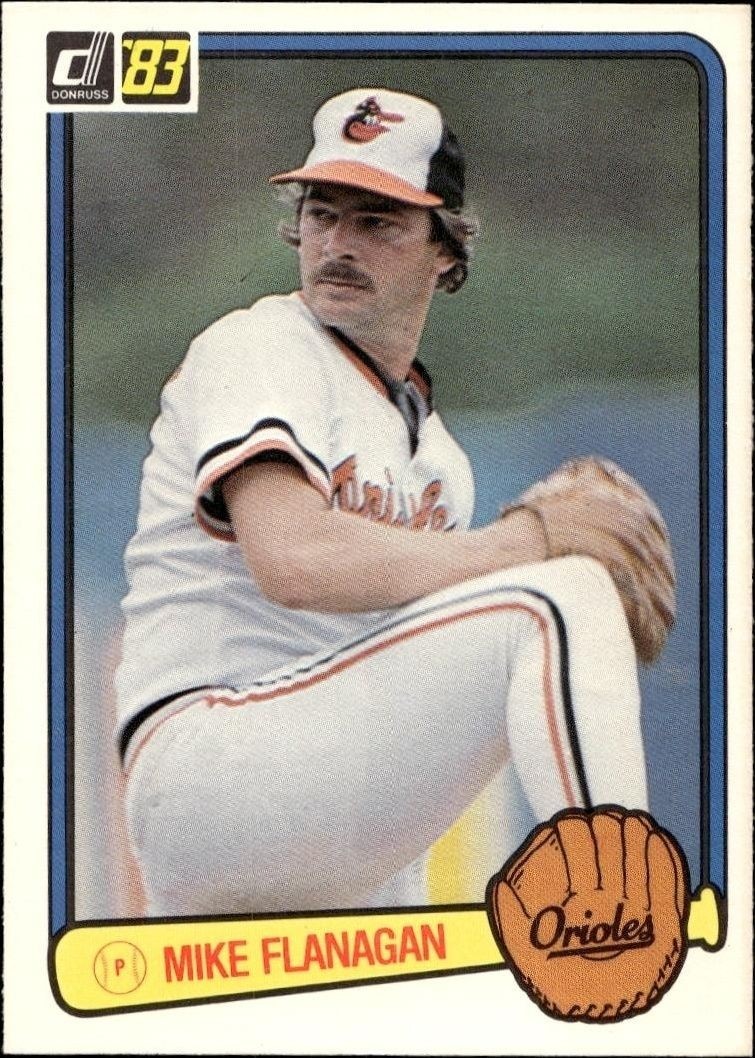
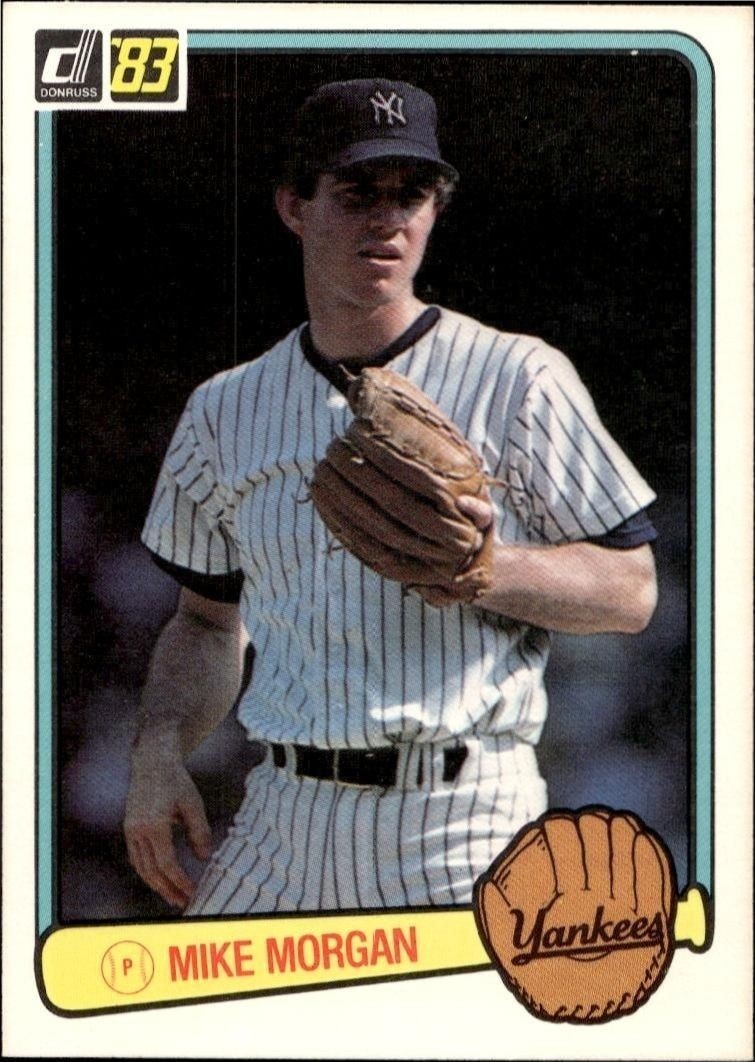
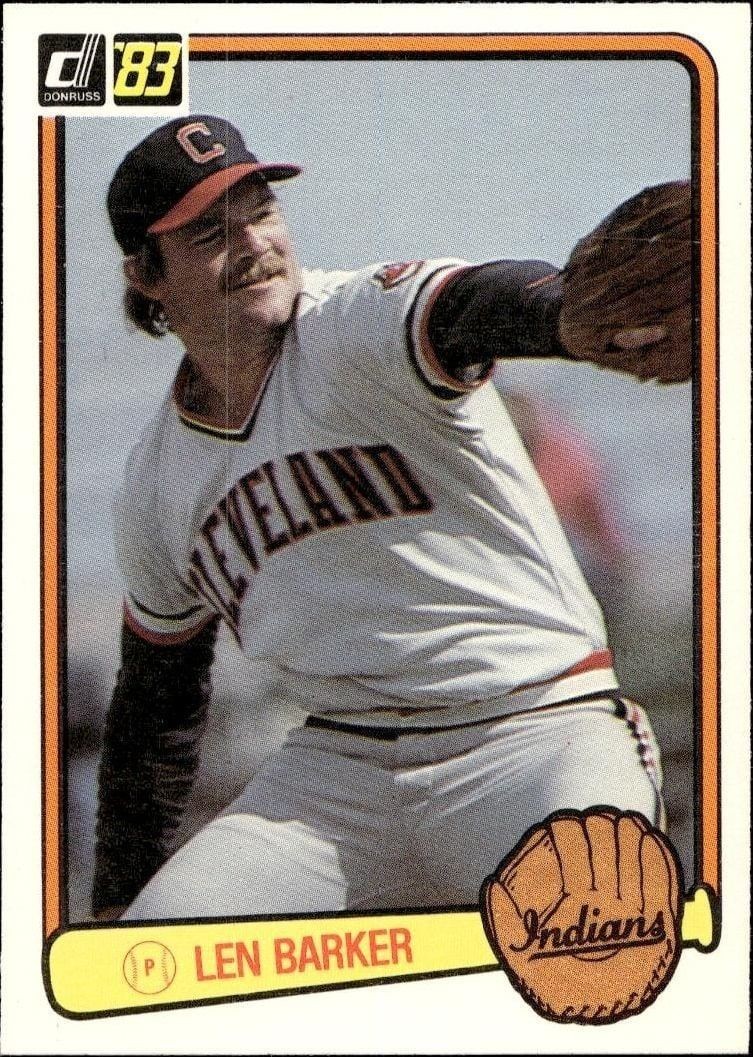


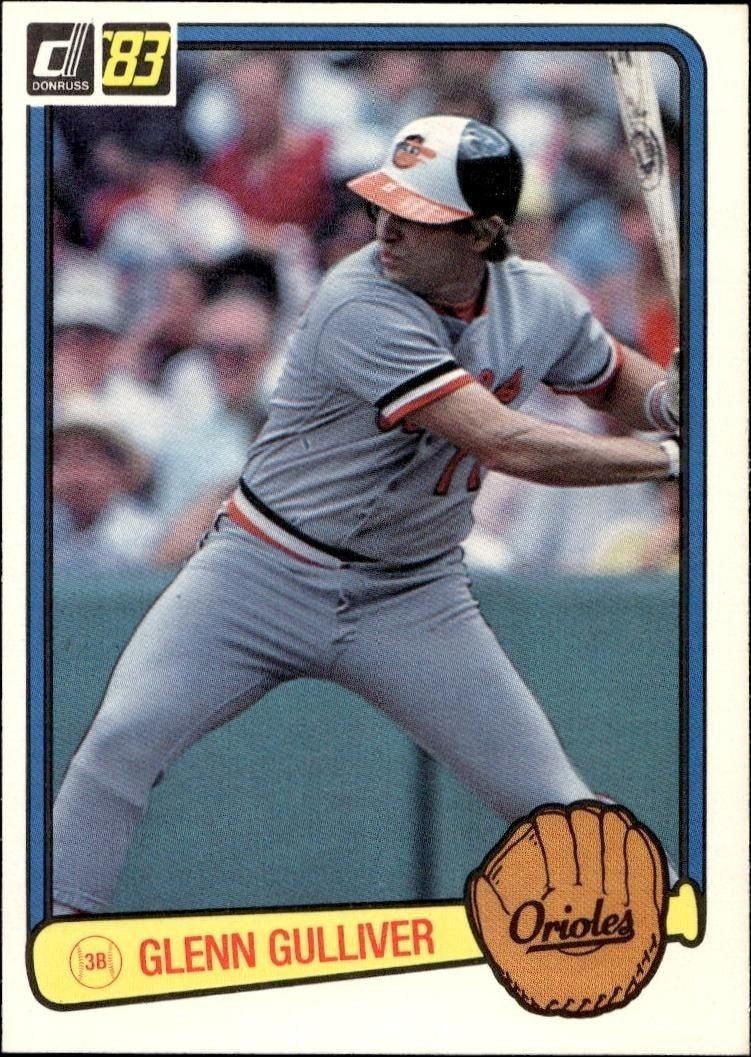

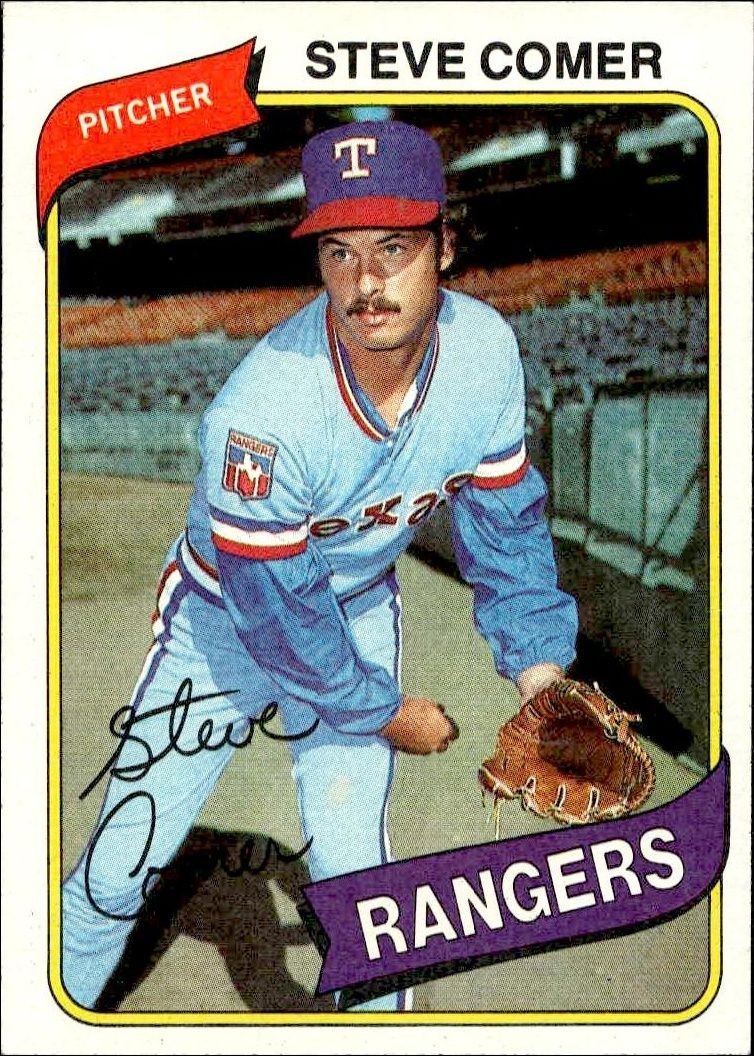

The 1983 Donruss Steve Comer #163 baseball card captures a Texas Rangers player from the brand's inaugural release. This catalog entry represents a specific card number from a foundational era of modern trading cards.
1983 • Donruss
Major League Baseball • Texas Rangers
Excellent
163
New
Shipping Calculated at Checkout
Arrives in 5-7 daysEstimated delivery October 23, 2026 - October 25, 2026
Seller returns October 19, 2026.30-day Returns| Condition | Value | Source | Trend | Price Details |
|---|---|---|---|---|
$1.02 | Guide Estimate | |||
$2.25 | Guide Estimate | |||
$2.00 | Guide Estimate | |||
Raw / Ungraded
PriceCharting Price Guide · Guide Estimate evidence · captured Oct 10, 2026
History is building. At least two days of matching observations are needed to show a trend.
Each point is the last stored observation that day for this printing, condition, grader, autograph status and source. Gaps mean no observation; guide estimates and asking prices are not completed sales.The 1983 Donruss Steve Comer #163 baseball card represents a significant piece of sports memorabilia from the inaugural year of the Donruss brand. Collectors often seek out cards from this set due to its historical importance in the evolution of trading card production. Steve Comer, featured on card number 163, played for the Texas Rangers during this period. For investors and set builders, acquiring cards from this foundational release provides exposure to a pivotal moment in the industry's history. This catalog page groups all available listings for the 1983 Donruss Steve Comer #163, allowing you to explore different conditions and grades under one dedicated identity. Whether you are completing a base set or focusing on specific team subsets, understanding the context of the 1983 Donruss release is essential for any serious enthusiast. The Texas Rangers roster from this era holds particular interest for regional collectors and those tracking player careers. Comer’s inclusion in this set highlights the broad coverage Donruss provided, capturing both star players and key roster contributors. The enduring appeal of 1980s baseball cards lies in their accessibility and the rich history they represent, making this card a valuable addition to any collection.
22 hours ago
We'll pre-fill the product details from this catalog entry, so your listing lands on this exact page. Just add photos of your copy, pick its condition, and set your price.
The catalog profile below summarizes the card identity, featured subject, and notable collectible traits.
The subject, team, league, and sport context tied to this card.
Production details and format-specific attributes.
Material
Card Stock
Language
English
Compare prices, grades, photos, and shipping from approved sellers.
New
Excellent
See how many public collections currently include this card.
0 collectors have this card
This 1983 Donruss card of Steve Comer occupies a niche tier within the broader Texas Rangers roster, reflecting his status as a journeyman pitcher rather than a franchise cornerstone. As a standard base card from a high-volume print run, it trades at the entry-level end of the market, offering an affordable entry point for collectors focusing on specific team sets or era-specific completions. Its value is driven primarily by completion needs rather than speculative demand, keeping it stable but modest compared to rookie issues of Hall of Famers from the same year.
The card carries no special scarcity attributes, such as serial numbering, short prints, or parallel finishes, meaning it is part of the standard base set production. This lack of limited edition mechanics implies a relatively high supply available on the secondary market compared to premium inserts or autographed variants. Collectors seeking this specific item are generally looking for base set completeness rather than hunting for a rare variant, which keeps the individual card's scarcity profile low.
As a non-rookie card from a prolific brand like Donruss, this item lacks the rookie-card premium that typically drives significant appreciation in the 1980s baseball market. Demand is likely sustained by a small group of dedicated Texas Rangers or 1983 set completists rather than broad investor interest. Long-term value stability is probable due to low acquisition costs, but substantial upside is limited without a shift in broader market trends for mid-tier players of that era.