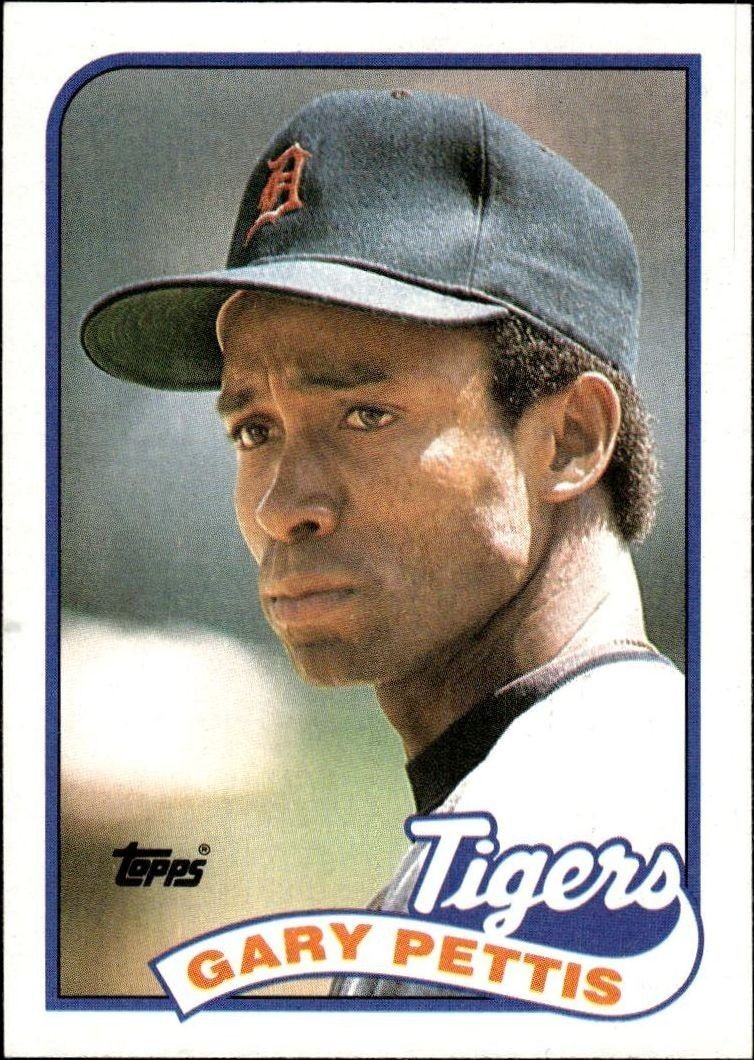



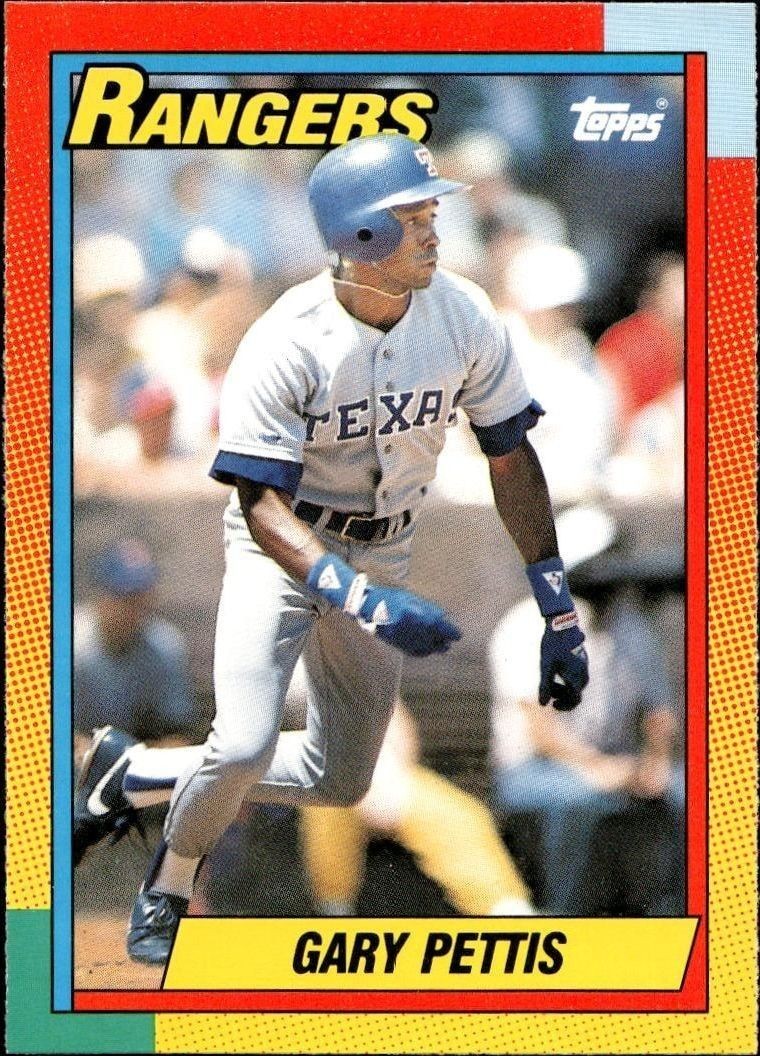
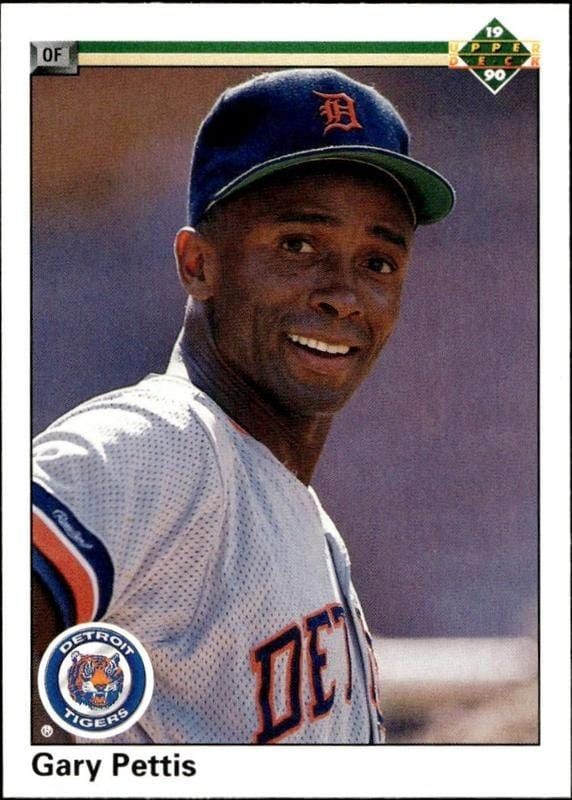

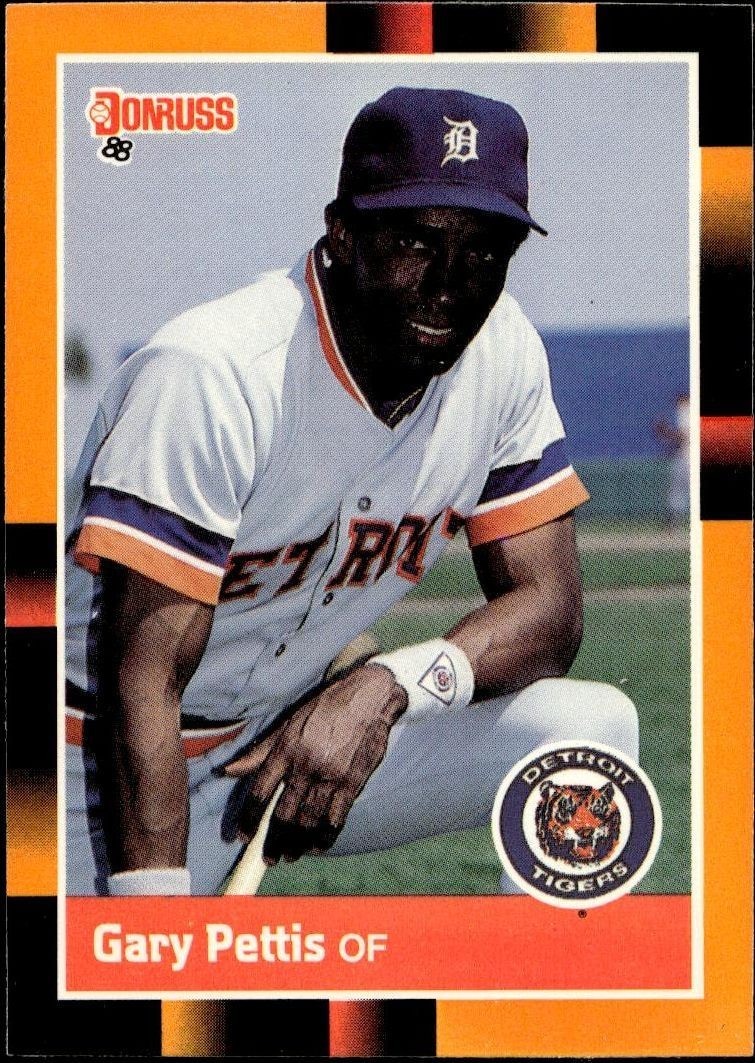


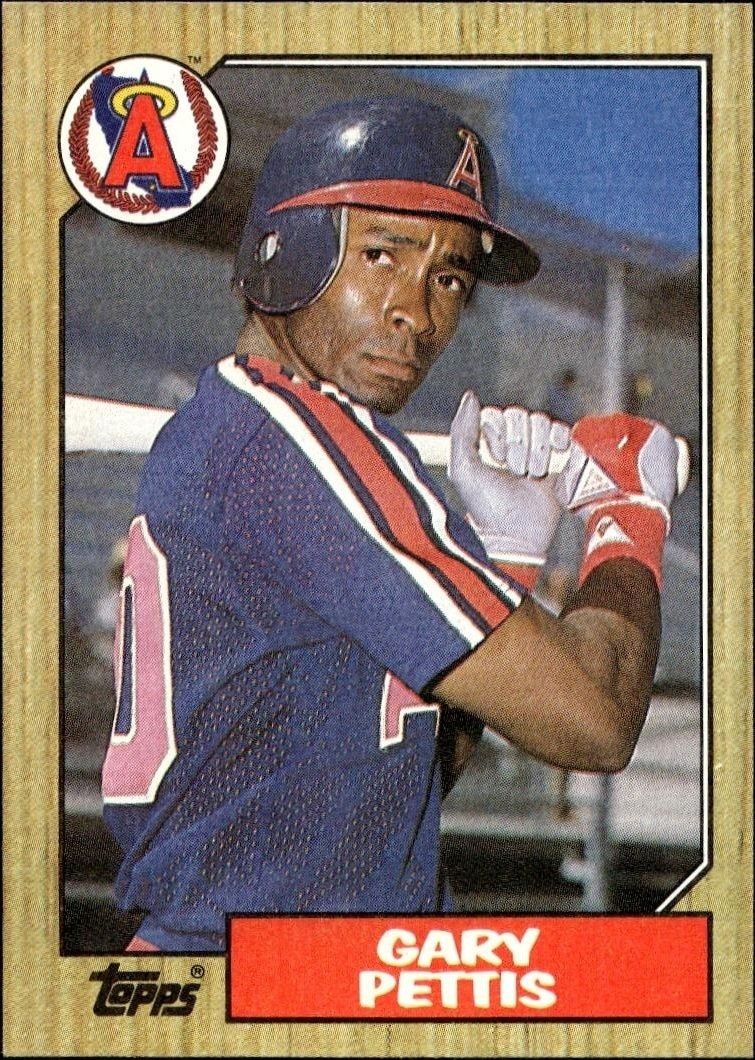

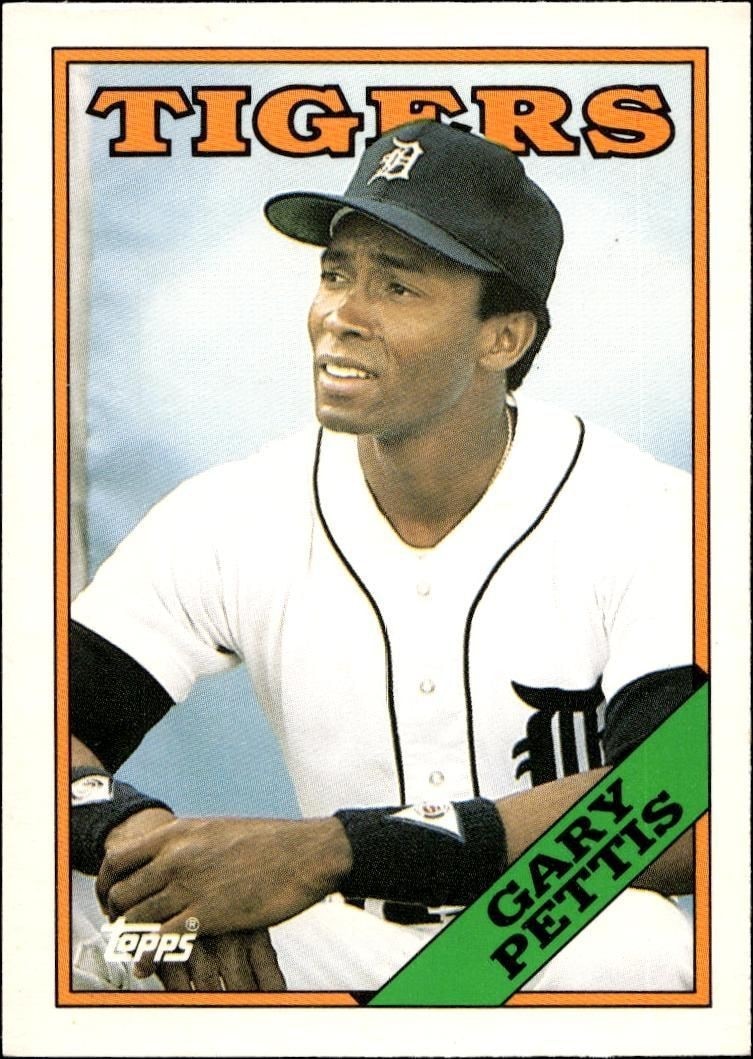
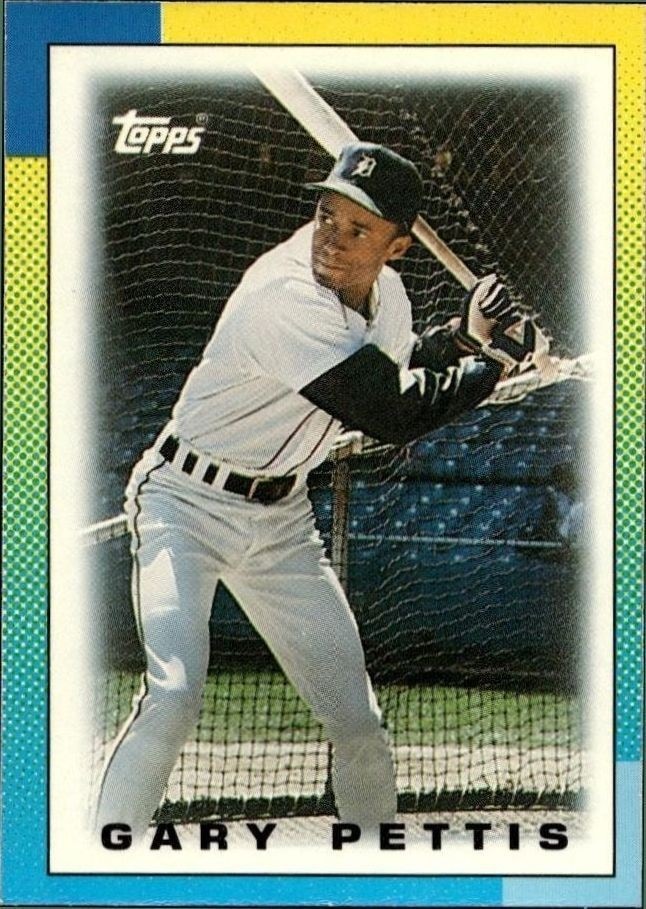
The 1990 Upper Deck High Number Gary Pettis card #770 represents a significant Texas Rangers baseball collectible from the landmark 1990 Upper Deck set.
1990 • Upper Deck • High Number
Major League Baseball • Texas Rangers
Near Mint
770
New
Shipping Calculated at Checkout
Arrives in 4-6 daysEstimated delivery November 13, 2026 - November 15, 2026
30-day Returns| Condition | Value | Source | Trend | Price Details |
|---|---|---|---|---|
$1.49 | Guide Estimate | |||
Raw / Ungraded
PriceCharting Price Guide · Guide Estimate evidence · captured Oct 29, 2026
History is building. At least two days of matching observations are needed to show a trend.
Each point is the last stored observation that day for this printing, condition, grader, autograph status and source. Gaps mean no observation; guide estimates and asking prices are not completed sales.The 1990 Upper Deck High Number Gary Pettis baseball card #770 serves as a notable entry for collectors of Texas Rangers memorabilia and vintage sports trading cards. Released in 1990, this product emerged during a pivotal period for the industry, marking one of the first major mainstream baseball card sets to gain widespread distribution and cultural recognition. The High Number series specifically targeted dedicated set builders and investors looking for the final pieces of the primary release, often commanding attention for their scarcity relative to the base card count. Gary Pettis, featured on card #770, was a key contributor to the Texas Rangers roster during this era. For fans and historians, this card preserves a snapshot of his tenure with the team, offering a tangible connection to the on-field action of the late 1980s and early 1990s. Collectors often seek out high-numbered cards from this set to complete their collections, valuing them for their historical context and the prestige of the brand itself. Whether you are building a comprehensive set of Texas Rangers cards or focusing on specific players from the 1990 Upper Deck release, this Gary Pettis card is a vital component for any serious portfolio. The enduring popularity of the 1990 Upper Deck set ensures that items like card #770 remain relevant in the secondary market, appealing to both nostalgic hobbyists and new collectors entering the space of vintage baseball cards.
11/1/26
We'll pre-fill the product details from this catalog entry, so your listing lands on this exact page. Just add photos of your copy, pick its condition, and set your price.
The catalog profile below summarizes the card identity, featured subject, and notable collectible traits.
The core identity of the card within the set.
The subject, team, league, and sport context tied to this card.
Production details and format-specific attributes.
Material
Card Stock
Language
English
Compare prices, grades, photos, and shipping from approved sellers.
New
Near Mint
See how many public collections currently include this card.
0 collectors have this card
FAQ
High number cards, such as #770, represent the final entries in the 1990 Upper Deck set. They are often sought after by collectors attempting to complete a full base set, adding to their demand within the vintage trading card community.
Gary Pettis was a professional baseball player who played for the Texas Rangers during the era covered by the 1990 Upper Deck set. This card documents his time with the team, serving as a collectible for fans of the franchise and players from that specific MLB season.
Yes, the 1990 Upper Deck set is highly regarded in the hobby as one of the first major mainstream baseball card releases. Cards from this set, including high-numbered issues like the Gary Pettis #770, are often collected for their historical significance and the brand's impact on the modern trading card industry.
This 1990 Upper Deck High Number card represents a standard base-tier offering for Gary Pettis, lacking the premium valuation associated with parallel finishes or special inserts. As a straightforward base card from a major set, it trades at a modest price point relative to his more scarce counterparts, reflecting its common status within the collector's inventory. The single active listing suggests a quiet market, typical for non-premium cards of this era and player tier.
The card possesses no special scarcity attributes, identifying it as a standard base issue within the 1990 Upper Deck High Number set. Without serial numbering, short-print designations, or parallel coating, the supply remains unrestricted by manufacturing limitations, making it widely available in the secondary market. This lack of distinct rarity mechanics means it does not benefit from the supply constraints that drive value in other subsets.
Investment potential is limited by its position as a non-premium base card, which typically sees lower demand compared to rookie cards or high-tier parallels. While it holds historical significance as part of the late-80s/early-90s Upper Deck run, it lacks the specific collector drivers such as rookie status or unique authentication that usually sustain long-term value growth. Collectors generally prioritize scarce variants or key rookie cards of the era over standard base issues for portfolio allocation.