






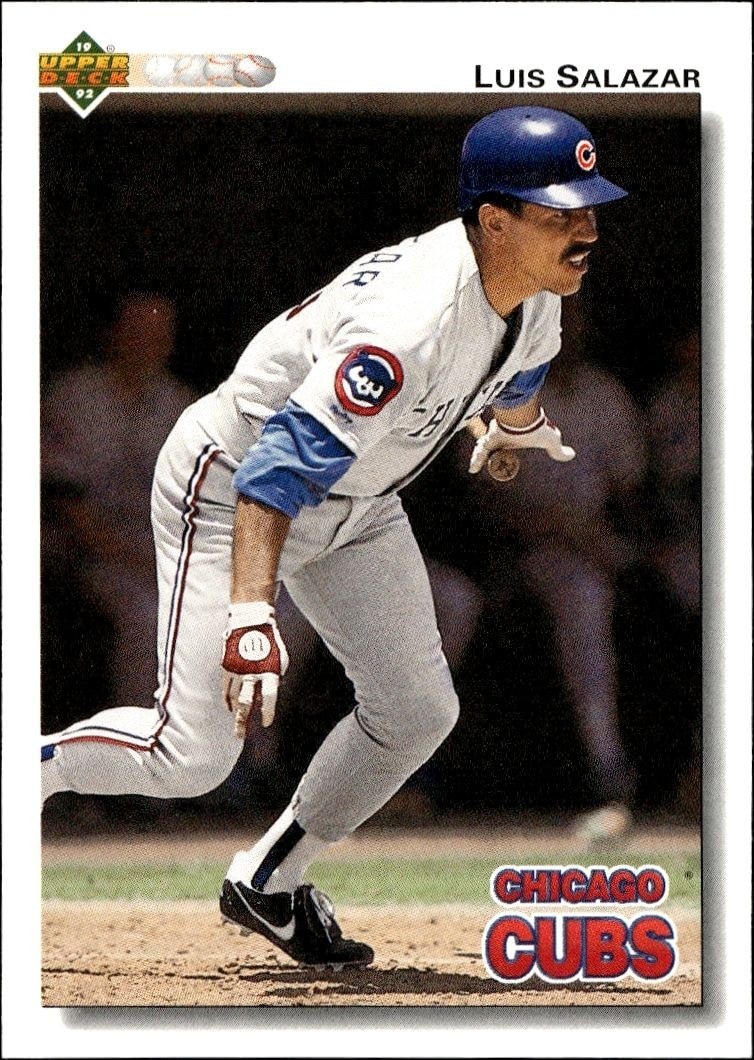

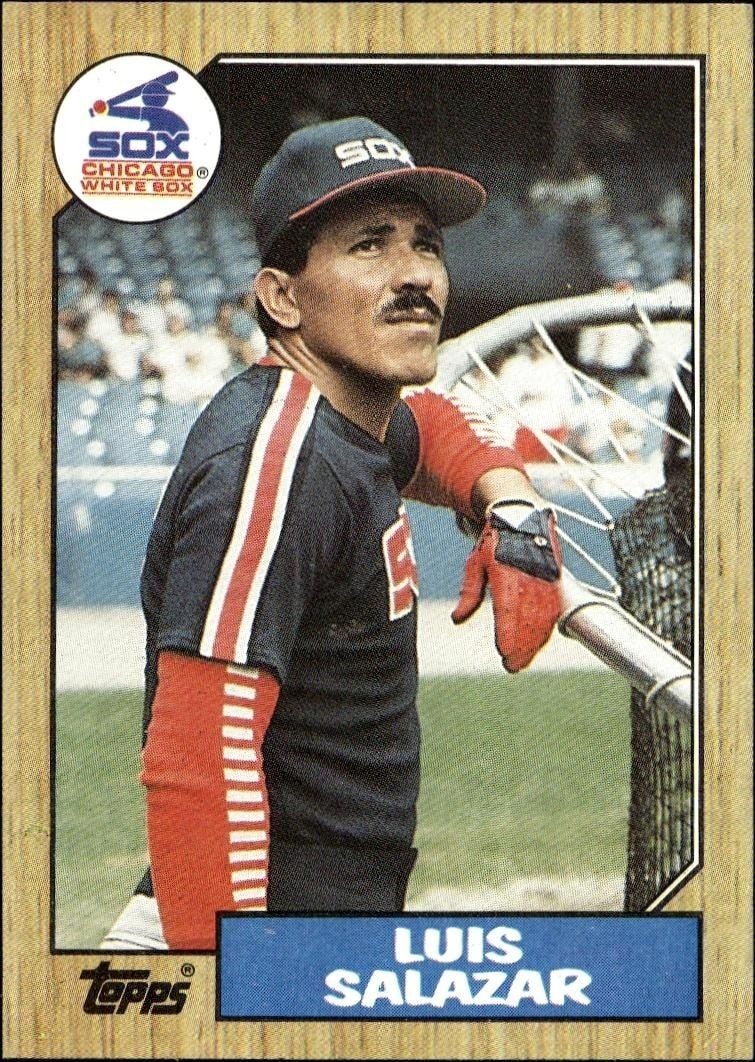


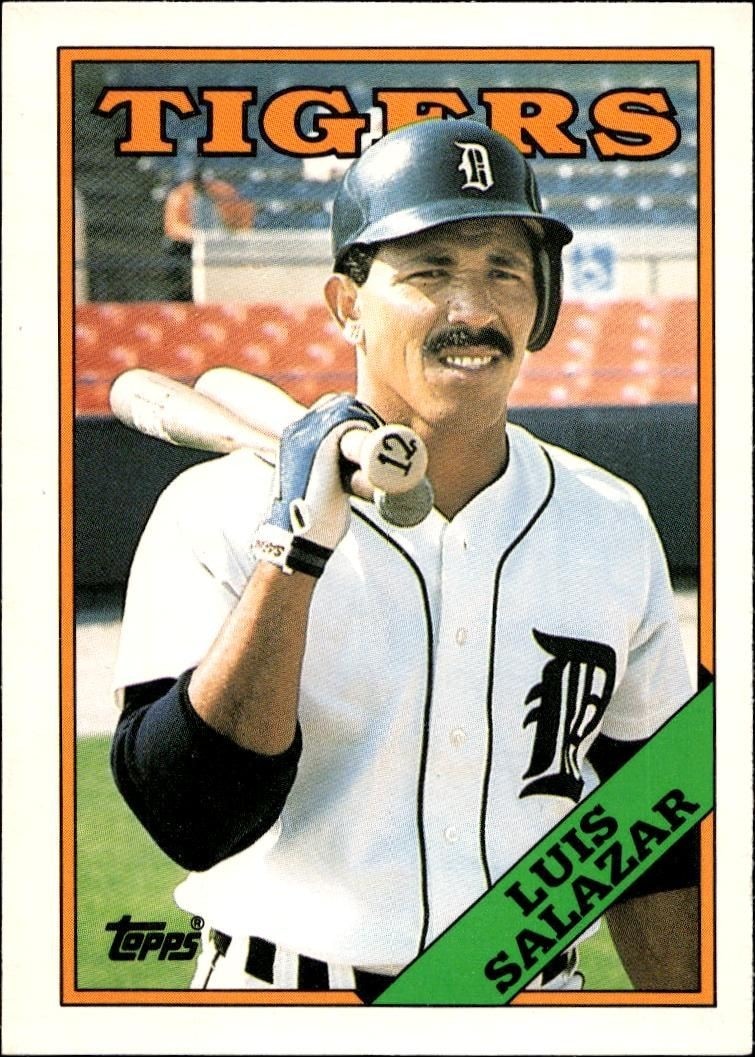

The 1984 Topps #68 Luis Salazar card represents a specific chapter in San Diego Padres history. This vintage sports trading card is a staple for collectors of 1980s MLB memorabilia.
1984 • Topps
Major League Baseball • San Diego Padres
Excellent
68
New
Shipping Calculated at Checkout
Arrives in 5-7 daysEstimated delivery October 23, 2026 - October 25, 2026
Seller returns October 19, 2026.30-day Returns| Condition | Value | Source | Trend | Price Details |
|---|---|---|---|---|
$1.07As of 9/26/2026 | Guide Estimate | |||
$4.04As of 9/26/2026 | Guide Estimate | |||
$4.00As of 9/26/2026 | Guide Estimate | |||
$77.00As of 9/26/2026 | Guide Estimate | |||
$36.00As of 9/26/2026 | Guide Estimate | |||
$59.52As of 9/26/2026 | Guide Estimate | |||
$36.00As of 9/26/2026 | Guide Estimate | |||
Raw / Ungraded
PriceCharting Price Guide · Guide Estimate evidence · captured Sep 26, 2026
History is building. At least two days of matching observations are needed to show a trend.
Each point is the last stored observation that day for this printing, condition, grader, autograph status and source. Gaps mean no observation; guide estimates and asking prices are not completed sales.The 1984 Topps #68 Luis Salazar card captures a distinct moment in San Diego Padres history during the mid-1980s. As part of the iconic 1984 Topps baseball set, this card offers collectors a tangible connection to the era when Salazar was an active member of the National League West squad. The design reflects the classic aesthetic that defined Topps releases throughout the decade, featuring the standardized layout that generations of hobbyists recognize and value. For investors and set builders, the 1984 Topps baseball card series remains one of the most collected vintage releases. Each card in the base set serves as a building block for completing the full 792-card checklist. The #68 slot holds specific significance for fans of the Padres organization, documenting Salazar's tenure with the team. Unlike modern inserts and parallels, this card represents the straightforward, accessible nature of vintage collecting where the challenge lies in hunting down specific players and teams. Collectors often seek out 1984 Topps cards to fill gaps in their decade-specific collections or to acquire specific player cards from their favorite franchises. The enduring appeal of this product lies in its historical accuracy and the nostalgic value it provides to those who followed the game during that period. Whether you are building a comprehensive team collection or focusing on individual player milestones, this card serves as an essential component of any serious vintage baseball archive. The 1984 Topps brand continues to command respect in the secondary market due to its widespread distribution and enduring popularity among hobbyists.
16 hours ago
We'll pre-fill the product details from this catalog entry, so your listing lands on this exact page. Just add photos of your copy, pick its condition, and set your price.
The catalog profile below summarizes the card identity, featured subject, and notable collectible traits.
The subject, team, league, and sport context tied to this card.
Production details and format-specific attributes.
Material
Card Stock
Language
English
Compare prices, grades, photos, and shipping from approved sellers.
New
Excellent
See how many public collections currently include this card.
0 collectors have this card
This 1984 Topps card of Luis Salazar resides in the entry-level tier for MLB collectibles, reflecting its status as a common base card from a high-volume production era. While the subject's career with the San Diego Padres provides historical context, the lack of special attributes limits its premium potential compared to key rookies or inserts. It currently trades at the lower end of the market spectrum, serving primarily as an affordable addition for broad set completion rather than individual player appreciation.
As a standard base card from the 1984 Topps set, this item carries no unique scarcity mechanics such as serial numbering, short-print status, or parallel variations. Its supply is effectively unlimited within the context of the secondary market, as these were mass-produced and widely circulated. Consequently, the card represents the baseline for set completion without any restrictive supply factors to drive rarity premiums.
The investment outlook is neutral, as vintage base cards from the early 1980s generally lack the appreciation drivers found in rookie cards or high-end parallels. Demand is likely confined to casual collectors seeking to fill gaps in large lot acquisitions or specific team-based collections. Without unique attributes or rookie status, the card is unlikely to see significant value growth beyond minor fluctuations in general vintage market sentiment.

