


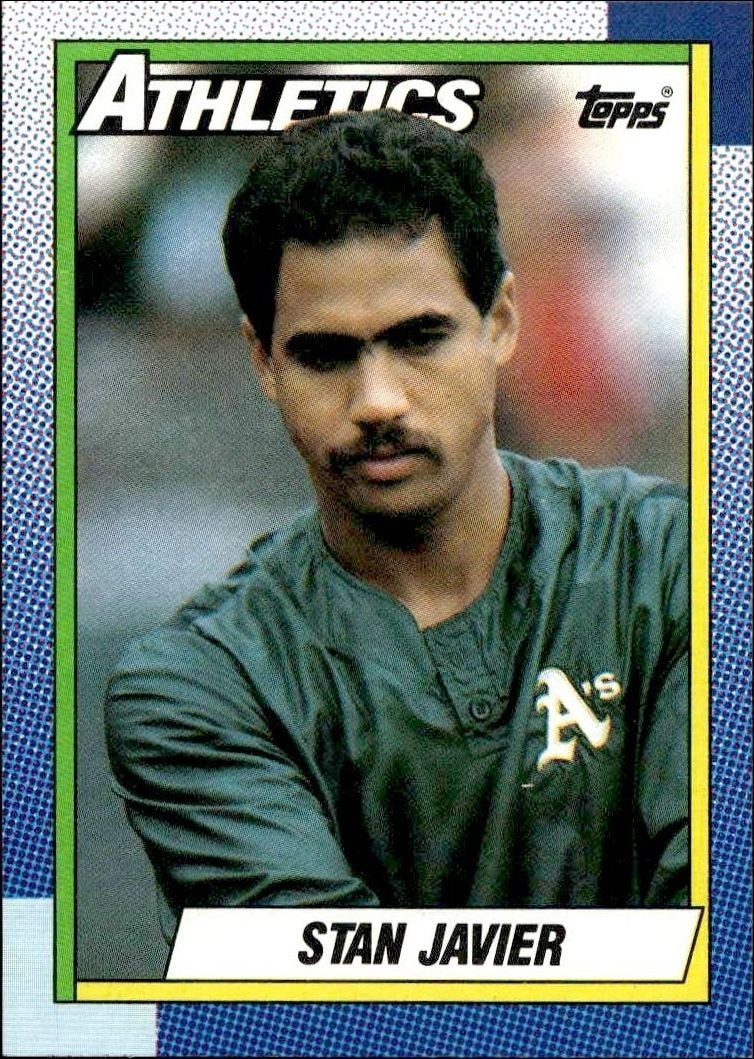
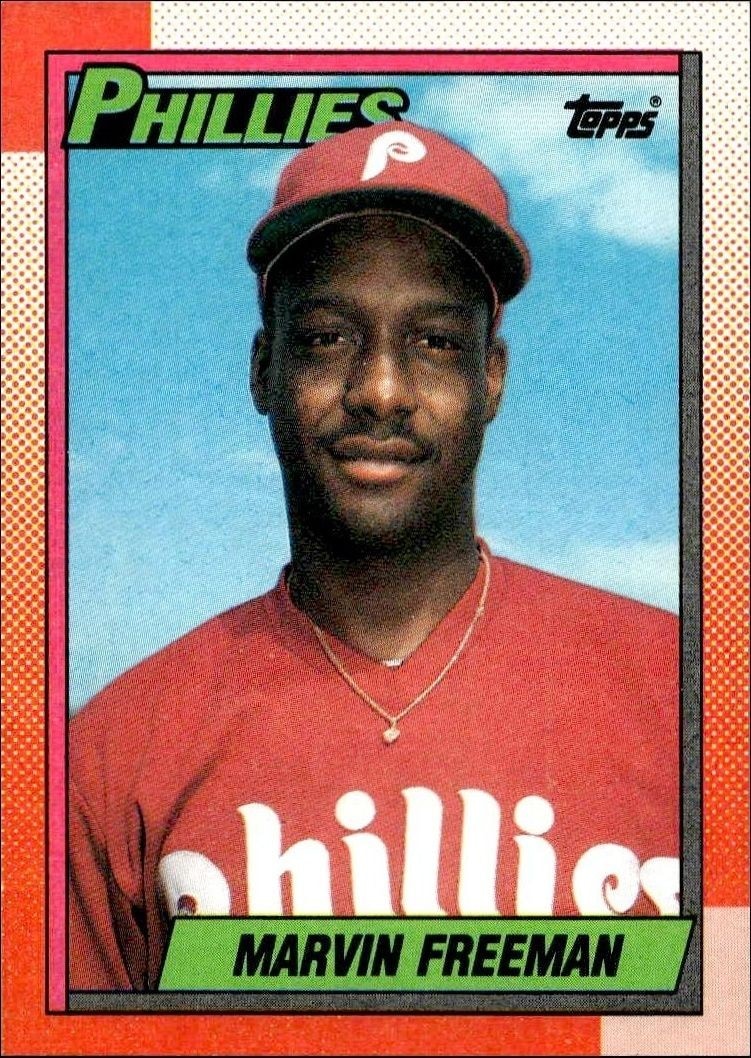
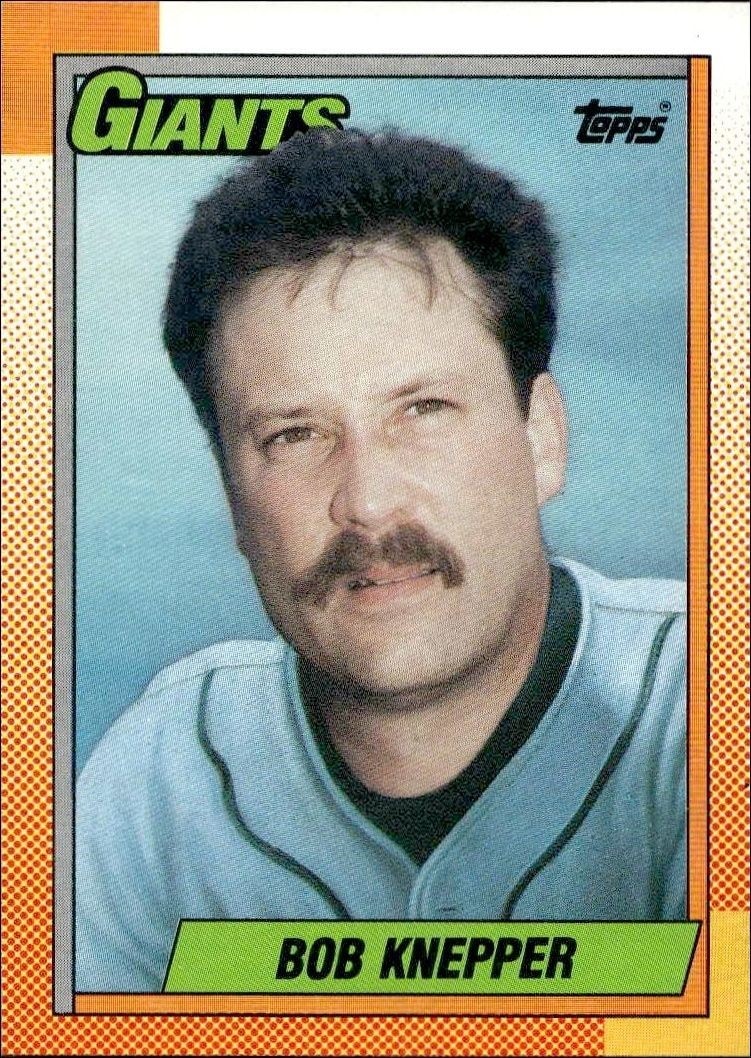


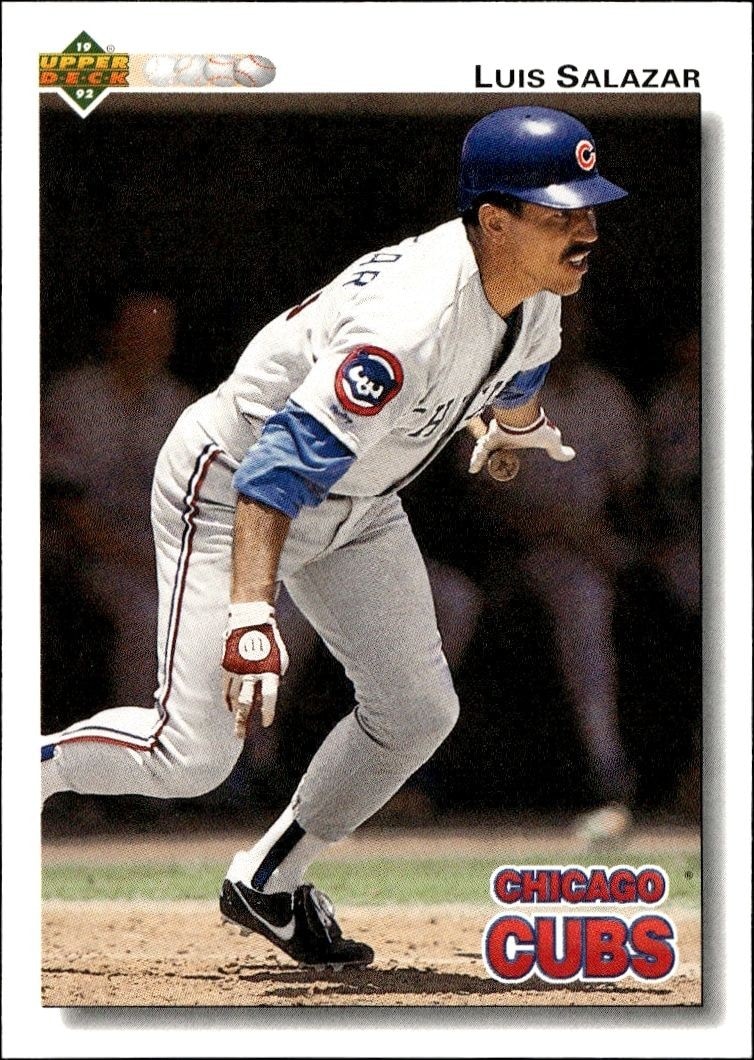

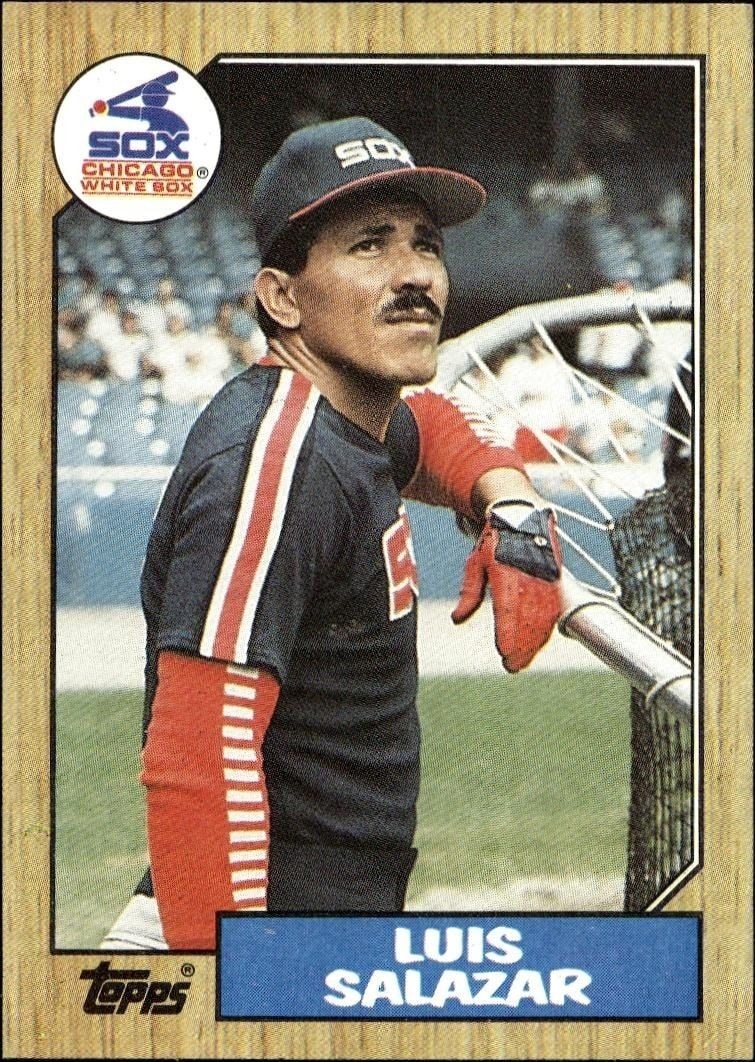


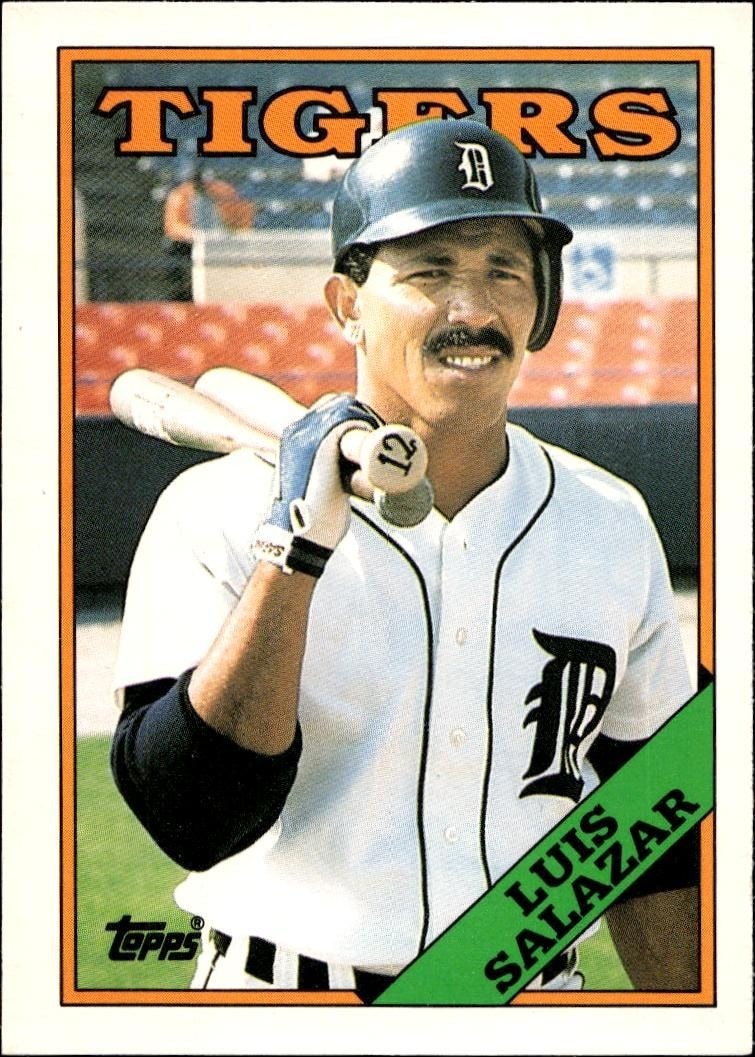

The 1990 Topps Luis Salazar #378 baseball card captures a piece of Chicago Cubs history from the 1990 Topps set. This catalog entry represents the standard release for collectors seeking vintage sports memorabilia.
1990 • Topps
Major League Baseball • Chicago Cubs
Excellent
378
New
Shipping Calculated at Checkout
Arrives in 5-7 daysEstimated delivery October 23, 2026 - October 25, 2026
Seller returns October 19, 2026.30-day Returns| Condition | Value | Source | Trend | Price Details |
|---|---|---|---|---|
$1.23 | Guide Estimate | +17.1% | ||
$72.00 | Guide Estimate | 0% | ||
$33.00 | Guide Estimate | 0% | ||
$55.00 | Guide Estimate | 0% | ||
$33.00 | Guide Estimate | 0% | ||
Raw / Ungraded
PriceCharting Price Guide · Guide Estimate evidence · captured Oct 16, 2026
The 1990 Topps Luis Salazar #378 baseball card stands as a definitive piece of vintage sports memorabilia from one of the most recognized brands in the hobby. Released during the 1990 season, this card features Chicago Cubs infielder Luis Salazar, offering collectors a tangible connection to the team's roster during that specific era. For enthusiasts of the 1990s baseball card boom, the Topps brand remains the primary reference point for design, production quality, and historical significance. Collectors often seek out cards from this period to build comprehensive sets or to complete specific team subsets. The 1990 Topps set is widely distributed, making individual cards like #378 accessible while still holding nostalgic value for those who followed the game during the early 1990s. The design of the 1990 Topps base set is characterized by its clean layout and prominent team logos, which have become iconic symbols of the decade's collecting culture. Owning a card from this release allows fans to preserve a snapshot of Luis Salazar's time with the Chicago Cubs. Whether you are a seasoned investor in vintage sports cards or a casual fan looking to add a personal touch to your collection, the 1990 Topps Luis Salazar #378 offers a straightforward yet meaningful addition. The card serves as a reminder of the grassroots nature of the hobby, where every numbered issue contributes to the broader narrative of baseball history. By acquiring this card, you are participating in a long-standing tradition of collecting sports trading cards that celebrates the athletes and teams that define the sport. For those focusing on Chicago Cubs history, this card represents a specific chapter in the franchise's timeline. The 1990 Topps series continues to be a staple in many collections, valued for its consistency and the clear representation of the players who wore the uniform during that time. Including the Luis Salazar #378 card in your portfolio supports the preservation of sports card history, keeping the legacy of the 1990s alive for future fans.
19 hours ago
We'll pre-fill the product details from this catalog entry, so your listing lands on this exact page. Just add photos of your copy, pick its condition, and set your price.
The catalog profile below summarizes the card identity, featured subject, and notable collectible traits.
The subject, team, league, and sport context tied to this card.
Production details and format-specific attributes.
Material
Card Stock
Language
English
Compare prices, grades, photos, and shipping from approved sellers.
New
Excellent
See how many public collections currently include this card.
0 collectors have this card
This 1990 Topps Luis Salazar card sits in an entry-level price tier, reflecting its status as a common base card from a mass-produced set. The current market positioning indicates modest demand, typical for non-rookie, non-star players from this era who lack significant historical notoriety. While accessible, it does not command the premiums associated with graded examples or key rookie cards of the period.
As a standard base card without parallel variations or serial numbering, this item benefits from a high print run that naturally limits its scarcity. The lack of special attributes means it is widely available in both raw and graded conditions, preventing any unique supply constraints. This commonality ensures it remains a staple for set completists rather than a rare find for collectors.
The card offers limited upside as an investment due to the absence of rookie-card status or unique scarcity mechanics that typically drive collector demand. Its value is largely sustained by set completion needs rather than speculative interest in the player's career trajectory. Collectors should view this as an affordable component for completing a 1990 Topps set rather than a standalone appreciating asset.

