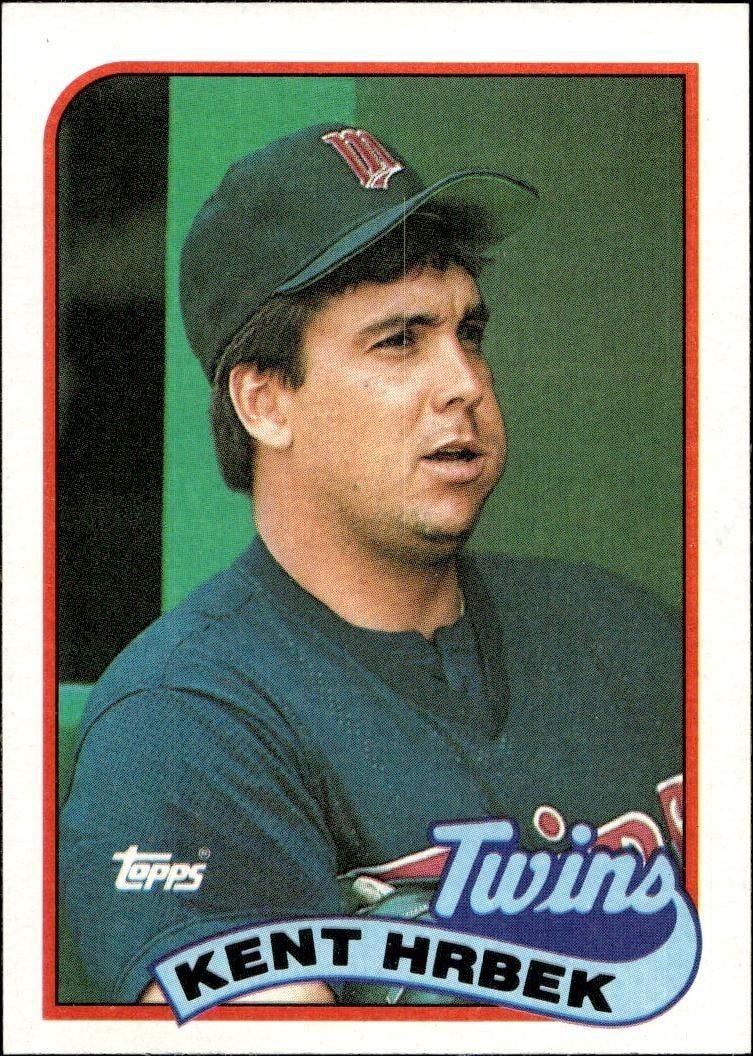





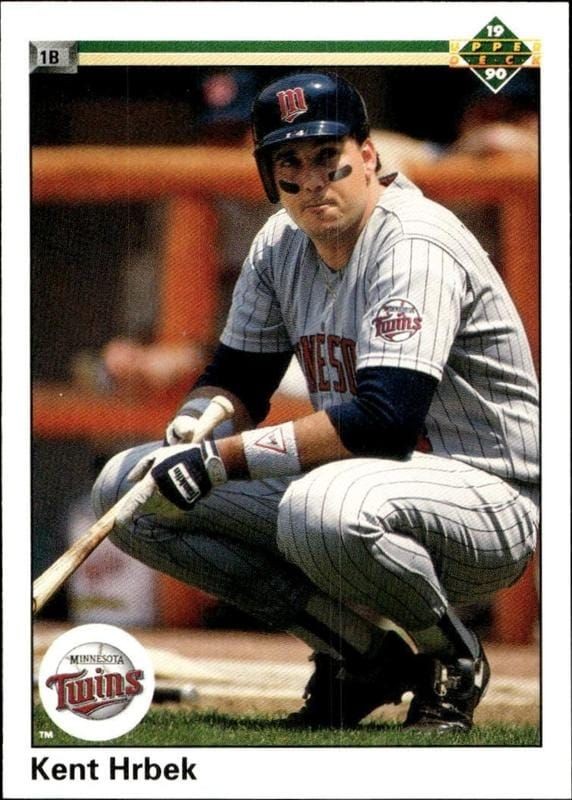
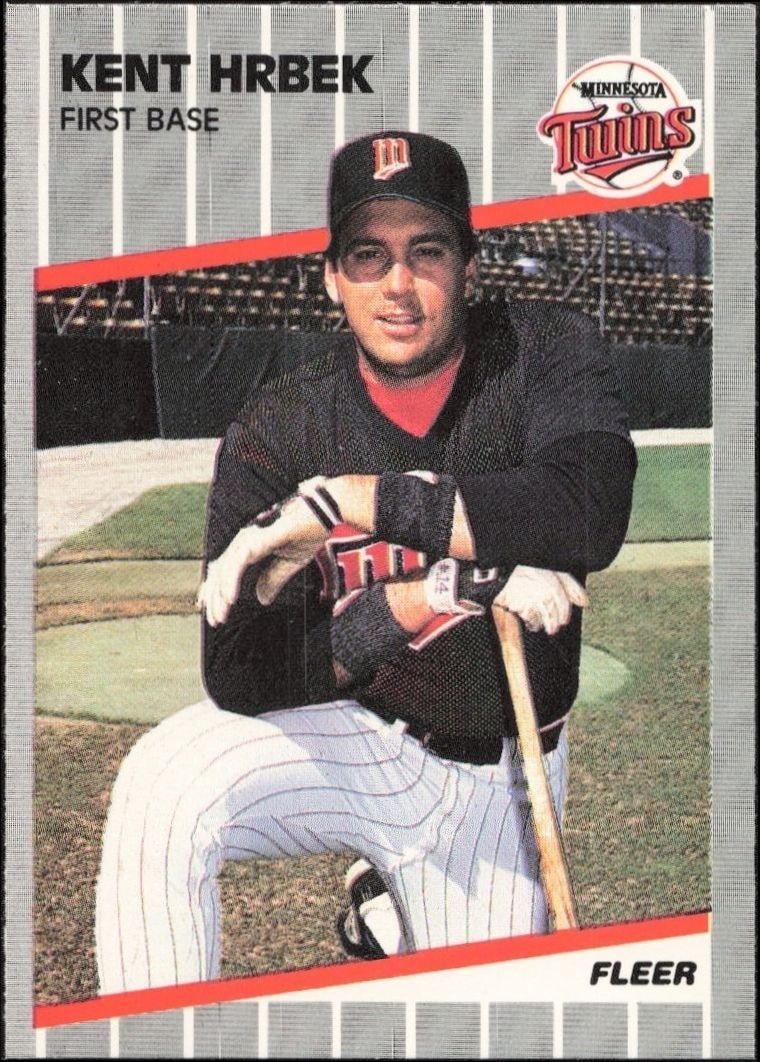
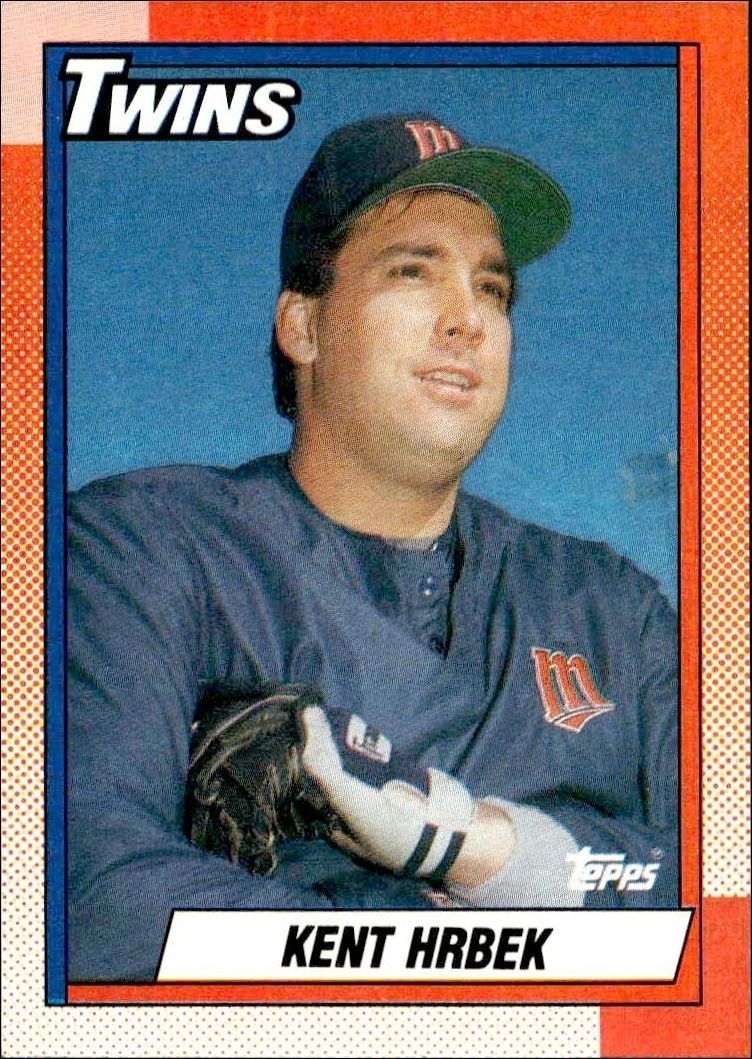
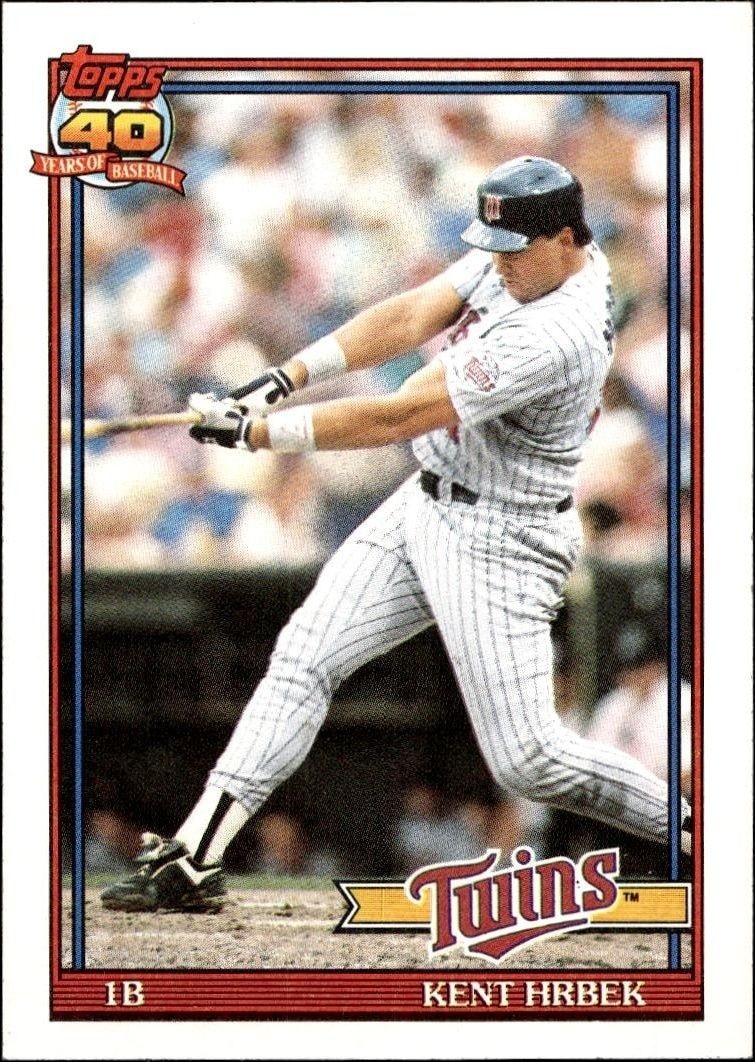
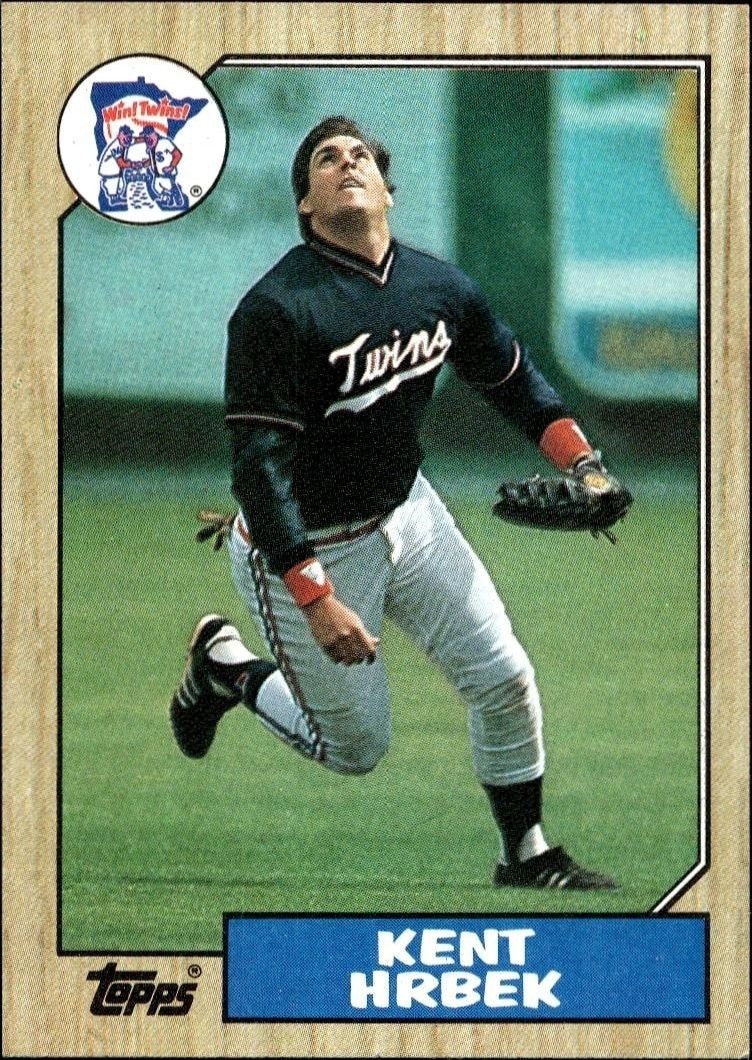
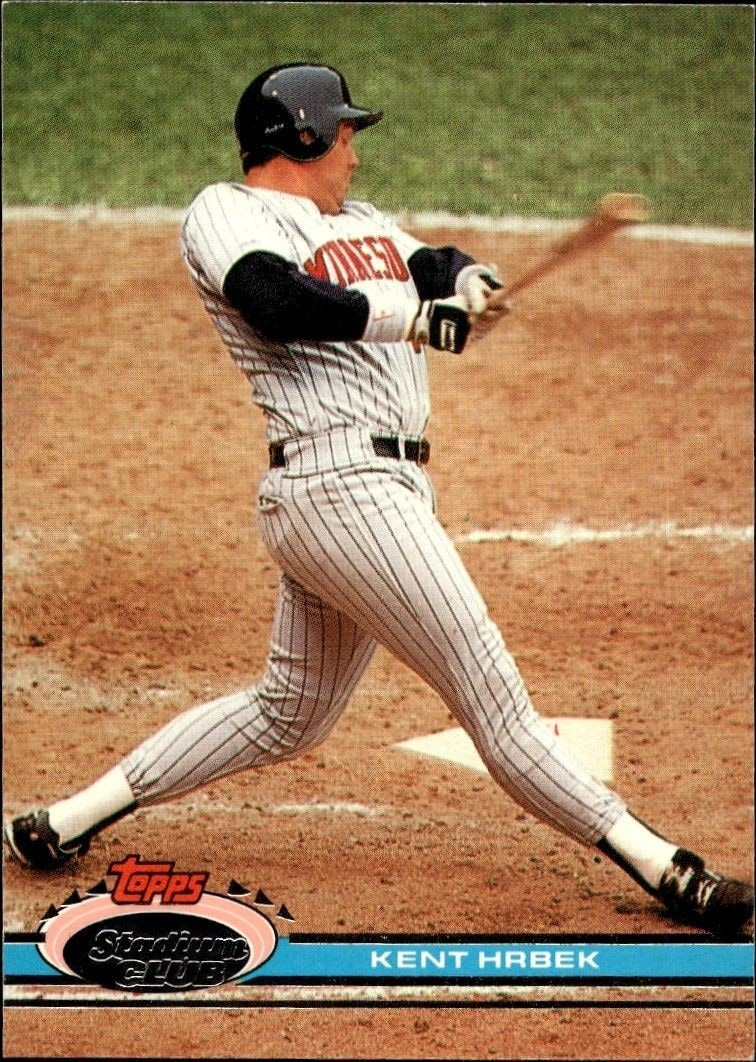
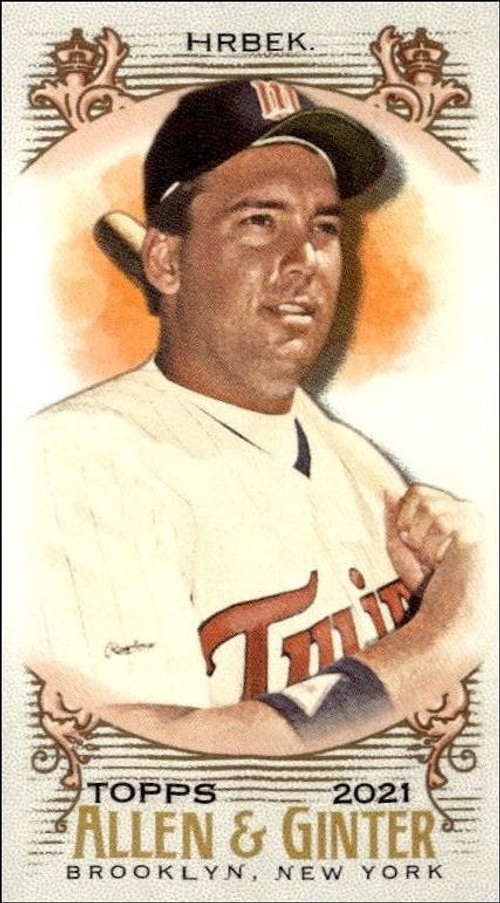
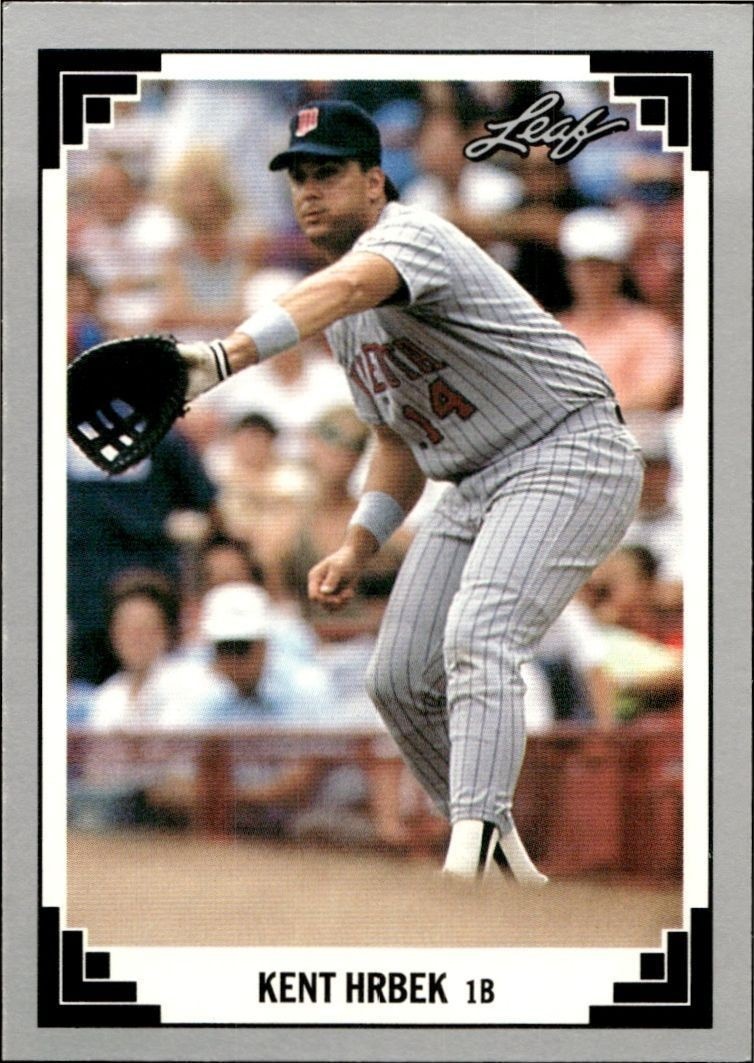
Kent Hrbek #510 from the 1985 Topps baseball card set. A classic Minnesota Twins collectible representing the 1985 era of the sport.
1985 • Topps
Major League Baseball • Minnesota Twins
Excellent
510
New
Shipping Calculated at Checkout
Arrives in 5-7 daysEstimated delivery October 29, 2026 - October 31, 2026
30-day Returns| Condition | Value | Source | Trend | Price Details |
|---|---|---|---|---|
$1.46 | Guide Estimate | |||
$7.97 | Guide Estimate | |||
$17.95 | Guide Estimate | |||
$26.36 | Guide Estimate | |||
$69.00 | Guide Estimate | |||
$32.00 | Guide Estimate | |||
$53.01 | Guide Estimate | |||
$32.00 | Guide Estimate | |||
Raw / Ungraded
PriceCharting Price Guide · Guide Estimate evidence · captured Oct 18, 2026
History is building. At least two days of matching observations are needed to show a trend.
Each point is the last stored observation that day for this printing, condition, grader, autograph status and source. Gaps mean no observation; guide estimates and asking prices are not completed sales.The 1985 Topps Kent Hrbek #510 card represents a significant piece of baseball history featuring the Minnesota Twins. As part of the renowned 1985 Topps set, this card is recognized by collectors for its distinct design and historical context within the sport. Kent Hrbek, a key figure for the Twins, is featured on this card number 510, making it a sought-after item for enthusiasts of the team and the era. Collecting 1985 Topps cards offers a unique window into the mid-1980s baseball landscape. The Kent Hrbek #510 card stands out as an essential component for those building comprehensive collections of Twins memorabilia or 1985 Topps base sets. Its enduring popularity among hobbyists is a testament to the lasting appeal of this release. For investors and long-term collectors, the 1985 Topps Kent Hrbek #510 card provides a tangible connection to a pivotal time in Minnesota Twins history. The card's catalog number and year make it easily identifiable and trackable within the broader market. Whether you are looking to complete a specific set or acquire a notable player card, this product offers a valuable addition to any collection. The combination of team significance, set prestige, and player prominence ensures its continued relevance in the trading card community. By focusing on the identity and history of each card, collectors can build a meaningful and diverse portfolio. The 1985 Topps Kent Hrbek #510 card remains a staple for those who appreciate the artistry and nostalgia of 1980s baseball card design.
3 days ago
We'll pre-fill the product details from this catalog entry, so your listing lands on this exact page. Just add photos of your copy, pick its condition, and set your price.
The catalog profile below summarizes the card identity, featured subject, and notable collectible traits.
The subject, team, league, and sport context tied to this card.
Production details and format-specific attributes.
Material
Card Stock
Language
English
Compare prices, grades, photos, and shipping from approved sellers.
New
Excellent
See how many public collections currently include this card.
0 collectors have this card
This 1985 Topps Kent Hrbek card represents a foundational entry in a Hall of Fame caliber career, yet it currently trades at a modest price tier relative to his peak-era memorabilia. As a standard base card from his rookie season, it serves as an accessible entry point for collectors focusing on Minnesota Twins history rather than commanding the premiums seen on graded or parallel variants. The current market positioning reflects its status as a high-supply vintage item with limited condition sensitivity compared to modern releases.
The card lacks any special scarcity attributes such as serial numbering, short-print designations, or parallel finishes, placing it firmly in the standard base set category. This unvarnished presentation means the supply is constrained only by the original print run and surviving population, with no artificial scarcity mechanisms applied. Consequently, rarity is driven entirely by the age of the card and the general wear-and-tear typical of mid-1980s mass-produced stock.
While the rookie-year designation provides a historical anchor, the lack of premium parallel status or grading limitations suggests modest appreciation potential for raw copies. Collector demand is likely driven by nostalgia and team-specific needs rather than speculative growth, making it a stable but low-volatility asset. Long-term value will depend on the broader vintage baseball market's appetite for ungraded 1980s base cards rather than unique scarcity mechanics.