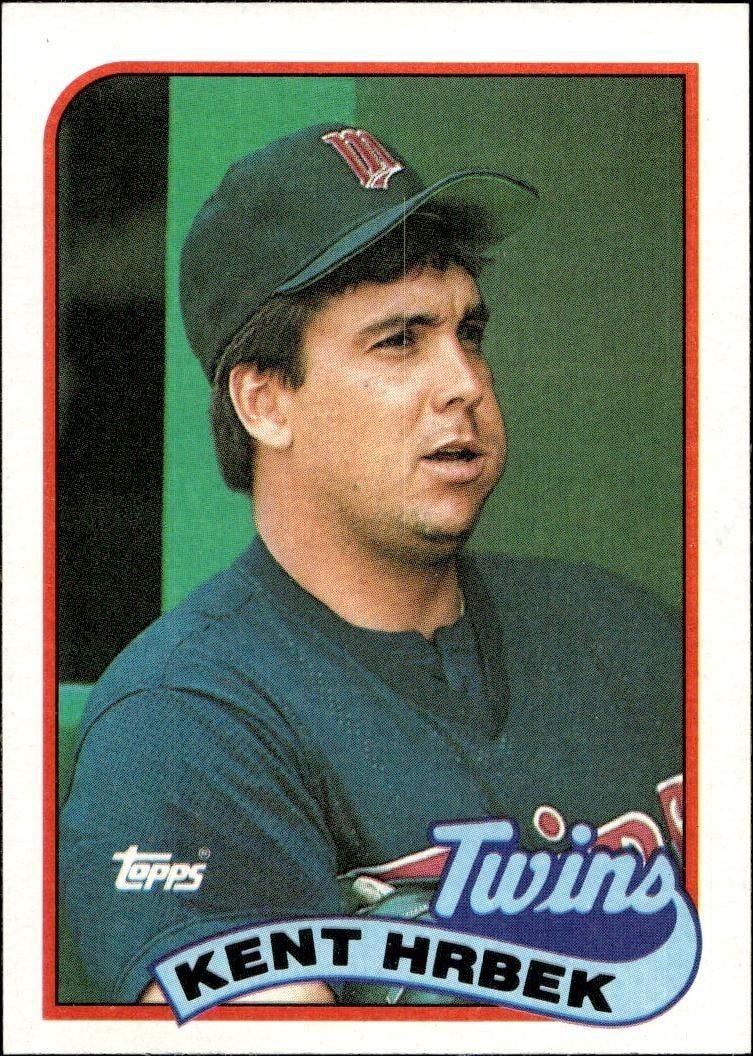

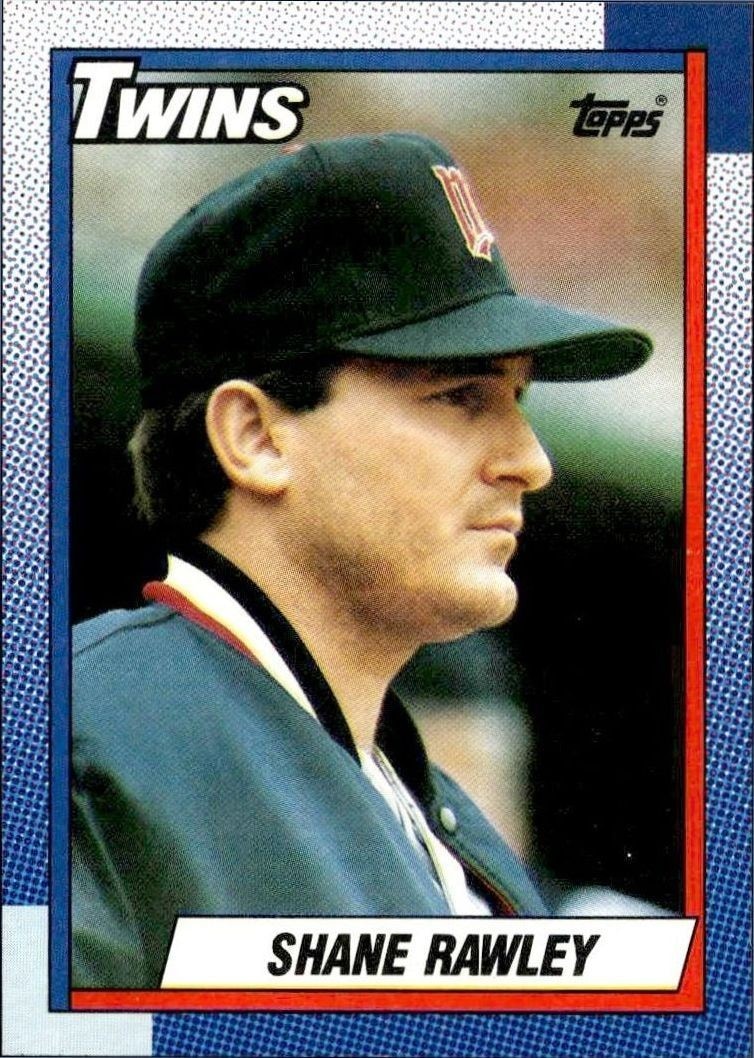

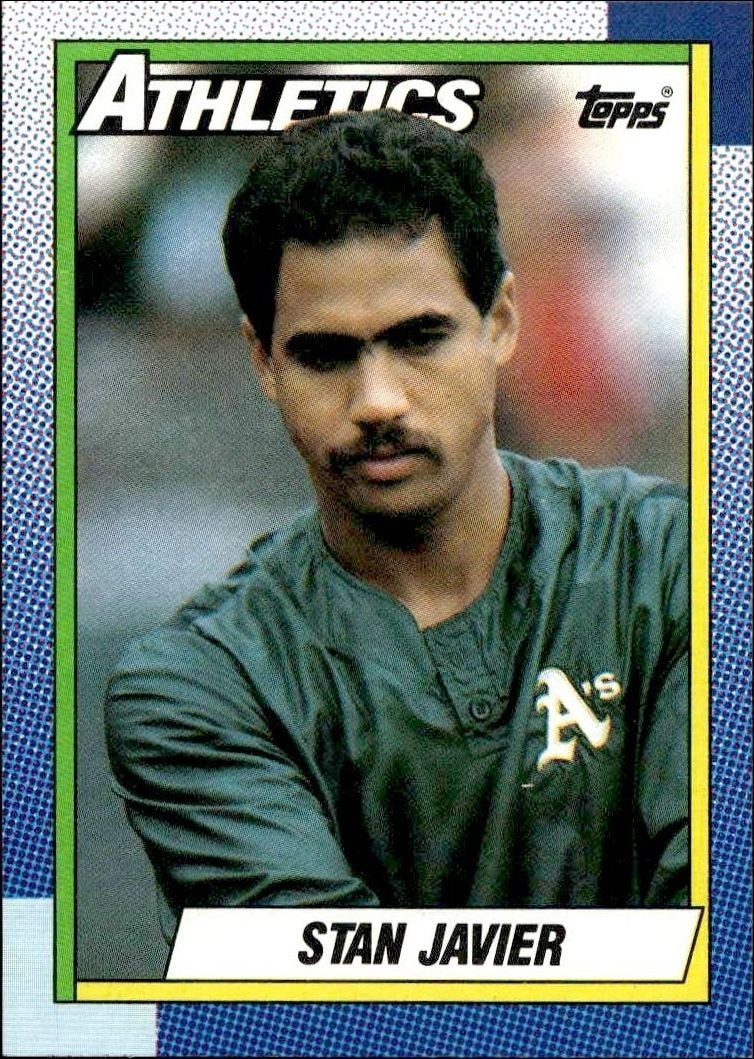
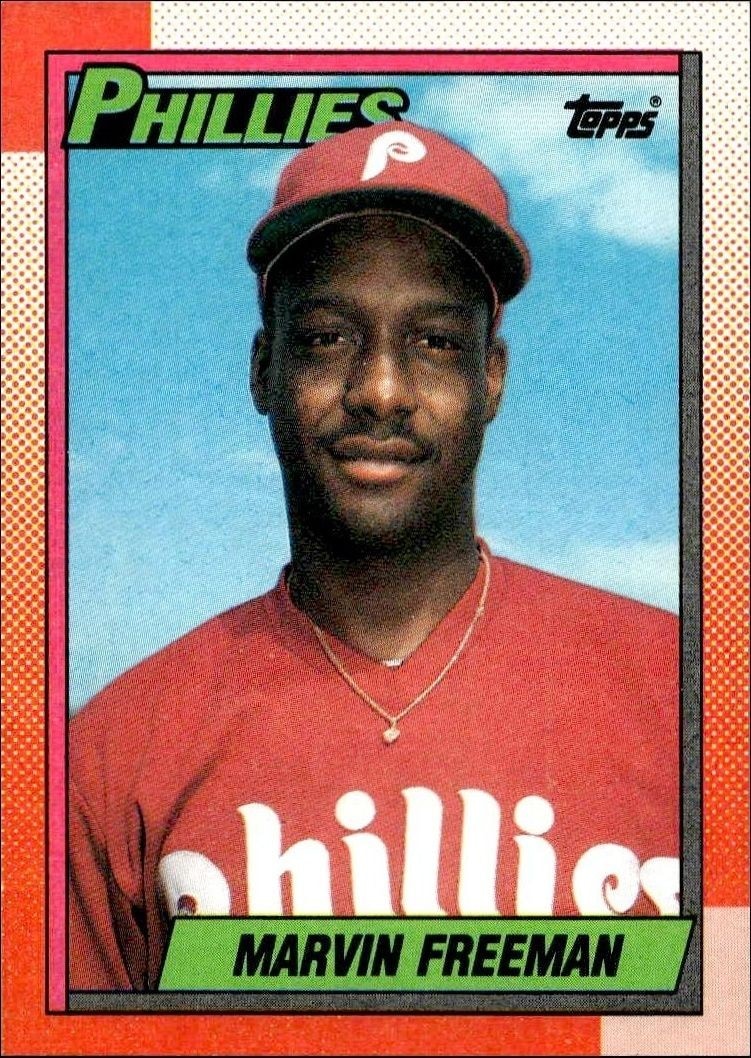
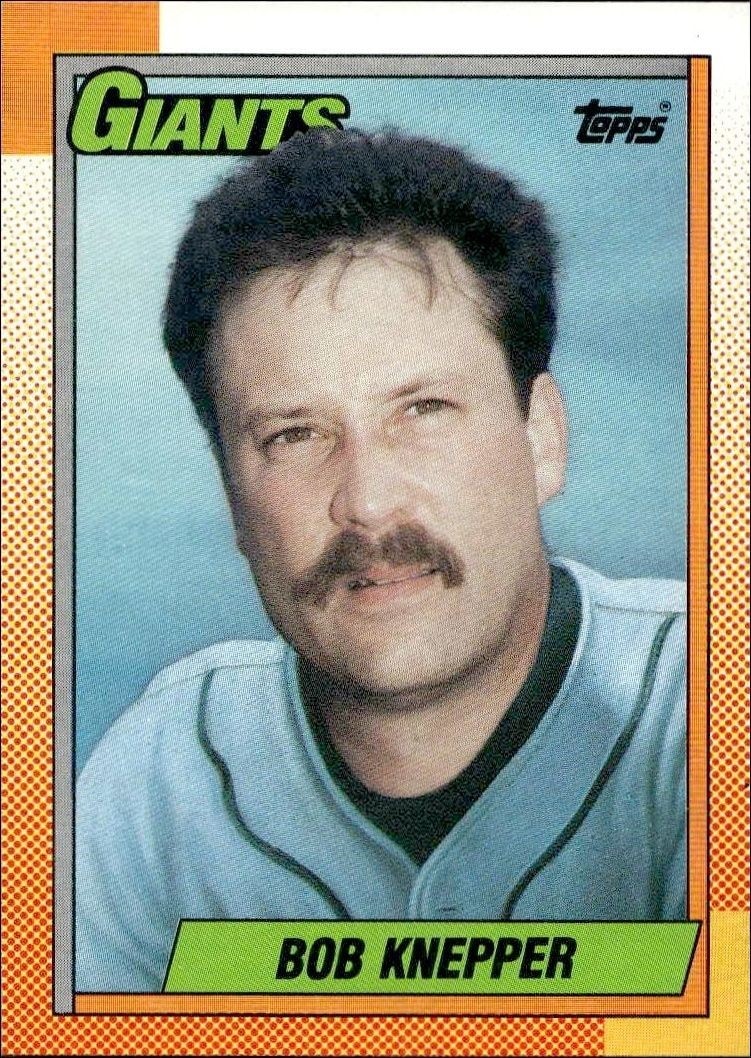


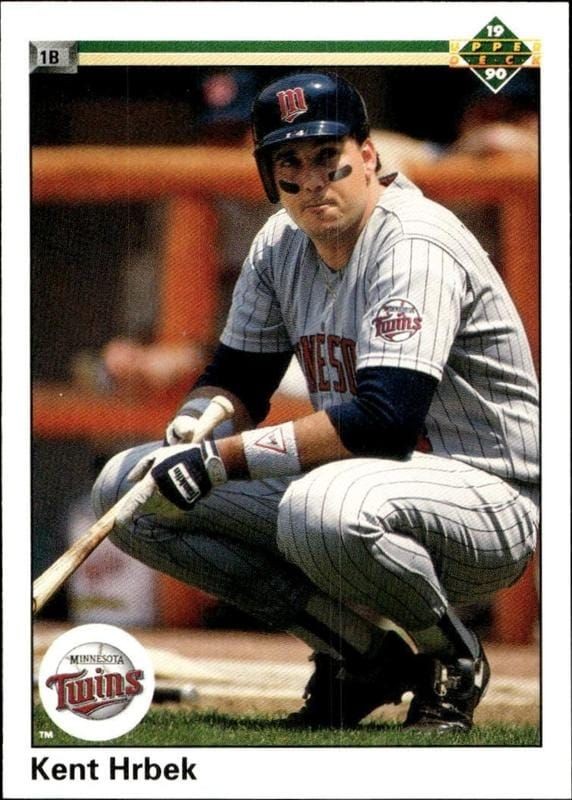
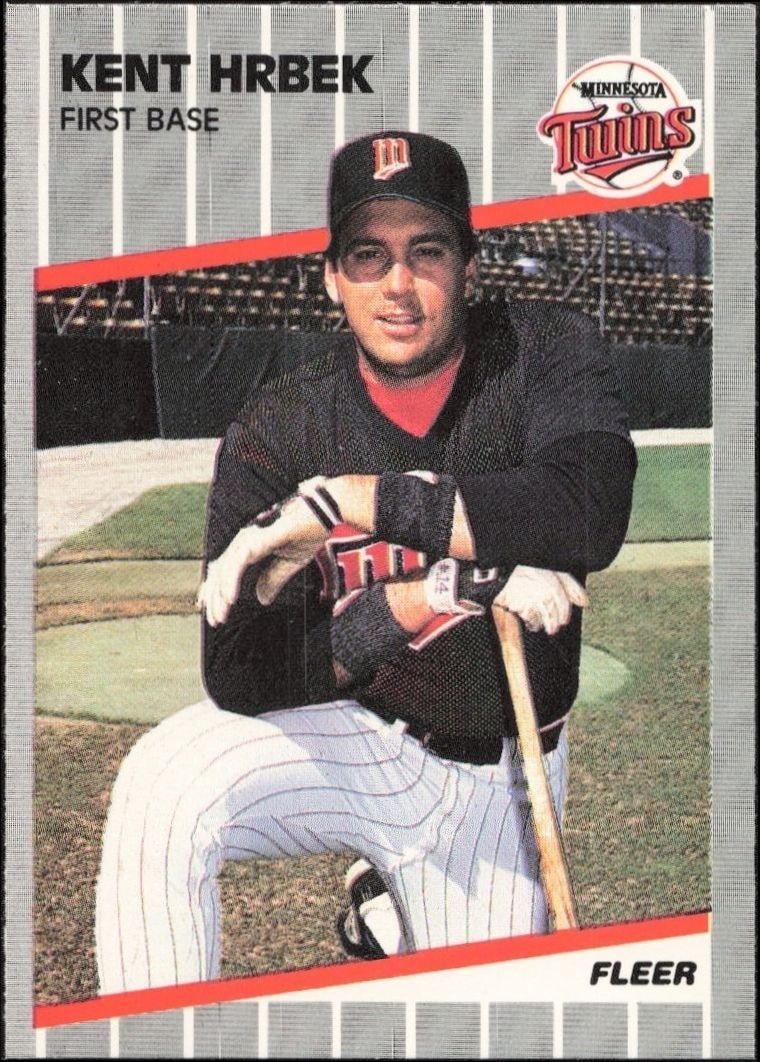
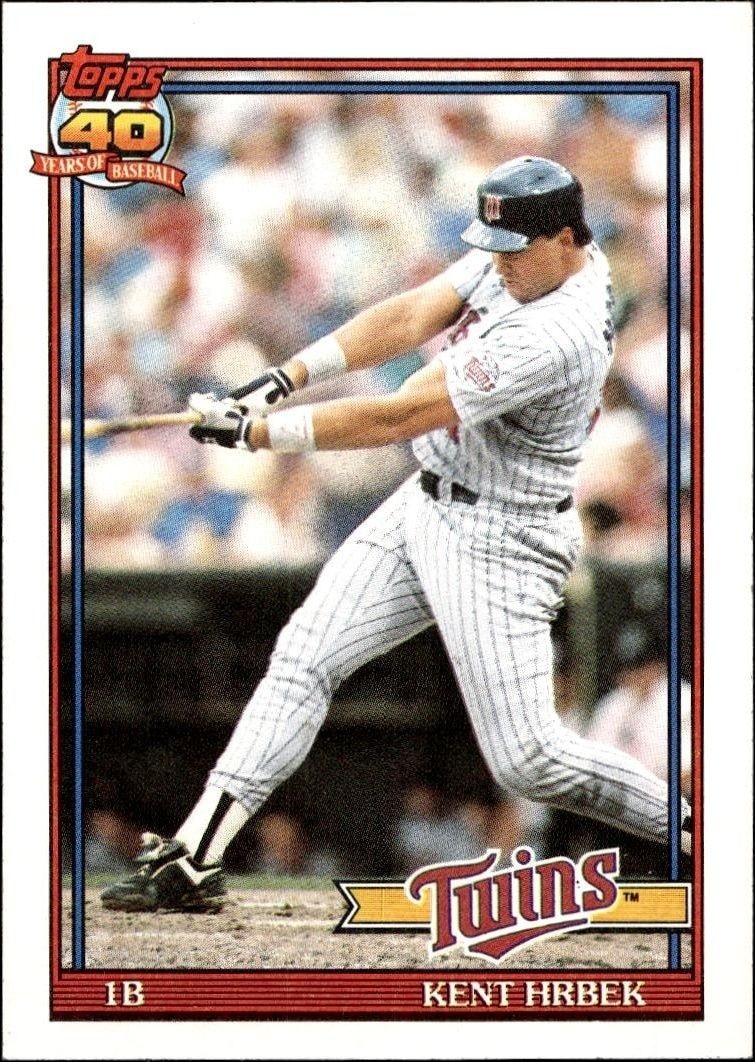
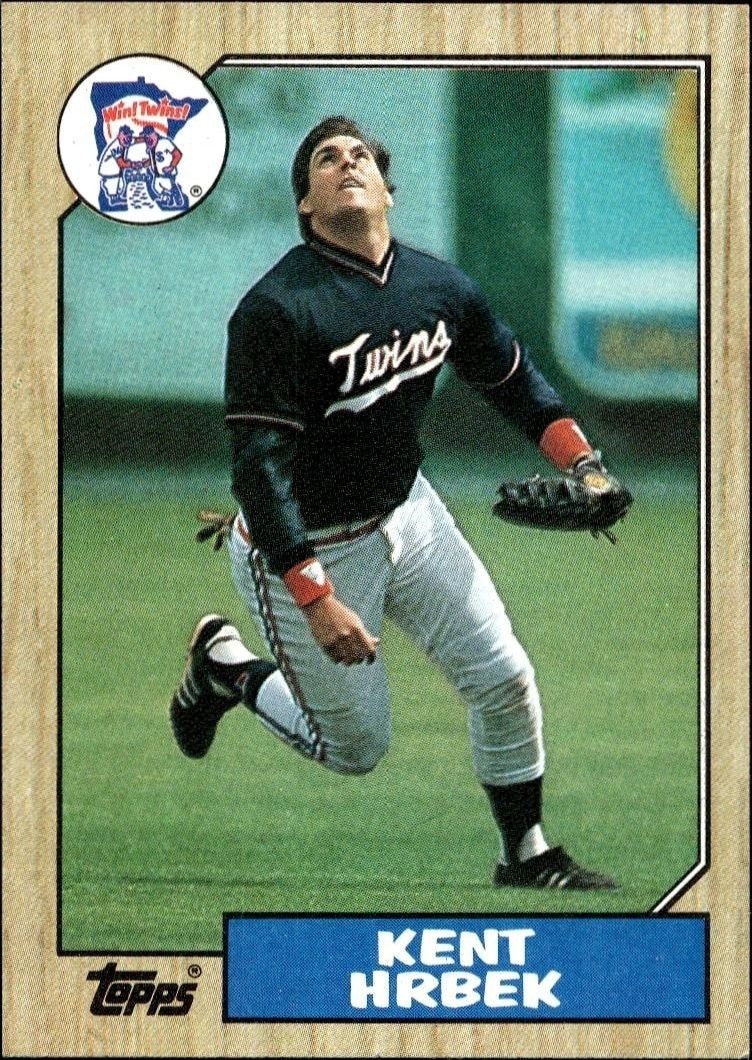
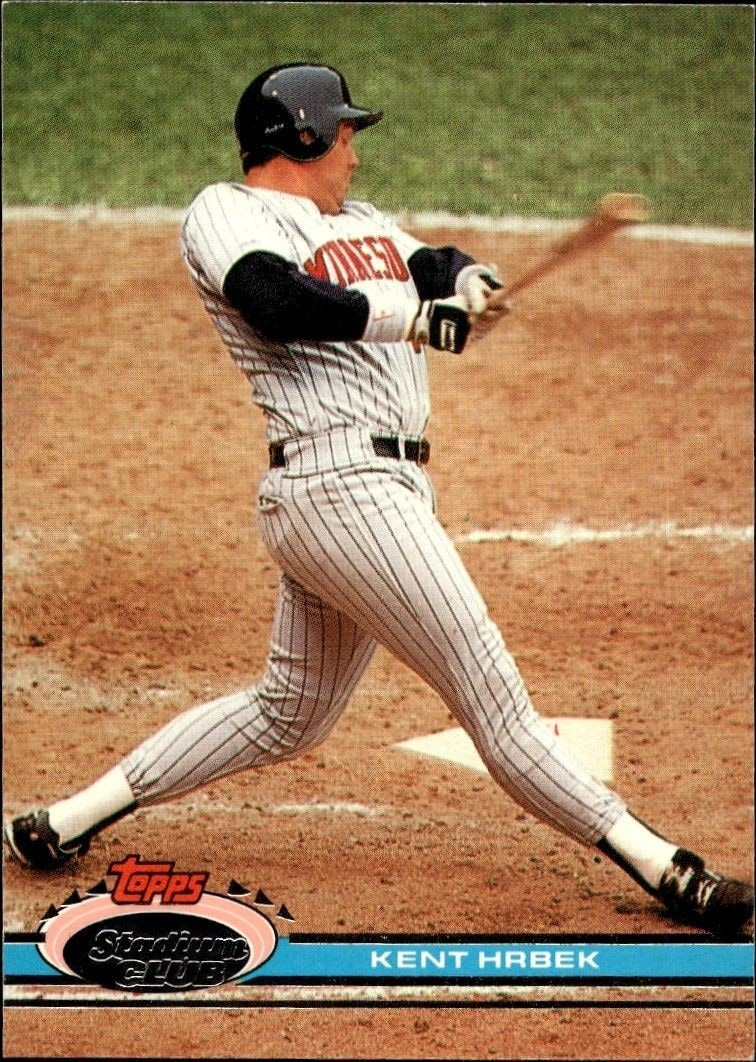
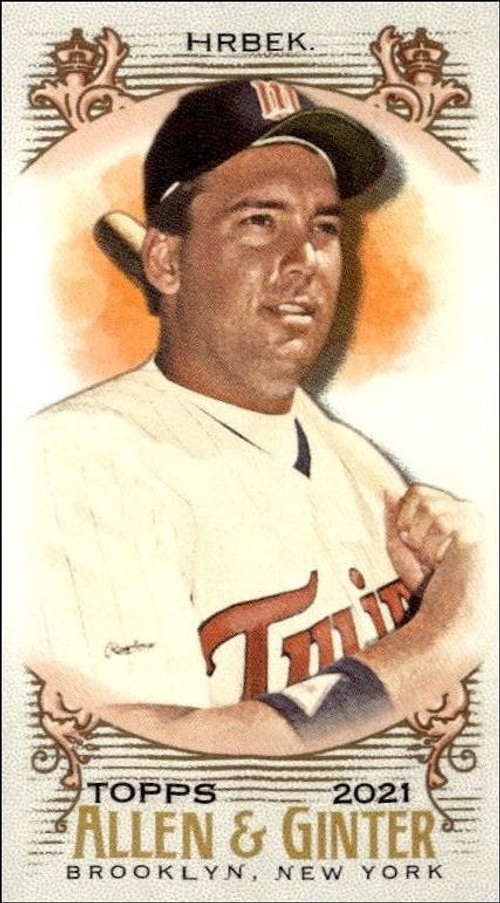
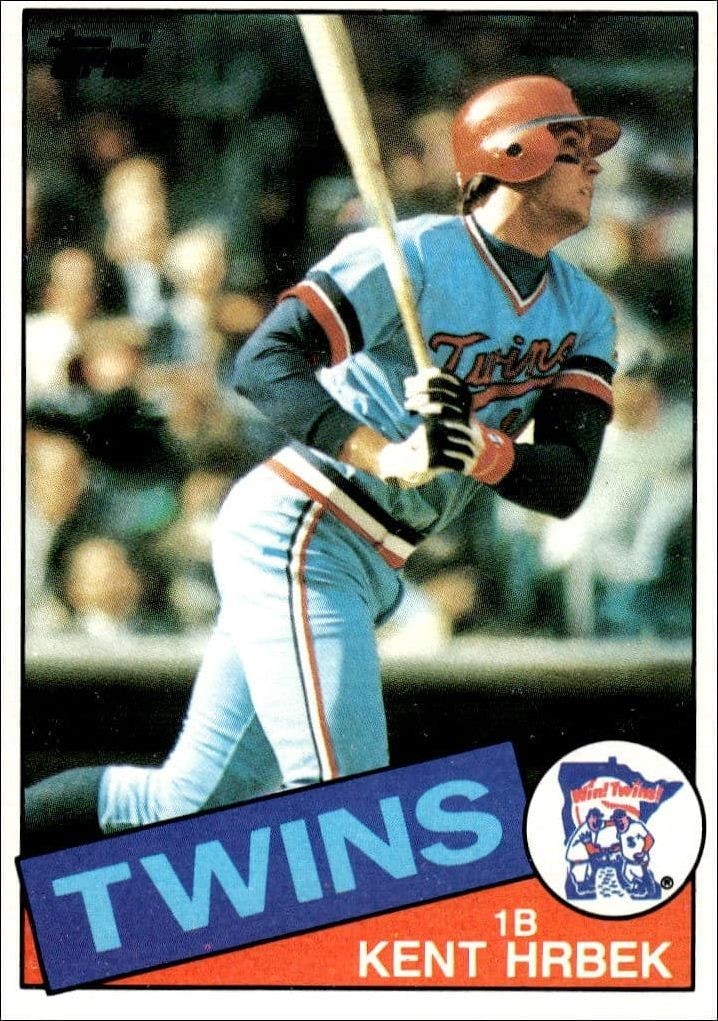
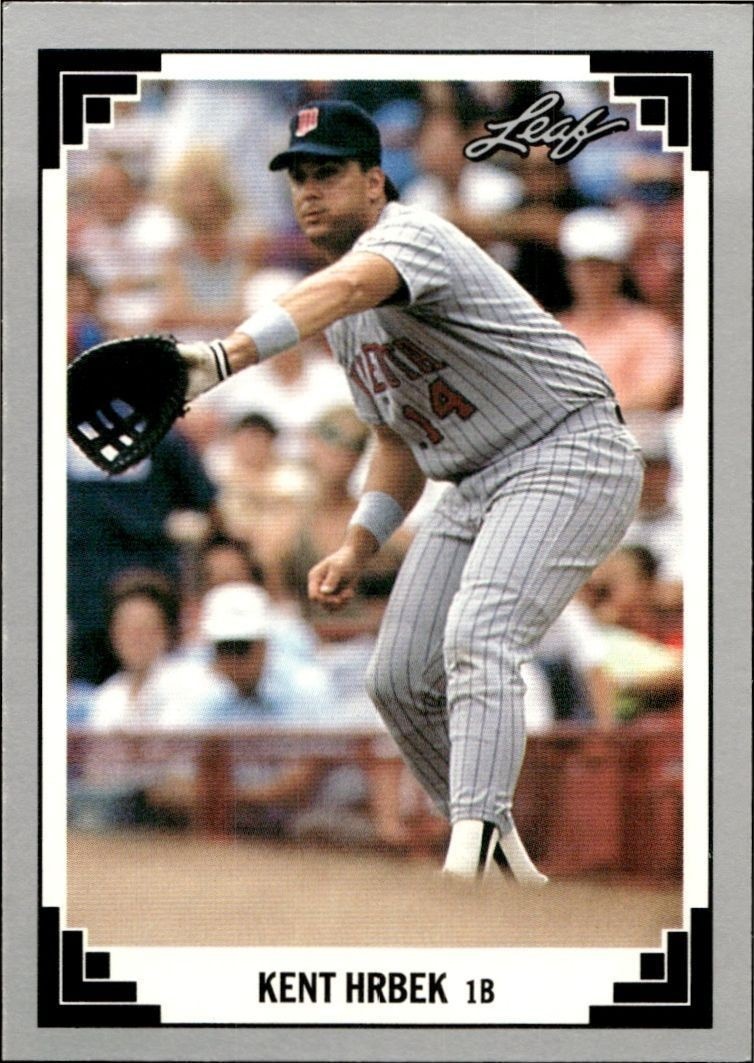
The 1990 Topps Kent Hrbek #125 card captures the Minnesota Twins first baseman during his prime, offering a classic look for dedicated baseball collectors.
1990 • Topps
Major League Baseball • Minnesota Twins
Excellent
125
New
Shipping Calculated at Checkout
Arrives in 5-7 daysEstimated delivery October 23, 2026 - October 25, 2026
Seller returns October 19, 2026.30-day Returns| Condition | Value | Source | Trend | Price Details |
|---|---|---|---|---|
$1.29 | Guide Estimate | 0% | ||
$33.70 | Guide Estimate | -0.1% | ||
$37.00 | Guide Estimate | 0% | ||
$52.00 | Guide Estimate | 0% | ||
$24.00 | Guide Estimate | 0% | ||
$40.00 | Guide Estimate | 0% | ||
$24.00 | Guide Estimate | 0% | ||
Raw / Ungraded
PriceCharting Price Guide · Guide Estimate evidence · captured Oct 16, 2026
The 1990 Topps Kent Hrbek #125 baseball card represents a significant entry for collectors focusing on the Minnesota Twins franchise and the broader 1990s sports card market. As a member of one of the most successful teams of the era, Hrbek's presence in this standard base set provides a tangible connection to a period defined by intense AL West rivalry and championship aspirations. This card is widely recognized by hobbyists for its straightforward design, which was characteristic of Topps' approach in the early 1990s. The layout prioritizes the subject against a clean background, allowing the player's image to take center stage. For set builders, this numbered release is a necessary component for completing the full 1990 Topps checklist, which remains a popular goal for enthusiasts who appreciate the era's distinct aesthetic and production style. Collecting this card often appeals to those who value the historical context of the Minnesota Twins' dynasty years. Hrbek was a cornerstone of that team, and owning a card from this period allows collectors to document the legacy of a franchise that captured the World Series in 1991. Whether you are assembling a team-specific collection or curating a decade-focused group, the 1990 Topps Kent Hrbek #125 offers a reliable and recognizable piece of baseball history. It stands as a staple for anyone interested in the visual and cultural narrative of Major League Baseball during the turn of the decade.
1 day ago
We'll pre-fill the product details from this catalog entry, so your listing lands on this exact page. Just add photos of your copy, pick its condition, and set your price.
The catalog profile below summarizes the card identity, featured subject, and notable collectible traits.
The subject, team, league, and sport context tied to this card.
Production details and format-specific attributes.
Material
Card Stock
Language
English
Compare prices, grades, photos, and shipping from approved sellers.
New
Excellent
See how many public collections currently include this card.
0 collectors have this card
This 1990 Topps Kent Hrbek card represents a baseline entry point for collectors focusing on the Minnesota Twins franchise during that era. As a standard base card without special attributes, it trades at the lower end of the player's market value spectrum compared to parallel or insert variations. Its pricing reflects broad availability rather than scarcity, appealing primarily to those building complete set collections or seeking affordable team-specific inventory.
The card lacks any scarcity-enhancing features such as serial numbering, short-print designations, or unique parallels, positioning it as a mass-produced base item. Supply is effectively unlimited relative to specialized subsets, meaning no mechanical constraints exist to artificially limit availability. Consequently, the rarity profile is defined by its common status within the 1990 Topps product rather than any exclusive attribute.
As a non-rookie, standard base card, the investment potential is driven by nostalgic demand for 1990s baseball rather than rookie-card premiums or career milestone recognition. Collector interest is likely limited to completionists rather than speculative investors, resulting in stable but modest liquidity. Long-term value growth is expected to be minimal compared to graded examples or rare parallels from the same set.