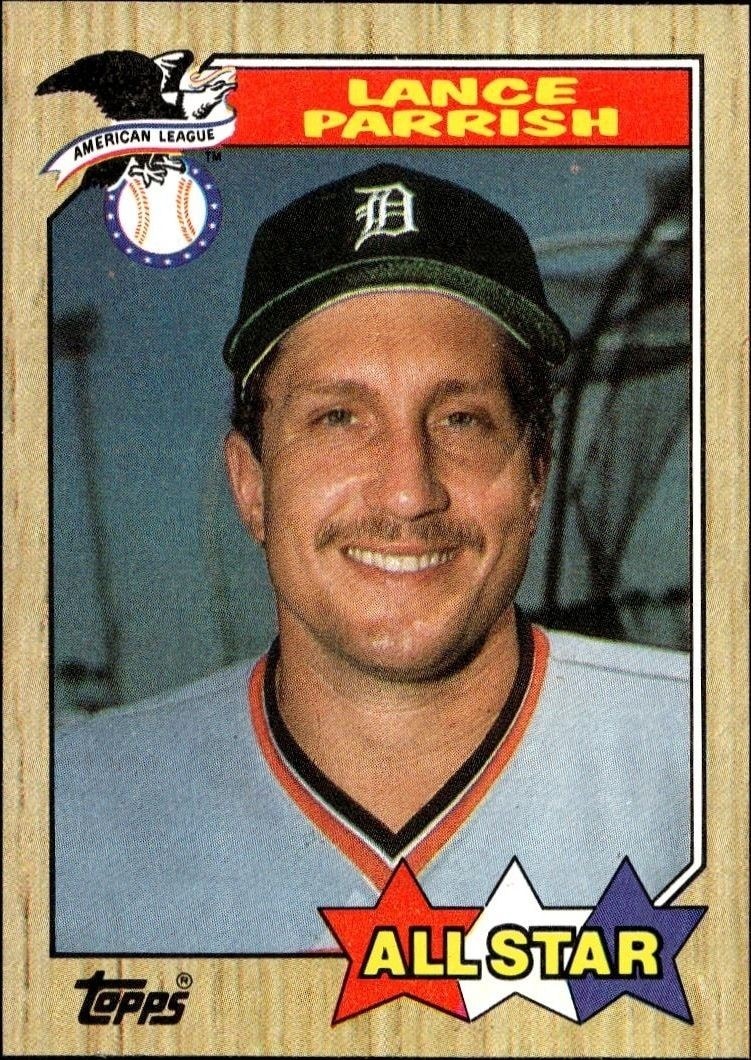





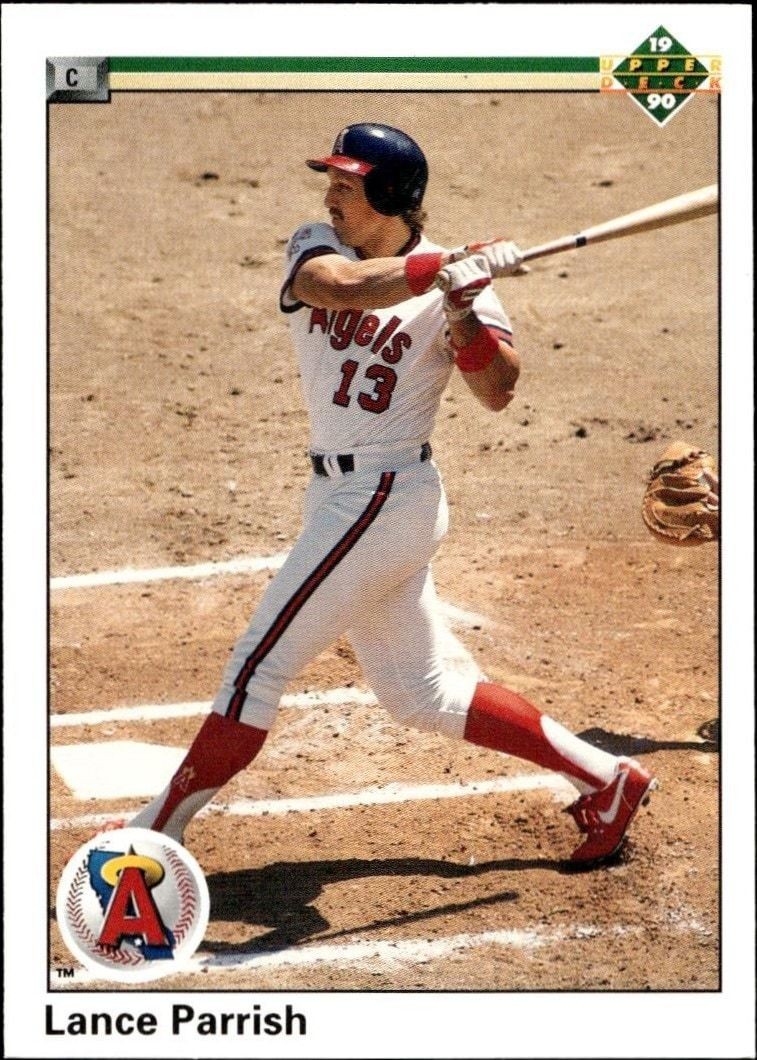

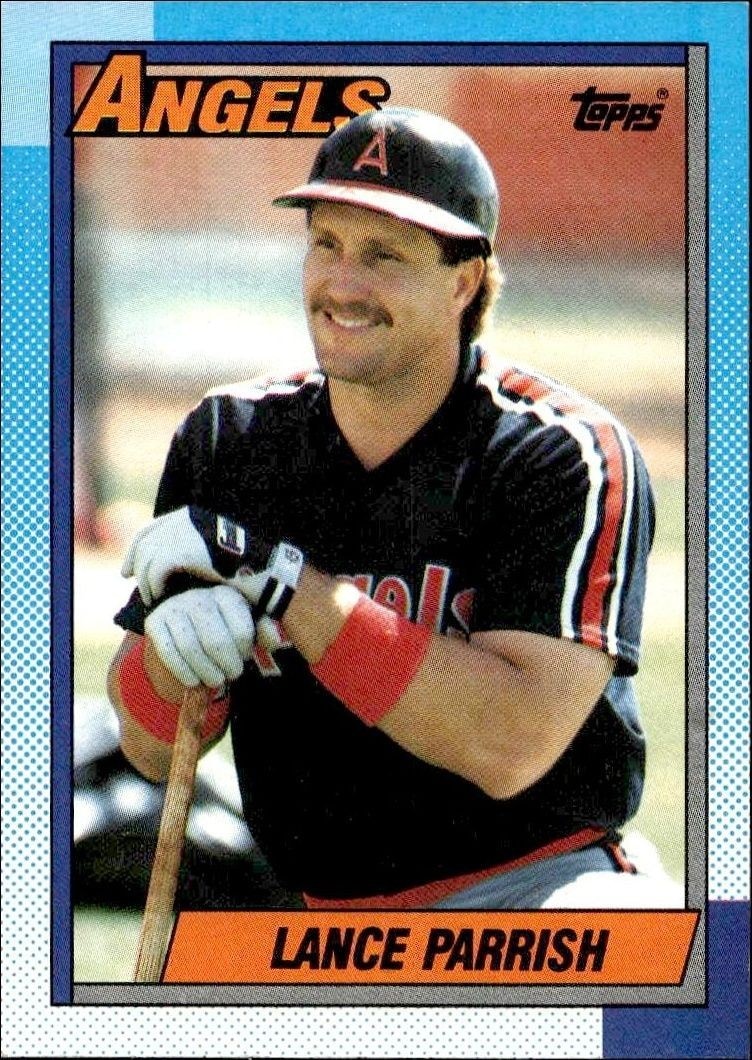
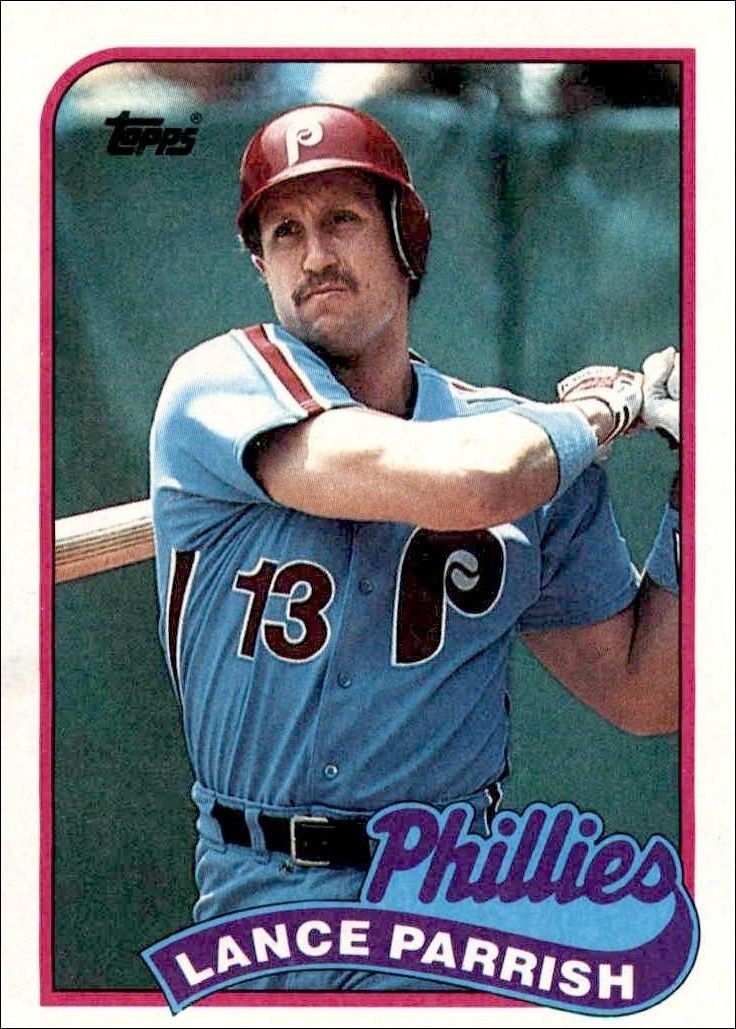
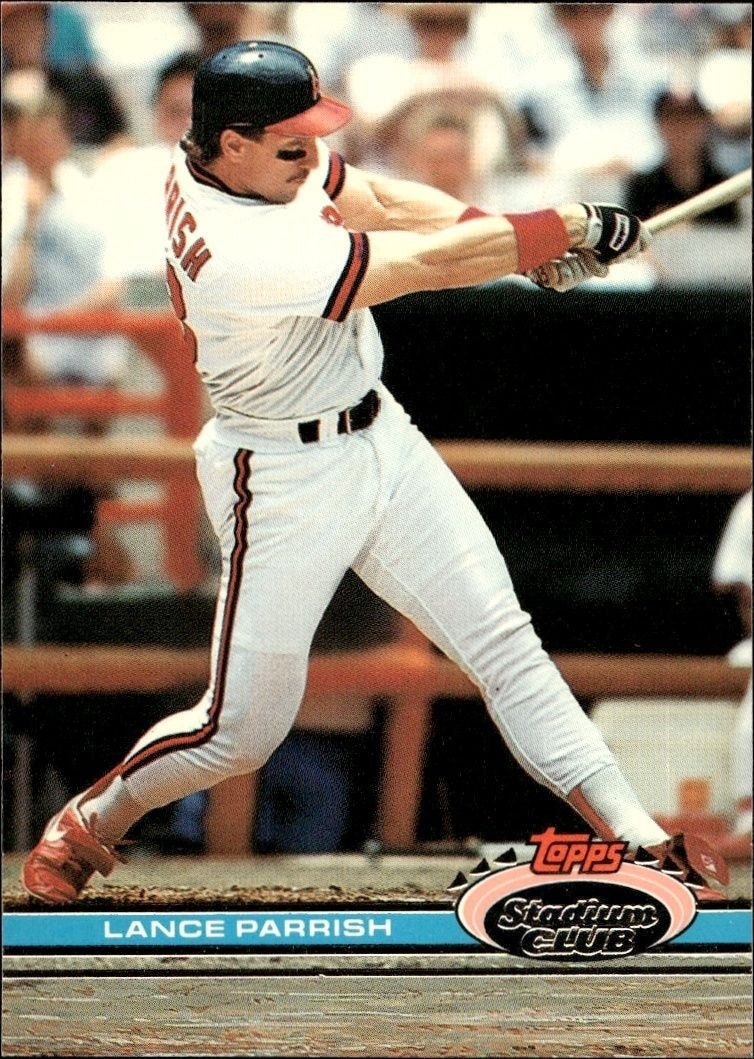
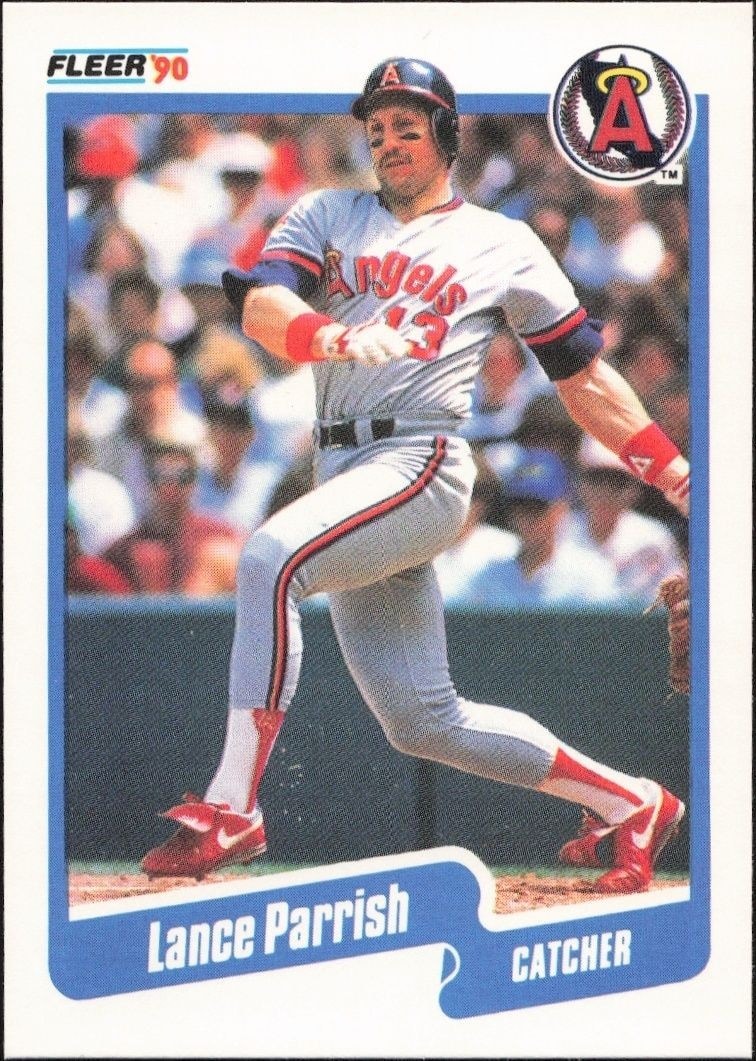
The 1985 Topps Lance Parrish #160 baseball card captures a key Detroit Tigers catcher during the mid-80s MLB era. This vintage collectible represents a staple of 1980s Topps design.
1985 • Topps
Major League Baseball • Detroit Tigers
Excellent
160
New
Shipping Calculated at Checkout
Arrives in 5-7 daysEstimated delivery October 29, 2026 - October 31, 2026
30-day Returns| Condition | Value | Source | Trend | Price Details |
|---|---|---|---|---|
$1.46 | Guide Estimate | |||
$1.62As of 9/20/2026 | Completed Sales | |||
$14.00 | Guide Estimate | |||
$21.27 | Guide Estimate | |||
$45.19 | Guide Estimate | |||
$210.00 | Guide Estimate | |||
$65.00 | Guide Estimate | |||
$161.50 | Guide Estimate | |||
$97.00 | Guide Estimate | |||
Raw / Ungraded
PriceCharting Price Guide · Guide Estimate evidence · captured Oct 21, 2026
History is building. At least two days of matching observations are needed to show a trend.
Each point is the last stored observation that day for this printing, condition, grader, autograph status and source. Gaps mean no observation; guide estimates and asking prices are not completed sales.Lance Parrish was a defining force for the Detroit Tigers throughout the 1980s, anchoring the catcher position with consistent power and defensive reliability. The 1985 Topps release features Parrish on card number 160, capturing the visual identity of that specific season within the broader 1985 Topps baseball set. This product serves as a tangible piece of that era, reflecting the design standards and photographic style characteristic of mid-80s sports card manufacturing. Collectors often seek out cards like the 1985 Topps Lance Parrish #160 to build comprehensive sets or to highlight specific team histories. The straightforward layout and bold typography are hallmarks of the Topps brand during this period, making it instantly recognizable to hobbyists. Whether you are a Detroit Tigers fan, a vintage card enthusiast, or someone looking to complete a specific year collection, this card represents a solid addition to any archive. The enduring appeal of 1980s baseball cards lies in their accessibility and the clear historical context they provide. This card from the 1985 set offers a direct connection to Parrish’s tenure with the Tigers, a team that remained competitive throughout the decade. For investors and casual collectors alike, vintage baseball cards from this manufacturer offer a unique blend of nostalgia and hobby engagement. The 1985 Topps Lance Parrish #160 stands as a representative example of the mass-produced yet highly collected nature of 1980s baseball memorabilia.
3 days ago
We'll pre-fill the product details from this catalog entry, so your listing lands on this exact page. Just add photos of your copy, pick its condition, and set your price.
The catalog profile below summarizes the card identity, featured subject, and notable collectible traits.
The subject, team, league, and sport context tied to this card.
Production details and format-specific attributes.
Material
Card Stock
Language
English
Compare prices, grades, photos, and shipping from approved sellers.
New
Excellent
See how many public collections currently include this card.
0 collectors have this card
As a standard base card from a major manufacturer like Topps, this item represents the entry-level tier for Lance Parrish collectors, trading significantly below any parallel or special insert versions. Its value is anchored by the widespread availability of 1985 Topps baseball cards, meaning it commands minimal premiums unless paired with higher-grade examples. The current market reflects a stable, low-cost acquisition point for those building broad Detroit Tigers or 1980s MLB collections.
This card carries no scarcity attributes such as serial numbering, short-print status, or limited edition markings, placing it squarely in the mass-produced base set category. The supply is effectively unlimited relative to collector demand, as it was printed in high volumes for general distribution. Without any unique identifiers or parallel variants, its rarity is defined solely by its condition and survival rate as a common base card.
While not a rookie card, this issue holds nostalgic value as part of Parrish's tenure with the Detroit Tigers during a prominent era of MLB history. Collector demand is likely driven by budget-conscious enthusiasts looking to complete base set checklists rather than speculative investors seeking appreciation. Long-term value growth is expected to be modest, tracking generally with the broader vintage baseball market rather than exhibiting independent spikes in value.