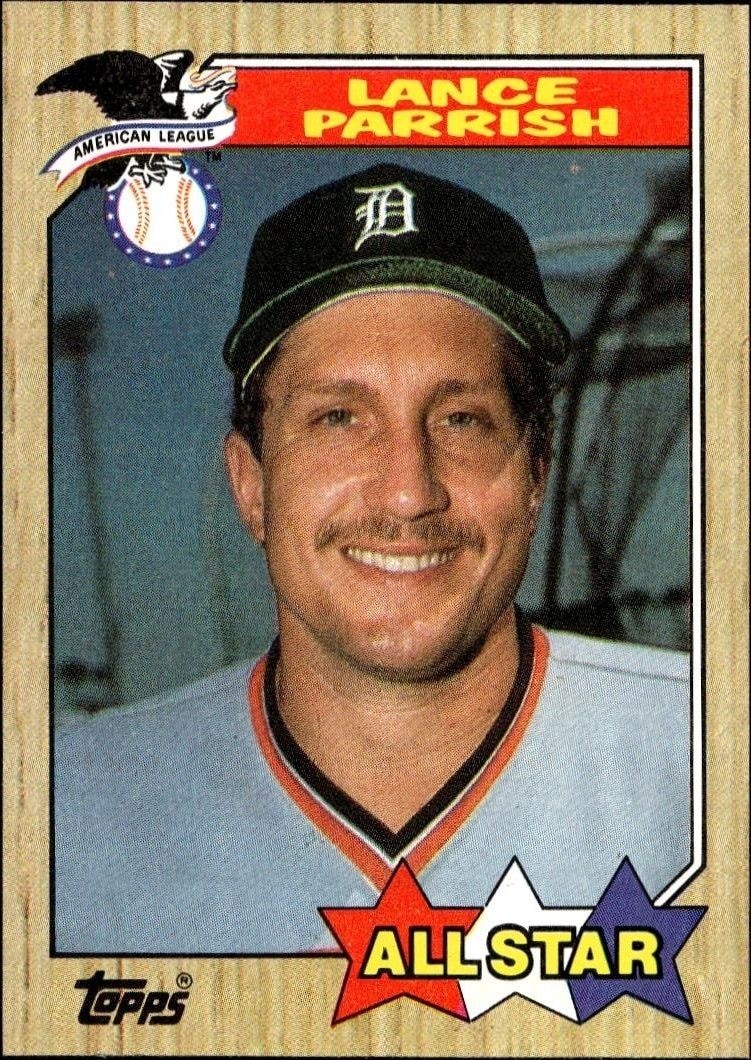


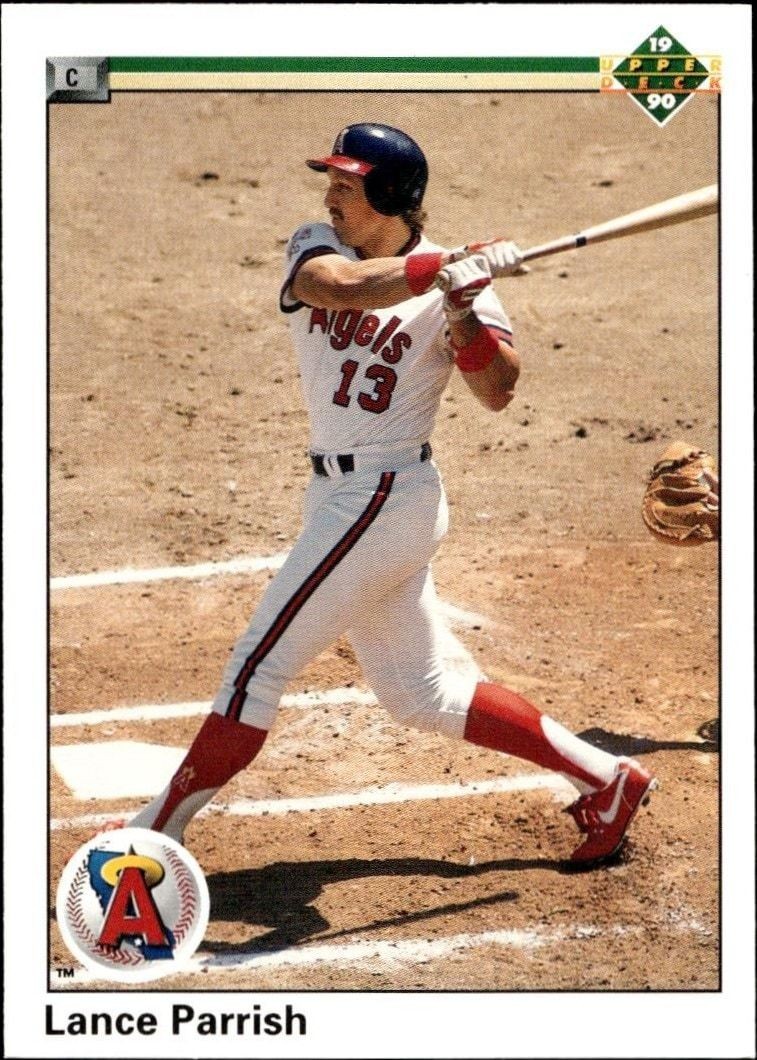

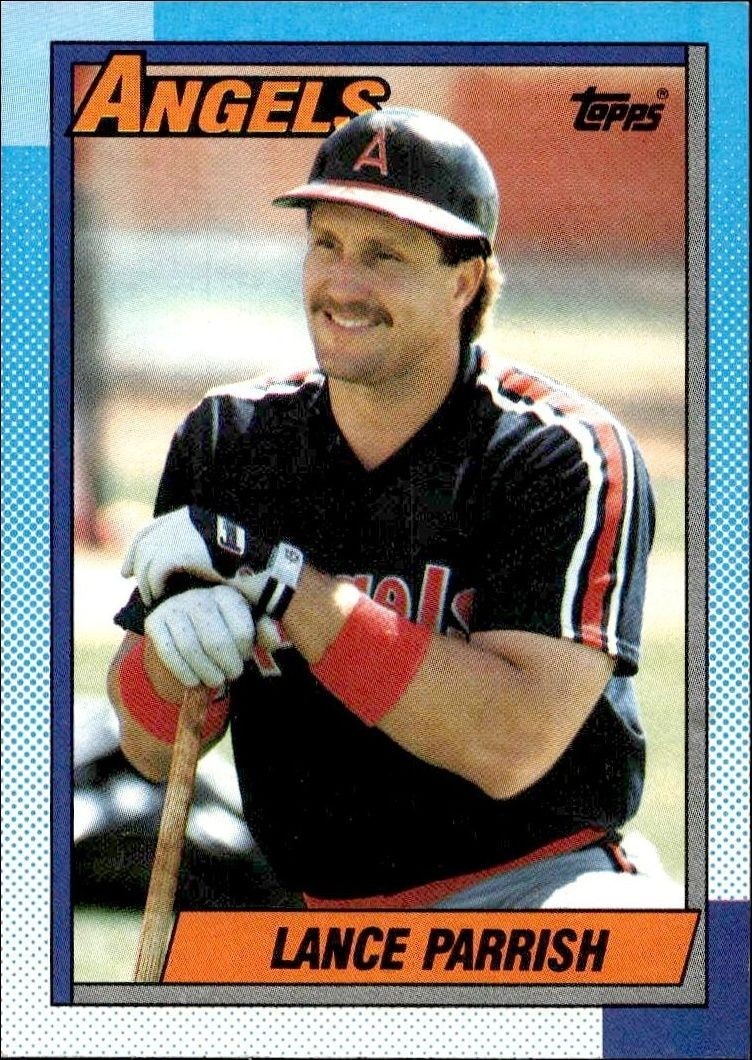
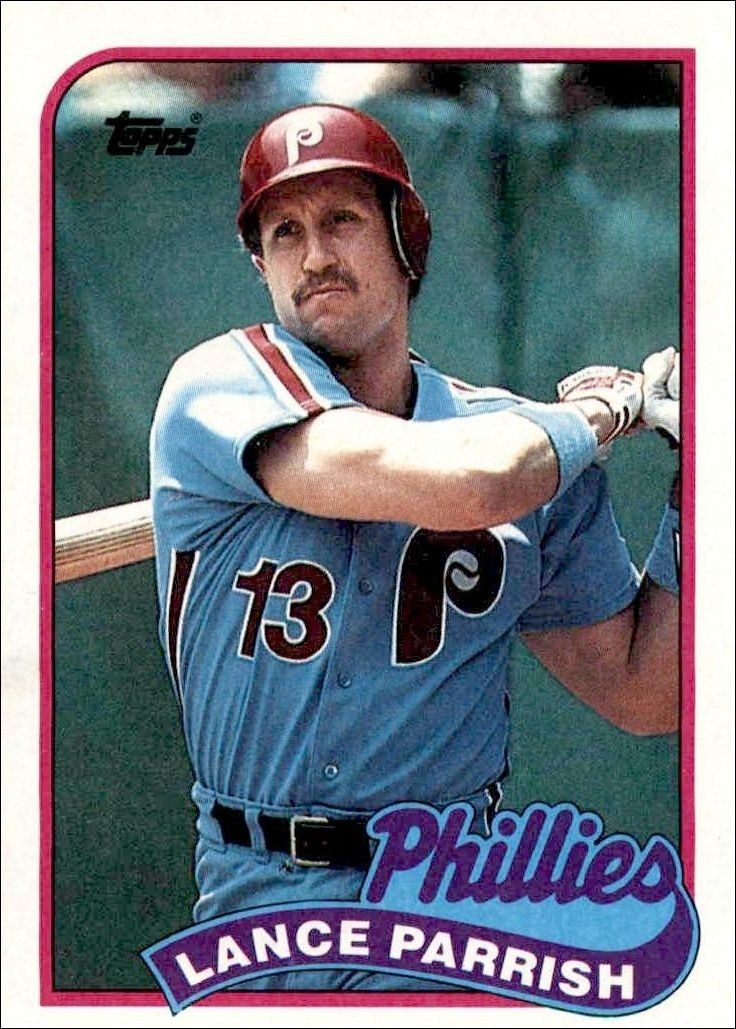
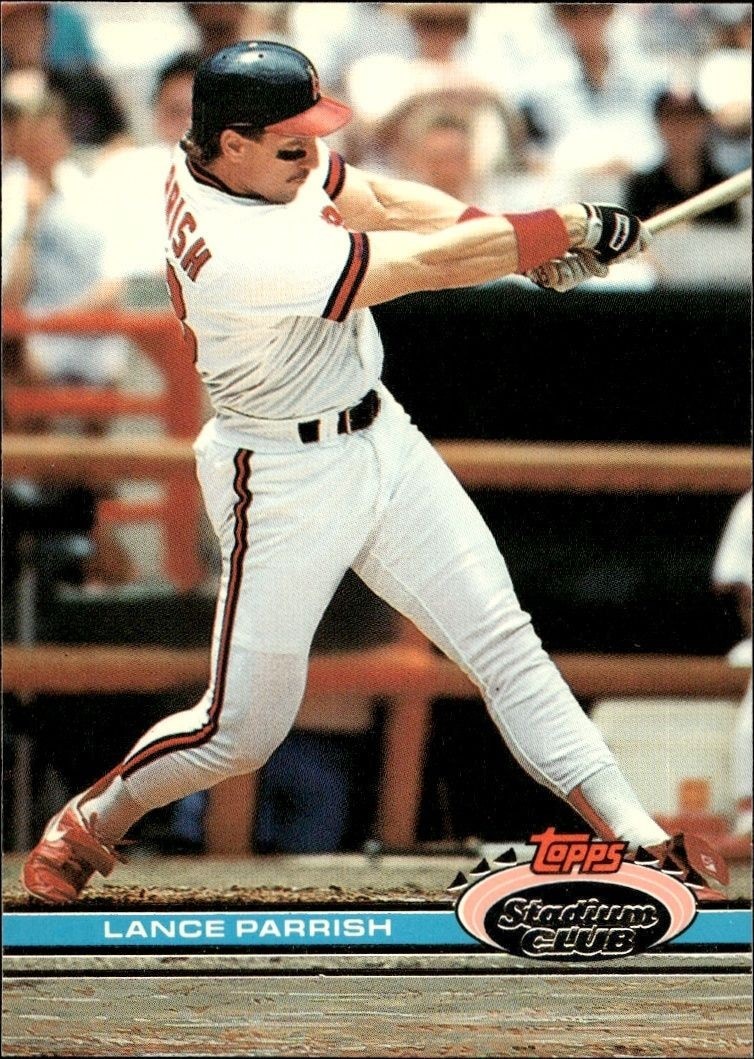
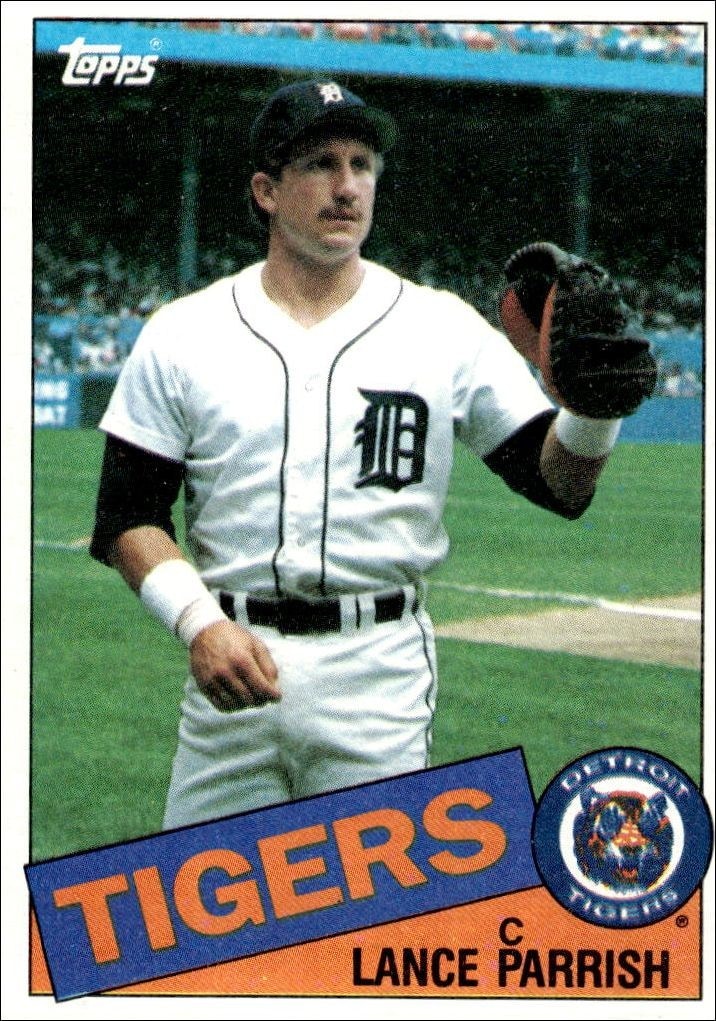
The 1990 Fleer Lance Parrish #141 baseball card captures the Los Angeles Angels catcher during his tenure in the major leagues, offering a tangible piece of 1990s baseball history.
1990 • Fleer
Major League Baseball • Los Angeles Angels
Excellent
141
New
Shipping Calculated at Checkout
Arrives in 5-7 daysEstimated delivery October 23, 2026 - October 25, 2026
Seller returns October 19, 2026.30-day Returns| Condition | Value | Source | Trend | Price Details |
|---|---|---|---|---|
$2.30 | Guide Estimate | |||
Raw / Ungraded
PriceCharting Price Guide · Guide Estimate evidence · captured Oct 4, 2026
History is building. At least two days of matching observations are needed to show a trend.
Each point is the last stored observation that day for this printing, condition, grader, autograph status and source. Gaps mean no observation; guide estimates and asking prices are not completed sales.The 1990 Fleer Lance Parrish #141 baseball card stands as a definitive artifact from one of the most recognizable eras in sports card manufacturing. Released during the early 1990s, the Fleer brand reestablished itself in the major league market with a distinct visual identity that collectors still seek out today. This card, numbered 141, features Lance Parrish, who was a prominent figure for the Los Angeles Angels during this period. Parrish, known for his power hitting and defensive prowess behind the plate, is depicted in his Angels uniform, making this card a essential reference point for anyone researching mid-career players from that decade. The card serves as a historical record of Parrish's time in Anaheim, preserving his likeness and team affiliation for future generations of hobbyists. Collecting 1990s baseball cards has seen a resurgence, with many investors and hobbyists looking to build comprehensive sets or focus on specific teams and players. The 1990 Fleer Lance Parrish #141 fits perfectly into this landscape, offering a tangible connection to the sport's past without the premium pricing often associated with rookie cards or Hall of Fame legends. It represents the accessible entry point into high-quality vintage collecting, allowing fans to own a piece of MLB history that is both affordable and historically significant. Whether you are completing a set of Angels cards or building a portfolio of 1990s Fleer issues, this card provides a solid foundation for your collection.
12 hours ago
We'll pre-fill the product details from this catalog entry, so your listing lands on this exact page. Just add photos of your copy, pick its condition, and set your price.
The catalog profile below summarizes the card identity, featured subject, and notable collectible traits.
The subject, team, league, and sport context tied to this card.
Production details and format-specific attributes.
Material
Card Stock
Language
English
Compare prices, grades, photos, and shipping from approved sellers.
New
Excellent
See how many public collections currently include this card.
0 collectors have this card
This 1990 Fleer card of Lance Parrish occupies an entry-level price tier, reflecting its status as a standard base card from a mass-produced set rather than a premium parallel or insert. While Parrish holds significance as a former All-Star and World Series champion, the lack of special attributes keeps this specific iteration well below the market value of his more sought-after rookie or high-grade counterparts. The current listing indicates a accessible price point for collectors seeking affordable inventory of the Angels era.
As a base card with no noted special attributes, this item carries no inherent scarcity mechanics such as serial numbering, short prints, or parallel variations. It represents the widest possible distribution within the 1990 Fleer set, meaning supply is abundant and constrained only by the original print run of the base product. Collectors seeking rarity in Parrish's portfolio would typically look toward his 1978 Topps Rookie or limited edition parallels, not this standard base issue.
The investment potential for this card is limited by its position as a common base issue from a non-legendary rookie year, relying entirely on general nostalgia for the 1990s Angels rather than specific scarcity drivers. Demand is likely steady among low-budget completists rather than high-end investors, resulting in modest liquidity without significant appreciation prospects. Long-term value retention depends on the broader market for 1990s baseball rather than any unique features of this specific card.